
Have you ever wondered how often you should check your smoke detectors? It’s easy to forget these small devices until they save your life.
But knowing the right time to test them can make all the difference in keeping your home and family safe. You’ll discover simple steps to make sure your smoke detectors are always ready when you need them most. Keep reading to learn how often you should check them—and why it matters more than you might think.
Credit: support.firstalert.com
Importance Of Smoke Detectors
Smoke detectors save lives by warning about fires early. They alert people before smoke spreads, giving time to escape. This early warning reduces injuries and death risks. Homes without working smoke detectors face much higher danger.
Checking smoke detectors often keeps them ready to work. A detector that fails might not sound an alarm. This failure can lead to tragic outcomes. Understanding their importance helps keep families safe.
Role In Fire Safety
Smoke detectors sense smoke particles in the air. They warn occupants of a fire quickly. This early alert helps people leave safely. Smoke detectors reduce property damage by allowing fast action. They are vital tools in any fire safety plan.
Common Causes Of Smoke Detector Failure
Dead or missing batteries cause most smoke detector failures. Dust and dirt buildup can block sensors. Old detectors lose sensitivity over time. Improper installation may stop detectors from working. Regular testing and maintenance prevent these problems. Checking detectors ensures they function when needed.
Recommended Testing Frequency
Knowing how often to test smoke detectors keeps your home safe. Regular checks make sure alarms work when needed. Testing prevents failures and alerts you to replace batteries or devices. Follow these recommended testing routines for best protection.
Monthly Testing Guidelines
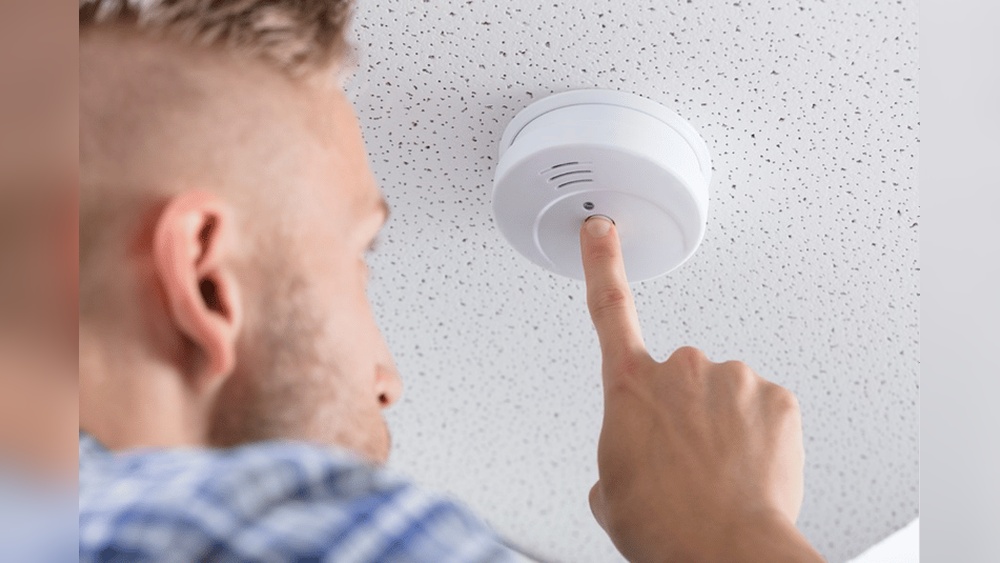
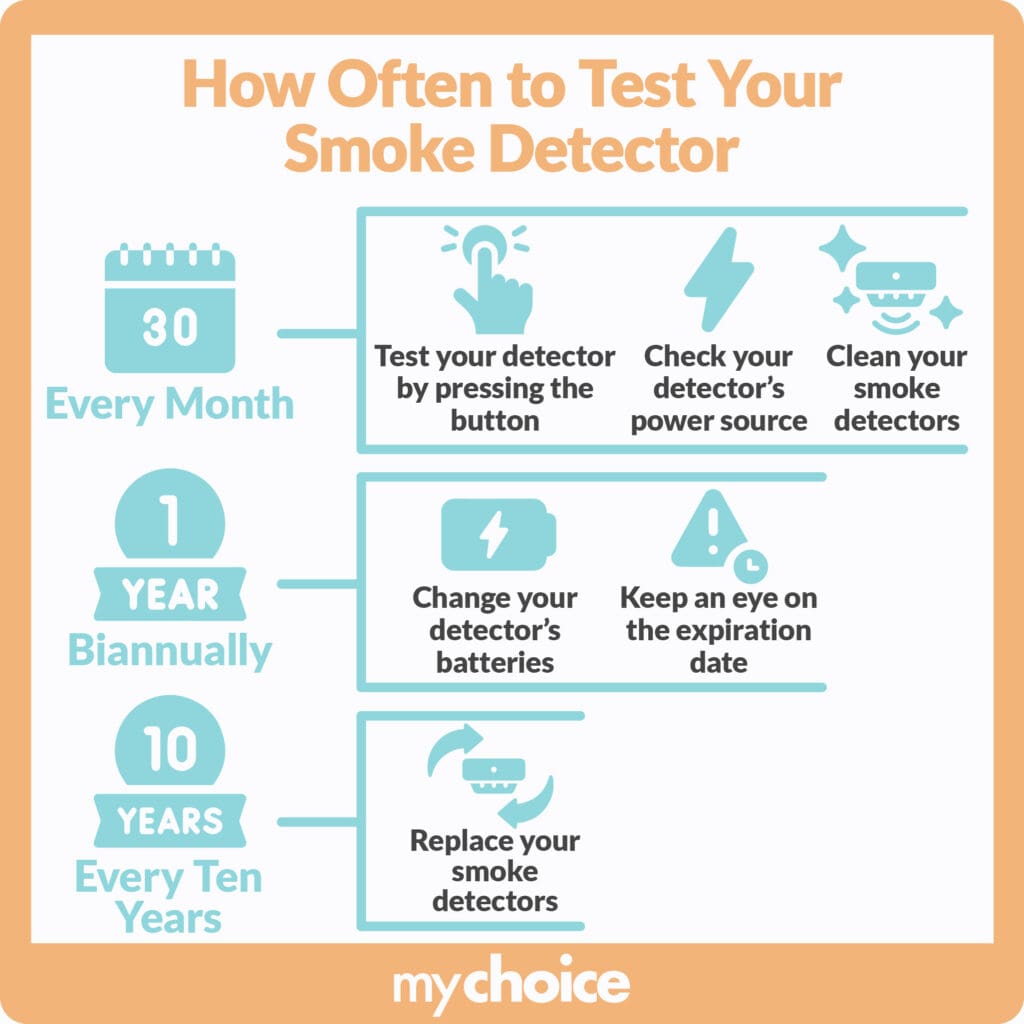
Press the test button on your smoke detector each month. Hold it until the alarm sounds loud. This confirms the battery and alarm work well. If no sound occurs, replace the battery or the unit. Monthly tests catch problems early before emergencies happen.
Annual Maintenance Steps
Once a year, clean your smoke detectors carefully. Use a vacuum or soft brush to remove dust. Dust can stop sensors from detecting smoke. Replace batteries yearly, even if alarms seem fine. Test the alarm again after cleaning and battery change. Annual care keeps your smoke detectors reliable and ready.
Battery Replacement Tips
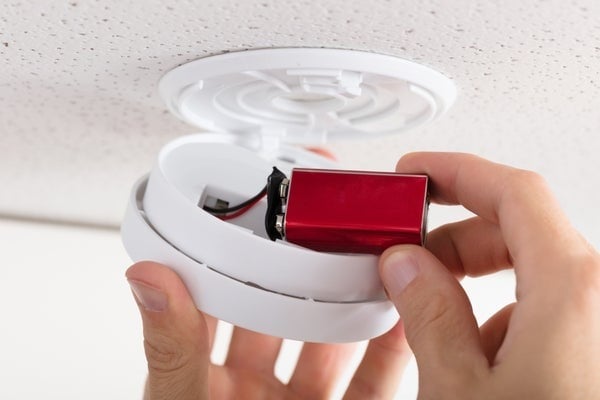
Battery replacement is key to keeping smoke detectors working well. Old or weak batteries can fail during an emergency. Regular checks and timely changes save lives.
Knowing when and how to replace batteries ensures your smoke detector stays reliable. Follow simple tips to keep your home safe.
When To Replace Batteries
Change batteries at least once a year. Some experts say twice a year is better. Replace batteries immediately if the alarm beeps.
Beeping means the battery is low. Do not ignore this sound. It warns that your smoke detector might stop working soon.
Choosing The Right Battery Type
Use the battery type recommended by the smoke detector manufacturer. Check the user manual or label on the device.
Common battery types are AA, AAA, or 9-volt. Using the wrong battery can cause malfunctions or shorter life.
Buy good quality batteries for longer use. Avoid old or damaged batteries. Always keep spare batteries at home.
Signs Of A Faulty Smoke Detector
Smoke detectors keep your home safe by warning you about fires. Knowing the signs of a faulty smoke detector is important. Faulty alarms may not alert you in time, putting lives at risk. Checking for problems helps you act fast and stay secure.
Unusual Beeping Patterns
Smoke detectors often beep to signal issues. A single beep every minute usually means low battery. But strange beeping, like rapid or random sounds, can show other problems. These patterns may indicate sensor failure or wiring issues. Ignoring odd beeps can lead to a silent alarm during fire.
Physical Damage Indicators
Look for cracks, dents, or discoloration on the detector. Dust, dirt, or insect buildup inside can block sensors. A damaged casing or loose parts can stop the device from working. Check the detector’s test button for proper function. Physical damage often means replacement is needed.
Enhancing Home Fire Safety
Enhancing home fire safety starts with reliable smoke detectors. They save lives by giving early warnings. Checking them regularly keeps your family safe. Knowing how often to test and maintain them prevents risks.
Installing more detectors improves coverage in every room. Connecting detectors to home security systems adds extra protection. This way, your home stays safer day and night.
Installing Multiple Detectors
Place smoke detectors in key areas. Bedrooms, hallways, and the kitchen are critical spots. Multiple detectors cover blind spots and alert quickly. Each detector increases the chance of early detection. Testing all units often ensures they work properly. Replace batteries every six months for best results.
Integrating With Home Security Systems
Linking smoke detectors with home security systems boosts safety. The system can notify you instantly on your phone. This is vital if you are away from home. Integration allows faster emergency response from fire services. Check system alerts and test connections regularly. This keeps the whole system reliable and ready.
Credit: www.mychoice.ca
Legal And Insurance Considerations
Checking smoke detectors is not just about safety. Laws and insurance rules also play a big role. Understanding these helps protect your home and saves money. Regular checks can keep you legal and insured.
Local Safety Regulations
Many places have rules about smoke detectors. These rules say how often you must test them. Some areas require monthly or yearly checks. Following these rules keeps your home safe and legal. Ignoring rules can lead to fines or penalties.
Impact On Home Insurance
Insurance companies want proof that your smoke detectors work. They may require regular testing records. Working detectors can lower insurance costs. Broken or missing detectors might cause claim denial. Regular checks help keep your insurance valid and affordable.
Credit: www.ahs.com
Frequently Asked Questions
How Often Should I Test My Smoke Detectors?
You should test your smoke detectors once a month. Regular testing ensures they work properly and can alert you in case of fire.
When Should I Replace Smoke Detector Batteries?
Replace batteries at least once a year or when the low battery warning beeps. This keeps your detector fully functional.
How Frequently Should Smoke Detectors Be Replaced?
Smoke detectors should be replaced every 10 years. Over time, sensors can degrade, reducing effectiveness in detecting smoke.
Can I Clean Smoke Detectors Myself?
Yes, clean smoke detectors every six months using a vacuum or soft brush. This removes dust and prevents false alarms.
Conclusion
Checking smoke detectors regularly keeps your home safe. Test them once a month to ensure they work well. Change batteries at least once a year, or when needed. Replace old detectors every 10 years for best protection. Small steps like these can save lives.
Don’t wait for a problem—stay prepared today. Safety starts with simple, regular checks. Keep your family and home protected always.