
Have you ever been kept awake at night by that annoying beep from your smoke detector? You might wonder, how long will a low battery smoke detector beep before it finally stops?
That constant sound can be frustrating, but it’s also your smoke detector’s way of keeping you safe. You’ll discover exactly how long that beep lasts, why it happens, and what you should do to fix it quickly. Keep reading to learn how to silence that beep for good and keep your home protected.

Credit: waynealarm.com
Why Smoke Detectors Beep
Smoke detectors beep to alert you about important safety issues. Their beeping sound warns you before any danger becomes serious. This early alert helps protect your home and family. Understanding why your smoke detector beeps can help you act quickly.
Battery Low Warning
One common reason for beeping is a low battery. Smoke detectors need power to work well. When the battery runs low, the alarm beeps to tell you to change it. The beep usually sounds every 30 to 60 seconds. This warning can last for several days. Ignoring it can cause the smoke detector to stop working.
Other Common Causes
Beeping can also happen for other reasons. Dust or dirt inside the alarm can trigger false alerts. A loose connection or wiring problem might cause beeps too. Sometimes, the smoke detector reaches its life limit and needs replacement. Humidity or steam can also make the alarm beep. Knowing these causes helps you fix the problem fast.
Typical Beep Duration
Knowing how long a low battery smoke detector will beep helps you act quickly. The beep warns you that the battery is weak and needs changing. Usually, the sound is short and repeats at intervals. The timing helps balance alerting you without causing too much disturbance. Understanding typical beep duration keeps your home safe and your mind at ease.
Standard Alarm Behavior
Most smoke detectors beep once every 30 to 60 seconds. Each beep lasts about one second. This pattern repeats until you replace the battery. The short beep is loud enough to catch attention. It avoids constant noise, which can be stressful. This simple signal is a clear sign to check your device.
Variations By Brand And Model
Some brands use different beep patterns. The length and pause between beeps may change. Some models beep faster or slower than others. Certain alarms might use a chirp instead of a beep. Always check your smoke detector’s manual for exact details. Knowing your model helps you recognize its signals better.
How Often Does The Beep Occur
The low battery beep of a smoke detector does not sound randomly. It follows a pattern to alert you clearly. Understanding how often the beep occurs helps you know when to replace the battery. This section explains the typical beep intervals and what affects their frequency.
Beep Intervals Explained
Most smoke detectors beep once every 30 to 60 seconds when the battery is low. This regular beep repeats until you change the battery or the alarm stops working. The beep is short and loud enough to catch your attention.
The time gap between beeps is designed to avoid constant noise. It gives you breaks but keeps reminding you of the low battery.
Factors Affecting Frequency
The beep frequency can change due to several factors. Some smoke detectors beep faster if the battery is very weak. Others slow down the beep as the battery drains gradually.
Environmental conditions like temperature and humidity also affect beep timing. Older smoke detectors might beep at irregular intervals. Newer models have more consistent beep patterns.
What To Do When It Beeps
A beeping smoke detector can cause worry and confusion. The sound means the battery is low or the alarm needs attention. Acting quickly keeps your home safe. Follow these easy steps to stop the beeping and ensure your detector works well.
Replacing The Battery
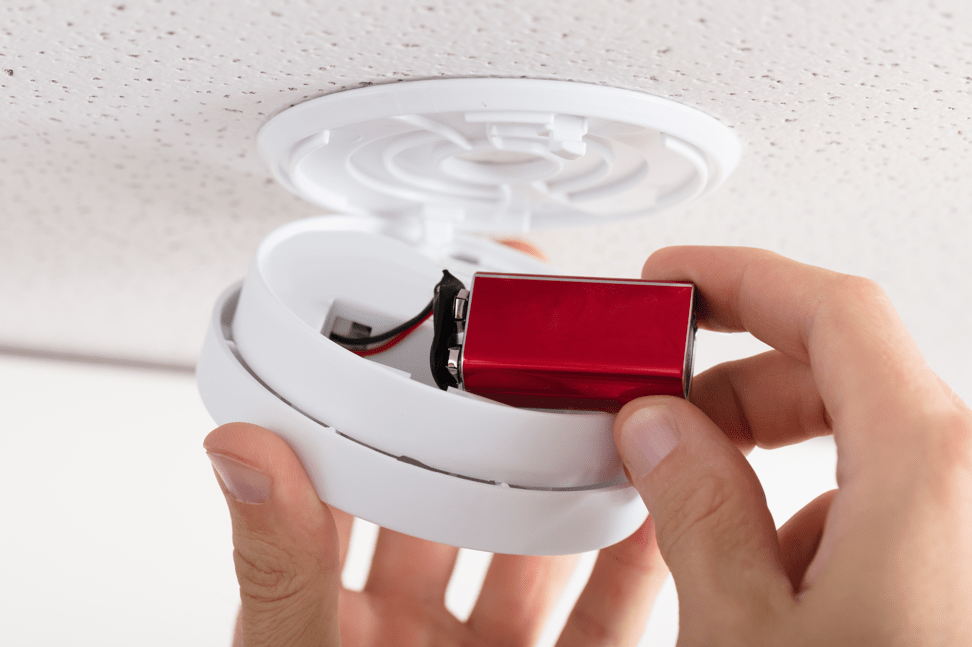
First, get the right battery for your smoke detector. Most alarms use 9-volt or AA batteries. Open the battery compartment carefully. Remove the old battery and put in the new one. Check the battery fits well and close the compartment. The beeping should stop soon after replacement.
Test the alarm by pressing the test button. A loud beep means the battery works. Replace batteries once a year to avoid surprises. Keep spare batteries in your home for quick changes.
Resetting The Alarm
Sometimes the alarm needs a reset after battery replacement. Press and hold the test button for 15-20 seconds. This clears any errors and stops false alarms. If the alarm keeps beeping, try removing the battery for a few minutes. Then, put the battery back and test again.
Resetting helps the detector work properly. It also stops annoying beeps that can cause stress. Regular maintenance keeps your smoke detector ready to protect your family.
Signs Your Smoke Detector Needs Replacement
Knowing when to replace your smoke detector is important for home safety. Smoke detectors do not last forever. Over time, their sensors wear out. This can cause false alarms or no alarms at all. Watch for signs that your smoke detector needs replacement. These signs help keep your home safe and sound.
Age Of The Device
Most smoke detectors last about 8 to 10 years. Check the manufacture date on the back. If your device is older than 10 years, it may not work well. Older detectors might fail to detect smoke quickly. Replacing old devices ensures reliable fire protection.
Persistent Beeping Issues
Low battery beeping is normal, but constant beeping is not. If your smoke detector keeps beeping after changing batteries, it may be faulty. Persistent beeping can also mean sensor problems. A smoke detector that won’t stop beeping needs replacement. This prevents annoying sounds and ensures proper function.
Credit: expresselectricalservices.com
Preventing False Alarms And Beeps
False alarms and random beeps from smoke detectors can be frustrating. They disturb your peace and may cause you to ignore real warnings. Preventing these false signals helps keep your home safe and peaceful.
Simple steps can reduce unwanted beeping. These steps keep your smoke detector reliable and ready for emergencies.
Regular Maintenance Tips
Check your smoke detector every month. Dust and dirt can cause false alarms. Use a vacuum or soft cloth to clean the device gently. Replace your smoke detector every 10 years for best performance. Test the alarm by pressing the test button once a month. This ensures it works correctly. Change batteries at least once a year, even if it hasn’t beeped. Keep the detector away from kitchens or bathrooms to avoid steam or smoke triggers.
Battery Choices And Lifespan
Use high-quality batteries for longer life. Alkaline batteries last longer than zinc-carbon types. Lithium batteries can last up to 10 years in some models. Avoid cheap batteries that lose power quickly. Replace batteries immediately after a low-battery beep. Some smoke detectors have sealed batteries that last the device’s lifetime. Know your detector type and follow its battery instructions. Proper batteries reduce false alarms and keep your home safe.

Credit: waynealarm.com
Frequently Asked Questions
How Long Does A Low Battery Smoke Detector Beep?
A low battery smoke detector usually beeps intermittently for up to 30 days. This alerts you to replace the battery promptly to ensure safety.
Why Does My Smoke Detector Beep Even After Battery Change?
Continuous beeping after battery change may indicate a faulty detector, poor battery contact, or dust buildup. Clean and reset the unit or replace it if needed.
Can A Low Battery Beep Damage The Smoke Detector?
No, the low battery beep itself does not damage the detector. However, ignoring it risks detector failure during emergencies, compromising your safety.
How Often Should I Replace Smoke Detector Batteries?
Replace smoke detector batteries at least once a year or when the low battery alert sounds. Regular replacement ensures reliable operation and safety.
Conclusion
A low battery smoke detector usually beeps for about 30 days. This sound warns you to change the battery soon. Don’t ignore the beep; it keeps your home safe. Replace batteries regularly to avoid sudden alarms. A working smoke detector can save lives.
Stay alert and maintain your devices well. Safety starts with small actions every day. Keep your home protected and worry-free.