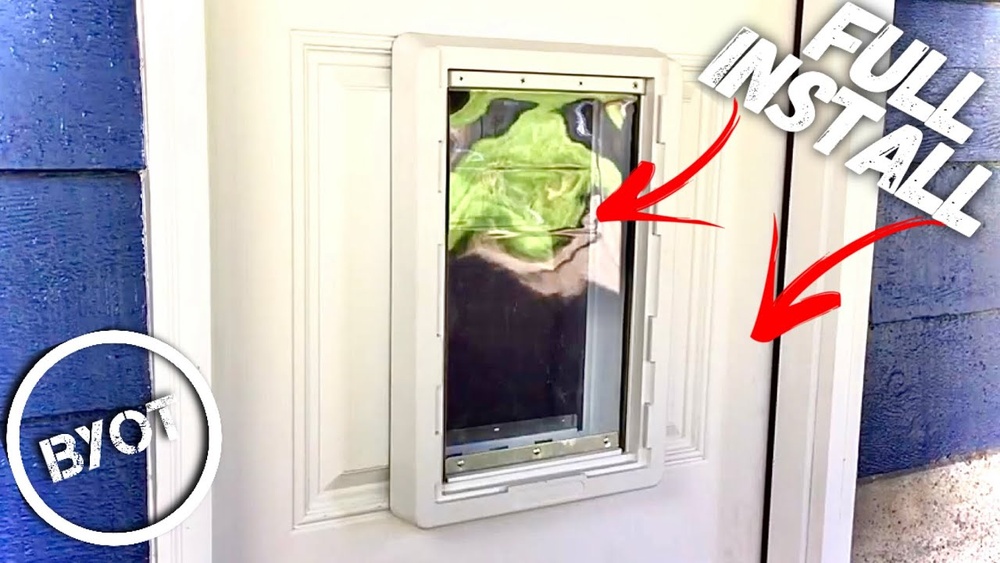

Are you tired of constantly opening your steel door to let your pet in and out? Installing a pet door in your steel door can give your furry friend the freedom they deserve, while making your life easier.
But you might be wondering, “Is it even possible to install a pet door in a steel door? ” The answer is yes—and it’s simpler than you think. In this guide, you’ll discover clear, step-by-step instructions that anyone can follow.
By the end, you’ll have a safe, functional pet door that blends seamlessly with your steel door. Keep reading to unlock the secret to hassle-free pet access and a happier home.
Choosing The Right Pet Door
Choosing the right pet door for your steel door is important. It makes sure your pet can go in and out easily. The pet door must fit your pet and the door material. It should also keep your home safe.
Sizing Your Pet
Measure your pet’s height and width. Add a few inches for easy movement. A door too small will trap your pet. Too big lets in cold air and bugs. Pick a size that matches your pet’s size.
Material Compatibility
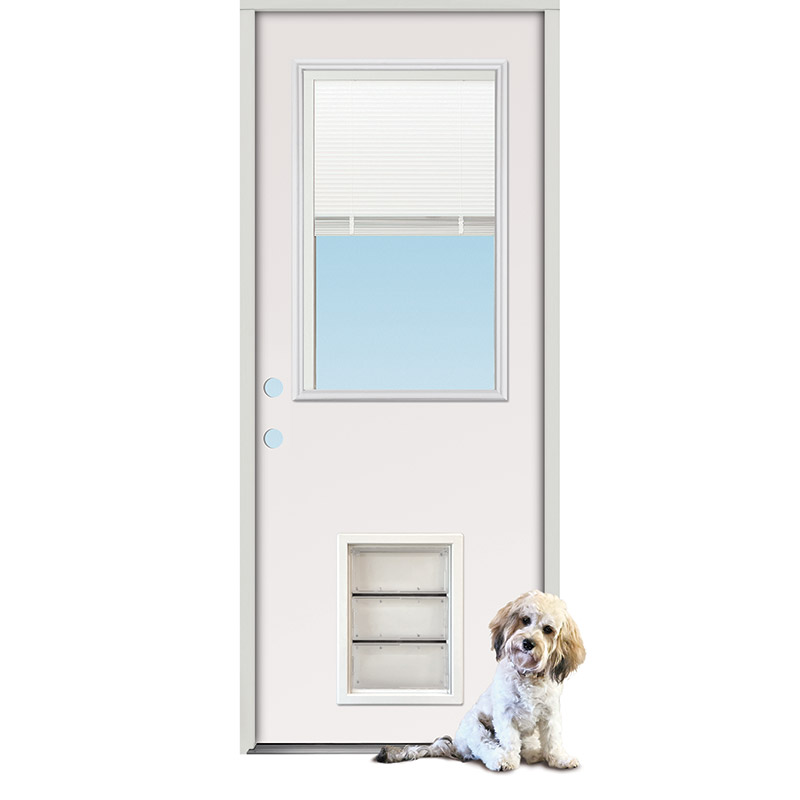
Steel doors need strong pet doors. Look for metal or heavy-duty plastic frames. They fit well and last long. Avoid flimsy doors that might break. The pet door should attach firmly to steel without damage.
Security Features
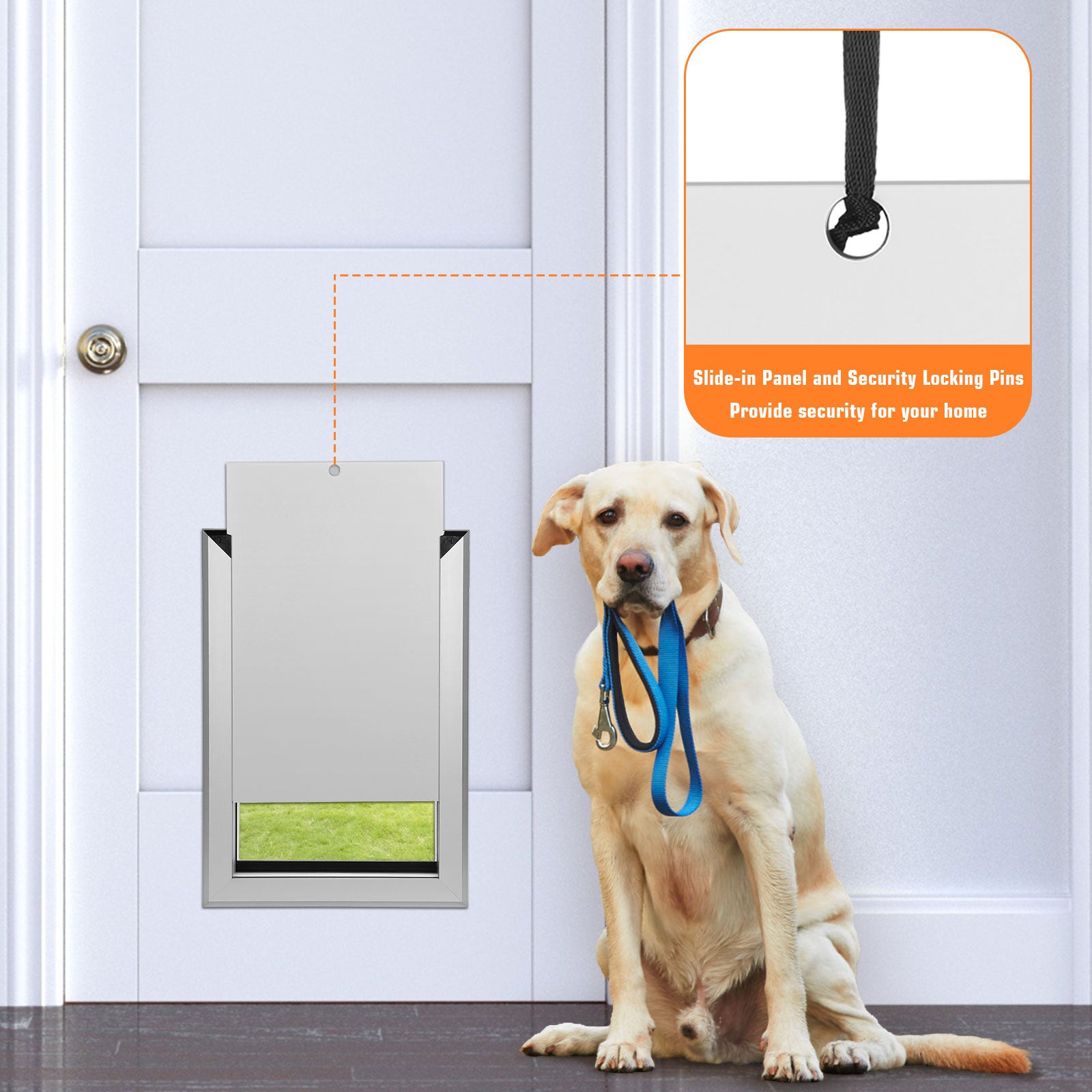
Choose a pet door with locks or flaps. This stops unwanted animals from entering. Some pet doors have electronic locks for your pet only. Check for weather seals to keep cold air out. Security keeps your home safe and cozy.
Credit: nefrologiadelbritanico.com.ar
Tools And Materials Needed
Installing a pet door in a steel door requires the right tools and materials. Having them ready makes the job easier and safer. It helps to avoid mistakes and saves time. Below are the essential tools and materials needed for this task.
Measuring Tools
Start with accurate measuring tools to mark the door. A tape measure is best for length and width. A ruler or straight edge helps draw straight lines. Use a pencil or marker to mark cut areas clearly.
Cutting Equipment
Cutting through steel needs strong tools. A jigsaw with a metal-cutting blade works well. A drill is necessary to create starter holes. Safety gear like gloves and goggles protects your hands and eyes. A file or sandpaper smooths sharp edges after cutting.
Installation Hardware
Most pet doors come with screws and mounting brackets. Keep a screwdriver or power drill ready for installation. Weather stripping or sealant helps keep the door airtight. Check the package for all required hardware before starting.
Preparing The Steel Door
Preparing your steel door before installing a pet door is important for a smooth process. This step ensures the pet door fits perfectly and works well. Careful preparation also keeps your door safe from damage. Follow these steps to get your steel door ready.
Marking The Cut Area
First, measure the pet door size carefully. Use a pencil to mark the exact spot on the door. Check the height and position for your pet’s comfort. Draw clear lines to guide your cutting. Double-check the measurements to avoid mistakes.
Safety Precautions
Wear safety glasses to protect your eyes. Use gloves to keep your hands safe from sharp edges. Work in a well-lit area to see clearly. Keep children and pets away from the workspace. Make sure your tools are in good condition before starting.
Removing Door Hardware
Remove any locks, handles, or hinges near the cut area. This clears space and prevents damage to the hardware. Use a screwdriver to carefully take off screws. Keep all hardware in a safe place for reinstallation. This step helps you work smoothly on the steel door.
Credit: nefrologiadelbritanico.com.ar
Cutting The Opening
Cutting the opening in a steel door requires care and precision. This step is important for fitting the pet door perfectly. Using the right tools and techniques makes the job easier and safer. Follow these steps to create a clean, accurate opening for your pet door.
Drilling Starter Holes
Begin by marking the pet door size on the steel door. Use a drill with a metal drill bit to make starter holes at each corner of the outline. These holes allow the jigsaw or grinder blade to enter easily. Ensure the holes are big enough for your cutting tool blade.
Using A Jigsaw Or Grinder
Insert the jigsaw or grinder blade into a starter hole. Cut along the marked lines slowly and steadily. Keep the tool straight to avoid uneven edges. Take breaks if the tool heats up. This helps prevent damage to the steel and tool.
Smoothing The Edges
After cutting, rough edges can be sharp and dangerous. Use a metal file or sandpaper to smooth the edges carefully. This step protects your pet and door frame from injury and damage. Wipe away metal dust before installing the pet door.
Installing The Pet Door
Installing a pet door in a steel door takes careful steps. The process ensures a safe, clean fit that your pet will use easily. Follow clear steps to place, secure, and seal the door. This will protect your home and keep your pet happy.
Positioning The Frame
Start by choosing the right height for your pet. Mark the steel door with a pencil or tape. Use the pet door frame as a guide for cutting. Double-check the measurements. The frame must fit perfectly for the door to work well.
Securing With Screws
Align the pet door frame with the cut-out space. Use a drill to make pilot holes in the steel. This prevents the metal from bending. Insert screws into the holes. Tighten each screw evenly to hold the frame firmly.
Sealing And Insulating
Apply weatherproof sealant around the pet door edges. This stops air and water leaks. Use foam insulation inside the frame if possible. It keeps your home energy-efficient. Check the seal for any gaps and fill them well.
Testing And Adjustments
After installing the pet door in your steel door, testing and adjustments are key. This step ensures the door works smoothly and your pet can use it safely. Proper testing helps avoid future problems like door jamming or poor locking.
Take your time during this process. Small tweaks now save big headaches later. Let’s explore the main checks and adjustments you need to make.
Checking Door Swing
Open and close the pet door several times. Watch for any sticking or resistance. The flap should swing freely without catching on the frame. If it does, inspect the edges and hinges for obstructions. Adjust the flap or sand rough spots to improve movement. A smooth swing helps your pet enter and exit easily.
Ensuring Proper Locking
Test the locking mechanism carefully. Make sure it closes securely and cannot be pushed open by your pet. Try locking and unlocking the door a few times to confirm it works well. A strong lock keeps your home safe and controls pet access. Tighten screws or realign parts if the lock feels loose or tricky to use.
Adjusting Flap Alignment
Look closely at the flap’s position when closed. It should sit evenly and cover the opening completely. Misalignment lets air in and can confuse your pet. Loosen screws slightly to move the flap up, down, or sideways. Check the alignment again after each adjustment. Perfect fit keeps your door weatherproof and comfortable for your pet.
Maintenance Tips
Maintaining your pet door in a steel door is key to its long life. Regular care keeps it working smoothly. It also protects your home from weather and pests. Follow simple steps to keep your pet door in top shape.
Cleaning The Flap
Start by wiping the flap with a damp cloth. Dirt and dust can block the flap from moving. Use mild soap if the flap is very dirty. Rinse and dry it well to avoid damage. Clean the flap every two weeks for best results.
Inspecting For Wear
Check the flap and frame for cracks or tears. Look for loose screws or parts that wobble. Fix small problems early to avoid bigger repairs. Test the flap by pushing it gently to see if it moves freely. Inspect your pet door once a month.
Weatherproofing
Seal edges around the pet door to stop drafts. Use weatherstripping or silicone sealant for a tight fit. Check seals each season for cracks or gaps. Replace worn weatherproof materials quickly. Proper sealing saves energy and keeps pets safe.

Credit: darsalud.com.ve
Frequently Asked Questions
What Tools Do I Need To Install A Pet Door In Steel Door?
You need a drill, jigsaw, measuring tape, screwdriver, and safety gear. These tools help create precise cuts and secure the pet door properly.
How Do I Measure The Steel Door For A Pet Door?
Measure your pet’s height and width at the door level. Mark the steel door accordingly for accurate pet door placement and size.
Can I Install A Pet Door On A Steel Door Myself?
Yes, with basic DIY skills and proper tools, you can install it. Follow manufacturer instructions carefully to avoid damaging the door or pet door.
How Do I Cut Through A Steel Door Safely?
Use a drill and metal cutting jigsaw blade. Wear protective gloves and goggles to ensure safety during cutting.
Conclusion
Installing a pet door in a steel door is easier than it seems. Careful measuring and proper tools make the job smooth. Take your time cutting and fitting the door to avoid mistakes. A well-installed pet door lets your pet go outside safely.
Enjoy the freedom it gives both you and your pet. Remember, patience and attention to detail bring the best results. Now, your pet can come and go without help. Simple steps can make a big difference at home.