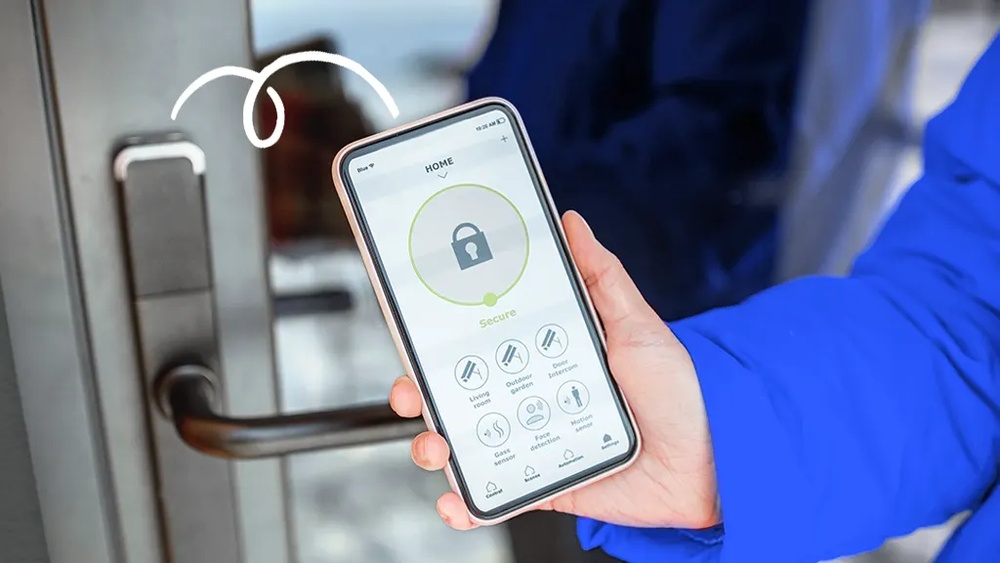

You want to keep your home safe, and smart door locks promise just that. But how safe are they really?
Before you trust your front door to technology, it’s important to know the risks and benefits. You’ll discover what makes smart locks secure, where they might fall short, and how you can protect your home better. Keep reading to find out if a smart door lock is the right choice for your safety.
Smart Lock Technology
Smart lock technology changes how people secure their homes. It uses electronic systems instead of traditional keys. This technology offers convenience and new ways to control access. Many smart locks connect to smartphones or home networks. This allows users to lock or unlock doors remotely. They often include extra features like activity logs or temporary codes.
Types Of Smart Locks
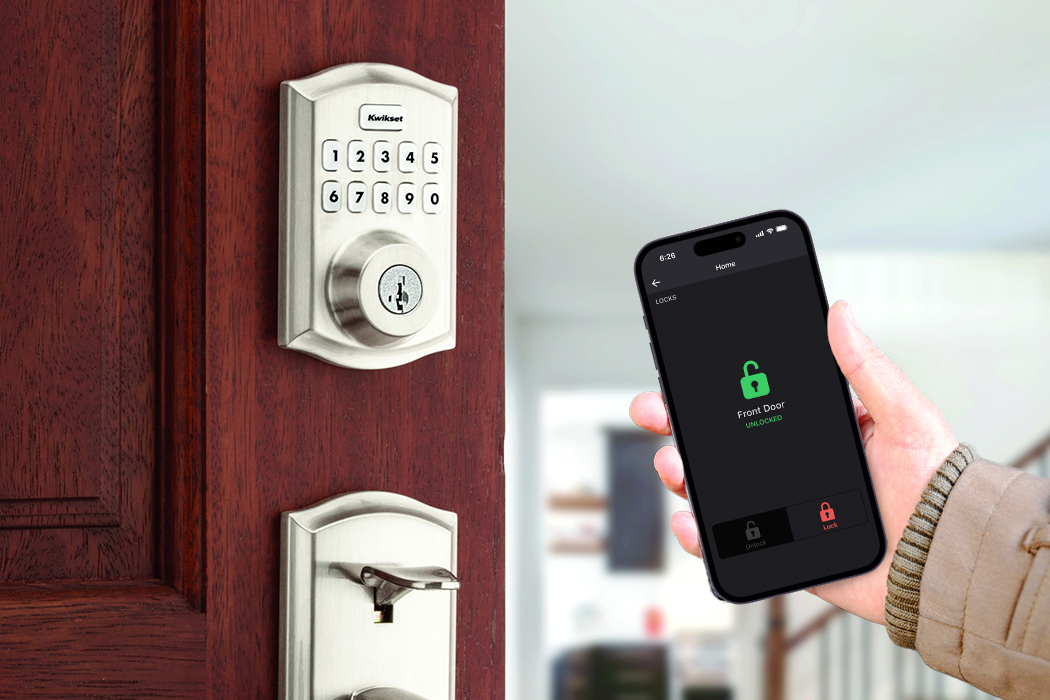
There are several types of smart locks to fit different needs. Keypad locks require a numeric code for entry. Bluetooth locks work through a phone’s Bluetooth connection. Wi-Fi locks connect to the internet for remote control. Some smart locks combine these methods for added security. Each type offers unique benefits and security levels.
How Smart Locks Work
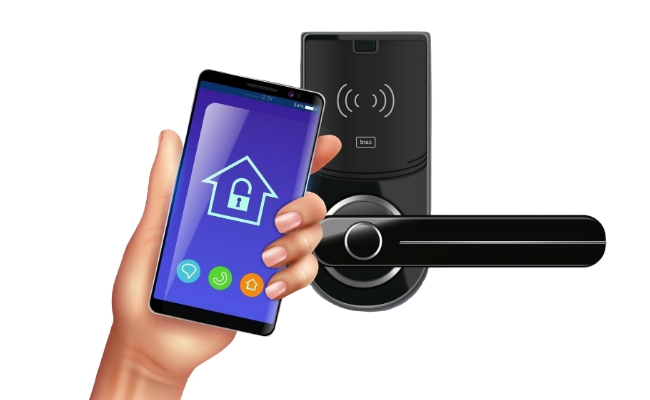
Smart locks use electronic signals to lock and unlock doors. Users send commands through apps or keypads. The lock receives the command and triggers the mechanism inside. Sensors check if the door is closed before locking. Many locks also use encryption to protect communication. This prevents unauthorized access and keeps homes safer.
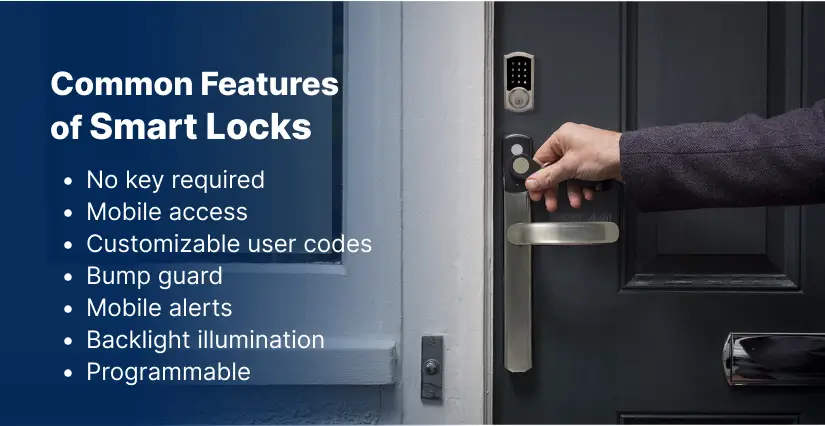
Credit: www.cornerstoneprotection.com
Security Features
Smart door locks offer several security features to protect your home. These features help keep your entry points safe. They use advanced technology to prevent unauthorized access. Let’s explore the key security features in smart locks.
Encryption Methods
Smart locks use strong encryption to protect data. Encryption scrambles the information sent between your phone and the lock. This makes it hard for hackers to intercept or steal your access codes. Most smart locks use AES 128-bit or 256-bit encryption. These are trusted standards in data security. Encryption ensures that only authorized devices communicate with the lock.
Biometric Options
Biometric options add an extra layer of security. These locks use fingerprints or facial recognition to verify identity. Fingerprint sensors read unique patterns on your finger. Facial recognition analyzes your facial features for access. Biometrics reduce the risk of lost or stolen keys. They offer quick and secure entry without codes or cards.
Two-factor Authentication
Two-factor authentication (2FA) improves security by requiring two forms of ID. This often combines a password with a code sent to your phone. Some smart locks ask for a fingerprint plus a PIN. 2FA makes it harder for intruders to break in. Even if a password is stolen, the second step blocks access.
Potential Vulnerabilities
Smart door locks offer great convenience but have some risks. Knowing these risks helps you stay safe. These locks use technology, which can sometimes fail or be tricked. Understanding these weak points is important for security.
Hacking Risks
Smart locks connect to the internet or apps. Hackers can try to break into these systems. They use methods like guessing passwords or exploiting software bugs. Some smart locks lack strong encryption. This makes it easier for hackers to access them. Always update your lock’s software to fix security holes.
Physical Tampering
Smart locks can be attacked physically. Thieves may try to pick the lock or damage it. Some models have weak parts that break easily. A strong, well-built lock reduces these risks. Look for locks with solid materials and good design. Physical security matters as much as digital protection.
Battery And Power Issues
Smart locks rely on batteries to work. If the battery dies, the lock may stop working. This can lock you out or leave your home unprotected. Some locks give low battery warnings or have backup keys. Regularly check and replace batteries to avoid problems. Power issues are a simple but common risk.
Comparing Smart And Traditional Locks
Smart door locks and traditional locks protect homes in different ways. Both have features that suit different needs. Understanding their strengths and weaknesses helps in choosing the right one for your security.
Smart locks use technology for access control. Traditional locks rely on physical keys. Each offers a unique balance of safety and ease of use.
Strengths And Weaknesses
Traditional locks are simple and reliable. They do not need batteries or internet. They work even during power failures.
Smart locks provide keyless entry and remote control. They allow temporary access to guests. But, they depend on power and technology. This can cause issues if the battery dies or the system malfunctions.
Physical locks can be picked or copied. Smart locks face risks from hacking or software bugs. Both need proper maintenance for best security.
Convenience Vs Security
Traditional locks score high on security with fewer failure points. Using a key is straightforward but can be lost or stolen.
Smart locks offer great convenience. You can unlock doors from a phone or set codes. This reduces the need for physical keys. Yet, convenience may come with risks like cyber threats.
Choosing depends on personal preference. Some prefer simple security. Others value easy access and control from anywhere.
Real-world Security Incidents
Smart door locks offer convenience and modern security features. Yet, real-world incidents show they are not completely safe. Understanding these incidents helps users make better decisions about their home security.
Reported Breaches
Several cases reveal how smart locks can be breached. Some hackers used wireless signals to unlock doors remotely. Others exploited software bugs to bypass security checks. Physical attacks, like lock picking, also remain a threat. These breaches show that no system is foolproof.
Lessons Learned
Each breach teaches important security lessons. Regular software updates are essential to fix vulnerabilities. Strong passwords and two-factor authentication add extra protection. Users should avoid default settings and monitor lock activity often. Combining smart locks with traditional security measures improves overall safety.
Credit: reolink.com
Best Practices For Safety
Smart door locks offer great convenience but need careful handling to stay secure. Following best safety practices helps protect your home and data. Simple steps can reduce risks and keep your smart lock working well.
Regular Updates
Keep your smart lock’s software up to date. Manufacturers release updates to fix security problems. Install updates as soon as they are available. This helps stop hackers from exploiting old weaknesses. Check your lock’s app or website often for updates.
Strong Passwords And Codes
Use strong, unique passwords for your lock’s app and accounts. Avoid easy codes like “1234” or “0000.” Combine numbers, letters, and symbols if possible. Change your passwords regularly to keep them safe. Share codes only with trusted people.
Secure Installation Tips
Install your smart lock properly to avoid physical tampering. Follow the manufacturer’s instructions step-by-step. Place the lock where it is not easily seen from outside. Use additional security measures like reinforced doors and cameras. Consider professional help for installation if unsure.
Future Of Smart Lock Security
The future of smart lock security is bright and full of promise. New advances aim to make these locks safer and easier to use. Technology is evolving to protect homes better against break-ins and hacking attempts.
Smart locks will soon include more advanced features. These features focus on stronger protection and better user experience. The goal is to build trust and provide peace of mind for users worldwide.
Emerging Technologies
Biometric systems like fingerprint and facial recognition are improving. These systems offer a higher level of security than traditional keys. AI-powered locks learn user habits to detect unusual activity fast. Blockchain technology helps secure data and prevent hacking. Wireless communication is becoming more encrypted to stop interception.
Improving User Trust
Manufacturers focus on making smart locks simple and reliable. Regular software updates fix security flaws and add new protections. Clear privacy policies show users how their data is handled. Multi-factor authentication adds an extra layer of security. Customer support and transparency build confidence in these devices.
Credit: brinkshome.com
Frequently Asked Questions
Are Smart Door Locks More Secure Than Traditional Locks?
Smart door locks offer enhanced security with features like encryption and remote access. However, they depend on software updates and strong passwords. Traditional locks are less vulnerable to hacking but can be picked. Combining both types can maximize home security effectively.
Can Smart Door Locks Be Hacked Easily?
Smart locks can be hacked if weak passwords or outdated software are used. Regular updates and strong authentication reduce risks significantly. Most smart locks use encryption, making unauthorized access difficult. Proper user practices are essential to maintain their security.
What Happens If Smart Door Lock Loses Power?
Most smart locks have backup batteries or mechanical keys for power loss situations. This ensures you can still access your home during outages. Regular battery checks and replacements help avoid lockouts. Always check your lock’s power backup features before installation.
Are Smart Door Locks Compatible With Home Security Systems?
Yes, many smart door locks integrate seamlessly with home security systems. They enable remote monitoring and control via apps. Integration enhances overall security by providing alerts and automation. Check compatibility with your existing system before purchasing a smart lock.
Conclusion
Smart door locks offer good security but are not perfect. They protect your home better than traditional locks in many ways. Still, risks like hacking or power failures exist. Regular updates and strong passwords improve safety a lot. Choose locks from trusted brands with good reviews.
Always stay aware of new security tips. Smart locks can give peace of mind when used wisely. Balance convenience with caution for the best protection. Safety depends on how you use and maintain these devices.