
If you have pets, you know how important it is to keep them safe around the house—especially near stairs. You might worry about your furry friend falling or getting hurt.
That’s where a pet gate for stairs comes in. But buying one can be expensive or might not fit your space perfectly. What if you could make your own pet gate that fits your needs exactly? In this guide, you’ll learn simple steps to create a sturdy, effective pet gate for your stairs.
By the end, you’ll have the confidence and know-how to protect your pet while adding a personal touch to your home. Keep reading to discover how easy and rewarding this project can be!
Choosing The Right Materials
Choosing the right materials is key to making a safe and sturdy pet gate for stairs. The materials affect how long the gate lasts and how well it protects your pet. Good materials keep your pet safe and fit your home style.
Selecting Safe And Durable Wood
Wood is a popular choice for pet gates. It looks natural and fits most home decors. Choose hardwood like oak or maple for strength. Softwood may not hold up well over time. Sand the wood smooth to avoid splinters. Use non-toxic paint or finish to keep your pet safe.
Using Metal And Plastic Options
Metal gates offer strong support and last a long time. Look for powder-coated steel to prevent rust. Some metal gates fold for easy storage. Plastic gates are lightweight and easy to clean. Choose thick, sturdy plastic to avoid breaks. Both materials work well for different needs and spaces.
Tools You Will Need
Basic tools make building your gate easier. Gather a saw for cutting wood or metal. Use a drill to make holes for screws. Screwdrivers help fasten parts together. Sandpaper smooths rough edges. A measuring tape ensures correct gate size. Safety gear like gloves and goggles protect you during work.
Credit: www.shoshitamam.com
Measuring Your Staircase
Measuring your staircase is the first step to making a pet gate that fits well. Accurate measurements ensure the gate is safe and sturdy. Take your time to get the right numbers. This helps avoid mistakes and saves effort later.
Taking Accurate Width And Height Measurements
Start by measuring the width of the stair opening. Use a tape measure and note the distance from one side to the other. Measure at the top, middle, and bottom to check for any differences.
Next, measure the height from the floor to where you want the top of the gate. This is usually just below the handrail or the top step. Keep the tape straight for accuracy.
Considering Staircase Shape And Angles
Not all staircases are straight. Some have curves or corners. Check if your stairs have any bends or angles that affect the gate’s fit.
Measure the angle of the stairs with a protractor or angle finder. This helps to cut and fit the gate properly. Remember to note any uneven steps or walls that may affect installation.
Designing Your Pet Gate
Designing your pet gate is a key step in making sure it works well and looks good. The design should fit your stairs and keep your pet safe. Think about the style, safety, and special needs of your pet.
A well-designed gate can stop pets from falling. It also stops them from going to places they should not.
Simple Gate Styles
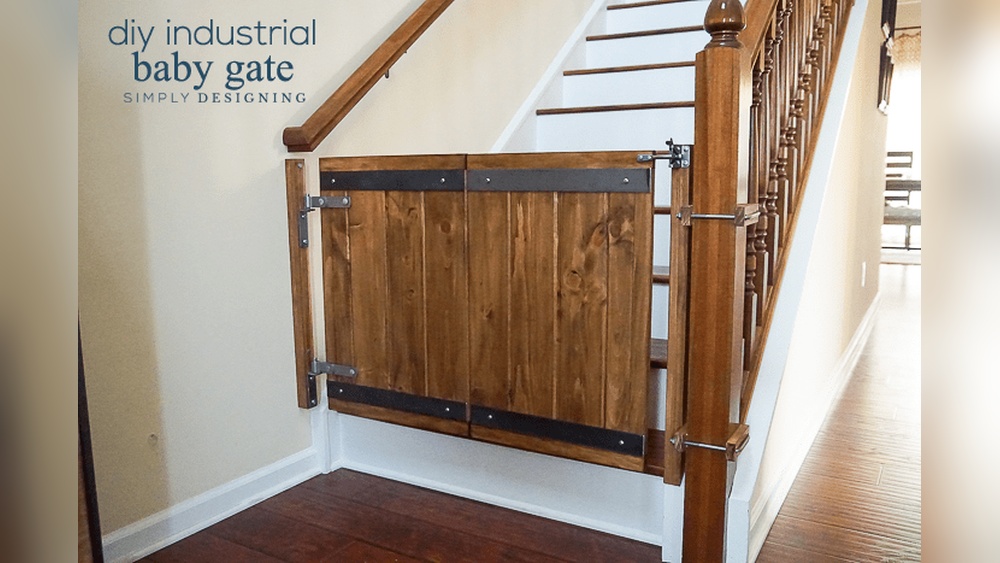
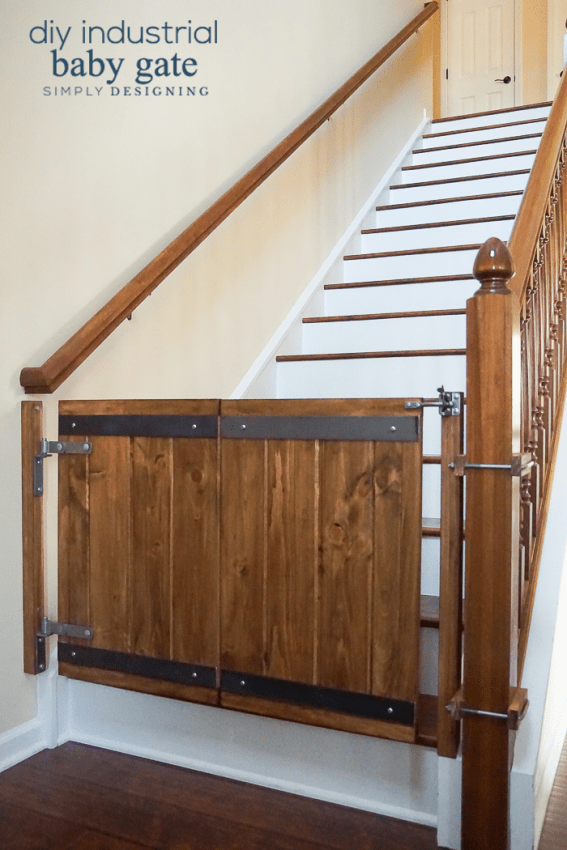
Choose a design that is easy to build and use. A basic wooden frame with vertical slats works well. It lets you see your pet and keeps them inside.
Simple gates are quick to open and close. They fit most stairways and homes easily. Avoid complex shapes that may be hard to make or use.
Incorporating Safety Features
Safety matters most. Use smooth wood or plastic to avoid splinters. Check that all edges are rounded or sanded.
Make sure the gate fits tightly in the stair space. No gaps where small pets can squeeze through. Use a strong latch that children cannot open.
Customizing For Your Pet’s Needs
Think about your pet’s size and behavior. Small pets need smaller bars to stop slipping through. Large pets need a sturdy gate that holds their weight.
If your pet likes to jump, make the gate taller. If your pet is calm, a shorter gate may work. Add padding or soft edges for pets that lean or push hard.
Building The Gate Frame
Building the gate frame is the first key step to make a pet gate for stairs. The frame forms the basic structure. It must be strong and fit the stair width perfectly.
Use wood that is sturdy but easy to work with. Measure the stair opening carefully. Cut the wood pieces to size. Assemble them into a rectangular frame. This frame will hold the gate securely in place.
Cutting And Assembling Wood Pieces
Start by measuring the width and height of the stair opening. Mark these measurements on wooden planks. Use a saw to cut the wood pieces accurately. Cut two vertical pieces for the sides. Cut two horizontal pieces for the top and bottom.
Lay the pieces flat on the floor in a rectangle shape. Check the corners with a square tool to ensure right angles. Adjust the pieces if needed before assembling.
Securing Joints For Stability
Use wood glue on the ends of the horizontal pieces. Join them to the vertical pieces to form the frame. Clamp the pieces together to hold them tight. Drill pilot holes at the joints to avoid splitting.
Insert screws into the pilot holes and tighten them firmly. This will keep the frame stable and strong. Let the glue dry fully before moving to the next step. A solid frame keeps the pet gate safe and durable.
Adding Gate Panels Or Bars
Adding gate panels or bars is an important step in building a pet gate for stairs. These panels help create a strong barrier that keeps your pet safe. They stop your pet from slipping through or climbing over the gate. Choosing the right materials and spacing the bars correctly makes the gate both secure and attractive.
Choosing Panel Materials
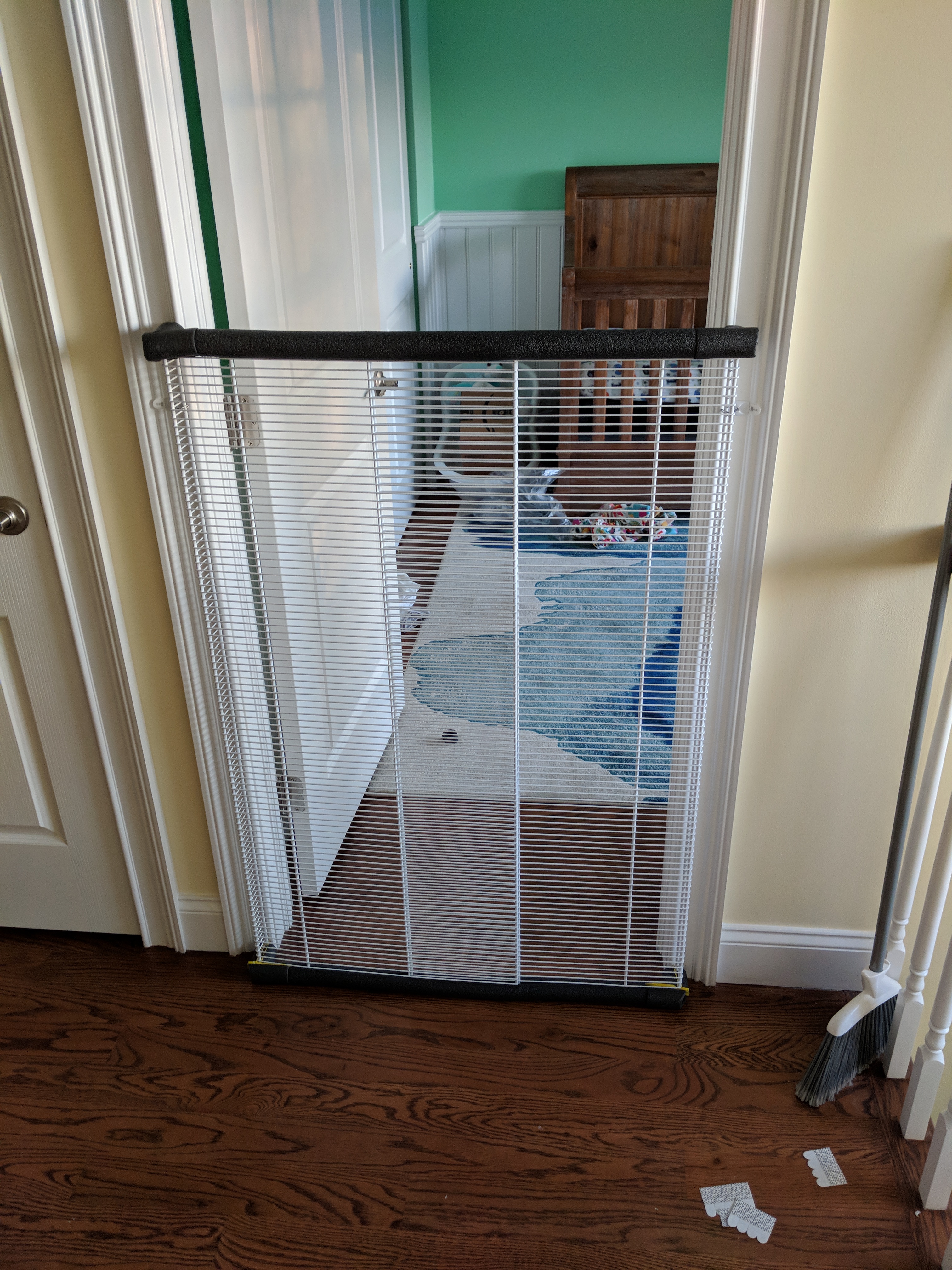
Choose materials that are strong and safe for your pet. Wood is a popular choice because it is sturdy and easy to work with. Metal bars offer durability and a modern look. Plastic panels can also work but must be tough enough to resist chewing. Avoid sharp edges or splinters. Smooth surfaces protect your pet from injuries.
Spacing Bars For Safety
Space the bars close enough to keep your pet from squeezing through. Small pets need narrower gaps, about 2 to 3 inches apart. Larger pets can have wider spaces but keep gaps under 4 inches. Proper spacing stops your pet’s head or body from getting stuck. It also prevents accidents and keeps children safe around the gate.

Credit: www.youtube.com
Installing The Gate
Installing the pet gate is a key step to keep your pet safe on the stairs. It requires careful attention to make sure the gate fits well and holds securely. A properly installed gate stops pets from falling or wandering into unsafe areas.
Mounting Hinges And Latches
Start by attaching the hinges on one side of the gate frame. Use screws that fit tightly into the wall or banister. Make sure the hinges are straight and aligned for smooth opening and closing.
Next, fix the latch on the opposite side of the gate. The latch should be easy to operate for adults but hard for pets to open. Check that the latch locks firmly to keep the gate closed.
Positioning The Gate On Stairs
Place the gate at the top or bottom of the stairs. It should cover the full width without gaps. Ensure the gate does not block the handrail or create a tripping hazard.
Adjust the gate so it stands straight and tight against the wall or banister. Use spacers if needed to fill any uneven areas. A well-positioned gate offers maximum safety.
Testing Gate Security
Push and pull the gate to check its stability. It should not wobble or move out of place. Open and close the latch several times to confirm it works well.
Watch your pet try to open or push the gate. Make sure the gate holds firm and keeps your pet safe. Fix any loose parts before final use.
Finishing Touches
Finishing touches make your pet gate safe and attractive. This step protects the wood and improves the gate’s look. It also ensures the gate lasts longer. Focus on smoothing rough edges and applying safe finishes.
Sanding And Painting
Start by sanding the entire gate with fine-grit sandpaper. This removes splinters and rough spots that can hurt your pet. Sand corners and edges carefully to make them smooth. Wipe off dust with a clean cloth before painting.
Choose paint made for wood and safe for pets. Use light, even coats to avoid drips. Let each coat dry fully before adding the next. Painting the gate helps protect it from moisture and wear.
Adding Non-toxic Finishes
Use non-toxic finishes to keep pets safe. Natural oils or water-based sealers work well. These finishes protect the wood without harmful chemicals. Apply the finish with a brush or cloth in thin layers.
Allow the finish to dry completely before use. This step prevents your pet from chewing on wet surfaces. Non-toxic finishes extend the life of the gate and keep it pet-friendly.
Credit: clinicadentalrociomontero.com
Safety Tips For Use
Using a pet gate on stairs helps keep your pet safe and your home organized. Proper safety tips make sure the gate works well and protects your pet. Follow these tips to avoid accidents and keep your pet secure.
Regular Maintenance Checks
Check the gate often for loose parts or damage. Tighten screws and bolts regularly. Look for cracks or broken pieces. Replace any damaged parts quickly. Clean the gate to avoid dirt buildup. A well-maintained gate lasts longer and stays safe.
Supervising Pets Around The Gate
Always watch your pet near the gate. Some pets try to jump or push the gate. Stop pets from chewing or scratching the gate. Training helps pets understand the gate is a boundary. Supervision keeps pets safe from falls and injuries.
Frequently Asked Questions
How Do I Choose The Best Materials For A Pet Gate?
Choose sturdy, pet-safe materials like wood or metal for durability. Ensure materials are non-toxic and smooth to avoid injuries. Consider lightweight options for easy installation and removal. Proper materials enhance safety and longevity of your pet gate.
What Tools Are Needed To Build A Pet Gate For Stairs?
Basic tools include a measuring tape, saw, drill, screwdriver, and sandpaper. You may also need screws, hinges, and safety latches. Having the right tools ensures precise cuts and secure assembly, making your pet gate safe and functional.
How Can I Ensure The Pet Gate Fits My Stairs Perfectly?
Measure the width and height of your stair opening carefully. Account for any trim or uneven surfaces. Custom-fit the gate to prevent gaps that pets could slip through. Accurate measurements guarantee a secure and effective pet gate.
Is It Safe To Use A Diy Pet Gate On Stairs?
Yes, if built properly with secure mounting and sturdy materials. Avoid gaps or loose parts that could harm pets. Regularly inspect the gate for wear and tear. A well-made DIY gate provides safe stair access control for your pet.
Conclusion
Making a pet gate for stairs keeps your pet safe and your home secure. It saves money and lets you customize the gate size and style. Using simple materials and tools makes the project easy and fun. Your pet will learn boundaries without stress or harm.
Try building one to protect your furry friend today. Small steps lead to big safety. Your pet deserves a safe space.