
Is your cat slipping outside through the pet door when you don’t want them to? It can be frustrating and worrying to have your furry friend wandering where they shouldn’t.
You want to keep your cat safe and secure inside your home, but how? You’ll discover simple, effective ways to stop your cat from going out the pet door. Keep reading to find out how you can protect your pet without causing stress—for both of you.
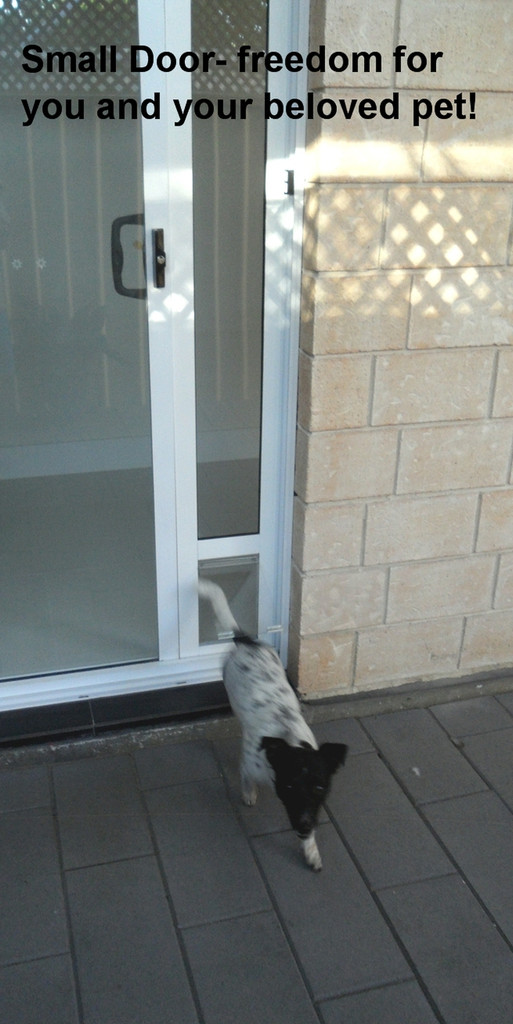
Credit: vixencomposites.com
Reasons Cats Use Pet Doors
Cats often use pet doors for several reasons. Understanding why they do this helps you keep them safe inside. Cats are curious creatures and want to explore their world. They also follow natural instincts that push them outside. Sometimes, they look for mates or try to escape stress indoors. Knowing these reasons helps you manage their outdoor access better.
Curiosity And Exploration
Cats love to discover new places. Pet doors give them an easy way to explore outside. They want to see new sights and smells. This natural curiosity drives them to use the door often. Letting them explore can keep them happy, but also risky.
Hunting Instincts
Cats have strong hunting instincts. They may use pet doors to chase small animals. Hunting is part of their nature and exercise. Going outside satisfies these instincts and keeps them active. Stopping access can be tricky without causing stress.
Seeking Mates
Unspayed or unneutered cats often look for mates. Pet doors provide an easy escape for this purpose. Cats want to find others during breeding seasons. This behavior can lead to unwanted litters. Controlling access helps prevent these situations.
Avoiding Indoor Stress
Some cats feel stressed inside their homes. Loud noises or other pets may cause anxiety. Pet doors let them escape and find calm outside. They use this route to relax and feel safe. Reducing indoor stress can lower their need to go out.
Choosing The Right Pet Door
Choosing the right pet door helps control your cat’s outdoor access. The right door keeps your cat safe and your home secure. It also stops unwanted animals from entering. Consider features that match your cat’s habits and your home setup.
Selective Entry Options
Selective entry pet doors allow only your cat to use them. Some use sensors that detect your cat’s collar or microchip. This stops other animals from coming inside. It also prevents your cat from wandering out when you don’t want it to.
Other doors have manual locks or timed locks. You can decide when the door opens or stays closed. This gives you control over your cat’s outdoor time.
Size And Location Considerations
Choose a door size that fits your cat comfortably. Too small, and your cat will struggle to pass through. Too big, and other animals might use it.
Place the door in a quiet, safe spot. Avoid busy or noisy areas that scare your cat. The door should be easy for your cat to reach and use.
Training Your Cat
Training your cat to stay away from the pet door takes patience and care. Cats learn best with gentle guidance. Teaching them where they can and cannot go helps keep them safe. This process builds trust and understanding between you and your cat. Use simple steps to make training clear and effective.
Positive Reinforcement Techniques
Reward good behavior with treats or praise. When your cat stays inside, give a small snack. Use calm words and pet your cat gently. Avoid punishment; it confuses and scares cats. Praise helps your cat know what you want. Repeat this often to make habits strong.
Setting Boundaries Indoors
Make some areas off-limits near the pet door. Use barriers or close doors to block access. Provide a cozy spot with toys and bedding inside. Cats like safe, quiet places to relax. Show your cat these spots often. This helps them feel happy without going outside.
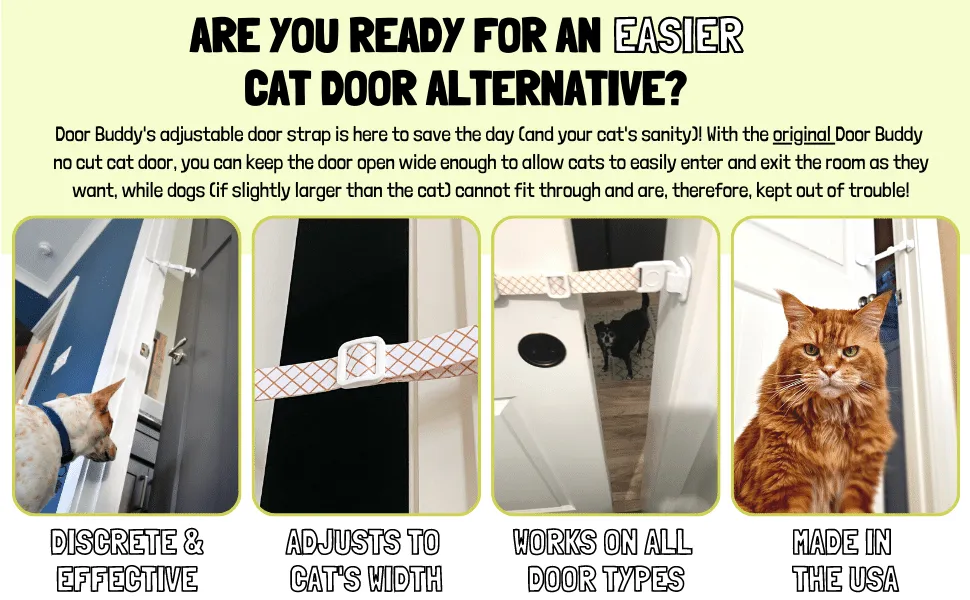
Credit: vixencomposites.com
Physical Barriers
Physical barriers help stop your cat from using the pet door. They create a clear block that your cat cannot pass through. This method is simple and works well to keep your cat inside. You can use different tools to make the pet door off-limits. These tools are easy to set up and remove as needed.
Locking The Pet Door
Locking the pet door is a direct way to prevent your cat from going outside. Many pet doors come with built-in locks. You can engage the lock to block the door completely. This stops your cat from pushing or slipping through the opening. It also keeps other animals from entering your home.
Use the lock whenever your cat needs to stay inside. This is especially useful at night or during bad weather. Locking the pet door adds a strong physical barrier. It gives you control over your cat’s outdoor access.
Installing Flaps Or Covers
Flaps or covers add an extra layer of protection to the pet door. A flap can be made of plastic or rubber. It hangs over the door opening and swings closed after your cat passes. Some flaps are magnetic, sealing tightly to block entry.
Covers are rigid panels you place over the door. They stop the cat from pushing the door open. You can remove covers when you want to allow outdoor access. Flaps and covers are affordable and simple solutions. They also help reduce drafts and keep your home warm.
Alternative Entertainment
Keeping your cat entertained indoors helps stop them from using the pet door. Cats need mental and physical activity to stay happy. Alternative entertainment can keep them busy and less interested in going outside. Creating fun and safe environments inside your home makes a big difference.
Indoor Play Areas
Set up special spots for your cat to explore and rest. Use cat trees, shelves, and tunnels for climbing and hiding. These areas give your cat places to jump and relax. Change the setup often to keep it exciting. A fun play area keeps your cat active and less bored.
Interactive Toys
Choose toys that move or make noise to catch your cat’s attention. Toys with feathers, balls, or lasers can make playtime fun. Puzzle feeders also challenge your cat’s mind while giving treats. Rotate toys to keep your cat interested. Interactive play helps your cat use energy indoors.
Using Technology
Technology offers smart ways to keep your cat safe indoors. These tools control pet doors and stop your cat from going outside. They help you manage your cat’s movements easily and safely.
Microchip-activated Doors
Microchip-activated doors open only for pets with a registered chip. Your cat wears a microchip tag on its collar. The door reads the chip and unlocks just for your cat.
This prevents other animals from entering or your cat from going out. The door stays locked without the chip signal. It gives you control over who uses the pet door.
Motion Sensors And Alarms
Motion sensors detect movement near the pet door. They trigger alarms or notifications if your cat tries to leave. Some systems send alerts straight to your phone.
This technology warns you quickly about unwanted exit attempts. You can act fast to stop your cat from leaving. Sensors also scare off other animals trying to enter.
Addressing Outdoor Risks
Keeping your cat safe means understanding outdoor dangers. Cats face many risks outside your home. These dangers can harm your pet or cause serious health problems. Addressing outdoor risks is key to stopping your cat from using the pet door to roam freely.
Traffic And Predators
Cars and trucks move fast and quietly. Cats often do not see or hear them in time. This makes traffic a major threat. Predators like dogs, coyotes, and wild animals also pose danger. They can attack or scare your cat. Blocking your cat’s access to the outdoors protects it from these risks.
Disease Prevention
Outdoor cats can catch many illnesses. Fleas, ticks, and other parasites spread diseases quickly. Contact with other animals increases infection chances. Keeping your cat inside reduces exposure to germs and parasites. This helps keep your cat healthier for longer.
Credit: maiamidwifery.com
Frequently Asked Questions
How Can I Stop My Cat From Using The Pet Door?
You can install a selective pet door that only opens for your cat. Use a collar key or microchip sensor to restrict access. Training your cat to stay indoors also helps prevent them from using the door.
What Are Safe Alternatives To A Pet Door For Cats?
Consider using window screens or cat patios (catios) to let your cat enjoy outdoors safely. Indoor enrichment and playtime reduce their urge to go outside. These options keep your cat safe and prevent them from escaping.
Can Modifying The Pet Door Reduce My Cat’s Outdoor Access?
Yes, you can adjust the pet door’s locking mechanism to restrict when it opens. Lock the door during certain hours or when unsupervised. This limits your cat’s outdoor access while still allowing controlled entry.
Why Does My Cat Want To Go Outside Through The Pet Door?
Cats are curious and enjoy exploring outdoors. They seek stimulation, hunting, and social interaction. Understanding these reasons helps you provide indoor alternatives to satisfy their needs and reduce outdoor escape attempts.
Conclusion
Stopping your cat from using the pet door takes patience and care. Try different methods to see what works best. Make the pet door less inviting or block it when needed. Give your cat plenty of indoor fun and attention.
Keep your home safe and your cat happy. Small changes can make a big difference. Remember, your cat’s comfort matters most. Stay consistent, and you will succeed over time.