
Struggling to find the right spot to hang your towel rack without drilling holes? You’re not alone.
Whether you’re renting, worried about damaging your walls, or just want a quick fix, hanging a towel rack without screws is easier than you think. Imagine having a neat, sturdy towel rack up in minutes—no mess, no damage, and no tools needed.
Keep reading, and you’ll discover simple, effective ways to get this done right now. Your bathroom makeover starts here.
Choosing The Right Towel Rack
Choosing the right towel rack is important for both function and style. A good rack holds your towels well and fits your bathroom space. Consider the rack’s material, size, style, and weight capacity. These factors help you find a rack that works without screws.
Material Options
Towel racks come in many materials. Plastic racks are light and easy to install. Metal racks look strong and last longer. Wood racks add warmth and style. Think about your bathroom’s humidity. Choose rust-resistant materials for wet spaces.
Size And Style Considerations
Pick a rack size that fits your wall space. Small racks suit tight areas. Large racks hold more towels. Style matters too. Simple racks fit modern bathrooms. Decorative racks suit classic designs. Match your rack with your bathroom’s look.
Weight Capacity
Check how much weight the rack can hold. Towel racks without screws may hold less weight. Light racks work well for hand towels. For heavy or wet towels, pick racks with stronger support. This prevents racks from falling or slipping.
Preparing The Wall Surface
Preparing the wall surface is the first step to hang a towel rack without screws. A clean, smooth surface helps the rack stick firmly. Dirt, dust, and moisture can stop the adhesive from holding well. Take time to get the wall ready for the best results.
Cleaning And Drying
Start by wiping the wall with a damp cloth. Use mild soap if needed to remove grease or grime. Avoid harsh chemicals that might damage the paint or wall. After cleaning, dry the surface completely. Use a dry cloth or let it air dry. Moisture can weaken the adhesive and cause the rack to fall.
Surface Compatibility
Check the wall material before applying the towel rack. Adhesive racks stick best to smooth, hard surfaces like tile, glass, or painted drywall. Rough or porous surfaces like brick or textured wallpaper may not hold the adhesive well. Avoid surfaces with peeling paint or loose wallpaper. A strong bond needs a stable, flat surface for the rack to stay secure.
Adhesive Mounting Methods
Adhesive mounting methods offer a simple way to hang towel racks without drilling holes. These methods work well on smooth, clean surfaces. They keep walls intact and avoid damage. Adhesive options include tapes, strips, and glues. Each has unique strengths and uses. Choose based on your towel rack’s weight and wall type.
Using Double-sided Tape
Double-sided tape is easy to use and mess-free. Cut tape to fit the rack’s mounting points. Press firmly on the wall for a strong bond. Best for light to medium-weight racks. Clean the surface first for better adhesion. Avoid rough or dusty walls. Double-sided tape leaves no holes or marks.
Applying Adhesive Strips
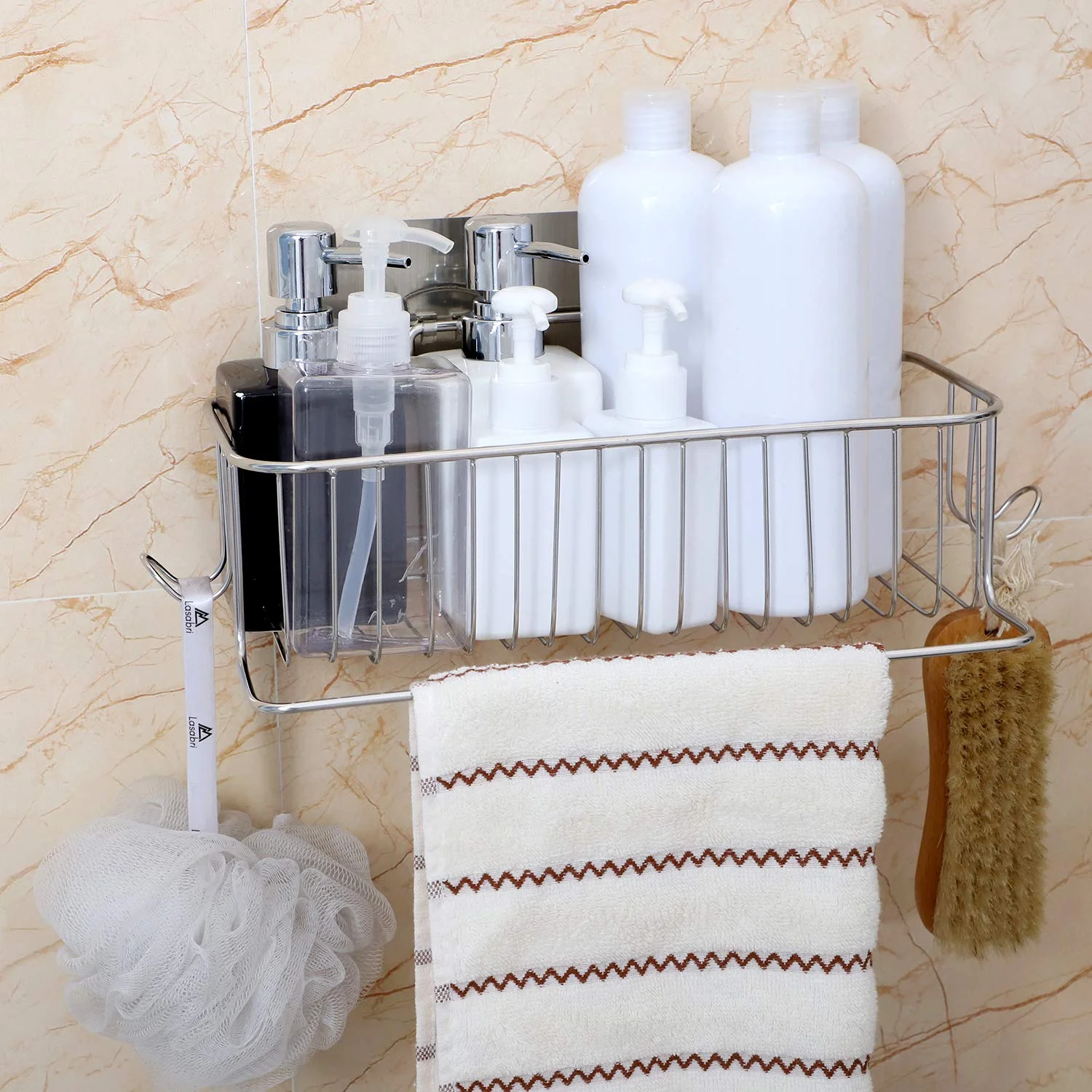
Adhesive strips often come with pull tabs for easy removal. Stick strips to the towel rack’s back. Press the rack onto the wall and hold for seconds. These strips support moderate weight well. They work on tile, glass, and painted walls. Remove strips by pulling slowly to avoid damage. Ideal for renters or temporary setups.
Choosing The Right Glue
Strong glue can hold heavier towel racks securely. Select glue suited for your wall type and rack material. Apply a small amount on mounting points. Press the rack firmly against the wall until dry. Avoid using too much glue to prevent mess. Follow instructions for drying time and safety. Use glue in well-ventilated areas only.
Credit: www.walmart.com
Suction Cup Solutions
Suction cup solutions offer an easy way to hang towel racks without drilling holes or using screws. They rely on vacuum pressure to stick firmly to smooth surfaces. This method protects your walls and tiles from damage. It works well for renters or those who want a quick, no-tool installation.
Best Surfaces For Suction Cups
Suction cups stick best on clean, smooth, and non-porous surfaces. Glass, ceramic tiles, mirrors, and polished metal work great. Avoid textured or rough walls like painted drywall or wood. These surfaces do not provide a strong hold and can cause the rack to fall. Clean the surface well before attaching the suction cups.
Installation Tips
Start by wiping the surface with rubbing alcohol. This removes dirt and oils that reduce suction. Press the suction cup firmly against the surface. Push out any air bubbles to create a tight seal. Some suction cups have a lever or twist lock to increase grip. Follow the product instructions carefully. Place the towel rack where it is easy to reach but does not block movement.
Maintenance And Longevity
Check the suction cups regularly to ensure they stay tight. Moisture and temperature changes can weaken the grip. Remove the rack occasionally to clean both the suction cups and surface. Use mild soap and water for cleaning. Avoid harsh chemicals that may damage the suction cups. Replace suction cups if they show cracks or lose flexibility. Proper care helps your towel rack stay secure for a long time.
Command Hooks And Strips
Command hooks and strips offer a simple way to hang a towel rack without drilling holes. They use strong adhesive to hold weight securely on walls. These hooks are ideal for renters or anyone avoiding damage to surfaces.
They come in various sizes and weight limits. Choosing the right one ensures your towel rack stays in place safely. The best part: removing them leaves no marks or holes.
Selecting Suitable Hooks
Choose hooks that can hold the towel rack’s weight. Check the package for the weight limit. Larger racks need hooks with higher weight capacity. Pick hooks with a wide base for better grip. Look for waterproof options for bathroom use. Match the hook color to your bathroom decor.
Installation Steps
Clean the wall with rubbing alcohol. Let it dry completely. Remove the backing from the adhesive strip. Press the strip firmly on the hook base. Wait one hour before attaching the towel rack. Align the rack with the hooks and press firmly. Hold for 30 seconds to secure the bond. Avoid hanging heavy towels for 24 hours.
Removal Without Damage
To remove, hold the hook base. Pull the adhesive strip slowly downwards. Stretch the strip straight down, not away from the wall. This prevents damage or paint peeling. Clean any residue with warm soapy water. The wall remains smooth and ready for new hooks.

Credit: www.walmart.com
Alternative Hanging Options
Hanging a towel rack without screws is simple with the right tools. Alternative options save walls from damage. These choices work well in rental homes or places where drilling is not allowed. They are easy to install and remove. Plus, they keep your bathroom neat and organized.
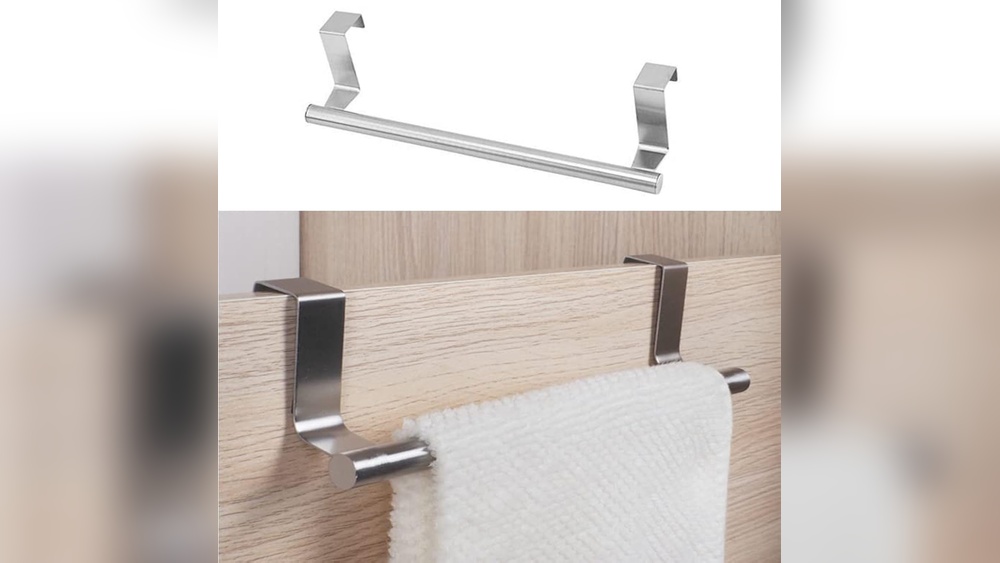
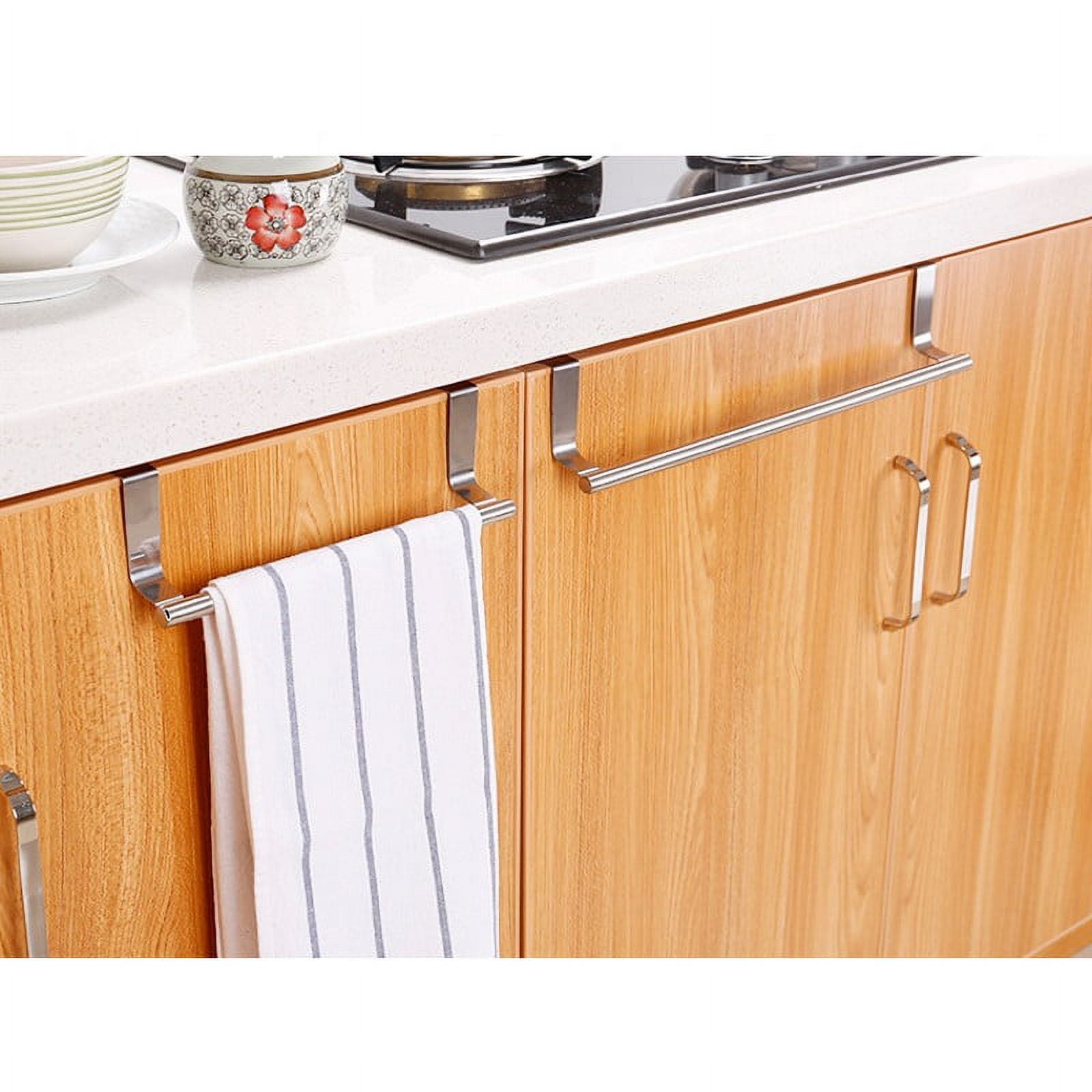
Over-the-door Racks
Over-the-door racks hang on the top of any door. They do not need nails or screws. Just place the hooks over the door edge. This option holds multiple towels with ease. It fits most standard doors and is easy to move. Perfect for small bathrooms with limited wall space.
Tension Rods
Tension rods fit inside door frames or between walls. They use pressure to stay in place. No holes or tools are needed. You can adjust the rod length to fit your space. Towels hang neatly without cluttering counters. Ideal for renters who want a quick setup.
Freestanding Towel Holders
Freestanding towel holders stand on the floor. They come in many designs and sizes. These holders can be moved anywhere in the room. No installation required, just place and use. Great for homes without wall space or for extra towel storage.
Tips For Ensuring Secure Mounting
Hanging a towel rack without screws needs care to keep it firm. Secure mounting stops the rack from falling and damaging walls or towels. Follow these simple tips for a strong hold that lasts. They help the rack stay steady and safe in your bathroom.
Weight Distribution
Spread the weight evenly along the rack. Avoid placing heavy towels on one side only. Even weight stops the rack from pulling away from the wall. Balance helps the adhesive or hooks hold better. Light towels and cloths work best with no-screw racks.
Avoiding Moisture Damage
Moisture can weaken glue and hooks quickly. Wipe the wall dry before mounting the rack. Choose waterproof or water-resistant adhesive strips. Place the rack where water splashes less. Keep the area dry to make the rack last longer.
Regular Inspection
Check the rack often for any signs of loosening. Look for peeling edges or sagging parts. Press the rack gently to test firmness. Replace the adhesive or hooks if they start to fail. Regular checks avoid accidents and keep the rack secure.
Credit: www.homekia.in
Frequently Asked Questions
How Can I Hang A Towel Rack Without Damaging Walls?
Use adhesive hooks or strong double-sided tape designed for bathroom use. These avoid holes and hold lightweight racks securely.
What Materials Work Best For Screwless Towel Racks?
Materials like acrylic, plastic, or lightweight metal paired with adhesive mounts work best for screwless installation.
Are Adhesive Towel Racks Durable In Humid Bathrooms?
High-quality adhesive racks designed for bathrooms resist moisture and hold firmly, even in humid conditions.
Can I Remove A Towel Rack Without Wall Damage?
Yes, peel off adhesive hooks gently. Use rubbing alcohol to clean residue without harming paint or tiles.
Conclusion
Hanging a towel rack without screws is simple and quick. Use strong adhesive hooks or tension rods for easy setup. These methods avoid wall damage and save time. Choose the option that fits your space and needs best. Enjoy a neat bathroom without drilling holes.
Small changes can make a big difference in your home. Try these ideas to keep towels handy and walls intact. Easy, clean, and practical solutions work well for most rooms.