Have you ever stopped to think about when you last changed your smoke detectors? These small devices play a huge role in keeping you and your loved ones safe.
But if they’re old or not working properly, they might not warn you when it matters most. Knowing how often to change your smoke detectors can make all the difference between safety and danger. Keep reading to find out the simple steps you can take to protect your home and peace of mind.
Credit: batteriesstore.ca
Importance Of Smoke Detector Maintenance
Smoke detectors save lives by warning you early during a fire. Regular maintenance keeps them working properly. A well-maintained smoke detector alerts you before a small problem turns into danger. Without upkeep, detectors can fail silently.
Maintaining smoke detectors ensures your home stays safe. It also helps you avoid costly repairs or replacements later. Simple checks can extend the life of your smoke detector. This care is a small step with a big impact.
Testing Smoke Detectors Regularly
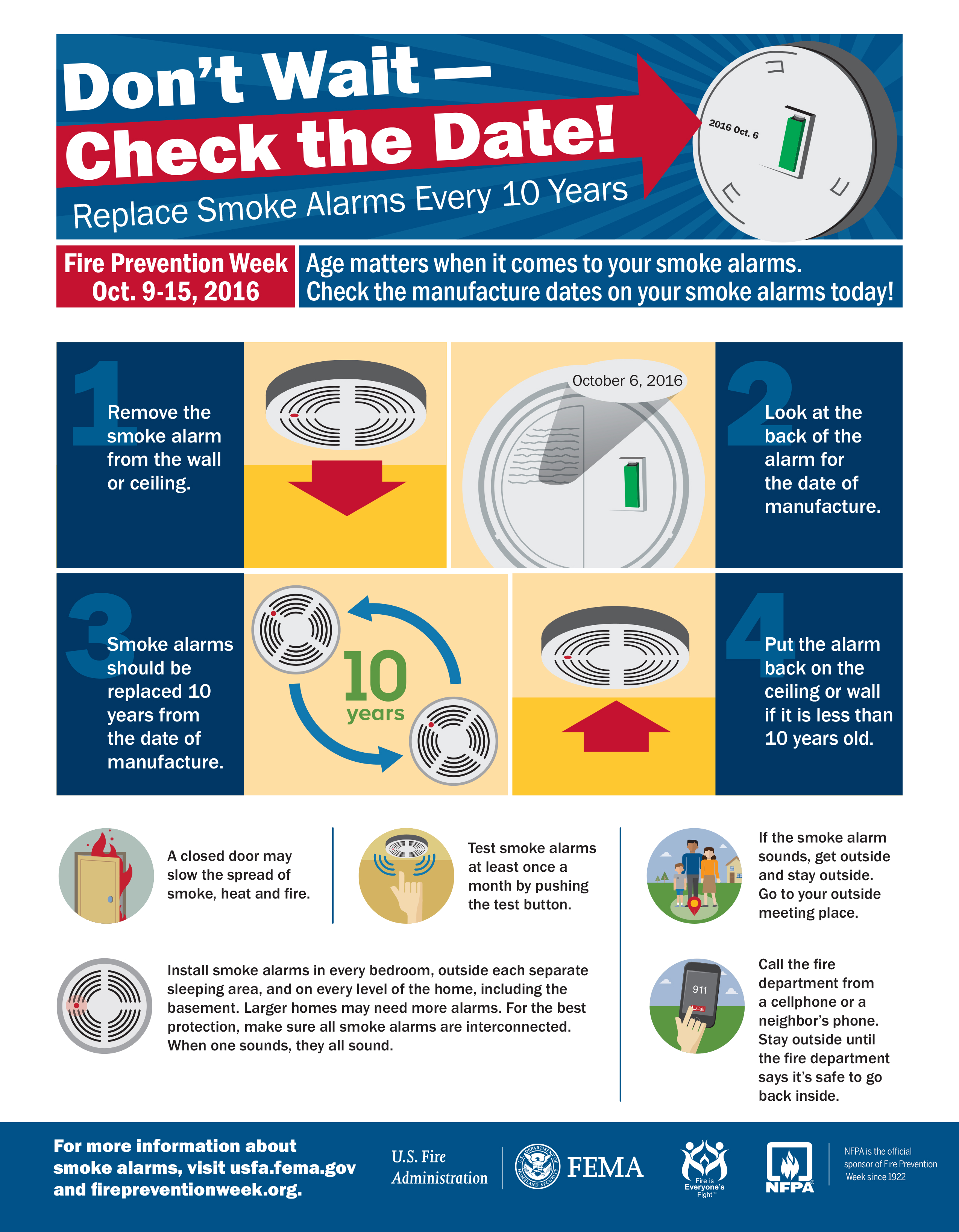
Test your smoke detectors every month. Press the test button to check if the alarm sounds. If it does not, replace the batteries or the whole unit. Regular testing guarantees your detector is ready to alert you.
Changing Batteries On Time
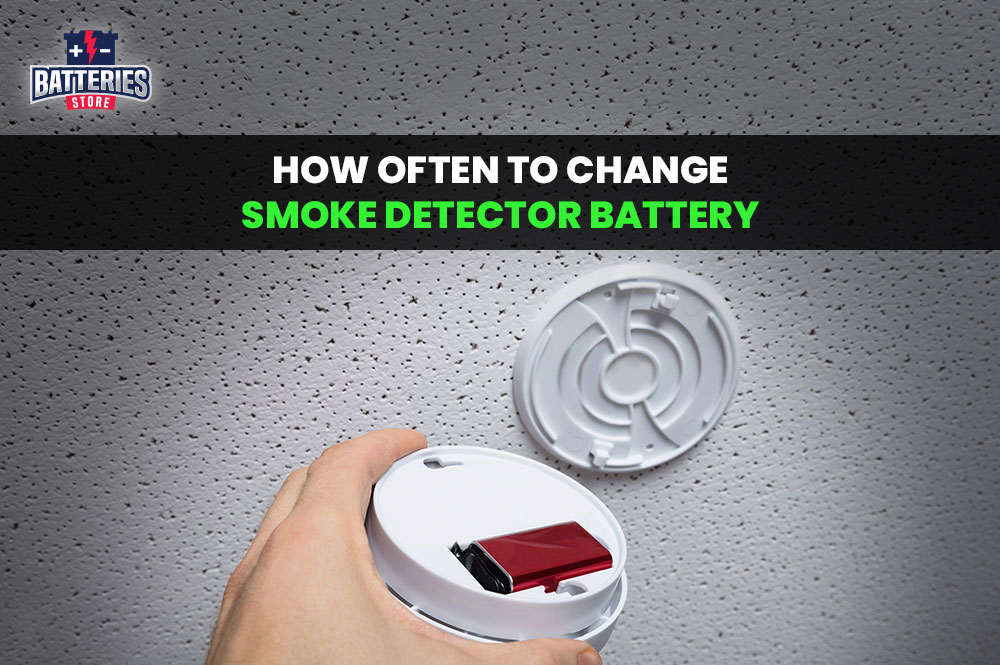
Replace smoke detector batteries at least once a year. Dead batteries cause detectors to stop working quietly. Always use fresh batteries to keep alarms loud and clear. A weak battery can delay your warning during a fire.
Replacing Smoke Detectors Every 10 Years
Smoke detectors lose sensitivity over time. Replace them every 10 years to ensure full protection. Old detectors might not detect smoke quickly. New detectors improve safety with updated technology.
Recommended Replacement Frequency
Smoke detectors should be replaced every 10 years to ensure proper function. Older units may fail to detect smoke quickly, increasing risk. Regular replacement keeps your home safe and your family protected.
Smoke detectors save lives by alerting us to fire early. They need to work well every day. Over time, their sensors wear out and become less effective.
Experts say replace smoke detectors every 10 years. This keeps them reliable and ready to warn you. Older alarms might not detect smoke quickly or might fail completely.
Check the date of manufacture on the back of your smoke detector. This date helps you know when to replace it. If you do not see a date, consider replacing the unit every 10 years anyway.
Signs It’s Time To Replace Smoke Detectors
Smoke detectors beep or chirp when batteries are low. But constant chirping can also mean the device is old or faulty. If your alarm often sounds for no reason, it may be time to replace it.
Visible damage, like cracks or corrosion, means the alarm might not work well. Dust and dirt can block sensors, causing false alarms or no alarms at all. Clean your smoke detectors regularly but replace them every decade.
Battery Replacement Does Not Replace The Unit
Changing batteries keeps the alarm working but does not extend its life. The sensors inside degrade over time. New batteries cannot fix worn-out parts.
Replace batteries at least once a year. Replace the entire smoke detector every 10 years to stay safe. This simple step ensures your home has the best protection.
Signs Your Smoke Detector Needs Changing
Smoke detectors save lives by warning about fire early. They need regular checks and sometimes must be replaced. Recognizing signs that a smoke detector needs changing helps keep your home safe. Here are key signs to watch for.
Frequent False Alarms
Smoke detectors that beep often without smoke may be failing. Dust, insects, or old sensors cause false alarms. Too many false alarms mean the device might not work when needed.
Unresponsive Test Button
Test your smoke detector monthly. If pressing the test button does not trigger a loud alarm, it may be broken. An unresponsive test button signals the need for replacement.
Age Of The Smoke Detector
Most smoke detectors last about ten years. Check the manufacture date on the back. If it is older than ten years, replace it regardless of how it works.
Intermittent Beeping Or Chirping
A smoke detector that beeps or chirps at random times warns of problems. It could mean low battery or internal failure. If changing the battery does not stop it, replace the detector.
Physical Damage Or Discoloration
Inspect your smoke detector for cracks, holes, or yellowing. Damage or discoloration can affect performance. Replace any detector that looks worn or broken.
Credit: yubanet.com
Battery Replacement Tips
Battery replacement is key to keeping smoke detectors working well. Dead batteries stop alarms from warning about fire risks. Changing batteries regularly helps protect your home and family.
Here are simple tips to make battery replacement easy and effective.
Check Batteries Twice A Year
Change batteries at least twice a year. Pick two days you remember, like daylight saving time changes. This helps you keep track and avoid missing replacements.
Use The Right Battery Type
Always use the battery type your smoke detector needs. Most use 9-volt or AA batteries. Using the wrong type can cause the alarm to fail or beep incorrectly.
Test After Replacing Batteries
Press the test button after inserting new batteries. The alarm should sound loud and clear. This confirms the battery is working and the detector is ready.
Replace Batteries Immediately When Low
Smoke detectors beep when batteries run low. Don’t ignore this sound. Replace the batteries right away to keep your home safe.
Keep Spare Batteries Nearby
Store extra batteries close to your smoke detectors. This saves time and effort during replacements. Choose a dry, easy-to-reach spot for storage.
Types Of Smoke Detectors And Their Lifespan
Smoke detectors save lives by alerting people to fires early. Different types of smoke detectors work in different ways. Each type has its own lifespan. Knowing these lifespans helps you decide when to replace your smoke detectors. Proper replacement keeps your home safe and secure.
Ionization Detectors
Ionization detectors sense small smoke particles from fast fires. They use a small amount of radioactive material inside. These detectors last about 8 to 10 years. After this, their sensors may become less effective. Replace ionization detectors on time to stay protected.
Photoelectric Detectors
Photoelectric detectors detect larger smoke particles from slow, smoldering fires. They use light beams to spot smoke. Their typical lifespan is 10 years. Over time, dust and dirt can reduce their sensitivity. Changing them regularly ensures they work well.
Dual-sensor Detectors
Dual-sensor detectors combine ionization and photoelectric technologies. They provide broader fire detection. These models usually last around 10 years. Both sensors need to function properly for safety. Replace dual-sensor detectors as recommended for best protection.
Proper Installation And Placement
Proper installation and placement of smoke detectors save lives. Smoke detectors must be set up in the right spots to work well. Incorrect placement can slow down smoke detection. This delay increases risk during a fire emergency. Careful installation helps ensure early warning and safety.
Where To Install Smoke Detectors
Place smoke detectors in every bedroom. Also, install them outside each sleeping area. Put one on every floor of your home. Avoid kitchens and bathrooms. Steam and cooking smoke can cause false alarms there.
Mounting Height And Position
Install smoke detectors on the ceiling or high on the wall. Smoke rises, so detectors need to catch it fast. Keep detectors at least 4 inches from walls if on ceilings. If on walls, place them 4 to 12 inches from the ceiling.
Avoiding Dead Air Spaces
Do not install smoke detectors near windows or vents. Air flow can move smoke away from detectors. Corners of rooms can trap air and smoke. Avoid placing detectors there for better sensitivity.
Regular Testing And Maintenance
Regular testing and maintenance keep smoke detectors working well. Smoke detectors save lives by alerting you to fire early. Testing and cleaning ensure they respond fast and loud. Neglect can cause false alarms or no alarms at all. Spend a few minutes each month to check your devices. This small effort keeps your home safe and sound.
Monthly Testing
Press the test button on your smoke detector once a month. The alarm should sound loud and clear. If it does not, replace the batteries or the whole unit. Testing checks the battery and internal parts work properly. Do not skip this simple step. It helps catch problems before they become dangerous.
Cleaning Procedures
Dust and debris can block smoke from reaching the sensor. Clean the detector regularly using a soft brush or vacuum. Avoid using water or cleaning sprays. Remove the cover gently and wipe inside if needed. Keep vents and openings clear. Clean detectors can detect smoke faster and reduce false alarms.

Credit: mammothsecurity.com
Legal And Insurance Requirements
Smoke detectors save lives by warning about fires early. Laws and insurance rules ask homeowners to keep detectors in good shape. Meeting these rules avoids legal trouble and insurance problems. Understanding the rules helps protect your home and family.
Legal Requirements For Smoke Detectors
Many states require smoke detectors in homes. Rules say how many detectors you need and where to place them. Most laws need detectors in bedrooms and hallways. Smoke detectors must work properly and have fresh batteries. Some places require replacing detectors every 10 years.
Insurance Rules About Smoke Detectors
Insurance companies often want working smoke detectors in your home. They may reduce your premium if detectors are installed. Some insurers require proof of detector maintenance. Broken or missing detectors can lead to claim denial. Keeping detectors updated protects your insurance coverage.
Consequences Of Not Meeting Requirements
Failing to follow laws can cause fines or legal issues. Insurance claims might be rejected without proper detectors. This leaves you with high repair or replacement costs. Regularly changing smoke detectors avoids these risks. It keeps your home safer and your insurance valid.
Upgrading To Smart Smoke Detectors
Upgrading to smart smoke detectors improves safety and convenience in your home. These devices offer more than just smoke detection. They connect to your smartphone and alert you instantly.
Smart smoke detectors can also link with other smart home devices. This connection helps create a safer environment. You get alerts even when you are away from home.
Benefits Of Smart Smoke Detectors
Smart detectors send alerts directly to your phone. This feature helps you act quickly during emergencies. They often include voice alerts that tell you the type of danger.
They also test themselves automatically. This ensures they work properly without manual checks. Some models even adjust sensitivity to reduce false alarms.
Battery Life And Maintenance
Smart smoke detectors usually have long-lasting batteries. Many last up to 10 years without replacement. Some models notify your phone when the battery is low.
Regular testing is still important. Make sure to follow the manufacturer’s instructions. Proper maintenance keeps your home safe and your device reliable.
Cost And Installation
Smart smoke detectors cost more than traditional ones. The extra cost covers advanced features and connectivity. Installation is often simple, with many models fitting standard mounts.
Some require Wi-Fi for full functionality. Check your home network before buying. Professional installation is an option for added security.
Frequently Asked Questions
How Often Should Smoke Detectors Be Replaced?
Smoke detectors should be replaced every 10 years. Over time, their sensors lose sensitivity. Regular replacement ensures optimal fire detection and safety.
When Is The Best Time To Change Smoke Detector Batteries?
Change smoke detector batteries at least once a year. Replace batteries immediately if the detector chirps. This prevents false alarms and ensures functionality.
Can I Extend Smoke Detector Life By Cleaning It?
Yes, cleaning smoke detectors every 6 months helps. Remove dust and debris to maintain sensor accuracy. However, cleaning doesn’t replace the need for timely replacement.
What Signs Indicate A Smoke Detector Needs Replacing?
Frequent false alarms or failure to beep during tests signal replacement. Also, detectors over 10 years old should be replaced regardless of performance.
Conclusion
Smoke detectors save lives by warning about fires early. Change them every 10 years for best safety. Test alarms monthly to ensure they work well. Replace batteries at least once a year. Keep your home safe with working smoke detectors.
Don’t wait until they stop working. Stay alert and protect your family from fire risks. Simple steps can prevent big dangers. Safety starts with regular smoke detector care.