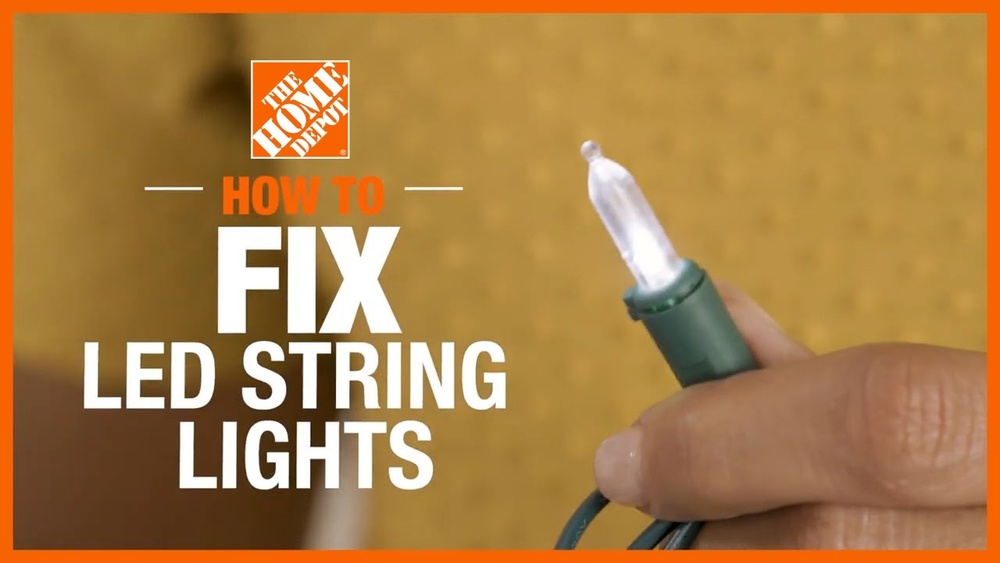

Are your LED string lights not shining as bright as they should? It can be frustrating when your favorite decorations suddenly stop working.
But don’t worry—you don’t have to be an expert to fix them. In this guide, you’ll learn simple, step-by-step ways to troubleshoot your LED string lights and bring back their glow. Whether it’s a holiday setup or everyday ambiance, you’ll discover easy tips to spot the problem and get your lights sparkling again.
Keep reading, and let’s get your space glowing!
Common Issues With Led String Lights
LED string lights are popular for decoration and mood lighting. They are energy-efficient and last longer than traditional bulbs. Still, these lights can face common problems that stop them from working properly. Understanding these issues helps fix the lights quickly and enjoy their glow again.
Lights Not Turning On
The most common issue is lights not turning on at all. This can happen due to a loose plug or a faulty outlet. Sometimes, the fuse inside the plug blows out. Check the power source and make sure everything is connected well. Replace the fuse if needed to restore power to the string.
Flickering Or Dim Lights
Flickering or dim lights often mean poor electrical contact. Loose bulbs or damaged wires cause this problem. Dirt or corrosion on bulb contacts can also reduce brightness. Clean the bulbs gently and tighten connections. Replace any broken bulbs to keep the lights bright and steady.
Broken Or Missing Bulbs
Broken or missing bulbs create dark spots on the string. Each bulb affects the whole string’s performance. Replace broken bulbs with the same type and size. Missing bulbs leave empty sockets that stop the flow of electricity. Fill all sockets to maintain proper circuit function.
Power Supply Problems
Power supply issues often cause lights to fail. Check the adapter and power cord for damage. Overloaded circuits may also stop the lights from working. Use a different outlet or reduce the load on the circuit. Ensure the power supply matches the string lights’ requirements for safe use.
Basic Troubleshooting Steps
Troubleshooting LED string lights starts with basic steps anyone can follow. These steps help identify common problems quickly. You save time and avoid unnecessary repairs. Start with simple checks before moving to complex fixes.
Follow these basic steps carefully. They guide you through finding the issue. The goal is to make your lights work again fast.
Check The Power Source
First, ensure the power source is working. Plug the lights into a different outlet to test. Make sure the outlet has electricity. Use a lamp or another device to check the socket.
Verify the power switch is on. Some string lights have switches or remote controls. Check batteries in remotes if used. A dead battery can stop the lights from working.
Inspect The Wiring
Look closely at the wire for damage. Check for cuts, frays, or exposed wires. Damaged wires can cause lights to fail. Avoid using lights with broken wiring to prevent shocks.
Make sure all plugs and connectors fit tightly. Loose connections can break the circuit. Push all plugs firmly into sockets.
Test Each Bulb
Check every bulb to find any that are out. Replace burnt-out or broken bulbs. Some LED strings stop working if one bulb is bad. Use bulbs that match the original type and size.
Handle bulbs gently to avoid damage. Use a bulb tester if available. This tool helps find faulty bulbs easily.
Reset The Fuse
Many LED string lights have a small fuse in the plug. Locate the fuse cover and open it carefully. Remove the fuse and check if it is blown. A blown fuse looks dark or broken.
Replace the fuse with one of the same rating. Close the cover securely. Resetting the fuse can restore power to the lights.
Quick Fixes For Led String Lights
LED string lights add charm to any space. They brighten up celebrations and cozy nights. Sometimes, these lights stop working properly. Quick fixes can save time and money. Many common problems have simple solutions. Knowing basic repairs helps keep your lights shining.
Replacing Burnt-out Bulbs
Burnt-out bulbs cause sections of the string to go dark. Identify the faulty bulb by checking each one. Use a replacement bulb that matches the original. Turn off the power before removing the bulb. Insert the new bulb carefully into the socket. Test the lights to ensure the new bulb works.
Repairing Damaged Wires
Damaged wires can interrupt the electrical flow. Inspect the string for cuts or breaks in the wire. Use electrical tape to cover small cracks. For larger damage, cut the wire and reconnect with wire nuts. Make sure all connections are tight and secure. This restores power and prevents shorts or shocks.
Cleaning Connections
Dirt and corrosion affect how electricity flows through the lights. Unplug the string before cleaning. Use a soft cloth to wipe bulb sockets and plugs. Apply a small amount of rubbing alcohol to remove stubborn grime. Let everything dry completely before plugging the lights back in. Clean connections improve brightness and reliability.
Securing Loose Connections
Loose connections cause flickering or parts of the string to go off. Check all plugs and sockets for firmness. Push loose bulbs firmly into their sockets. Tighten any loose plugs or connectors. Use electrical tape to hold loose wires in place. Secure connections ensure steady lighting throughout the string.

Credit: electronics.stackexchange.com
Preventive Tips To Avoid Problems
Preventing problems with LED string lights saves time and effort. Simple steps keep lights bright and working longer. Taking care of your lights avoids common issues like flickering or outages.
Proper Storage Practices
Store LED string lights in a cool, dry place. Avoid tangling by wrapping them loosely around a spool or cardboard. Keep lights away from sharp objects that can damage wires. Use a container to protect lights from dust and moisture.
Avoiding Overloading Circuits
Do not connect too many light strings on one outlet. Overloading causes lights to dim or fail. Check the power rating on the light package before plugging in. Use multiple outlets or power strips with built-in breakers if needed.
Regular Maintenance Checks
Inspect lights regularly for damaged wires or bulbs. Replace broken bulbs immediately to keep the circuit intact. Clean lights gently with a soft cloth to remove dirt. Test lights before use to spot early problems.
Using Compatible Accessories
Use only accessories made for your LED string lights. Mismatched plugs or connectors can cause shorts or failures. Choose timers, dimmers, and controllers designed for LED strings. Follow manufacturer instructions for safe use.
When To Replace Your Led String Lights
Knowing when to replace your LED string lights saves time and money. Sometimes repairs do not fix the problem. Other times, the lights become unsafe or inefficient. Recognizing these moments helps you keep your space bright and cozy without frustration.
Signs Of Irreparable Damage
Look for broken wires or melted bulbs. These can cause short circuits or fire risks. Lights that flicker or stay off after testing likely have internal damage. Corrosion on connectors or water damage also means it is time to replace. Repairing these issues often does not restore full function.
Cost Vs. Repair Considerations
Compare repair costs to buying new lights. Fixing many bulbs or wires may cost more than replacement. Small repairs make sense, but extensive work is not worth it. New LED strings use less power and last longer, saving money over time.
Upgrading To Newer Models
New LED string lights come with better features. Some offer adjustable brightness or color options. Modern designs use less energy and have longer warranties. Upgrading improves your lighting quality and reduces maintenance needs. It also adds fresh style to your decorations.

Credit: www.youtube.com

Credit: georgesworkshop.blogspot.com
Frequently Asked Questions
How Do I Identify A Faulty Led In String Lights?
Check each bulb visually for cracks or discoloration. Replace bulbs that appear dim or unlit to restore proper function.
Why Are Some Led Lights Not Turning On?
Check the power source, connections, and fuses. Loose wires or a blown fuse often cause partial lighting failure.
How Can I Fix Led String Lights That Flicker?
Flickering often results from loose bulbs or damaged wiring. Secure bulbs firmly and inspect wires for breaks.
What Safety Precautions Should I Take When Troubleshooting?
Always unplug the lights before inspection. Use insulated tools and avoid water exposure to prevent electric shock.
Conclusion
Troubleshooting LED string lights can be simple with the right steps. Check connections and bulbs carefully. Replace any broken parts quickly. Keep your lights dry and clean for better use. Test each section to find the problem spot. Taking time helps avoid bigger issues later.
Enjoy bright and steady lights for your space. Small fixes often save money and effort. Stay patient and follow these easy tips. Your LED lights will shine bright again.