Your smoke detector is one of the most important safety devices in your home. But did you know that a simple dead battery could leave you unprotected?
Changing the battery in your smoke detector is quick and easy, yet many people overlook it until it’s too late. You’ll learn exactly how to replace your smoke detector battery step-by-step. Keep reading to make sure your home stays safe and your detector stays loud when it matters most.

Credit: www.youtube.com
Why Battery Replacement Matters
Changing the battery in your smoke detector is very important. It keeps your home safe by making sure the alarm works well. A working smoke detector can alert you early to fire or smoke. This can save lives and property. Many people forget to change batteries until the alarm stops working. That delay can cause serious risks.
Regular battery replacement helps avoid problems. It keeps the detector ready to warn you anytime. Learning why and when to replace batteries helps protect your family.
Risks Of A Dead Battery
A dead battery means no alarm sound. The smoke detector will not warn you about fire. This can cause injuries or worse. Fires spread fast. Without an alarm, you may not escape in time. Many fire-related deaths happen at night when people sleep. A dead battery removes this important safety net.
False confidence is a risk too. You might think the alarm works but it does not. This can lead to dangerous delays in response. Smoke detectors with dead batteries are useless in emergencies.
Recommended Replacement Frequency
Change smoke detector batteries at least once a year. Many experts suggest doing it during daylight saving time changes. This makes it easier to remember. Some detectors beep when batteries are low. Do not ignore these signals.
Use fresh, good quality batteries for best performance. Replace batteries even if the alarm works fine. Old batteries lose power slowly. Regular replacement ensures the alarm stays reliable.

Credit: annarborwithkids.com
Tools Needed For The Job
Changing the battery in a smoke detector requires a few simple tools. Having the right items ready makes the task quick and easy. This helps keep your home safe without hassle.
Types Of Batteries To Use
Most smoke detectors use 9-volt batteries. Some models require AA or AAA batteries. Check the battery compartment to see which type fits. Use fresh, high-quality batteries for best results. Avoid mixing old and new batteries together.
Additional Tools To Have Ready
A small screwdriver might be needed to open some detectors. A step stool or ladder helps reach ceiling-mounted units safely. A cloth can clean dust from the detector surface. Keep these tools nearby to save time during the job.
Locating Your Smoke Detector
Before changing the battery in your smoke detector, you must find it first. Smoke detectors are small devices often placed in key areas of your home. Knowing their locations helps you check and replace batteries quickly. This step is important for your safety and peace of mind.
Common Placement Areas
Smoke detectors usually hang on ceilings or high walls. They are near bedrooms, living rooms, and hallways. Kitchens may have detectors, but not too close to avoid false alarms. Check near staircases as well. These spots catch smoke early and alert you fast.
Checking Multiple Detectors
Homes often have more than one smoke detector. Check all rooms and floors carefully. Some detectors are hard to see, hidden in corners or vents. Make a list of all units. This helps keep track of which batteries need changing.
Steps To Remove The Old Battery
Changing the battery in a smoke detector is important for safety. Removing the old battery correctly is the first step. This section guides you through the process. Follow the steps carefully to avoid damage or injury.
Safety Precautions
Turn off the power to the smoke detector if it is wired. Use a ladder or stable chair to reach the detector safely. Avoid using wet hands or standing on slippery surfaces. Handle batteries with care to avoid leaks or burns. Keep new batteries ready before removal.
Opening The Detector
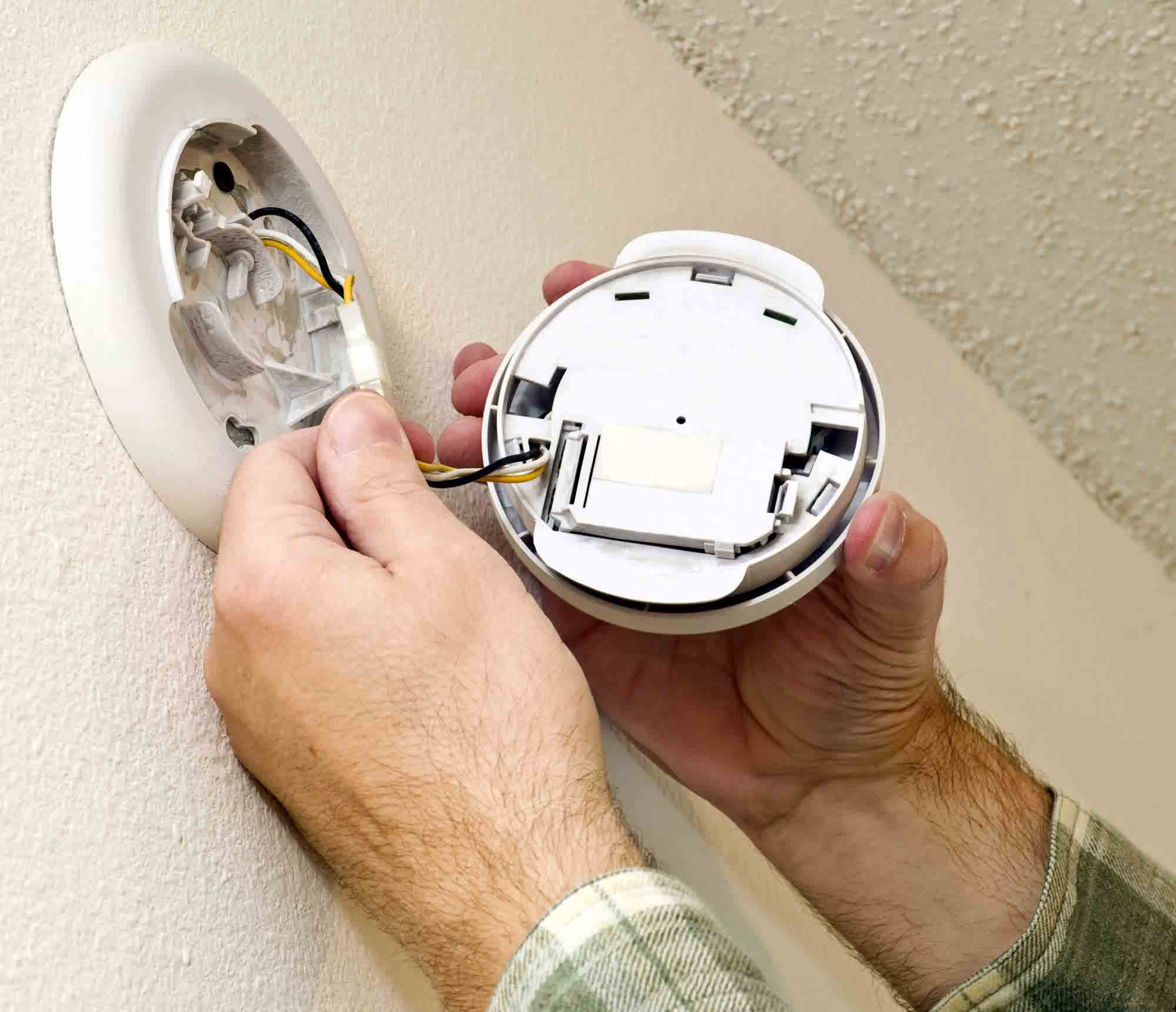
Locate the smoke detector on the ceiling or wall. Gently twist or slide the detector’s cover to open it. Some models have a small tab or button to release the cover. Do not force the cover open to prevent damage. Place the cover on a clean surface.
Removing The Battery
Find the battery inside the detector. Note the battery type and position. Use your fingers to carefully lift the battery out. Avoid touching the battery terminals with metal objects. Dispose of the old battery following local regulations.
Installing The New Battery
Installing the new battery in your smoke detector is a simple but important step. It ensures your home stays safe and your alarm works well. Follow these easy steps to put in the battery the right way.
Inserting The Battery Correctly
Start by checking the battery type. Most smoke detectors use a 9-volt battery. Look inside the battery compartment for the plus (+) and minus (-) signs. Match the battery ends to these signs. Insert the battery gently but firmly. Avoid forcing it in wrong. A loose battery can cause the alarm to fail.
Securing The Detector Cover
After placing the battery, put the detector cover back on. Align it properly with the base. Press or twist the cover until it locks in place. This step keeps dust out and protects the battery. A secure cover helps the alarm work perfectly. Test the alarm by pressing the test button once the cover is secure.
Testing The Smoke Detector
Testing the smoke detector is a vital step after changing its battery. It makes sure the device works correctly. A properly functioning smoke detector can save lives by alerting you to fire early. This section explains how to test the smoke detector safely and effectively.
Using The Test Button
Most smoke detectors have a test button on their face. Press and hold this button for a few seconds. The alarm should sound loud and clear. This confirms the battery is installed right and the unit works. If the alarm is weak or silent, check the battery again or replace the unit.
Ensuring Proper Functionality
Besides using the test button, check the smoke detector visually. Make sure the device is clean and free of dust. Dust can block the sensor and stop it from working. Replace the battery regularly, even if the alarm sounds fine. Regular testing and maintenance keep your home safe at all times.
Maintenance Tips For Longevity
Maintaining your smoke detector is key to keeping it working well for a long time. Simple care helps avoid false alarms and ensures safety. Follow these tips to keep your device in top shape.
Regular Cleaning
Dust and dirt can block the smoke sensor. Clean the detector once a month using a soft brush or vacuum. Avoid water or cleaning sprays. Keep vents clear so smoke can enter easily. This simple step improves detector performance.
Scheduling Battery Checks
Check the battery every six months. Mark it on your calendar or set a phone reminder. Replace batteries even if the low battery beep does not sound. Fresh batteries keep the detector ready to alert you. Regular checks prevent sudden power loss.
Credit: www.swflelectric.com
Frequently Asked Questions
How Often Should I Change Smoke Detector Batteries?
You should change smoke detector batteries at least once a year. Replace them immediately if the alarm chirps. Regular battery replacement ensures your smoke detector functions properly and keeps your home safe from fire hazards.
What Type Of Battery Is Best For Smoke Detectors?
Most smoke detectors use 9-volt batteries. However, some models require AA or lithium batteries. Always check the manufacturer’s instructions to find the correct battery type for your smoke detector.
How Do I Safely Remove A Smoke Detector Battery?
Turn off the smoke detector’s power if hardwired. Twist or unclip the detector from its base. Remove the battery by gently pulling it out. Handle batteries carefully to avoid damage or short circuits.
What If My Smoke Detector Still Beeps After Battery Change?
If the beeping continues, check battery placement and contacts. Clean the battery compartment from dust or corrosion. Reset the detector by pressing the test button. Replace the entire unit if problems persist.
Conclusion
Changing your smoke detector’s battery keeps your home safe and sound. Check batteries twice a year to avoid surprises. Always use the right type of battery for your device. Test the smoke detector after replacing the battery to ensure it works well.
A working smoke detector can save lives in an emergency. Don’t wait for the low battery beep—stay ahead. Simple steps, big peace of mind. Stay safe, stay prepared.