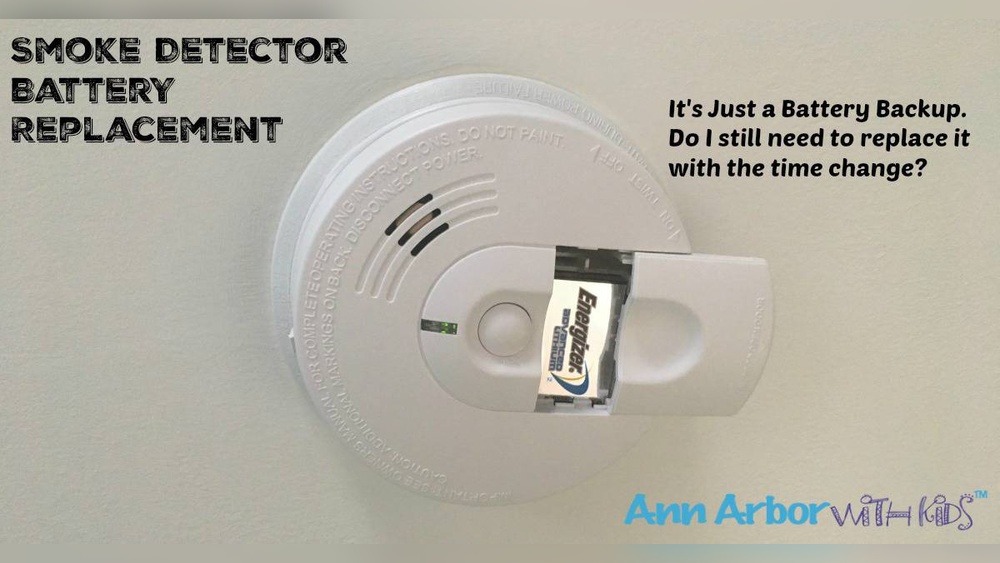

Have you ever wondered how long your smoke detector battery really lasts? You rely on it to keep you safe, but when was the last time you checked or changed it?
Knowing the answer could make all the difference in an emergency. You’ll discover exactly how long these batteries work, signs they’re running low, and simple tips to keep your home protected. Keep reading—your safety depends on it.
Credit: homesmiles.com
Smoke Detector Battery Types
Smoke detectors rely on batteries to keep your home safe. The type of battery affects how long your smoke detector works without needing a change. There are different battery options. Each has its own benefits and lifespan. Understanding these types helps you pick the best one for your smoke detector.
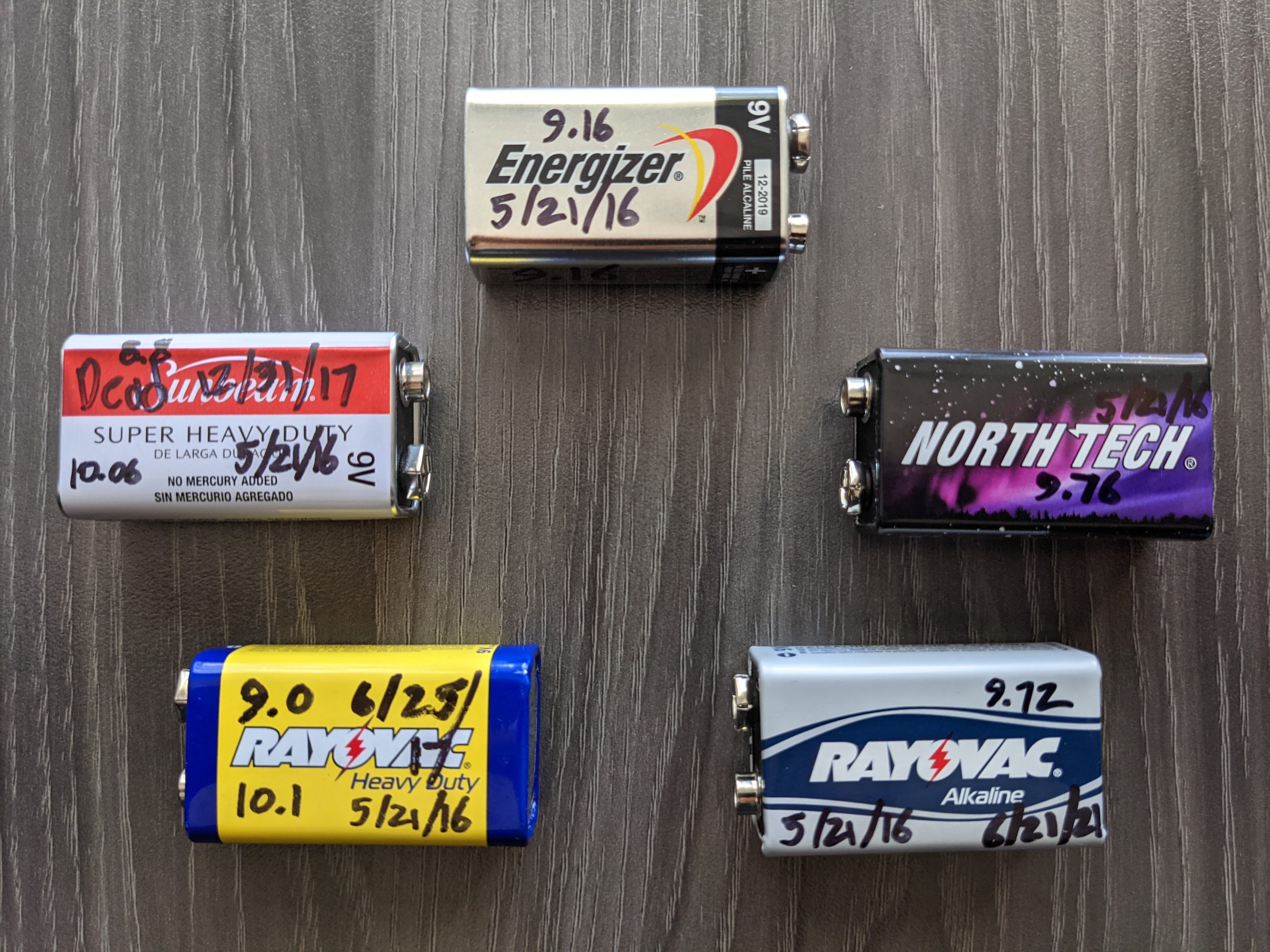
Alkaline Batteries
Alkaline batteries are common and easy to find. They usually last about 6 to 12 months in smoke detectors. These batteries are affordable and work well for many devices. However, they drain faster than some other types. Changing alkaline batteries once a year is a good rule.
Lithium Batteries
Lithium batteries last much longer than alkaline ones. They can power smoke detectors for up to 10 years. This means fewer battery changes and less hassle. Lithium batteries handle temperature changes better too. They cost more but offer great long-term value.
Rechargeable Batteries
Rechargeable batteries save money over time. You can recharge and use them many times. They usually last 3 to 5 years in smoke detectors. These batteries need a charger to recharge. Not all smoke detectors work well with rechargeable batteries.
Typical Battery Lifespan
Smoke detector batteries do not last forever. Knowing their typical lifespan helps keep your home safe. Different batteries have different life spans. Choosing the right one can save time and effort.
Standard Duration For Alkaline
Alkaline batteries are the most common in smoke detectors. They usually last about 6 to 12 months. Many people replace them once a year to avoid risks. These batteries are affordable and easy to find. They work well but need regular checks.
Longevity Of Lithium Batteries
Lithium batteries last much longer than alkaline ones. They can power smoke detectors for 7 to 10 years. This lifespan often matches the life of the smoke detector itself. Lithium batteries cost more but require less frequent changes. They provide steady power over many years.
Factors Influencing Battery Life
Battery life depends on several factors. Temperature plays a big role; extreme cold or heat shortens life. Frequent testing or alarms also drain batteries faster. Some smoke detectors use more power due to extra features. Always follow the manufacturer’s advice for best results.
Signs Of Battery Wear
Knowing the signs of battery wear helps keep your home safe. Smoke detectors rely on batteries to work well. Old or weak batteries can cause problems. Watch for clear signals that your battery needs a change. This keeps your detector ready to alert you in danger.
Low Battery Chirps
One common sign is a low battery chirp. The detector makes a short beep every minute or so. This sound warns you the battery is running low. Ignoring this chirp can lead to the detector failing in an emergency. Replace the battery as soon as you hear this noise.
Reduced Detector Sensitivity
Weak batteries can lower the detector’s sensitivity. It may not sense smoke or fire quickly. This delay puts your home at risk. Test your smoke detector regularly to check its response. A slow or weak alarm means the battery might be fading.
Frequent False Alarms
Batteries that are near dead can cause false alarms. The detector may beep without smoke or fire present. These false alarms disrupt your peace and cause doubt. Changing the battery often stops these unwanted alerts. Keep your detector reliable by replacing old batteries on time.
Maintaining Your Smoke Detector
Maintaining your smoke detector is key to keeping your home safe. Regular care ensures it works when needed most. Simple steps can extend the life of your smoke detector and its battery. Stay alert and keep your device in top shape with easy maintenance.
Regular Testing Procedures
Test your smoke detector every month. Press the test button until the alarm sounds. If it doesn’t beep, replace the battery or the unit. Never ignore a silent or weak alarm. Regular tests confirm your detector is ready to protect.
Cleaning Tips
Dust and debris can block the sensor. Clean your smoke detector every six months. Use a soft brush or vacuum cleaner on low power. Avoid using water or spray cleaners. Keep the area around the detector clear for best performance.
Proper Battery Replacement
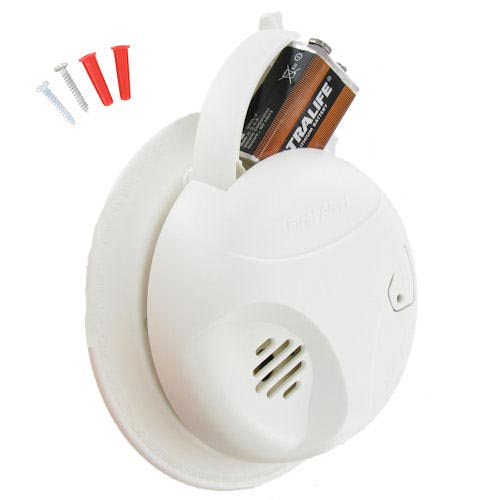
Replace batteries at least once a year. Use the type recommended by the manufacturer. Remove old batteries carefully to avoid corrosion. Check batteries during daylight saving time changes. Proper replacement helps your detector stay reliable and effective.
Choosing The Right Battery
Choosing the right battery for your smoke detector matters a lot. It affects how long the device works and how well it alerts you. Picking a battery involves balancing cost, brand trust, and safety. This guide helps you find the best option for your home.
Cost Vs. Performance
Cheap batteries may save money but often run out fast. Expensive ones last longer and work better in smoke detectors. Consider how long the battery will keep your alarm active. A battery with good performance can prevent costly replacements and keep you safe.
Brand Recommendations
Some brands are known for reliable batteries. Brands like Duracell, Energizer, and Panasonic provide steady power. Choosing trusted brands reduces the risk of battery failure. Always check the battery type recommended by your smoke detector’s manufacturer.
Battery Safety Tips
Store batteries in a cool, dry place to avoid damage. Avoid mixing old and new batteries in the same detector. Remove batteries from unused devices to stop leaks. Dispose of used batteries properly to protect the environment and your home.
Credit: www.firstalertstore.com
Advancements In Smoke Detector Power
Smoke detector technology has improved a lot in recent years. These advancements help keep homes safer and require less frequent battery changes. New power options now offer longer life and better reliability. These changes help make sure smoke detectors work properly at all times.
Long-life Batteries
Many smoke detectors now use long-life batteries. These batteries can last up to 10 years. This means fewer battery changes and less hassle for homeowners. Long-life batteries also reduce waste from frequent battery replacements. This helps save money and time.
Hardwired With Battery Backup
Some smoke detectors are hardwired into a home’s electrical system. They get power directly from the house wiring. These detectors also have a battery backup. The battery works during power outages. This setup ensures the smoke detector stays on all the time.
Smart Smoke Detectors
Smart smoke detectors use advanced power systems and sensors. They often include rechargeable batteries or long-life batteries. These detectors connect to Wi-Fi and send alerts to your phone. Smart detectors can test themselves and warn you about low battery. This makes them very convenient and reliable.
Credit: structuretech.com
Frequently Asked Questions
How Often Should Smoke Detector Batteries Be Replaced?
Smoke detector batteries should be replaced at least once a year. Regular replacement ensures reliable performance and safety. Some models use 10-year sealed batteries that require no yearly changes. Always check the manufacturer’s recommendations for your specific detector model to maintain optimal functionality.
What Type Of Battery Lasts Longest In Smoke Detectors?
Lithium batteries generally last longest in smoke detectors, often up to 10 years. Alkaline batteries typically last about one year. Using the recommended battery type ensures your detector functions properly and alerts you reliably in case of fire emergencies.
Can A Dead Battery Cause False Smoke Alarms?
Yes, a dead or weak battery can trigger false smoke alarms. Low power causes intermittent signals and chirping sounds. Replacing the battery promptly reduces false alarms and maintains safety by ensuring the detector works correctly.
How Do I Know When To Change Smoke Detector Batteries?
Most smoke detectors emit a chirping sound every minute to signal low battery. Some models also have indicator lights or display warnings. Replace the battery immediately when you hear these alerts to keep your home safe.
Conclusion
Smoke detector batteries usually last between six months and one year. Checking batteries regularly keeps your home safe. Replace batteries as soon as the low-battery signal sounds. Using the right battery type also helps the detector work well. Remember, a working smoke detector can save lives.
Don’t wait until it stops working. Stay safe by keeping your smoke detector powered up. Simple steps make a big difference in fire safety.