
Is your smoke detector chirping nonstop, but you’re sure the battery isn’t the problem? That tiny, repetitive beep can drive anyone crazy, especially when you don’t know how to stop it.
You might feel like the noise is controlling your day, making it hard to focus or relax. But don’t worry—there are simple tricks you can use right now to silence that annoying chirp without swapping batteries. Keep reading, and you’ll learn exactly what to do to regain peace in your home.
Causes Of Chirping Smoke Detectors
Chirping smoke detectors can cause stress and confusion. The sound warns you of possible problems. Knowing the causes helps you fix the issue quickly. Several common reasons make smoke detectors chirp without a battery.
Low Battery Alerts
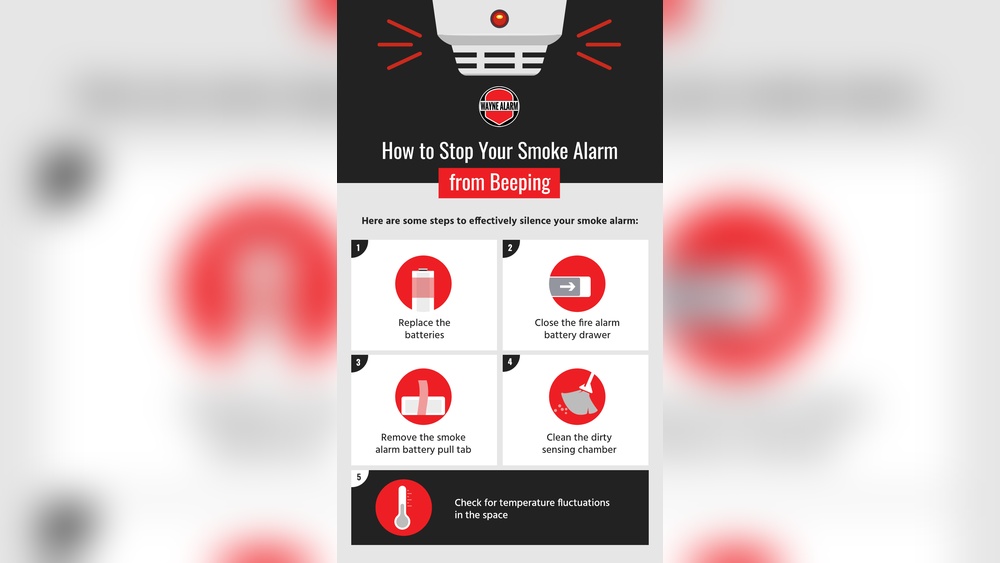
Most chirping sounds come from low batteries. The device signals you to replace the battery soon. Even a weak battery can cause this noise. Sometimes, the battery may be inside but old or dead.
Electrical Issues
Hardwired smoke detectors rely on home electricity. A power outage or loose connection can cause chirping. Faulty wiring can also trigger the alarm. These electrical problems make the device beep irregularly.
Dust And Debris
Dust buildup inside the smoke detector blocks sensors. Dirt can confuse the alarm system. This causes false chirping or frequent beeps. Cleaning the device regularly helps avoid this issue.
End Of Device Life
Smoke detectors do not last forever. Most devices work well for 8 to 10 years. After this, they start to chirp as a warning. The beep tells you it is time to replace the unit.

Credit: www.youtube.com
Safety First Before Fixing
Before you try to stop a smoke detector from chirping without a battery, safety must come first. Smoke detectors are connected to your home’s electrical system. Handling them without care can cause shocks or damage. Taking simple safety steps protects you and your home.
Turn Off Power Supply
Switch off the power to the smoke detector at your circuit breaker. This stops electricity flow and lowers the risk of electric shock. Always double-check that the power is off before you touch the detector. Safety is the top priority.
Use Proper Tools
Use tools made for electrical work. A screwdriver with an insulated handle helps avoid shocks. Avoid using random household tools that can slip or cause damage. Proper tools make the job easier and safer.
Wear Protective Gear
Wear safety gloves to protect your hands from electric shocks. Use safety glasses to keep dust and debris out of your eyes. Protective gear reduces injury risk and keeps you safe during the repair.
Quick Fixes To Stop Chirping
Chirping smoke detectors without batteries can be very annoying. The noise often means the detector needs attention. Quick fixes can stop the sound fast. These steps help maintain safety and peace in your home. Simple actions may solve the problem without extra tools.
Resetting The Detector
Resetting the smoke detector often stops the chirping. Find the reset button on the unit. Press and hold it for 15 seconds. This clears error signals and resets the system. If the chirping stops, the issue is fixed.
Cleaning The Sensor
Dust and dirt on the sensor cause false alarms. Use a soft brush or vacuum to clean the detector. Gently remove debris from all sides. Clean sensors improve detector function and stop chirps. Regular cleaning prevents future issues.
Checking Wiring Connections
Loose wiring can trigger the smoke detector to chirp. Turn off power to the unit at the breaker. Inspect the wires inside the detector. Tighten any loose connections carefully. Secure wiring stops electrical problems causing chirps.
Removing And Replacing The Unit
Sometimes the smoke detector is old or damaged. Remove the detector from its mounting bracket. Check for signs of wear or damage. Replace with a new unit if needed. A new detector works properly and stops noise.
When To Replace Your Detector
Knowing when to replace your smoke detector is important for safety. A detector may start chirping even without a battery due to age or malfunction. This section helps you identify signs that show your detector needs replacement. Also, it explains how long smoke detectors usually last and what to consider when choosing a new one.
Signs Of Malfunction
Chirping sounds that do not stop may mean the detector is faulty. Sensors inside can wear out over time. A detector that does not respond to test buttons may be broken. Dust or dirt buildup can also cause false alarms. If cleaning does not help, replacement is best. Cracks or physical damage to the device are clear signs too.
Recommended Replacement Period
Smoke detectors usually last about 8 to 10 years. After this period, their ability to detect smoke declines. Manufacturers suggest replacing the whole unit, not just batteries. Older models may not meet current safety standards. Regularly check the manufacture date on the back of the detector. Set reminders to change detectors on time for safety.
Choosing A New Detector
Pick a detector that fits your home’s needs. Photoelectric detectors work well for slow, smoldering fires. Ionization detectors respond faster to fast flames. Combination detectors offer both types of sensing. Look for units with a sealed, long-life battery. Choose detectors with clear, loud alarms. Easy installation and testing features are helpful too.
Preventing Future Chirping
Chirping smoke detectors can be annoying, especially without a battery. Preventing this noise helps keep your home safe and quiet. Simple steps can stop chirping before it starts. Regular care and attention keep your smoke detector working well.
Regular Maintenance Tips
Clean your smoke detector every month. Dust and dirt can cause false alarms and chirping. Use a soft brush or vacuum to remove debris. Test the alarm regularly to make sure it works. Replace the smoke detector every 10 years for best safety.
Battery Replacement Schedule
Change batteries at least once a year. Use fresh, high-quality batteries for longer life. Mark the date on the battery to track changes. Avoid using old or low-quality batteries that cause chirping. Remember, some detectors have sealed batteries that last 10 years.
Proper Installation Practices
Install smoke detectors in the right spots. Avoid placing them near windows or vents where airflow affects sensors. Mount them on ceilings or high on walls for better detection. Keep them away from kitchens and bathrooms to avoid false alarms. Follow the manufacturer’s instructions for best results.

Credit: www.angi.com

Credit: waynealarm.com
Frequently Asked Questions
Why Is My Smoke Detector Chirping Without A Battery?
A smoke detector chirps without a battery due to residual power or internal faults. Dust or debris can also trigger false alerts. Regular cleaning and resetting the unit often stops the chirping.
How Can I Silence A Chirping Smoke Detector Without Batteries?
To silence it, press and hold the reset button for 15-20 seconds. Cleaning the detector with a vacuum can remove dust causing chirps. If it persists, consider replacing the unit.
Can Dust Cause Smoke Detector Chirping Without Batteries?
Yes, dust buildup can interfere with sensor function, causing chirping noises. Regularly clean your detector with a soft brush or vacuum to prevent false alarms and chirping.
Is It Safe To Remove A Smoke Detector Battery To Stop Chirping?
Removing the battery stops chirping temporarily but disables smoke detection, risking safety. Instead, clean and reset the unit or replace faulty detectors for continuous protection.
Conclusion
Stopping a chirping smoke detector without a battery is possible. Clean the sensor and check for dust or debris. Press the reset button to clear false alarms. Make sure the detector is properly installed and not loose. Regular maintenance helps avoid annoying sounds.
Stay safe by fixing issues early. A quiet detector means peace of mind. Keep your home safe and noise-free. Simple steps can solve the problem fast.