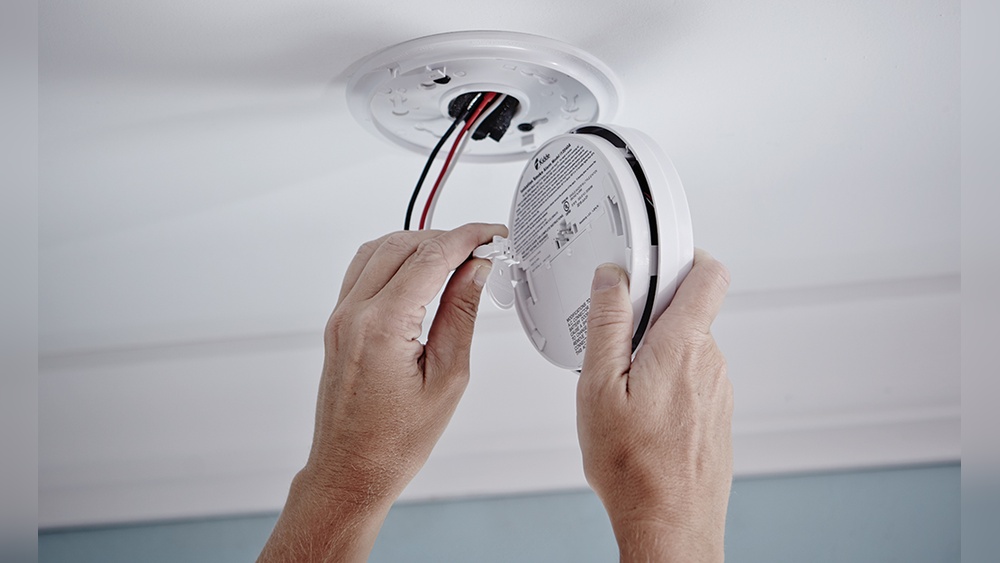

Your smoke detector is one of the most important devices in your home. It keeps you and your loved ones safe by alerting you to danger.
But what happens when it stops working? You might feel frustrated or unsure about what to do next. Don’t worry—fixing a smoke detector is easier than you think. You’ll discover simple steps to get your smoke detector back in shape quickly.
Keep reading, because your safety depends on it.

Credit: www.youtube.com
Common Smoke Detector Issues
Smoke detectors are vital for home safety. They warn about smoke and fire early. Yet, these devices can have common issues that cause trouble. Knowing these problems helps in fixing them fast. This keeps your home safe and your detector working well.
Below are frequent smoke detector problems and simple ways to understand them.
False Alarms
False alarms happen when the detector sounds without smoke. Dust inside the detector often causes this. Cooking fumes or steam can also trigger it. These false alerts can be annoying and make people ignore real alarms. Cleaning the detector regularly helps reduce false alarms.
Noisy Beeping
A loud beep or chirp means the detector needs attention. Usually, it signals a low battery. Sometimes, the detector is old or faulty. The beeping can happen at odd times, like during the night. Replacing the battery or the entire unit often stops the noise.
Power Problems
Power issues stop the detector from working properly. Battery-powered detectors need fresh batteries. Hardwired detectors might have wiring or power supply faults. If the detector has no power, it cannot alert you to danger. Regular checks ensure the power source is working well.
Tools And Materials Needed
Fixing a smoke detector requires some basic tools and the right parts. Having these ready makes the job faster and safer. Prepare everything before you start to avoid interruptions.
Basic Tools
- Screwdriver – Phillips or flathead depending on your detector screws.
- Step ladder – To reach ceiling-mounted detectors safely.
- Multimeter – To check battery and electrical connections.
- Flashlight – Useful in low light or tight spaces.
- Wire stripper – Needed if wiring repairs are required.
Replacement Parts
- New batteries – Usually 9V or AA, depending on your model.
- Smoke detector unit – If the current one is faulty or outdated.
- Mounting bracket – If the original is damaged or missing.
- Wire connectors – For secure electrical connections.
Step-by-step Fixes
Fixing a smoke detector is often simple and quick. Following a clear, step-by-step process helps you solve common problems fast. This guide shows easy fixes anyone can do. No special tools or skills needed.
Resetting The Detector
Start by pressing the reset button on the detector. Hold it for about 15 seconds. This clears any errors or false alarms. If the light stops flashing, the reset worked. Test the detector by pressing the test button. It should beep loud and clear.
Replacing The Battery
Open the smoke detector’s cover carefully. Remove the old battery and replace it with a new one. Use the correct battery type as shown in the manual. Close the cover firmly. Press the test button to check if it works. Replace batteries every six months for safety.
Cleaning The Sensor
Turn off power to the smoke detector for safety. Use a soft brush or vacuum cleaner to remove dust. Clean around the sensor and vents gently. Dust can stop the detector from sensing smoke. After cleaning, turn the power back on. Test the detector to ensure it works well.
Checking The Wiring
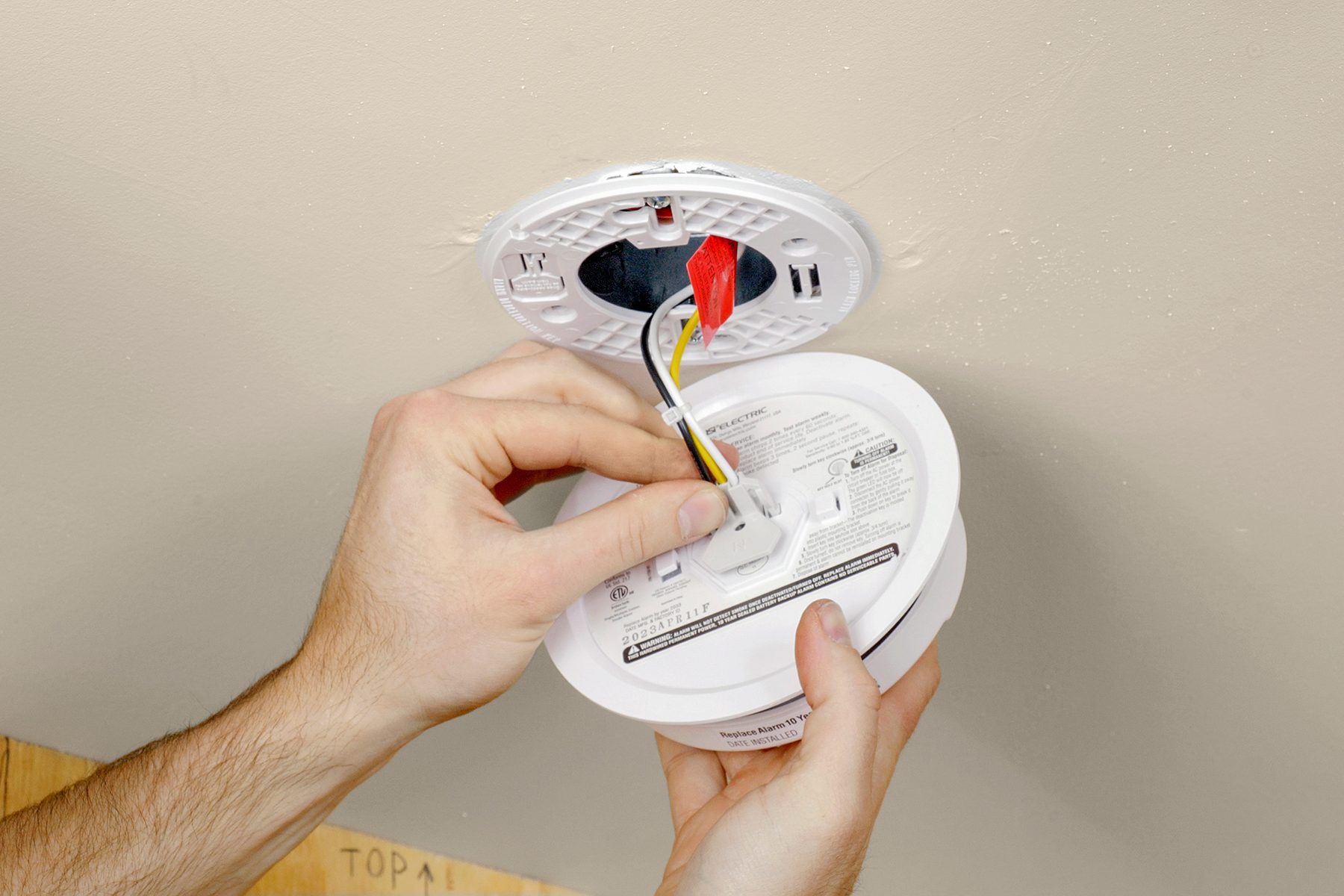
If your smoke detector is wired, check the connections carefully. Turn off the power from the main switch. Remove the detector from the ceiling or wall. Look for loose or damaged wires. Tighten any loose wires or replace damaged ones. Reattach the detector and turn the power back on. Test the alarm to confirm proper wiring.
Testing Your Smoke Detector
Testing your smoke detector is a key step in home safety. It ensures the device works properly and will alert you in case of fire. Regular checks prevent false alarms and missed warnings.
Test your smoke detector at least once a month. This keeps it ready to protect your family and home. Here are two easy ways to test your device.
Using The Test Button
Most smoke detectors have a test button. Press and hold it for a few seconds. The alarm should sound loud and clear. If it doesn’t, replace the batteries or the whole unit.
This method is quick and safe. It checks the battery and sound system at once. Always follow the manufacturer’s instructions for testing.
Smoke Test Methods
Another way to test is by using smoke. Light a match or candle, then blow it out. Hold the smoke near the detector’s sensor. The alarm should go off within seconds.
Do not place real fire near the detector. Use smoke from a safe source only. This test checks if the sensor detects actual smoke, not just the battery.
When To Replace The Detector
Knowing when to replace a smoke detector is vital for home safety. A detector that no longer works well can fail to alert you in an emergency. Checking your smoke detector regularly helps ensure it stays reliable. Understanding its lifespan and signs of damage guides you on when to get a new one.
Lifespan Of Smoke Detectors
Most smoke detectors last about 8 to 10 years. After this time, their sensors may weaken. The battery life does not equal the detector’s lifespan. Even with new batteries, old detectors might not work well. Mark the purchase date on the device to track its age easily.
Signs Of Irreparable Damage
Some signs mean the detector needs replacement right away. If it fails to sound during tests, it might be broken. Physical damage like cracks or corrosion also hurts its function. Frequent false alarms can indicate sensor problems. Dust or insect buildup inside can cause errors but cleaning may help.
Credit: www.familyhandyman.com
Preventive Maintenance Tips
Preventive maintenance keeps smoke detectors working well and saves lives. Regular care stops false alarms and ensures early fire alerts. Small steps extend the life of your device. Follow these simple tips to maintain safety at home.
Regular Cleaning
Dust and dirt block smoke sensors. Clean your smoke detector every month. Use a soft brush or vacuum cleaner. Avoid water or liquid cleaners. Clean sensors detect smoke faster and reduce false alarms.
Scheduled Battery Replacement
Replace batteries twice a year. Use fresh batteries for best results. Test the alarm after changing batteries. Weak batteries cause the alarm to fail. Keep spare batteries nearby for quick replacement.
Proper Placement
Install smoke detectors on every floor. Place them near bedrooms and kitchens. Avoid corners and drafts. Keep detectors away from windows and vents. Correct placement improves smoke detection speed and accuracy.

Credit: www.youtube.com
Frequently Asked Questions
How Do I Reset A Smoke Detector After It Beeps?
To reset a smoke detector, first press and hold the test button. Remove the battery, wait for 15 seconds, then reinsert it. Finally, press the test button again to ensure it’s working properly.
What Causes A Smoke Detector To Stop Working?
A smoke detector may stop working due to dead batteries, dust buildup, or faulty wiring. Regular cleaning and battery replacement help maintain its functionality and safety.
How Often Should I Replace My Smoke Detector?
Smoke detectors should be replaced every 10 years. Over time, sensors degrade, reducing effectiveness. Regular replacement ensures your smoke detector provides reliable fire detection.
Can I Fix A Smoke Detector Myself Safely?
Yes, you can fix common issues like battery replacement and cleaning safely. For wiring or sensor problems, consult a professional to avoid hazards and ensure proper repair.
Conclusion
Fixing a smoke detector helps keep your home safe. Regular checks prevent false alarms and ensure it works well. Always replace batteries when needed and clean dust gently. If it still does not work, consider replacing the unit. A working smoke detector gives peace of mind at all times.
Safety starts with small steps like these. Stay alert and protect your family every day.