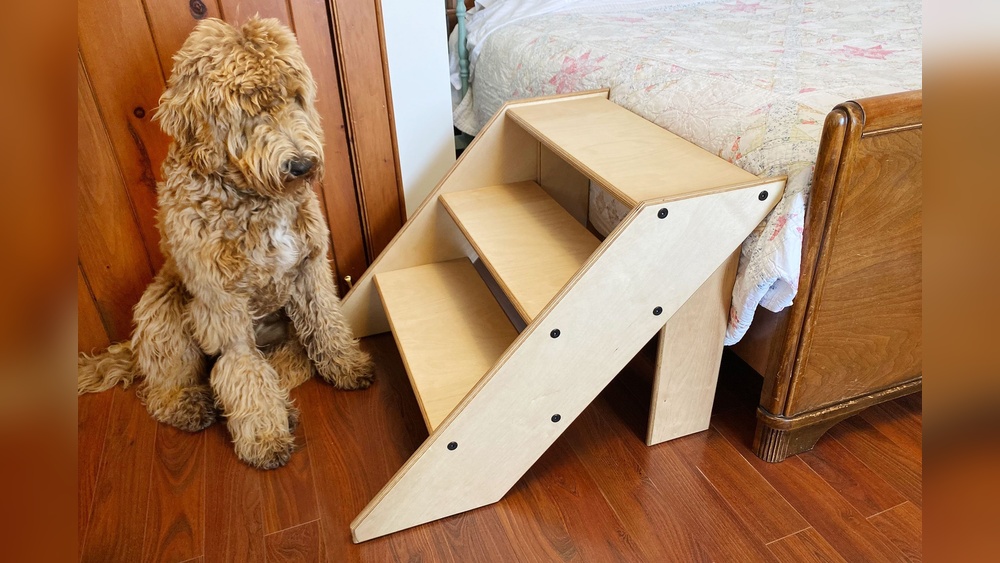

If your pet struggles to climb onto the couch or bed, pet stairs can be a game-changer. You might think buying them is the only option, but what if you could make your own?
Making pet stairs yourself lets you customize the size, style, and comfort exactly for your furry friend. Plus, it can save you money and bring a sense of pride. In this guide, you’ll discover simple steps to create safe, sturdy pet stairs that fit your home perfectly.
Ready to help your pet move around with ease? Keep reading to learn how you can make pet stairs that both you and your pet will love.

Credit: mildmile.com
Choosing Materials
Choosing the right materials is the first step in making pet stairs. The materials affect how safe, strong, and comfortable the stairs will be. Good materials make the stairs last longer and keep your pet happy.
Focus on wood types, safety features, and the tools you need. Each choice plays a big role in the final product. Let’s explore how to pick the best materials for your pet stairs.
Selecting The Right Wood
Wood is the main material for pet stairs. Choose wood that is strong but light. Pine and cedar are good options. They are easy to work with and not too heavy.
Avoid soft wood that breaks easily. Hardwoods like oak are very strong but can be heavy. Balance strength and weight for your pet’s needs.
Considering Safety And Comfort
Safety is very important. Use wood without splinters or sharp edges. Sand all surfaces smooth to avoid hurt paws.
Add non-slip pads or carpet on each step. This helps pets climb without slipping. Comfort also matters. Soft materials make stairs easier to use.
Gathering Tools And Supplies
Prepare tools before starting your project. You need a saw, drill, screwdriver, and sandpaper. Have wood glue and nails or screws ready.
Gather non-slip pads or carpet pieces for the steps. Measuring tape and pencil help make precise cuts. Proper tools make the job safer and faster.
Measuring Your Pet
Measuring your pet correctly is the first step to making safe and comfortable pet stairs. Accurate measurements ensure the stairs fit your pet’s size and needs. This helps avoid strain and makes climbing easier. Take your time with each measurement. Use a tape measure or ruler for best results.
Determining Step Height
Step height should match your pet’s leg length. Measure from the floor to your pet’s lower front paw joint. This is usually the best height for each step. Too high steps can cause strain. Too low steps make climbing difficult. Keep step height consistent for safety and comfort.
Calculating Stair Width And Depth
Stair width should be wider than your pet’s body. Measure your pet’s widest part, usually the shoulders or hips. Add a few inches for easy movement. Depth is the front-to-back space of each step. It should be long enough for your pet’s whole paw. This prevents slipping and provides stability. Proper width and depth help your pet climb with confidence.
Cutting And Preparing Wood
Cutting and preparing wood is a key step in making pet stairs. Accurate cuts ensure safety and stability. Proper preparation makes the stairs comfortable for your pet. This process takes time but results in strong, neat stairs your pet will enjoy.
Marking Step Dimensions
Start by measuring the size of each step. Use a pencil and ruler to mark the wood clearly. Each step should be wide and deep enough for your pet’s paws. Mark all pieces before cutting to avoid mistakes. Double-check measurements for accuracy.
Cutting Wood Pieces
Use a saw to cut along the marked lines carefully. Cut slowly to keep edges straight and clean. Wear safety goggles to protect your eyes. Cut all pieces for steps and supports. Keep the wood stable while cutting to prevent slips.
Sanding Edges For Smoothness
Sand all edges and surfaces with sandpaper or a sanding block. Smooth edges prevent splinters that can hurt your pet. Sand until the wood feels soft and safe to touch. Check all pieces again to ensure no rough spots remain. This step improves the look and safety of the stairs.

Credit: kdfoundation.org
Assembling The Stairs
Assembling the pet stairs is a key step in this DIY project. It brings all parts together into a useful structure. Careful assembly ensures the stairs are safe and durable for your pet’s use.
Follow each step closely. Take time to check each connection. The goal is to create a sturdy, stable set of stairs your pet can trust.
Attaching Steps To Frame
Begin by positioning the steps on the frame. Align them evenly for balance. Use screws or nails to fix each step firmly in place.
Pre-drill holes to avoid splitting the wood. Tighten fasteners securely but avoid over-tightening. Check that every step stays level and flat.
Ensuring Stability And Support
Test the frame’s stability before final use. Press down gently on each step to check for movement. Add extra support brackets if needed.
Use wood glue on joints for added strength. Sand rough edges to prevent splinters or slips. Place the stairs on a flat surface to ensure even balance.
Adding Comfort Features
Adding comfort features to pet stairs makes them safer and more inviting. Pets feel more secure with soft, stable steps. Comfort helps pets use stairs easily and without fear. Small changes can make a big difference in their experience.
Applying Non-slip Surfaces
Non-slip surfaces stop pets from slipping and falling. Use textured tape or rubber mats on each step. These materials provide good grip for paws. Make sure the surface covers the whole step. Check the grip often to keep it effective and safe.
Optional Padding And Covers
Padding adds softness to hard stairs. Foam or cushioned covers work well for this. They protect pets’ joints and make climbing gentle. Choose covers that are easy to clean. Removable covers help keep stairs fresh and neat.
Finishing Touches
Finishing touches bring your pet stairs to life. They protect the wood and improve its look. These steps make the stairs safe and long-lasting for your pet. Focus on two main parts: painting or staining, and sealing for durability.
Painting Or Staining
Choose paint or stain based on your style and needs. Paint offers bright colors and full coverage. Stain highlights the natural wood grain. Both options protect the wood from dirt and wear. Use pet-safe, non-toxic paint or stain. Let each coat dry fully before adding another. This gives a smooth, even finish.
Sealing For Durability
Sealing locks in color and shields the wood from moisture. It prevents scratches and damage from pet claws. Use a clear, water-based sealer for safety. Apply two or more thin coats for best results. Allow enough drying time between coats. This step extends the life of your pet stairs.
Testing And Adjusting
Testing and adjusting your pet stairs is important for safety and comfort. It ensures the stairs are strong and your pet feels safe. This step helps find any problems before your pet uses the stairs daily.
Checking Stair Stability
Place the stairs on a flat surface. Press down on each step to check for movement. Make sure the stairs do not wobble or shift. Tighten screws or add glue if any part feels loose. Stability prevents accidents and builds your pet’s trust.
Encouraging Pet Use
Show your pet the stairs gently. Use treats or toys to guide them up and down. Praise your pet for using the stairs. Practice short sessions to build confidence. Adjust the step height if your pet seems uncomfortable. Patience helps your pet learn and enjoy the new stairs.
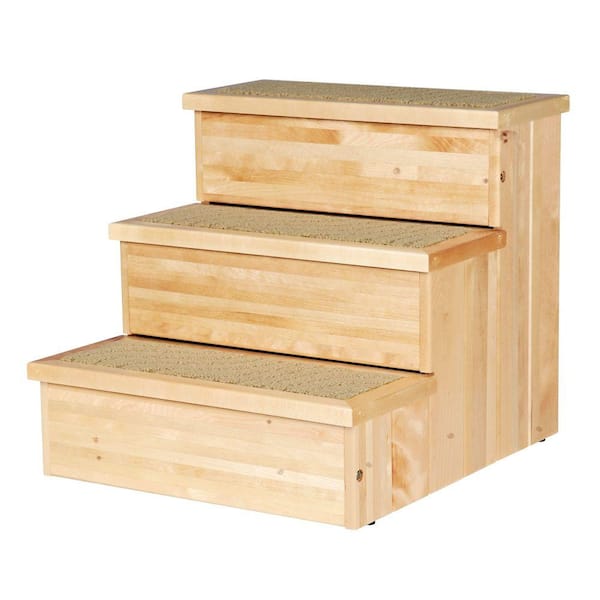
Credit: www.homedepot.com
Frequently Asked Questions
What Materials Are Best For Making Pet Stairs?
Wood, foam, and carpet are popular materials for pet stairs. Wood offers durability, foam provides lightweight comfort, and carpet adds traction. Choose materials based on your pet’s size, weight, and mobility needs for safe and stable stairs.
How Do You Measure Pet Stairs For Your Pet?
Measure your pet’s height and the height of the furniture or area. Calculate step height around 6-8 inches for small pets. Ensure step width fits your pet’s paws comfortably to prevent slipping or discomfort.
Can I Make Diy Pet Stairs Without Tools?
Yes, simple pet stairs can be made using pre-cut foam blocks and adhesive. No advanced tools are needed. This is ideal for lightweight, temporary stairs but may lack durability for larger pets.
How Do You Add Traction To Pet Stairs?
Use non-slip carpet, rubber mats, or adhesive grip tape on steps. These materials prevent slipping and improve safety. Proper traction is crucial, especially for older or less agile pets.
Conclusion
Making pet stairs is simple and helps your pet stay safe. Use sturdy materials and measure carefully for the best fit. Add soft covers to protect paws and avoid slipping. Pet stairs give your furry friend easy access to couches or beds.
This small project saves money and keeps pets comfortable. Enjoy building something that makes your pet happy and healthy.