Is that annoying chirping sound coming from one of your smoke detectors? You know the one—it beeps at regular intervals, making it hard to ignore.
But which smoke detector is actually causing the noise? Finding the right device can feel like searching for a needle in a haystack, especially if you have several installed around your home. Don’t worry—this guide will help you quickly identify the culprit.
By the end, you’ll know exactly how to stop the chirping and keep your home safe and quiet. Keep reading to find out how!
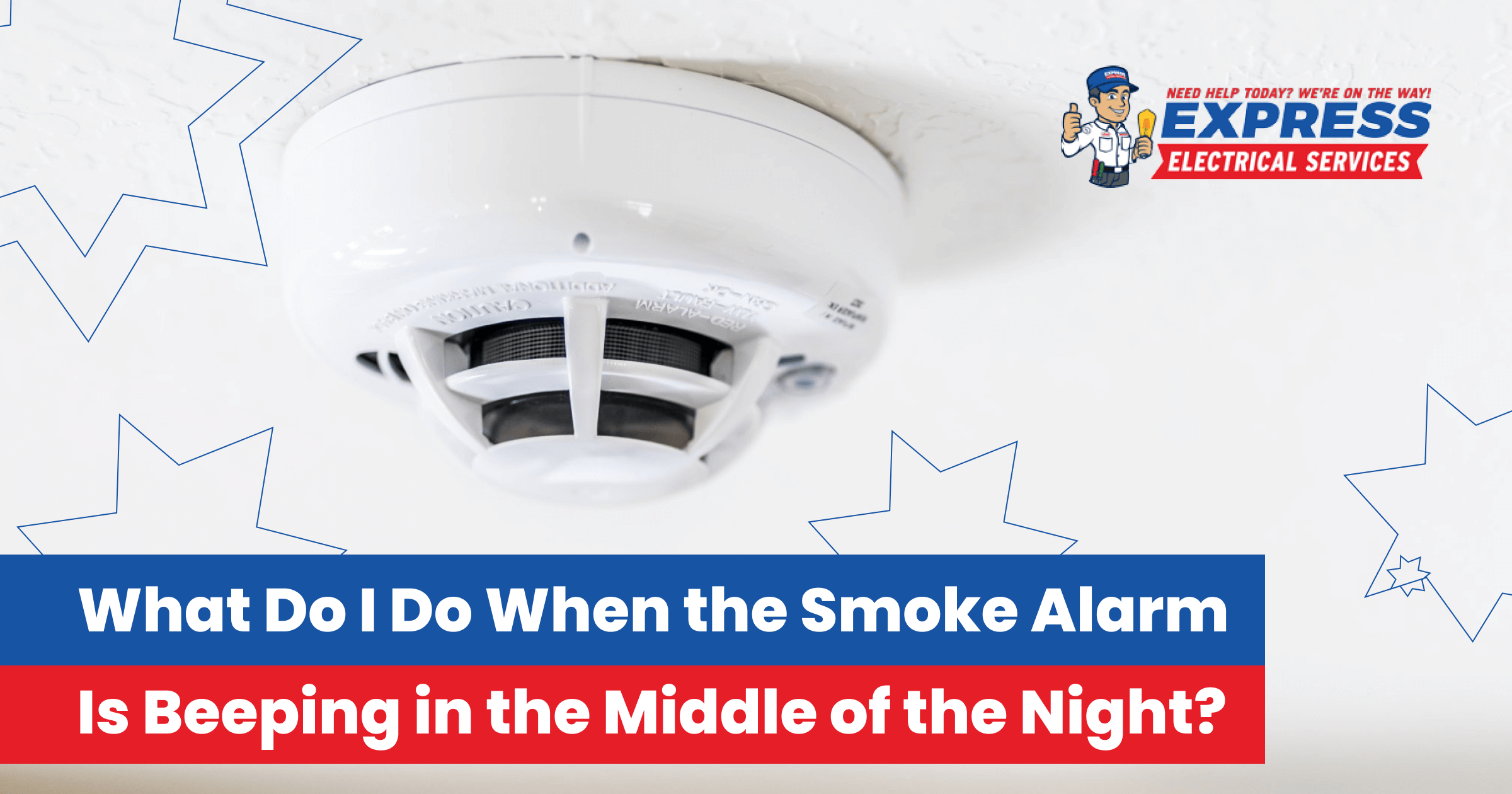
Credit: expresselectricalservices.com
Why Smoke Detectors Chirp
Smoke detectors chirp to alert you about important issues. These sounds help keep your home safe. Knowing why a smoke detector chirps helps you fix the problem fast. It also stops the annoying noise. Most chirps mean the device needs attention. Understanding the reasons behind the chirp saves time and worry.
Low Battery Signals
One common reason for chirping is a low battery. Smoke detectors need fresh batteries to work well. When power runs low, the device chirps to warn you. The chirp usually happens every minute or so. Replace the battery quickly to keep protection strong. Using the right battery type is important too.
Malfunction Alerts
Chirping can also mean the smoke detector is not working right. Dust or dirt inside the sensor can cause problems. Sometimes, the detector is old and needs replacement. A constant chirp may signal a fault in the device. Testing the smoke detector regularly helps spot these issues. Fixing or replacing faulty units keeps your home safe.
Environmental Factors
Environmental changes may trigger the chirping noise. High humidity or steam can confuse the sensor. Cooking smoke or dust from cleaning can also cause chirps. Make sure detectors are installed away from kitchens and bathrooms. Keeping detectors clean and dry reduces false alarms. Watch for any environmental cause if chirping starts suddenly.
Credit: support.firstalert.com
Identifying The Chirping Detector
Hearing a smoke detector chirp can be annoying and worrying. The chirping usually means the battery is low or the detector needs attention. Finding the exact unit that is making the noise is important. This helps you fix it quickly and keep your home safe.
Listening For Location
Start by standing still and listening carefully. The chirp is often soft but close. Move around the house slowly. Pay attention to where the sound is the loudest. This can guide you to the room or hallway where the detector is located.
Checking Each Unit
Check all smoke detectors one by one. Look at each device and see if its light is blinking or if it sounds a chirp when you press the test button. Inspect the battery compartment. Sometimes a loose or old battery causes the noise.
Using A Process Of Elimination
If you cannot find the chirping unit by listening or checking, try this method. Remove batteries from each detector, one at a time. Wait a few minutes after taking out a battery. If the chirping stops, you found the source. Replace the battery and test the detector before putting it back.
Tools To Help Find The Chirp
Finding the smoke detector that is chirping can be tricky. The sound can come from any room or hallway. Tools help make this task easier and faster. They help you locate the exact source of the noise without stress or guesswork.
Using A Flashlight
A flashlight helps you see better in dark or hard-to-reach places. Shine it near each smoke detector. Look for blinking lights or signals that match the chirping. This method works well at night or in dim rooms.
Employing A Detector Locator
A detector locator is a small device designed to find smoke alarms. It listens for the chirp and points you to the source. These locators save time by narrowing down the exact alarm causing the noise. They are handy for homes with many detectors.
Smartphone Apps
Some smartphone apps can detect chirping sounds. They use your phone’s microphone to pick up the beep. The app then guides you to the alarm’s location. This tool is convenient and easy to use for any home.
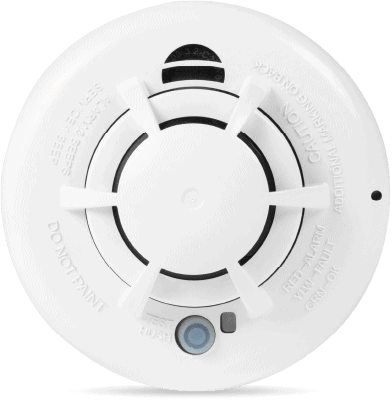
Credit: www.security.org
Quick Fixes For Chirping Smoke Detectors
Chirping smoke detectors cause stress and disrupt peace. Fixing the problem quickly keeps your home safe and quiet. Most chirps are simple alerts for maintenance. This section guides you through fast and easy fixes.
Replacing Batteries
Most chirping sounds mean low battery power. Open the detector’s cover gently. Remove the old battery and replace it with a new one. Use the battery type recommended by the manufacturer. Close the cover securely. The chirping should stop within seconds.
Resetting The Unit
Sometimes the detector needs a reset to stop chirping. Press and hold the test button for 15 seconds. This clears errors and resets the alarm. If it still chirps, try removing the battery first. Wait for one minute before reinserting it. Resetting often solves minor glitches.
Cleaning The Detector
Dust and dirt cause false chirping alerts. Use a vacuum cleaner or soft brush to clean vents. Avoid using water or cleaning sprays on the unit. Clean the detector every six months for best results. Keeping it clean ensures accurate smoke detection.
Preventing Future Chirps
Chirping smoke detectors can be annoying and cause stress. These sounds warn you about battery or device issues. Preventing future chirps helps keep your home safe and quiet. It also saves time and keeps detectors working well.
Regular Maintenance Tips
Clean smoke detectors every month. Dust and dirt can cause false chirps. Use a soft brush or vacuum to remove debris. Test each detector once a month. Press the test button to check if it works. Replace any detector that fails the test. Keep detectors away from kitchens or bathrooms. Steam and smoke can trigger false alarms.
Battery Replacement Schedule
Change batteries at least once a year. Use fresh, high-quality batteries. Mark the date on the battery or detector. Some detectors use sealed batteries lasting 10 years. For these, replace the whole unit after 10 years. Don’t wait for chirps to change batteries. Regular replacement stops chirping and ensures safety.
Upgrading Older Detectors
Replace detectors older than 10 years. Technology improves over time. New detectors are more reliable and less likely to chirp. Consider detectors with long-life batteries. Some models connect to your phone for alerts. New detectors also detect smoke and carbon monoxide. Upgrading means better safety and fewer false alarms.
When To Call A Professional
Knowing when to call a professional for a chirping smoke detector is important. Some problems require expert help to keep your home safe. This section helps you understand when to seek professional assistance.
Persistent Chirping Issues
Chirping that continues despite battery changes needs attention. A professional can check the detector’s internal parts. They ensure the device works correctly and safely.
Wiring Or Electrical Concerns
Hardwired smoke detectors may have wiring problems causing chirps. Electrical issues can be dangerous and need expert handling. Calling a professional electrician avoids risks and fixes the problem properly.
Detector Replacement Advice
Professionals can advise if your smoke detector needs replacing. Age and damage reduce detector effectiveness. Experts help choose the right model and install it correctly.
Frequently Asked Questions
Why Is My Smoke Detector Chirping Intermittently?
A chirping smoke detector signals low battery or a malfunction. Replace the battery first. If chirping continues, clean the unit or replace it.
How To Identify Which Smoke Detector Is Chirping?
Listen carefully near each detector. The one emitting the chirp is the problem. Some models also flash a light when chirping.
Can A Dirty Smoke Detector Cause Chirping Sounds?
Yes, dust or debris can trigger chirping. Clean the detector regularly with a vacuum or soft brush to prevent false alarms.
What Does A Continuous Chirp From A Smoke Detector Mean?
Continuous chirping often indicates a critical battery issue or device failure. Replace batteries immediately or consider replacing the detector.
Conclusion
A chirping smoke detector needs quick attention. Find the source by listening carefully. Check each unit one by one. Replace old batteries or the whole detector if needed. Regular checks keep your home safe. Don’t ignore the sound; it warns of danger.
Stay alert and act fast to protect your family. Simple steps can prevent bigger problems. Trust your ears and stay safe every day.