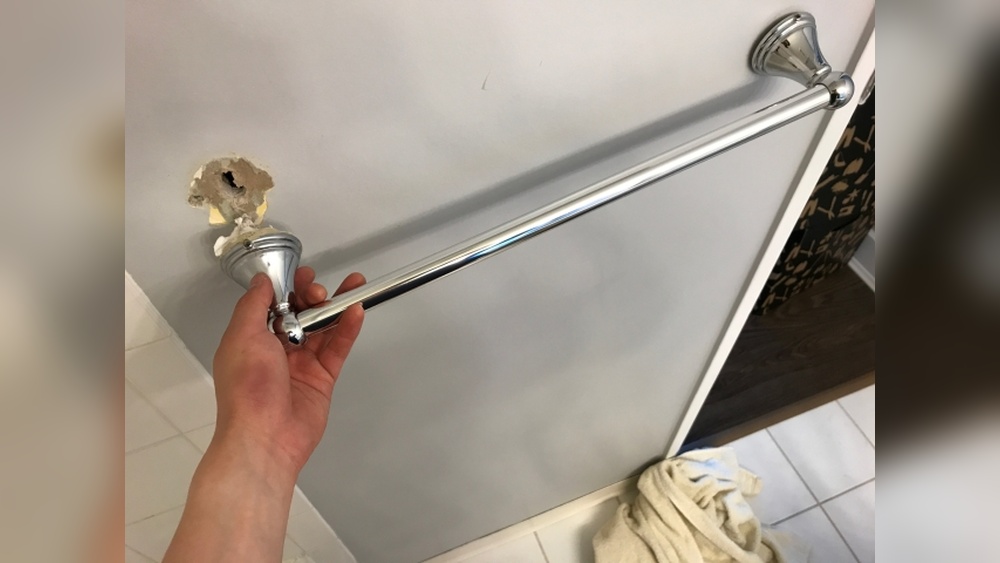

Is your wall mounted towel rack loose, crooked, or falling off? Don’t worry—you can fix it yourself without calling a handyman.
Imagine having a sturdy towel rack that stays put, keeps your towels neat, and adds a polished look to your bathroom. In this guide, you’ll learn simple steps to repair and secure your towel rack quickly. By the end, you’ll save money and feel proud of your handiwork.
Ready to bring your towel rack back to life? Let’s get started!
Tools And Materials Needed
Fixing a wall mounted towel rack needs the right tools and materials. Having these ready makes the repair quick and smooth. This list covers everything you need to get started. Simple tools and correct replacement parts keep your rack sturdy and safe.
Basic Tools
You need a screwdriver to remove screws and tighten them. A drill helps make new holes in the wall if needed. A level checks that the rack is straight. A measuring tape measures space and screw placement. A pencil marks spots on the wall. A stud finder locates wall studs for strong mounting. A wrench or pliers can help with bolts or nuts.
Replacement Parts
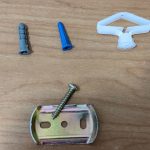
Sometimes screws or anchors break or rust. Have new screws that fit your towel rack. Wall anchors provide extra support in drywall. Replacement brackets hold the rack securely to the wall. If the rack bar is bent or damaged, get a new one. Choose parts that match your rack’s size and style. Using the right parts ensures the rack stays firm.
Credit: www.homedepot.com
Identifying Common Issues
Identifying the common problems in a wall mounted towel rack helps fix it faster. Knowing what might be wrong prevents extra damage and saves time. Some issues are easy to spot. Others need a closer look.
Loose Mounting Brackets
Loose brackets cause the towel rack to wobble or tilt. Check by gently shaking the rack. If it moves easily, the brackets may need tightening. Sometimes screws inside the bracket loosen over time. Tightening them usually fixes this issue.
Broken Screws Or Anchors
Screws or anchors hold the rack to the wall. These can break or become weak. Look for screws that spin without tightening. Anchors may pull out from the wall. Replacing broken screws or anchors restores stability.
Damaged Rack Components
The rack itself can have broken parts. Bars may bend or crack. Hooks might snap off. Check each piece for damage. Replacing damaged components keeps the rack functional and safe to use.
Preparing For Repair
Preparing for repair is the first step to fix a wall mounted towel rack properly. It helps ensure the repair is smooth and lasts longer. Taking time to prepare prevents extra damage and saves effort later.
Start by removing the rack carefully. This gives full access to the wall and mounting points. After removal, clean the area well. A clean surface makes the repair stronger and more effective.
Removing The Rack
Check the rack for screws or mounting clips. Use a screwdriver to remove all screws holding the rack. Keep screws in a small container to avoid losing them. Gently pull the rack away from the wall. Avoid forcing it to stop wall damage.
If the rack is stuck, tap lightly with a soft tool. Work slowly to loosen it without breaking the wall or rack.
Cleaning The Area
Remove dust, dirt, and old adhesive from the wall. Use a damp cloth or sponge for cleaning. Dry the wall completely before starting repair work. Check for any cracks or holes and note them. Clean surfaces help new adhesive or screws hold better.
Proper cleaning also prevents mold or mildew growth behind the rack. This keeps the bathroom safe and fresh.

Credit: www.reddit.com
Fixing Loose Brackets
Loose brackets cause towel racks to wobble or fall. Fixing them keeps your rack steady and safe. The process is simple and requires only a few tools. Start by checking the screws and anchors. Small fixes can save you from big problems.
Tightening Screws
Locate the screws holding the bracket to the wall. Use a screwdriver to turn each screw clockwise. Tighten until the bracket feels firm. Avoid overtightening to prevent damage. Check all screws on the rack for looseness. Test the rack by gently pulling it. It should not move or wiggle.
Replacing Anchors
Wall anchors may wear out or break over time. Remove the bracket by unscrewing it completely. Pull out the old anchors from the wall. Choose new anchors that fit your wall type. Insert new anchors into the holes firmly. Reattach the bracket using screws that match the anchors. Tighten screws until the bracket is stable. Test the rack for a solid hold. New anchors provide a stronger grip.
Replacing Broken Parts
Replacing broken parts of a wall mounted towel rack can restore its function and look. This task saves money and reduces waste. It requires some care to find and fit the right parts. Understanding the process helps avoid mistakes and extra work.
Sourcing Compatible Components
Start by identifying the exact part that needs replacement. Check the rack’s brand and model for specific parts. Use these details to find matching components online or in stores. Choose parts made from similar materials for durability and style. Avoid generic parts that may not fit well or last long. Confirm measurements before buying to ensure compatibility.
Installing New Pieces
Gather simple tools like a screwdriver, drill, and level. Remove the broken part carefully without damaging the wall. Align the new part with existing holes or marks. Secure it tightly but do not overtighten screws. Check the rack’s stability by gently testing it. Adjust if the rack feels loose or uneven. Clean the area to finish the job neatly.
Reinstalling The Towel Rack
Reinstalling a wall mounted towel rack can restore order and convenience in your bathroom. This process ensures your towel rack stays secure and functional. Follow the steps carefully to avoid damage and ensure stability.
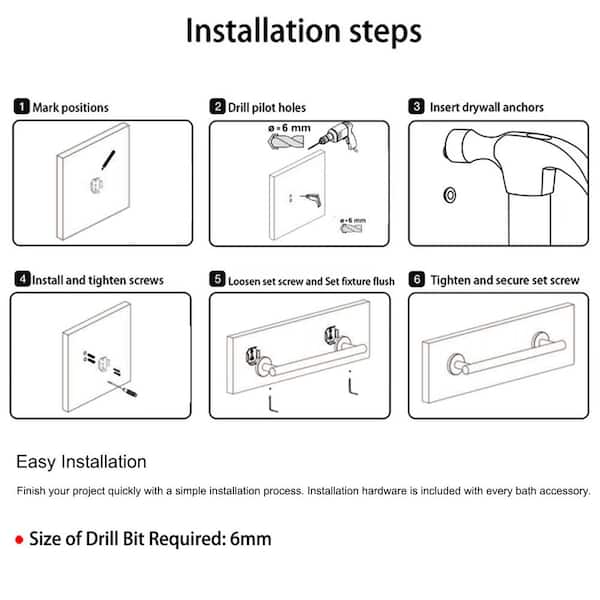
Marking Drill Points
Start by holding the towel rack against the wall. Use a pencil to mark the spots where screws will go. Check the marks are level and spaced correctly. Use a level tool for accuracy. This step prevents crooked installation and ensures support.
Securing The Rack Firmly
Drill holes at the marked points using the right size drill bit. Insert wall anchors if needed for extra hold. Align the rack with the holes, then screw it in tightly. Avoid over-tightening to prevent damage. Test the rack by gently pulling it to check stability.
Tips For Preventing Future Damage
Preventing damage to your wall mounted towel rack saves time and money. Small steps keep it sturdy and looking good. Following simple tips helps avoid loose screws and broken brackets. A well-maintained rack holds towels safely for years.
Focus on the rack’s weight limit and regular care. These actions protect your rack from common problems.
Weight Limits
Do not hang heavy items on the towel rack. Use it only for towels and light clothes. Exceeding weight limits causes the rack to bend or fall. Check the manufacturer’s instructions for maximum weight. Distribute weight evenly across the rack bars. Avoid stacking multiple towels on one spot.
Regular Maintenance
Inspect your towel rack every few months. Tighten any loose screws and brackets immediately. Clean the rack with a soft cloth to prevent rust. Avoid harsh chemicals that damage the finish. Replace damaged parts quickly to stop further issues. Regular care extends the life of your towel rack.

Credit: diy.stackexchange.com
Frequently Asked Questions
How Do I Fix A Loose Wall Mounted Towel Rack?
To fix a loose towel rack, tighten the screws with a screwdriver. If screws don’t hold, use wall anchors or toggle bolts for extra support. Ensure the rack is level before securing it firmly to the wall.
What Tools Are Needed To Repair A Towel Rack?
You need a screwdriver, wall anchors, a drill, a level, and measuring tape. These tools help you remove, secure, and realign the towel rack properly and safely on the wall.
Can I Fix A Broken Towel Rack Bracket Myself?
Yes, you can fix it by replacing the broken bracket with a new one. Unscrew the damaged bracket and install the new bracket using proper anchors and screws for a secure fit.
How To Prevent Towel Rack From Falling Off The Wall?
Use appropriate wall anchors suited for your wall type. Avoid overloading the rack and tighten screws regularly. Proper installation with the right hardware ensures stability and prevents falls.
Conclusion
Fixing a wall mounted towel rack is simple with the right steps. Check the screws and anchors for tightness. Use a level to keep the rack straight. Replace damaged parts to ensure it holds well. Taking time to fix it prevents future problems.
A sturdy towel rack keeps your bathroom neat and organized. Small repairs save money and hassle later. Try these tips to keep your rack secure and useful every day.