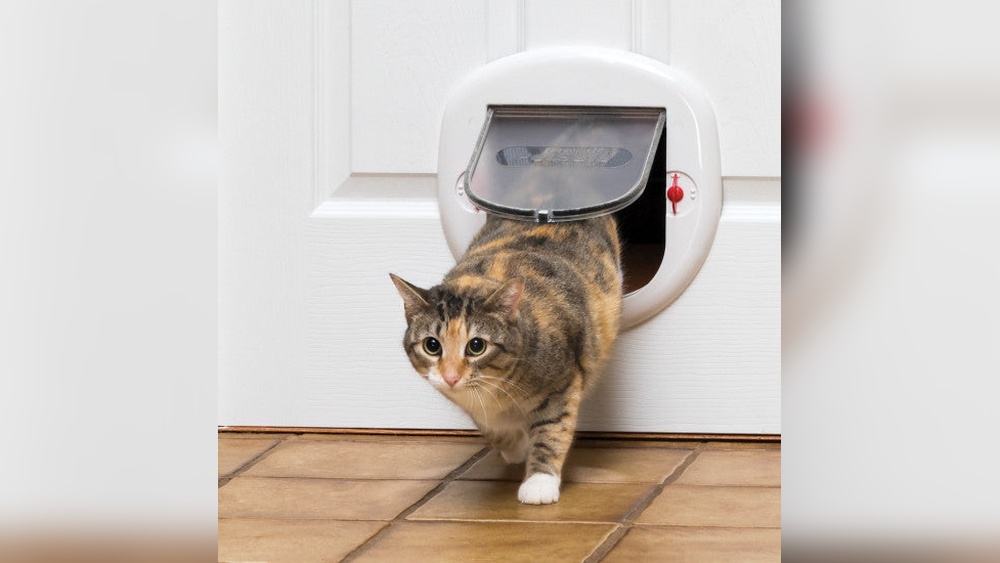

Teaching your cat to use a pet door can make life easier for both of you. Imagine never having to get up to let your furry friend in or out again.
But if you’re wondering how to get your cat comfortable with this new skill, you’re not alone. With the right approach, patience, and a few simple steps, you can help your cat master the pet door quickly. Keep reading, and you’ll discover easy tips that turn this challenge into a smooth success for you and your pet.
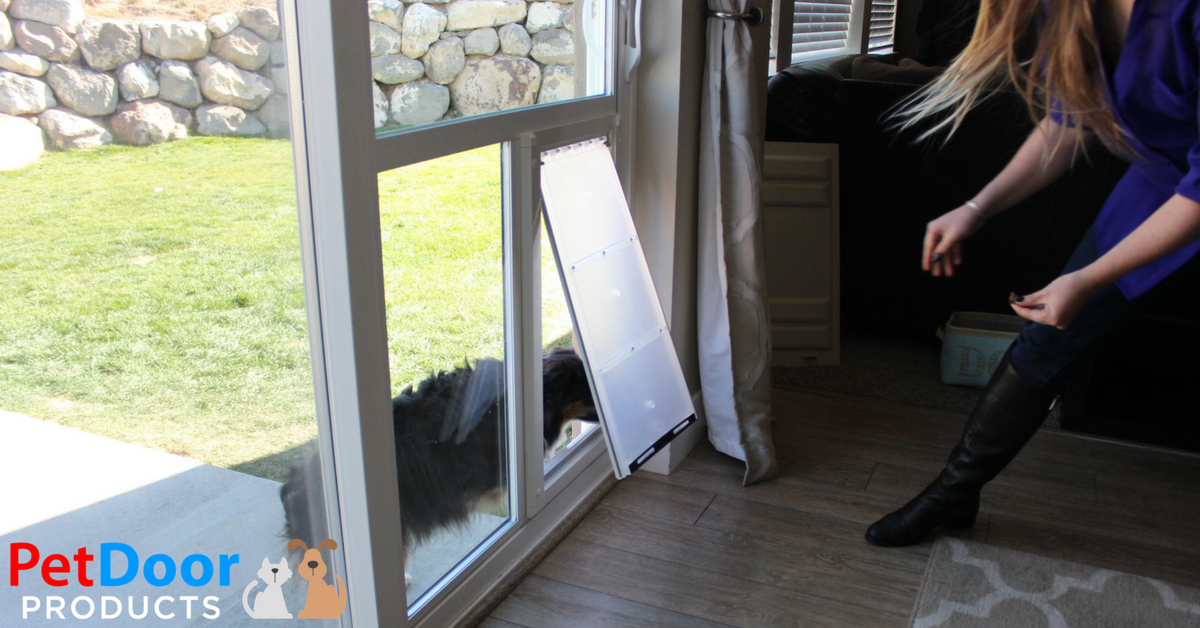
Credit: petdoorproducts.com
Choose The Right Pet Door
Choosing the right pet door is important for your cat’s comfort and safety. The right door helps your cat learn to use it quickly. It also keeps your home secure and energy-efficient. Consider several factors before buying a pet door for your cat.
Size And Type Options
Pick a pet door that fits your cat’s size. A door too small can hurt your cat or stop it from going through. A door too big can let in cold air or unwanted animals. There are flap doors, electronic doors, and sliding doors. Flap doors are simple and common. Electronic doors open only for your cat using a collar sensor. Sliding doors fit into glass or patio doors.
Material And Durability
Choose a door made from strong materials like plastic, metal, or wood. Plastic doors are light and easy to clean. Metal doors last longer and resist chewing. Wood doors blend well with home decor but may need more care. The door should resist weather and rough use. A durable door saves money and trouble over time.
Location Considerations
Place the pet door in a quiet, safe area for your cat. Avoid busy walls or doors near loud noises. Choose a spot with low traffic to reduce stress for your cat. The door should be easy to reach and use. Also, think about weather and security. A sheltered spot protects from wind and rain. A secure door keeps your home safe.
Introduce The Pet Door Gradually
Introducing a pet door to your cat takes time and patience. Start slowly to help your cat feel safe and curious. Gradual introduction makes the process easier and less stressful. Your cat will learn to use the door at its own pace.
Familiarize Your Cat With The Door
Let your cat see and sniff the pet door without pressure. Leave the door open at first. Place it where your cat spends time. This helps your cat get used to the new object in its space. Avoid forcing your cat near the door.
Use Positive Reinforcement
Reward your cat with treats or praise near the pet door. Use a calm and happy voice to encourage your cat. Give rewards each time your cat approaches the door. This builds a positive connection with the door. Avoid punishment or negative reactions.
Encourage Exploration
Make the pet door interesting by placing toys or treats on both sides. Let your cat explore the door at its own speed. Stay nearby to offer support and encouragement. Repeat this for several days until your cat shows interest. Curiosity helps your cat learn quickly.
Train Your Cat To Use The Door
Training your cat to use a pet door takes patience and clear steps. Cats need time to understand the new door and feel safe using it. Start slowly and keep the experience positive. Make sure your cat associates the door with good things.
Lure Your Cat With Treats
Hold a tasty treat near the pet door. Let your cat see and smell it. Place the treat just inside the door. This encourages your cat to approach the door. Use small, favorite treats to keep your cat interested. Repeat this a few times until your cat feels curious and comfortable.
Guide Through The Door
Gently guide your cat through the pet door. Use your hand or a toy to lead the way. Move slowly and stay calm. Let your cat push the door flap with its nose or paw. Help your cat understand it can pass through safely. Avoid forcing your cat; make it a fun game.
Repeat And Reward
Practice the steps several times each day. Always praise your cat after it uses the door. Give treats or gentle pets as a reward. Repetition builds confidence and habit. Soon, your cat will use the door on its own. Keep training short and positive to keep your cat happy.
Overcome Common Challenges
Teaching your cat to use a pet door can sometimes bring challenges. These hurdles may slow down the training process. Knowing how to handle common problems helps your cat learn faster. It creates a positive experience for both of you.
Fear Or Hesitation
Cats often fear new objects. The pet door may seem strange or scary. Let your cat explore the door slowly. Use treats and praise to encourage approach. Never force your cat through the door. Patience builds trust and reduces fear. Practice short sessions to keep your cat calm.
Door Stuck Or Difficult To Use
Sometimes, the door may be hard to push. A heavy flap can confuse your cat. Check if the door swings freely. Adjust or lubricate hinges if needed. Use a lighter door flap for small cats. Show your cat how to push it gently. Helping your cat understand the door’s movement is key.
Ignoring The Door
Some cats ignore the pet door completely. They may not see the benefit. Place treats or toys near the door. Encourage your cat to go through on their own. Make the other side of the door interesting. Consistent encouragement helps your cat notice the door. Keep training sessions short and fun.
Maintain The Pet Door
Maintaining the pet door is key to helping your cat use it well. A clean and well-kept door makes it easy for your cat to go in and out. It also keeps your home safe and comfortable. Small efforts every week can keep the door working smoothly for a long time.
Regular Cleaning
Clean the pet door often to remove dirt and dust. Use a damp cloth to wipe the flap and frame. This stops grime from building up and keeps the door easy to open. Check both sides of the door to clean any sticky spots. Clean doors help your cat feel comfortable using the pet door.
Check For Wear And Tear
Look at the pet door regularly for damage. Check the flap for cracks or holes. Inspect the frame for loose parts or broken hinges. Fix small problems quickly to avoid bigger ones. A strong door is safer and works better for your cat.
Seasonal Adjustments
Change the pet door settings with the seasons. In winter, add weather strips to stop cold air from coming in. In summer, open vents if your door has them to let fresh air flow. These changes keep your home cozy and your cat happy using the door all year.

Credit: cats.com
Credit: yourpetandyou.elanco.com
Frequently Asked Questions
How Do I Introduce My Cat To The Pet Door?
Start by showing the cat the door and encouraging curiosity. Use treats near the door flap. Gently push the flap to show it opens. Repeat these steps daily until the cat is comfortable.
How Long Does It Take For Cats To Learn Pet Doors?
Most cats learn within a few days to two weeks. Patience and consistent training speed up the process. Some shy cats may take longer but usually adapt well.
What If My Cat Is Afraid Of The Pet Door?
Use positive reinforcement like treats and praise. Avoid forcing the cat through the door. Gradually increase exposure time and allow exploration at the cat’s pace.
Can All Cats Use A Pet Door Easily?
Most cats can learn, but very old or disabled cats may struggle. Assess your cat’s health and mobility before training. Consult your vet if unsure.
Conclusion
Teaching your cat to use a pet door takes time and patience. Start slow and keep training sessions short. Use treats and praise to encourage your cat. Watch your cat’s progress closely and adjust as needed. Soon, your cat will feel confident using the door alone.
This skill helps your pet gain freedom safely. Enjoy the convenience and trust your cat learns well. Keep practicing, and your cat will thank you with ease.