
Are you wondering how much it will cost to install a smoke detector in your home? Knowing the price upfront can help you plan better and keep your family safe without breaking the bank.
Smoke detectors are essential for protecting your loved ones from fire hazards, but the cost can vary depending on several factors. You’ll discover the real expenses involved, what affects the price, and how to get the best value for your money.
Keep reading to make a smart, informed choice that keeps your home secure.

Credit: www.bhullarelectricalsandsolar.com.au
Types Of Smoke Detectors
Choosing the right smoke detector affects your safety and budget. Different types detect smoke in unique ways. Understanding these types helps you pick the best option for your home. Each type has pros and cons to consider.
Ionization Smoke Detectors
Ionization detectors use a small amount of radioactive material. They detect fast, flaming fires well. These devices respond quickly to smoke from flames. They are usually less expensive than other types. A downside: they may give false alarms from cooking smoke.
Photoelectric Smoke Detectors
Photoelectric detectors use light to spot smoke particles. They are better at sensing slow, smoldering fires. These fires produce more smoke than flames. Photoelectric detectors cause fewer false alarms. They cost slightly more than ionization models.
Dual-sensor Smoke Detectors
Dual-sensor detectors combine ionization and photoelectric technology. They cover both fast and slow fires. These detectors offer better overall protection. The price is higher but worth it for safety. Many homeowners prefer dual-sensor models for peace of mind.
Smart Smoke Detectors
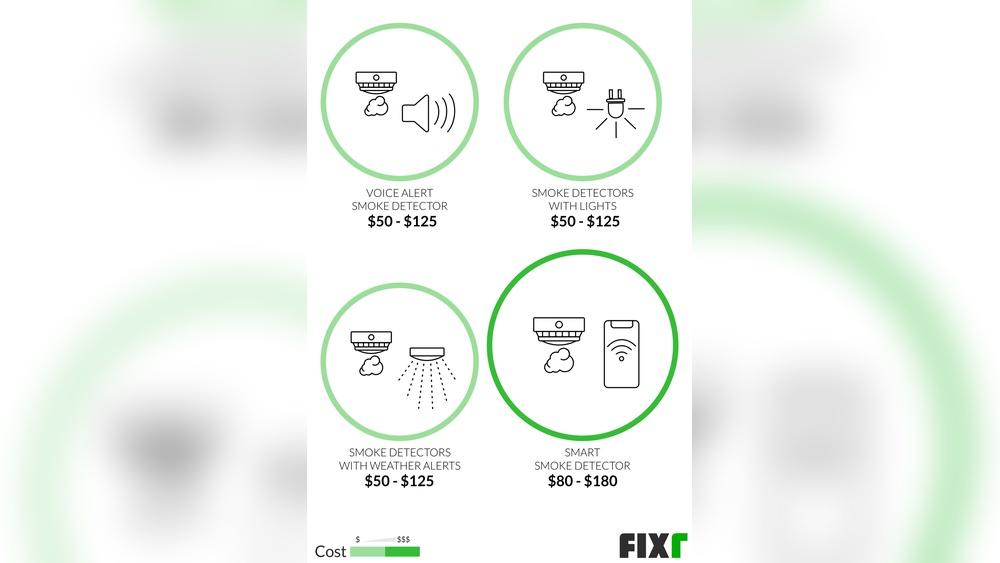
Smart smoke detectors connect to Wi-Fi and mobile apps. They send alerts to your phone anywhere. Some models include carbon monoxide detection too. These devices often have voice alerts and self-tests. Smart detectors cost more but add convenience and safety.
Factors Affecting Installation Cost
The cost to install a smoke detector changes based on several factors. Each factor affects the price differently. Understanding these factors helps plan your budget better.
Detector Type And Features
Smoke detectors come in many types. Some detect smoke using ionization, others use photoelectric sensors. Some models include both types for better safety. Features like voice alerts or smart connectivity add to the cost. Simpler models cost less but offer fewer features.
Number Of Units Needed
The total number of smoke detectors needed impacts cost. Larger homes require more units. Each unit adds to the overall price. Fewer detectors mean lower installation costs.
Wiring And Power Source
Smoke detectors can be battery-powered or hardwired. Battery models are cheaper and easier to install. Hardwired detectors connect to the home’s electrical system. Hardwired units often require a backup battery. Installing hardwired detectors costs more due to extra wiring work.
Labor And Installation Complexity
Labor costs vary by location and installer. Simple installations take less time and cost less. Complex setups, like installing multiple detectors or hardwiring, take more time. Difficult areas or high ceilings increase labor charges. Professional installation ensures safety but raises the price.
Average Price Ranges
Understanding the average price ranges helps plan your smoke detector installation. Costs vary by type and features. Knowing these ranges guides your budget and choices. Here are the common price ranges for different smoke detectors and extra costs.
Basic Smoke Detector Costs
Basic smoke detectors are the most affordable option. They usually cost between $10 and $30 each. These detectors run on batteries and are easy to install. They provide essential smoke detection without extra features.
Hardwired Smoke Detector Costs
Hardwired smoke detectors connect to your home’s electrical system. Prices range from $30 to $70 per unit. Installation requires professional help, which can add $100 to $200 more. These detectors offer reliable power and often include battery backup.
Smart Smoke Detector Costs
Smart smoke detectors come with Wi-Fi and app connectivity. Their prices range from $70 to $150 or higher. They offer alerts on your phone and can integrate with smart home systems. Installation may cost extra if wiring or setup is needed.
Additional Equipment Expenses
Extra costs might include mounting brackets or interconnect cables. These can add $10 to $50 to the total price. Professional installation fees vary by location and complexity. Always budget for these extra expenses to avoid surprises.

Credit: asmintegrators.com
Diy Vs Professional Installation
Installing a smoke detector is a smart safety step. You can do it yourself or hire a professional. Both ways have benefits and costs. Knowing the difference helps you choose the best option for your home and budget.
Pros And Cons Of Diy Installation
DIY installation saves money on labor costs. Smoke detectors are usually easy to install with basic tools. You can place them where you want. But, mistakes can happen. Wrong placement or poor wiring can reduce safety. It takes time and some skill. You must follow instructions carefully to avoid issues.
When To Hire A Professional
Hire a professional for complex wiring or multiple detectors. Professionals ensure detectors work well and meet safety rules. They can spot problems you might miss. If your home has old wiring, a pro is safer. Also, professionals save time. They offer peace of mind that installation is done right.
Cost Comparison
DIY installation costs mainly the price of the detector. Basic smoke detectors range from $10 to $40. You pay no labor fees. Professional installation costs more. Expect to pay $50 to $150 per detector, including parts and labor. The price varies by home size and wiring. Consider the balance of cost and safety when deciding.
Installation Process Steps
Installing a smoke detector is a straightforward task that improves home safety. Understanding the installation steps helps you do it right. Each step is important to ensure the detector works properly. Follow these clear steps for a safe setup.
Preparation And Safety Measures
Start by choosing the right location for the smoke detector. Avoid places near kitchens or bathrooms to prevent false alarms. Turn off the power at the circuit breaker to stay safe during installation. Gather all tools like a drill, screwdriver, and ladder before starting. Read the detector’s manual carefully to understand specific instructions.
Mounting The Detector
Mark the spot on the ceiling or wall for the detector. Use a drill to make holes for screws. Attach the mounting bracket firmly using screws. Make sure the bracket is level and secure. Snap or screw the smoke detector onto the mounting bracket. Check that it fits tightly and won’t fall.
Wiring And Power Setup
Connect the smoke detector wires to the house wiring carefully. Match the wires by color—usually black to black, white to white. Use wire nuts to secure connections and wrap with electrical tape. If the detector is battery-powered, insert fresh batteries. Turn the power back on once wiring is complete.
Testing The Smoke Detector
Press the test button on the smoke detector. Listen for a loud, clear alarm sound. This confirms the detector is working properly. If no sound occurs, check wiring and battery placement. Test the detector regularly to keep your home safe.
Maintenance And Replacement Costs
Smoke detectors need regular care to work well and keep your home safe. Maintenance and replacement costs are part of owning these devices. These costs include small tasks you do often and bigger steps after many years. Understanding these costs helps you plan your budget and avoid surprises.
Battery Replacement
Batteries power most smoke detectors. They usually last one year. Changing batteries every year keeps detectors working. The cost of a battery is low, often just a few dollars. Some models use long-life batteries that last up to ten years. These cost more upfront but save money over time.
Regular Testing And Cleaning
Test your smoke detector once a month. This ensures it works properly. Cleaning removes dust and dirt that block sensors. Use a soft brush or vacuum for cleaning. These tasks take only a few minutes and cost nothing. Regular care extends the detector’s life and keeps it reliable.
Lifespan And Replacement Timeline
Smoke detectors do not last forever. Most last about 10 years. After this time, sensors wear out and stop working well. Replacing old detectors is necessary for safety. New detectors cost between $15 and $50 each. Budget for replacement every decade to keep your home safe.
Ways To Save On Installation
Installing smoke detectors protects your home and family. Saving money on installation makes it easier to add more units. Simple steps help cut costs without lowering safety. Here are some ways to save on smoke detector installation.
Buying In Bulk
Purchasing multiple smoke detectors at once lowers the price per unit. Stores and online sellers often offer discounts for bulk orders. This method also saves on shipping fees. Buying in bulk is smart for larger homes or multiple properties.
Taking Advantage Of Discounts
Look for sales, coupons, or special offers from retailers. Seasonal discounts or holiday promotions reduce the overall cost. Some manufacturers provide rebates after purchase. Combining discounts with bulk buying saves even more money.
Opting For Battery-powered Units
Battery-powered smoke detectors usually cost less to install. They do not require wiring, which lowers labor fees. These units are easier to place anywhere in the home. Regular battery replacement is needed but keeps installation simple and cheap.
Local Regulations And Codes
Local regulations and codes play a big role in the cost of installing smoke detectors. These rules set the minimum standards for safety in homes and buildings. Following them ensures your property meets legal safety requirements. Non-compliance can lead to fines or costly fixes.
Building Code Requirements
Building codes define the types of smoke detectors allowed. They specify whether hardwired or battery-operated units must be used. Codes also set the number of detectors needed based on building size and use. Meeting these rules can affect your total installation cost.
Smoke Detector Placement Rules
Local codes outline where to place smoke detectors for best safety. They often require devices in bedrooms, hallways, and on each floor. Proper placement ensures early fire detection and better protection. Incorrect placement might mean extra costs to move or add units.
Inspection And Compliance Costs
Some areas require inspections after smoke detector installation. Inspectors check if devices meet code and work properly. Inspection fees vary by location and can add to your expenses. Passing the inspection avoids penalties and ensures your safety system is reliable.
Credit: homeguide.com
Frequently Asked Questions
How Much Does Smoke Detector Installation Cost?
The cost to install a smoke detector ranges from $50 to $150. Prices vary based on device type and labor fees. Hardwired detectors are more expensive than battery-operated models. Additional wiring or multiple units increase costs. Professional installation ensures safety and code compliance.
Are There Cheaper Options For Smoke Detector Installation?
Yes, battery-operated smoke detectors cost less and are easier to install. DIY installation can save money but may lack code compliance. Hardwired detectors usually require professional help, which raises costs. Discounts and package deals may reduce overall expenses.
How Long Does Smoke Detector Installation Take?
Installation typically takes 15 to 30 minutes per unit. Complex wiring or multiple detectors may extend the time. Professional installers work efficiently to minimize disruption. Quick installation ensures your home gains fire safety promptly.
Does Insurance Cover Smoke Detector Installation Costs?
Home insurance rarely covers smoke detector installation costs. Some policies may offer discounts if detectors are installed. Check with your provider for specific terms. Installing detectors can reduce fire risk and potentially lower premiums.
Conclusion
Installing a smoke detector is a small cost for big safety. Prices vary by type and installation method. Basic models are affordable, while advanced ones cost more. Professional installation adds to the price but ensures proper setup. Remember, a working smoke detector can save lives and property.
Don’t delay protecting your home today. Safety is worth every penny spent. Choose the right detector that fits your budget and needs. Stay safe and secure with a reliable smoke alarm.