

Have you ever wondered where your Ring Doorbell saves all those important videos? Knowing how your device stores footage is key to keeping your home secure and ensuring you never miss a moment.
You’ll discover exactly how Ring Doorbell manages video storage, what options you have, and how to make the most of them. Keep reading to unlock the secrets behind your doorbell’s video storage and gain peace of mind about your home’s safety.
Credit: www.reddit.com
Ring Doorbell Video Storage Options
Ring Doorbell offers several ways to store your video recordings. These options give users control over how long videos stay saved and where they are kept. Understanding these choices helps you pick the best option for your needs.
Storage affects video access, privacy, and cost. Knowing each option helps you manage your footage safely and easily.
Cloud Storage
Ring’s cloud storage saves videos on remote servers. Videos upload automatically after recording. This lets you watch videos anytime on your phone or computer.
Cloud storage keeps footage safe from theft or damage to your doorbell. It also allows sharing videos with family or police quickly.
Local Storage Possibilities
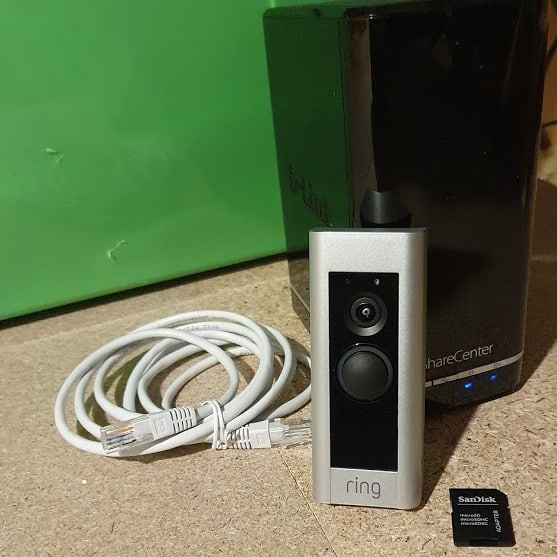
Some Ring models support local storage using a microSD card or a connected device. This saves videos directly to your home network or device. Local storage does not require internet access.
Storing videos locally means you keep full control of your footage. It also avoids monthly fees but may limit remote viewing options.
Storage Plans And Pricing
Ring offers various subscription plans for cloud storage. Plans vary by video history length and number of devices covered. Basic plans usually keep videos for 60 days.
Subscriptions add features like video sharing and extended storage. Costs depend on the number of cameras and desired storage time. Many users find plans affordable for the benefits offered.
How Cloud Storage Works
Cloud storage is key to how Ring Doorbell saves videos. It lets you keep footage safe without using your phone or computer space. Videos move from your doorbell to online servers. You can watch them anytime, from anywhere with internet.
This system uses strong security to protect your videos. It also makes sure videos upload quickly and without issues. Understanding cloud storage helps you see how Ring Doorbell keeps your home secure.
Video Upload Process
When Ring Doorbell records video, it sends data to the cloud. The video uploads over Wi-Fi automatically. Uploads happen fast to avoid delays. Videos are stored in small parts to save time. This process repeats with every new recording.
Data Encryption And Security
Ring Doorbell encrypts videos before sending to the cloud. Encryption scrambles data to keep it private. Only you can access these encrypted videos. The system uses strong codes to block hackers. Your videos stay safe and private at all times.
Accessing Stored Videos
You can view stored videos through the Ring app. Videos load quickly from the cloud to your device. The app lets you download or share footage easily. You control who sees your videos and when. This access works on phones, tablets, or computers.
Local Storage Features
Ring Doorbell offers several ways to store video footage locally. This helps users access videos without relying only on cloud storage. Local storage features provide more control over your recorded videos. They also help save costs linked to monthly subscriptions.
Understanding how local storage works with Ring can help you choose the best option. Storage depends on your device setup and the plan you use. Let’s explore the main local storage features for Ring Doorbell users.
Using Ring Protect Plus
Ring Protect Plus is a subscription plan that extends local storage options. It allows video saving directly to your phone or tablet. The videos can be accessed anytime without internet connection. This plan also backs up videos in the cloud for extra safety. It offers 60 days of video history storage. Users can download and share videos easily using the Ring app.
Storage On Linked Devices
Ring Doorbell videos can be stored on devices linked to your account. These include smartphones, tablets, and computers. The Ring app automatically saves clips to these devices. This local storage means you can watch videos offline. It also provides a backup if cloud storage is unavailable. Managing storage space on linked devices is important to keep videos safe.
Limitations Of Local Storage
Local storage has some limits. The device storage space may fill up quickly. Older videos might be deleted automatically. There is no option to expand storage on Ring Doorbell itself. Video quality might be lower to save space. Also, local storage does not protect videos from device loss or damage. Cloud backup is still recommended for important footage.
Security Measures For Stored Videos
Ring Doorbell takes strong steps to protect your stored videos. These security measures keep your footage safe and private. Your video data stays secure from unauthorized access and hacking attempts.
Let’s explore how Ring ensures video security through encryption, user authentication, and privacy policies. Each layer adds extra protection for your stored videos.
Encryption Standards
Ring uses encryption to protect video data during storage and transfer. Encryption changes data into a code that only authorized users can read. This keeps your videos safe from hackers. Ring uses industry-standard encryption methods, like AES-256. This is a strong type of encryption trusted worldwide. It ensures your videos stay private and secure at all times.
User Authentication
Access to stored videos requires user authentication. This means only verified users can watch or manage videos. Ring supports two-factor authentication (2FA). This adds an extra step to verify your identity. Users enter a code sent to their phone or email. This prevents unauthorized people from accessing your account. User authentication keeps your video data safe and private.
Data Privacy Policies
Ring follows strict data privacy policies to protect your information. These policies explain how Ring collects, uses, and stores your video data. Ring does not sell your personal video files to third parties. It only shares data when required by law. You control who can view and share your videos. These privacy rules help keep your footage safe and under your control.
Managing Video Storage Effectively
Managing video storage effectively is important to keep your Ring Doorbell running smoothly. Videos can take up a lot of space quickly. Knowing how to handle these videos helps save storage and ensures you never miss important moments. Proper management also extends the life of your device’s memory and maintains quick access to clips.
Deleting And Saving Clips
Ring allows you to delete unwanted video clips easily. This frees up space for new recordings. You can also save important clips to your phone or computer. Saving videos keeps them safe even after deleting from Ring’s cloud. Regularly review your videos and remove those no longer needed.
Storage Capacity Management
Ring’s cloud storage has limits depending on your subscription plan. Basic plans offer less space than premium ones. Monitor how much storage you use to avoid losing new videos. Clear out old clips or upgrade your plan for more storage. This keeps your video history organized and accessible.
Setting Up Notifications
Notifications alert you when your Ring records a video. Setting these helps you stay updated on activity. You can customize alerts for different events. This lets you focus on important videos and manage storage better. Timely notifications help you decide which clips to keep or delete.

Credit: www.eufy.com
Troubleshooting Storage Issues
Troubleshooting storage issues on your Ring Doorbell is key to keeping your videos safe. Problems can stop videos from saving correctly. This section helps you fix common storage problems fast. Follow simple steps to get your video storage working again.
Common Problems
Sometimes videos do not save or play back. Your Ring may show errors like “storage full” or “video not available.” Poor Wi-Fi can stop videos from syncing. Another issue is outdated app software. These problems block video storage and access.
Fixing Sync Errors
Start by checking your internet connection. A weak signal can cause syncing issues. Restart your Ring Doorbell and your router. Make sure the Ring app is updated. Clear the app cache if videos still do not sync. Try reconnecting your Ring device to Wi-Fi.
Contacting Support
If problems continue, contact Ring support. They can check your account and device status. Provide error messages for faster help. Support can guide you through advanced fixes. They also help with warranty and replacement if needed.
Credit: www.arloren.com
Frequently Asked Questions
How Does Ring Doorbell Save Recorded Videos?
Ring Doorbell stores videos in the cloud using encrypted servers. This ensures secure access and protects your footage from loss or damage.
Can I Store Ring Doorbell Videos Locally?
No, Ring Doorbell primarily uses cloud storage. Local storage options are limited and not supported for video recordings.
How Long Does Ring Keep Video Recordings?
Ring keeps videos for 60 days by default. This duration may vary based on your subscription plan and settings.
Is Ring Video Storage Secure And Private?
Yes, Ring uses advanced encryption and strict privacy policies. Your videos are safe from unauthorized access and misuse.
Conclusion
Ring Doorbell saves videos securely on the cloud. It also stores clips locally on some models. Users can watch past videos anytime through the app. This helps keep your home safe and monitored. Video storage depends on your subscription plan choice.
You control who sees the videos and when. This makes Ring Doorbell a practical tool for home security. Understanding video storage helps you use the device better. Simple steps keep your footage safe and easy to access. Trust Ring to help watch over your home.