Your smoke detector is your silent guardian, watching over your home and family. But what happens when its battery dies?
Without a fresh battery, your smoke detector can’t protect you when it matters most. Replacing the battery is simpler than you might think, and doing it right can keep your home safe. In this guide, you’ll learn easy, step-by-step instructions to change your smoke detector battery quickly and confidently.
Keep reading to make sure your safety device is always ready to alert you when you need it.
Why Replace Smoke Detector Batteries
Replacing smoke detector batteries keeps your home safe. Smoke detectors warn you early about fire. Batteries power these devices. Without good batteries, detectors fail silently. Regular battery changes prevent this risk. Knowing why battery replacement matters helps protect your family.
Importance Of Functional Smoke Detectors
Smoke detectors save lives by alerting you to fire. A working detector gives you time to act. Dead batteries mean no warning sound. This puts everyone at risk. Functional smoke detectors lower the chance of injury or death. They are a simple, cheap safety tool.
Signs Of A Weak Battery
Weak batteries cause the detector to beep. The beep is a short chirp every minute or so. This sound means the battery needs changing. Another sign is a dim or no light on the detector. Regular checks catch these signs early. Changing batteries stops the alarm from failing.
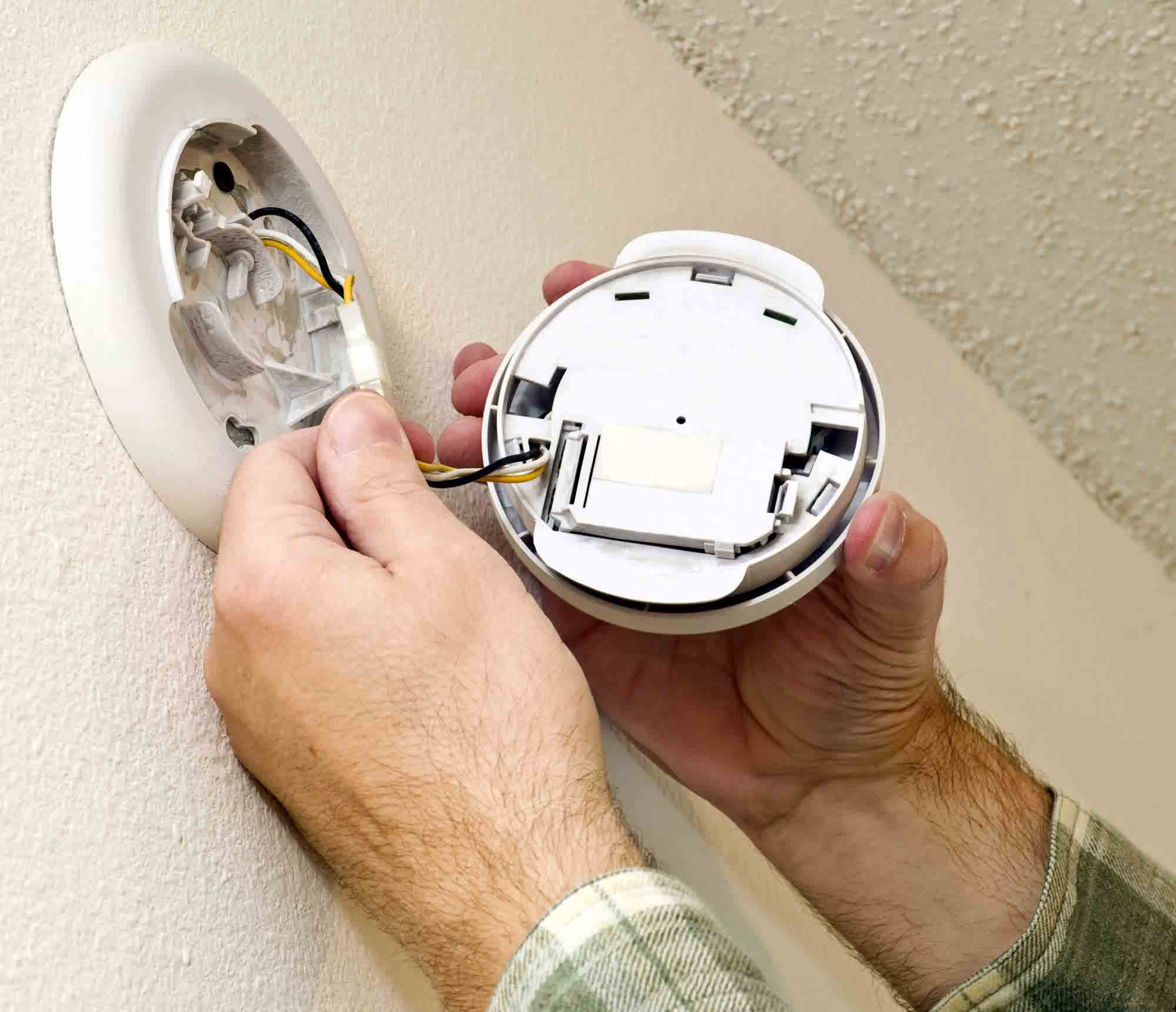
Credit: www.swflelectric.com
Tools Needed For Battery Replacement
Replacing a smoke detector battery is simple with the right tools. Knowing what you need saves time and avoids frustration. This section covers the basic tools required for a smooth battery change.
Types Of Batteries Used
Most smoke detectors use 9-volt batteries. Some models need AA or AAA batteries instead. Check your smoke detector’s manual or look inside the battery compartment. Using the correct battery type ensures proper function and safety.
Additional Tools You Might Need
A small screwdriver often helps to open the smoke detector’s cover. A step ladder or sturdy chair is useful for reaching ceiling-mounted units. Keep a cloth or gloves handy to avoid dirt or dust. These simple tools make the replacement easier and safer.
Step-by-step Battery Replacement
Replacing a smoke detector battery is simple and important. It keeps your home safe and your alarm working. Follow these clear steps to change the battery quickly. No special tools needed.
Turning Off The Smoke Detector
Start by turning off the smoke detector. Find the power switch or press the test button for 15 seconds. This stops the alarm from sounding during the battery change. Safety first.
Removing The Old Battery
Open the detector’s battery compartment. It usually slides or snaps open. Take out the old battery carefully. Dispose of it properly. Check the battery type before removal.
Installing The New Battery
Put the new battery in the compartment. Match the positive and negative ends correctly. Press the battery firmly to fit it well. Close the compartment securely to avoid gaps.
Testing The Smoke Detector
Turn the smoke detector back on. Press the test button until you hear the alarm sound. This confirms the new battery works. If no sound, check the battery placement or try another battery.

Credit: www.youtube.com
Tips For Maintaining Your Smoke Detector
Maintaining your smoke detector is key to keeping your home safe. Simple steps keep it working well. Regular care avoids false alarms and missed warnings.
Regular Testing Schedule
Test your smoke detector once a month. Press the test button until you hear the alarm sound. This confirms the battery and sensor work. Mark a day on your calendar to remind yourself. Never ignore a weak or no sound signal.
Cleaning And Care
Dust and dirt can block the smoke sensor. Clean the detector every six months with a soft brush or vacuum. Avoid using water or cleaning sprays. Keep the area around the detector free from dust and paint. This keeps the device sensitive to smoke.
When To Replace The Entire Unit
Smoke detectors do not last forever. Replace the whole unit every 10 years. Check the date on the back of the device. If it is older, get a new one. New detectors have better technology for faster alerts.
Common Mistakes To Avoid
Replacing a smoke detector battery seems easy but many make mistakes. These errors can stop the detector from working properly. Knowing what to avoid helps keep your home safe. Read on for common mistakes to avoid during battery replacement.
Using Wrong Battery Types
Not all batteries fit every smoke detector. Using the wrong type can cause damage or failure. Always check the smoke detector’s manual for the right battery. Common types include 9-volt or AA batteries. Using cheaper or old batteries can reduce performance.
Ignoring Warning Signals
Smoke detectors beep when batteries run low. Ignoring these sounds is risky. The warning signals mean the battery needs immediate replacement. Waiting too long can leave your home unprotected. Replace batteries as soon as the detector signals.
Improper Installation
Putting the battery in the wrong way stops the detector from working. Positive and negative ends must match the markings inside the device. Loose connections also cause problems. Make sure the battery fits tightly and securely. Test the detector after installation to confirm it works.

Credit: annarborwithkids.com
Frequently Asked Questions
How Often Should I Replace My Smoke Detector Battery?
You should replace your smoke detector battery at least once a year. Regular replacement ensures the device works properly and keeps you safe. Some models may need more frequent changes, so check the manufacturer’s guidelines.
What Type Of Battery Does A Smoke Detector Use?
Most smoke detectors use 9-volt batteries, but some models use AA or lithium batteries. Always check your device’s manual to use the correct battery type for optimal performance.
How Do I Safely Remove The Old Battery From A Smoke Detector?
To remove the old battery, first turn off the alarm or disconnect power. Open the detector’s cover, carefully take out the battery, and dispose of it properly following local regulations.
Will The Smoke Detector Beep If The Battery Is Low?
Yes, most smoke detectors emit a chirping sound when the battery is low. This alert signals it’s time to replace the battery to maintain safety and functionality.
Conclusion
Replacing a smoke detector battery keeps your home safe. Regular checks help avoid false alarms and failures. Use the right battery type and insert it correctly. Test the detector after changing the battery to ensure it works. Stay alert and change batteries at least once a year.
A working smoke detector can save lives. Don’t wait for the low battery beep to act. Simple steps make a big difference in home safety. Keep your family protected with regular battery replacements. Safety starts with a working smoke detector.