
Have you ever wondered what happens inside a smoke detector when it senses danger? Understanding how smoke detectors work can help you protect your home and loved ones better.
These small devices are your silent guardians, alerting you before a fire spreads. By knowing how they detect smoke and trigger alarms, you’ll feel more confident in your safety measures. Keep reading to discover the simple science behind smoke detectors and why they are essential for your home’s security.

Credit: www.explainthatstuff.com
Types Of Smoke Detectors
Smoke detectors come in different types. Each type detects smoke in a unique way. Understanding these types helps you choose the best one for safety. Below are the main types used in homes and buildings.
Ionization Smoke Detectors
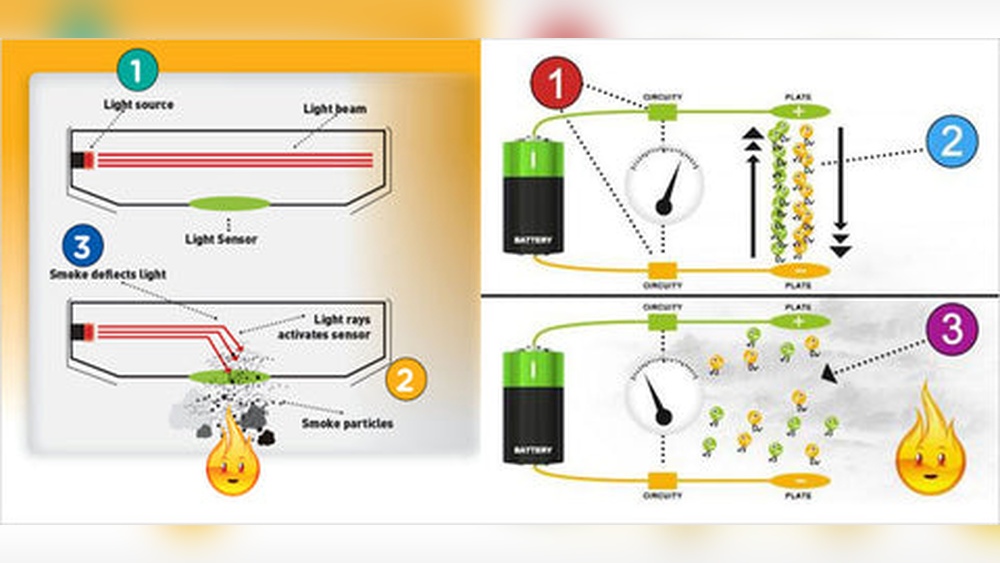
Ionization smoke detectors use a small amount of radioactive material. This material ionizes the air inside the sensing chamber. When smoke enters, it disrupts the ion flow. The detector senses this change and sounds the alarm. These detectors react quickly to fast, flaming fires.
Photoelectric Smoke Detectors
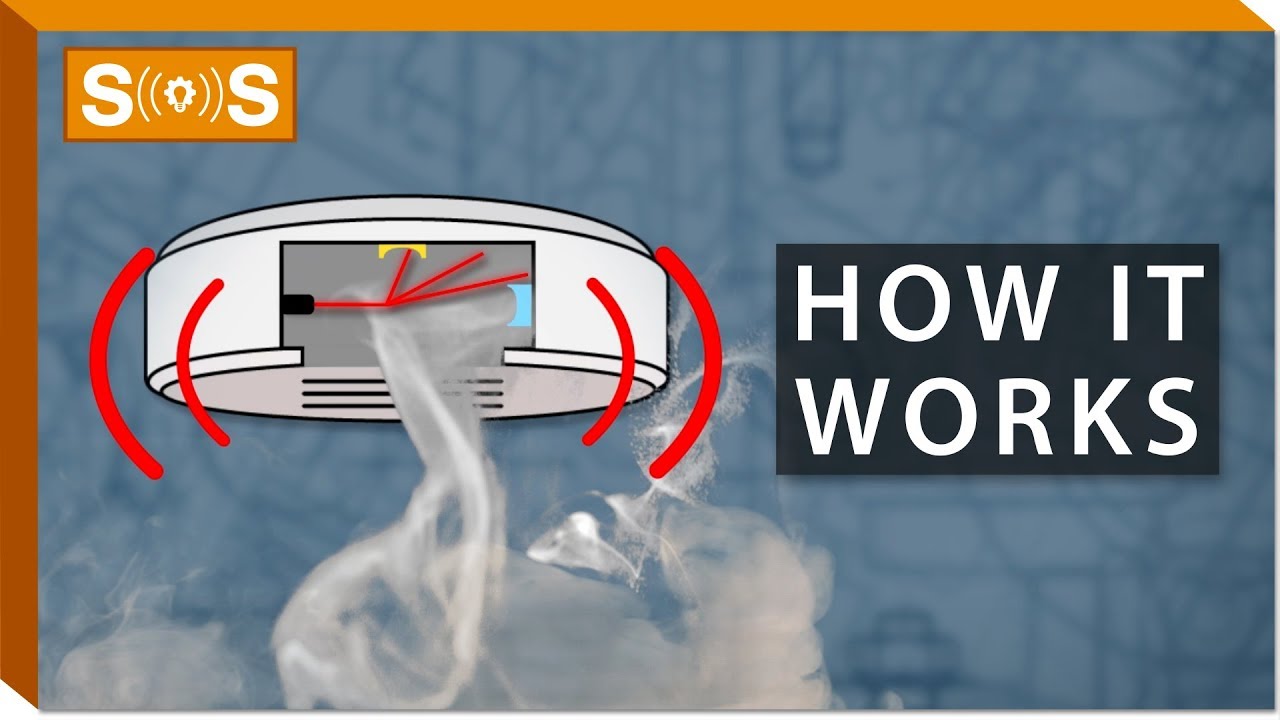
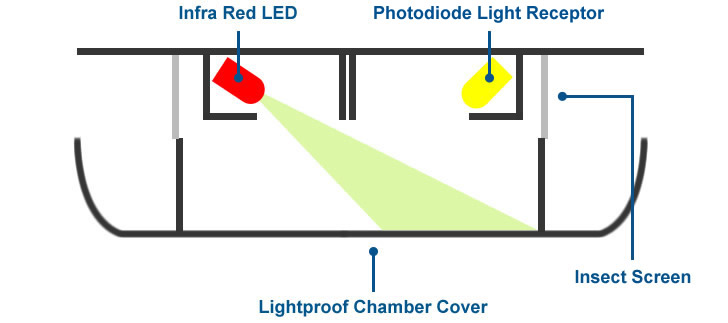
Photoelectric smoke detectors use a light source and sensor. Smoke particles scatter the light beam inside the chamber. This scattering triggers the alarm. These detectors are better at sensing slow, smoldering fires. They provide early warning before flames appear.
Combination Detectors
Combination detectors include both ionization and photoelectric sensors. They offer wider protection against all fire types. These detectors detect both fast flames and slow smoke. Many experts recommend combination detectors for home safety.
Detection Mechanisms
Smoke detectors use special methods to find smoke early. These methods help save lives by alerting people fast. Two main types of sensors do the job. Each one looks for smoke in a different way. Understanding these sensors helps you see how smoke alarms protect your home.
How Ionization Sensors Detect Smoke
Ionization sensors have a small amount of radioactive material inside. This material creates ions, which carry electric current between two plates. When smoke enters the sensor, it blocks the ions. The electric current drops quickly. The sensor notices this change and sounds the alarm. Ionization sensors work best with fast, flaming fires. These fires produce tiny smoke particles that block ions well.
How Photoelectric Sensors Detect Smoke
Photoelectric sensors use light to find smoke. Inside, a light beam shines across a chamber. When smoke enters, it scatters the light. The sensor detects this scattered light. It then triggers the alarm. Photoelectric sensors are better for slow, smoldering fires. These fires make larger smoke particles that scatter light easily. Both sensors play a key role in early fire detection.
Power Sources And Battery Life
Smoke detectors need power to work properly. The type of power source affects how reliable and easy the device is to maintain. Battery life also plays a key role in keeping your home safe. Understanding power sources helps you choose the best smoke detector for your needs.
Wired Smoke Detectors
Wired smoke detectors connect directly to your home’s electrical system. They get constant power without needing frequent battery changes. These detectors often have a backup battery for power outages. This backup battery ensures the alarm works even when the electricity goes out. Wired detectors are common in newer homes and large buildings.
Battery-powered Units
Battery-powered smoke detectors run only on batteries. They are easy to install and move around the house. These units require regular battery changes to stay active. Many models beep to warn when the battery is low. Battery-powered detectors are good for older homes without wiring for alarms.
Rechargeable And Long-life Batteries
Some smoke detectors use rechargeable or long-life batteries. These batteries last several years without needing replacement. Long-life batteries reduce the chance of the detector losing power. Rechargeable models can be plugged in to recharge the battery. This type offers a balance between convenience and safety.
Credit: www.youtube.com
Installation Tips
Proper installation of smoke detectors is vital for home safety. Correct placement and routine care ensure these devices work effectively. Follow these tips to install smoke detectors right and protect your home.
Optimal Placement In The Home
Install smoke detectors on every floor of your home. Place one inside each bedroom and outside sleeping areas. Mount detectors on ceilings or high on walls. Keep them away from windows and vents to avoid false alarms. Avoid placing detectors near kitchens or bathrooms.
Avoiding False Alarms
False alarms can cause frustration and neglect. Keep smoke detectors at least 10 feet from cooking appliances. Avoid placing them near bathrooms where steam can trigger alarms. Use detectors with a hush feature to silence false alerts easily. Clean detectors regularly to prevent dust buildup.
Maintenance And Testing
Test smoke detectors monthly by pressing the test button. Replace batteries at least once a year or when low battery alerts sound. Clean detectors gently with a vacuum or soft cloth. Replace the entire unit every 10 years for best performance.
Limitations And Challenges
Smoke detectors save lives but have some limits and challenges. Knowing these helps keep your home safe. Awareness prevents problems and ensures detectors work well.
Common Causes Of False Alarms
False alarms annoy people and cause distrust in detectors. Smoke from cooking is a top cause. Steam from showers or humidity also triggers alarms. Dust buildup inside the detector can set it off. Insects crawling inside may cause false alerts. Regular cleaning and proper placement reduce these issues.
Detector Lifespan And Replacement
Smoke detectors do not last forever. Most have a life of 8 to 10 years. Over time, sensors wear out and become less reliable. Old detectors may fail to sound during a fire. Check the manufacture date on your device. Replace units after their lifespan ends to ensure safety.
Environmental Factors Affecting Performance
Some conditions reduce detector effectiveness. Extreme heat or cold can harm sensors. High humidity may cause false alarms or damage parts. Smoke detectors near vents or fans may miss smoke. Place detectors in proper spots away from drafts. Keep detectors dry and clean for best performance.
Credit: www.safelincs.co.uk
Advanced Features In Modern Detectors
Modern smoke detectors offer more than just basic fire detection. They include advanced features that improve safety and convenience. These features help protect homes better and make it easier to respond to emergencies. Understanding these improvements shows why upgrading your detector is a smart choice.
Smart Connectivity
Many smoke detectors now connect to your smartphone. This allows you to receive alerts even when you are away from home. You can check the detector’s status and battery life through an app. Smart connectivity also enables remote silencing of false alarms. This feature adds peace of mind and greater control over your home safety.
Voice Alerts And Interconnectivity
Modern detectors use clear voice alerts instead of just loud beeps. The voice can tell you the type of danger, like smoke or carbon monoxide. Interconnected detectors link with each other throughout the house. When one detects smoke, all alarms sound simultaneously. This early warning system improves safety for everyone inside.
Integration With Home Safety Systems
Smoke detectors now work with other home safety devices. They can connect to security systems, smart lights, and thermostats. This integration allows automatic actions during emergencies. For example, lights can turn on to guide you out safely. Connected systems provide a more complete and effective approach to home safety.
Frequently Asked Questions
How Do Smoke Detectors Sense Smoke?
Smoke detectors use sensors to detect smoke particles in the air. When smoke enters the sensing chamber, it triggers an alarm. There are two main types: ionization and photoelectric, each detecting different smoke types to ensure early fire warnings.
What Types Of Smoke Detectors Are Most Effective?
Ionization detectors are best for fast flaming fires. Photoelectric detectors excel at sensing smoldering fires. Using both types or a combination model offers comprehensive protection. This dual approach detects a broader range of fire situations quickly.
How Often Should Smoke Detectors Be Tested?
Test smoke detectors monthly to ensure they work properly. Press the test button until the alarm sounds. Regular testing helps detect faults early, ensuring your safety and compliance with fire safety standards.
What Causes False Alarms In Smoke Detectors?
False alarms often occur due to cooking smoke, steam, or dust. Poor placement near kitchens or bathrooms increases false triggers. Regular cleaning and correct installation help reduce these annoying false alarms.
Conclusion
Smoke detectors save lives by warning us of fire danger. They sense smoke using simple, reliable methods. Regular testing keeps them working well. Replace batteries often to avoid failures. Place detectors in key home areas for best safety. Knowing how smoke detectors work helps you stay prepared.
Stay safe by keeping detectors clean and functional. Small steps make a big difference in fire safety. Remember, every second counts when smoke is detected.