
Is that annoying chirping sound from your smoke detector driving you crazy? You’re not alone.
That persistent beep can disrupt your peace, especially when it happens at the most inconvenient times. But don’t worry—getting your smoke detector to stop chirping is easier than you think. You’ll discover simple, effective steps to silence that sound for good.
Keep reading, and regain control of your home’s quiet comfort.
Common Causes Of Chirping
Smoke detectors chirp to alert you about potential problems. Understanding why your smoke detector chirps helps fix the issue quickly. Several common causes trigger this annoying sound. Identifying the cause can save you time and stress.
Low Battery Issues
Most chirping noises come from low battery power. Smoke detectors need fresh batteries to work properly. When batteries run low, the device chirps to warn you. Replacing the battery often stops the chirping immediately. Use the battery type recommended by the manufacturer.
Dust And Dirt Buildup
Dust and dirt can block smoke detector sensors. This buildup causes false alarms or chirping sounds. Regular cleaning removes dust and prevents chirping. Use a soft brush or vacuum to clean the detector. Keep the area around the detector free of dust.
Improper Installation
Incorrect placement or mounting can cause chirping. Smoke detectors should be installed on ceilings or high on walls. Avoid placing them near vents, fans, or kitchens. These spots create false signals and trigger chirping. Follow the installation guidelines closely for best results.
End Of Device Life
Smoke detectors have a limited lifespan, usually 8-10 years. Older devices may start to chirp to signal the end of life. Replacing the entire unit is the safest option. Check the manufacturing date on your detector. Timely replacement ensures your home stays protected.

Credit: waynealarm.com
Quick Battery Replacement Tips
Quick battery replacement stops the annoying chirping sound fast. It keeps your home safe and gives peace of mind. Follow these simple tips to replace your smoke detector battery correctly. This will make sure it works well and lasts long.
Choosing The Right Battery
Use the battery type recommended by the smoke detector maker. Most use 9-volt or AA batteries. Check the manual or the label on the detector. Buy fresh batteries from a trusted store. Avoid used or old batteries. They cause the detector to chirp again quickly.
Safe Battery Removal And Replacement
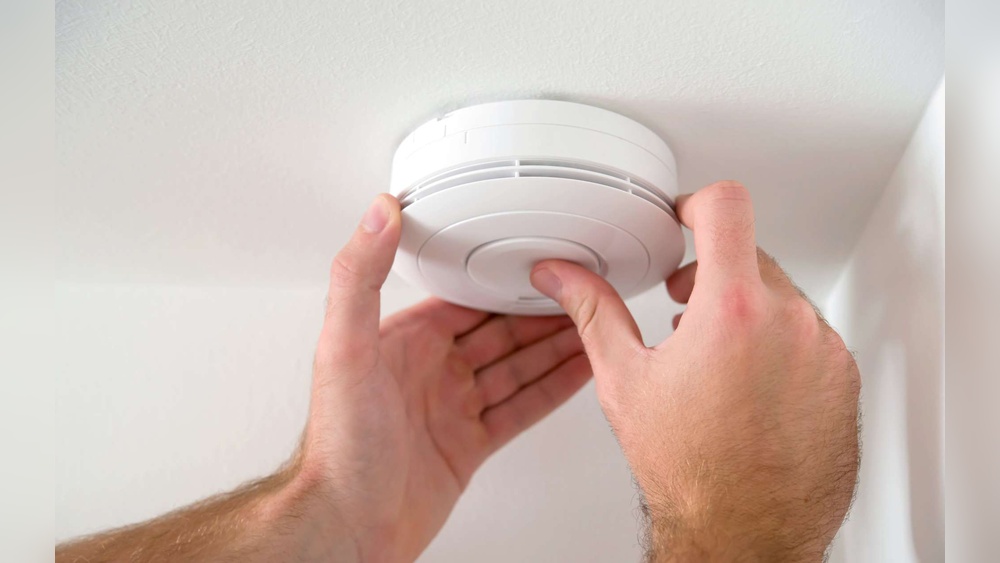
Turn off the smoke detector before removing the battery. Open the cover gently. Take out the old battery carefully. Avoid touching the battery terminals. Put the new battery in the right way. Match the plus (+) and minus (-) ends. Close the cover securely. Test the detector to check it works.
Resetting The Smoke Detector
Press and hold the reset button after battery replacement. Hold it for 15 to 20 seconds. This clears any error signals inside. The chirping should stop after reset. If it continues, check the battery fit or try a new one. Resetting helps the detector start fresh.
Cleaning Your Smoke Detector
Cleaning your smoke detector is an easy way to stop it from chirping. Dust and dirt can block the sensor and cause false alarms. Regular cleaning helps your smoke detector work correctly and stay quiet.
Tools Needed For Cleaning
- A soft brush or a small paintbrush
- A vacuum cleaner with a soft brush attachment
- A clean, dry cloth
- Compressed air can (optional)
Step-by-step Cleaning Process
- Turn off the power to the smoke detector from the circuit breaker.
- Remove the smoke detector from the ceiling or wall.
- Use the soft brush to gently remove dust from vents and surface.
- Vacuum around the smoke detector using the brush attachment.
- Use compressed air to blow out dust inside the detector, if available.
- Wipe the outside with a clean, dry cloth.
- Reinstall the smoke detector and restore the power.
- Test the smoke detector to make sure it works properly.
Preventing Future Dust Accumulation
Keep the area around your smoke detector clean and dust-free. Avoid placing detectors near vents or fans. Check and clean your smoke detector every six months. This stops dust build-up and keeps chirping away.

Credit: www.angi.com
Fixing Installation Problems
Fixing installation problems can stop your smoke detector from chirping. Many chirps happen because the detector is not set up right. Checking the installation carefully helps find the cause fast. Fixing these problems makes your home safer and keeps the noise away.
Proper Detector Placement
Place the smoke detector on the ceiling or high on the wall. Avoid corners or near windows where air flows. Keep it away from kitchens or bathrooms to stop false alarms. The right spot helps the detector work well and stops chirping.
Securing The Detector Firmly
Make sure the smoke detector is tightly fixed to its base. A loose detector can cause chirping sounds. Press it firmly until it clicks into place. Check it often to keep it secure and silent.
Checking Wiring Connections
Look at the wires connected to the smoke detector. Loose or broken wires cause chirping and failure. Turn off power before checking wires for safety. Reconnect or fix any loose wires carefully. Good wiring keeps the detector working without noise.
When To Replace Your Smoke Detector
Smoke detectors are vital for home safety. Over time, they lose effectiveness. Knowing when to replace your smoke detector stops annoying chirps and keeps you safe.
Signs Of Device Aging
Smoke detectors usually last about 10 years. After this, they may beep often. The device might not detect smoke well. Dust and dirt can build up inside. Frequent false alarms can happen. The plastic may yellow or crack. These signs mean it is time to replace the unit.
Selecting A New Detector
Choose a smoke detector that fits your home needs. Look for models with a long battery life. Consider detectors with easy-to-test buttons. Some have voice alerts for more clarity. Check for certification marks to ensure safety. Pick a device that is simple to install and maintain.
Disposal Of Old Units
Do not throw old smoke detectors in the trash. Some contain small radioactive parts. Follow local guidelines for disposal or recycling. Many communities offer special collection programs. Proper disposal protects the environment and people.
Additional Tips To Stop Chirping
Chirping smoke detectors can be annoying and stressful. They often signal a problem that needs quick attention. Besides changing batteries, several steps help stop the chirping and keep your home safe. These tips focus on prevention and smart use of technology.
Avoiding False Alarms
False alarms can cause your smoke detector to chirp. Dust, steam, or insects may trigger it. Clean the detector regularly with a soft brush or vacuum. Avoid installing detectors near kitchens or bathrooms where steam is common. Keep the area around the alarm clear of dust and dirt. This reduces false signals and unnecessary chirping.
Regular Maintenance Schedule
Check your smoke detector at least once a month. Test the alarm to ensure it works properly. Replace batteries every six months or as the manufacturer suggests. Clean the unit often to remove dust and debris. Replace the detector every 10 years to maintain safety and reliability.
Using Smart Smoke Detectors
Smart smoke detectors offer extra features to reduce chirping. They send alerts to your phone for battery and smoke warnings. Many models have silence buttons for temporary stops. Some smart detectors adjust sensitivity to avoid false alarms. These devices help you stay informed and control alarms easily.

Credit: www.youtube.com
Frequently Asked Questions
Why Is My Smoke Detector Chirping Constantly?
Your smoke detector chirps when its battery is low or faulty. It can also indicate dust buildup or an internal fault. Replace the battery first, clean the detector, and if it still chirps, consider replacing the unit.
How Often Should I Replace Smoke Detector Batteries?
Replace smoke detector batteries at least once a year. Use fresh, high-quality batteries for best performance. Test your detector monthly to ensure it works properly and prevent unexpected chirping.
Can Dust Cause My Smoke Detector To Chirp?
Yes, dust and debris can trigger false chirping. Gently vacuum or wipe the detector’s vents to remove dust. Regular cleaning helps maintain sensor accuracy and prevents unnecessary alerts.
What If My Smoke Detector Chirps After Battery Change?
If chirping continues post battery change, reset the detector. Remove the battery, press the test button for 15 seconds, then reinsert the battery. Persistent chirping may mean the unit is faulty and needs replacement.
Conclusion
A chirping smoke detector can be annoying and distracting. Changing the battery often stops the sound. Cleaning the device helps remove dust and dirt. Make sure it is installed correctly on the ceiling or wall. Test the alarm regularly to keep it working well.
If the chirping continues, replacing the unit might be needed. Stay safe by fixing the problem quickly. A quiet smoke detector means better peace of mind at home. Keep checking it so your family stays protected.