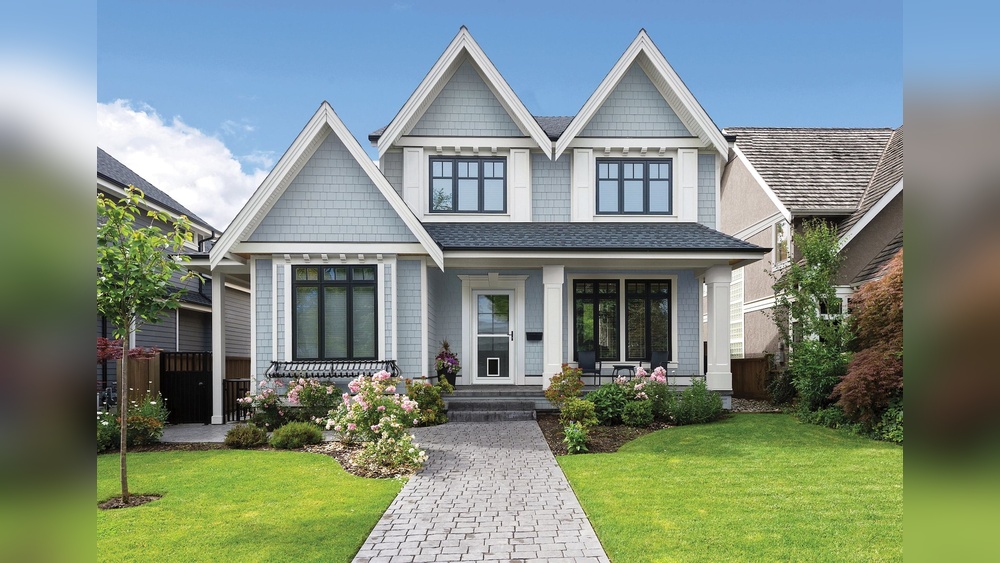

Choosing the right pet door can make a big difference for both you and your furry friend. You want something that fits your pet’s size, keeps your home secure, and is easy to use.
But with so many options out there, how do you know which one is best? This guide will help you find the perfect pet door that matches your needs and lifestyle. Keep reading, and you’ll discover simple tips that save you time, money, and frustration—while giving your pet the freedom they deserve.

Credit: www.petdoors.com
Benefits Of Pet Doors
Pet doors offer many benefits for both pets and their owners. They allow pets to move freely between indoors and outdoors. This freedom improves pets’ quality of life and reduces stress for owners. Choosing the right pet door brings comfort and safety to your home.
Convenience For Pets And Owners
Pet doors let pets go outside without waiting for someone. Pets can quickly get fresh air or go to the bathroom. Owners save time by not opening doors constantly. It makes daily routines easier and less stressful.
Improved Pet Independence
Pet doors help pets feel more independent. They can decide when to go out or come inside. This freedom supports healthy behavior and exercise. Pets become happier and more confident with their own space.
Enhanced Home Security
Modern pet doors have secure locking features. They prevent unwanted animals or strangers from entering. Some pet doors open only for your pet’s collar or microchip. This keeps your home safe while giving pets freedom.
Types Of Pet Doors
Choosing the right pet door starts with knowing the types available. Each type has unique features and suits different homes and pets. Understanding these can help pick the best fit for your pet’s needs and your space.
Flap Doors
Flap doors are the most common type. They have a simple swinging flap for your pet to push open. These doors fit easily into walls or doors. They are affordable and easy to install. Good for pets who are comfortable pushing a flap.
Electronic Doors
Electronic doors use sensors or collars to open only for your pet. This keeps other animals out. They offer more security and control. These doors work well for pets that roam outdoors. They need batteries or power to function.
Sliding Glass Doors
Sliding glass pet doors fit into the track of your existing sliding door. They do not require cutting into walls. These doors keep your home insulated and secure. Perfect for homes with sliding glass doors. Easy to open and close for your pet.
Wall-mounted Doors
Wall-mounted doors are installed directly into an exterior wall. They provide a solid, secure entry point. These doors work well for homes without suitable door space. Installation might require professional help. They offer durable and weather-resistant access for pets.
Measuring Your Pet
Measuring your pet is the first step in choosing the right pet door. Accurate measurements ensure your pet can pass through easily and safely. It also helps prevent drafts and keeps your home secure. Focus on your pet’s size, weight, and habits. This way, you pick the perfect door for your furry friend.
Determining Size And Weight
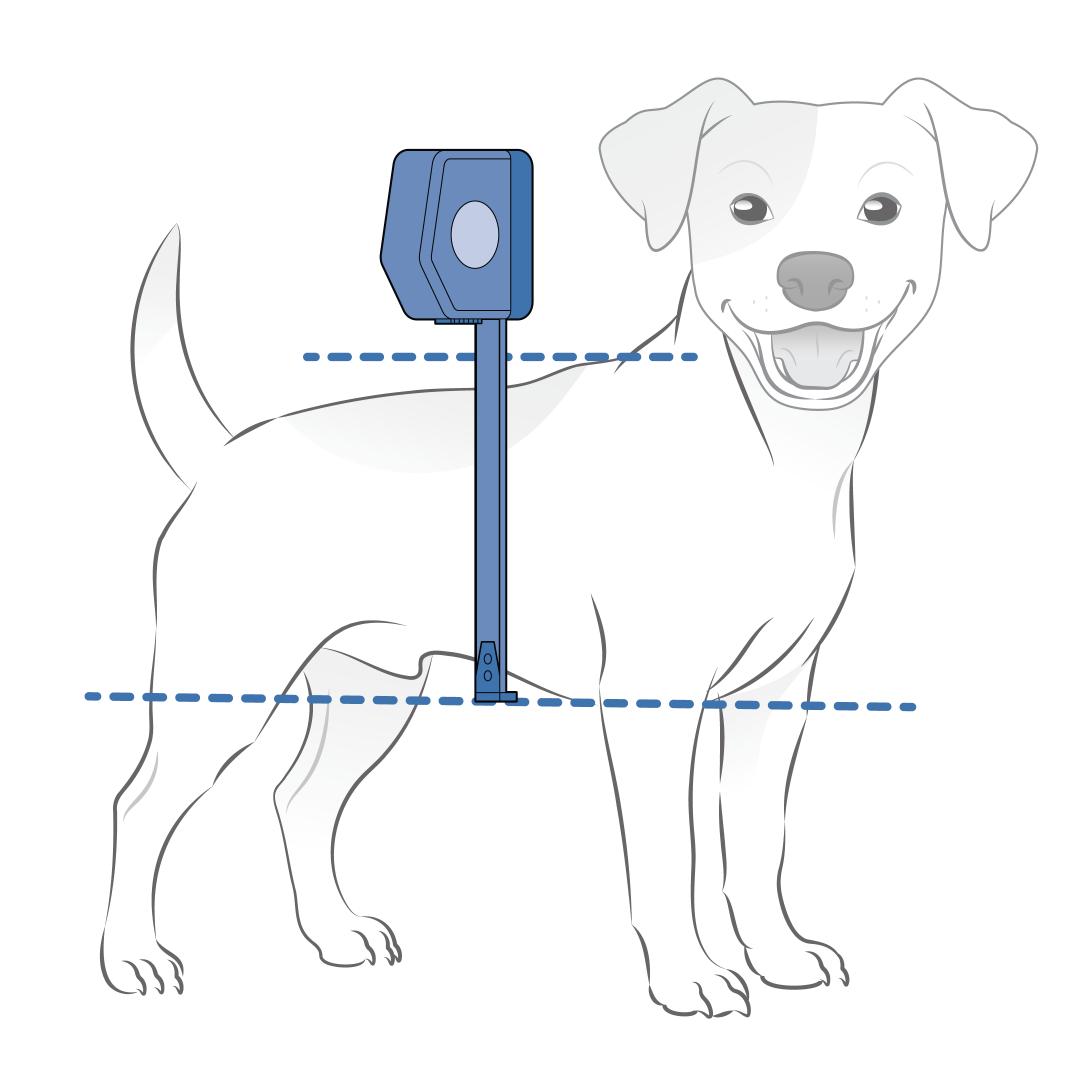
Measure your pet’s height from the floor to the top of the shoulders. Then, measure their width at the widest part, usually the chest. Weigh your pet for door weight limits. These numbers help find a door that fits comfortably. Avoid doors that are too small or too big.
Assessing Pet Behavior
Notice how your pet moves. Do they walk, run, or hop? Some pets may hesitate or need extra space. If your pet is shy or nervous, choose a door with a flap they can easily push. For active pets, pick a sturdy door that withstands frequent use.
Considering Multiple Pets
Measure all pets who will use the door. The door must fit the largest pet comfortably. If pets vary a lot in size, think about adjustable doors. These options offer more flexibility and comfort for all your pets.
Credit: support.petsafe.net
Material Options
Choosing the right material for your pet door is important. The material affects durability, ease of use, and how well it fits your home. Different materials offer different benefits. Some are light and easy to install. Others are strong and last longer. Some keep the cold or heat out better. Knowing the options helps you make a smart choice.
Plastic And Vinyl
Plastic and vinyl pet doors are common and affordable. They are lightweight and easy to install. These doors usually have a flexible flap for pets to push open. Plastic is good for small to medium pets. Vinyl doors resist some weather but may wear out fast. They work well inside or in mild climates. Cleaning plastic is simple and quick.
Metal And Aluminum
Metal and aluminum doors are strong and durable. They handle rough use and bad weather well. Aluminum is rust-resistant and lightweight. Metal doors often have a rigid flap or a locking mechanism. These doors suit larger pets or active dogs. They protect your home better against wind and rain. Metal doors may cost more but last longer.
Insulated Doors
Insulated pet doors keep your home warm or cool. They have layers that block heat or cold air. Insulated doors work great in extreme weather. They save energy by reducing drafts. These doors often combine plastic or metal with insulation. Insulated flaps close tightly to stop air leaks. They are ideal for homes in cold or hot places.
Installation Considerations
Choosing the right pet door involves more than size and style. Installation plays a big role in how well the door works and lasts. This section explains key points to think about before installing your pet door.
Door Type Compatibility
Not all pet doors fit every door type. Some work better with wood doors, while others suit metal or glass doors. Check your door material before buying. Measure thickness and style to ensure a good fit. Some doors need special kits or frames for installation.
Diy Vs Professional Installation
Installing a pet door yourself saves money but can be tricky. Cutting holes may need tools and skills. Mistakes can damage your door or wall. Professionals know how to install quickly and safely. Choose based on your comfort with tools and the door type.
Weatherproofing And Insulation
Pet doors can let in cold air, rain, or wind. Look for doors with seals and flaps that close tightly. Some come with insulated panels for better protection. Proper sealing keeps your home warm and dry. This saves energy and keeps pets comfortable.
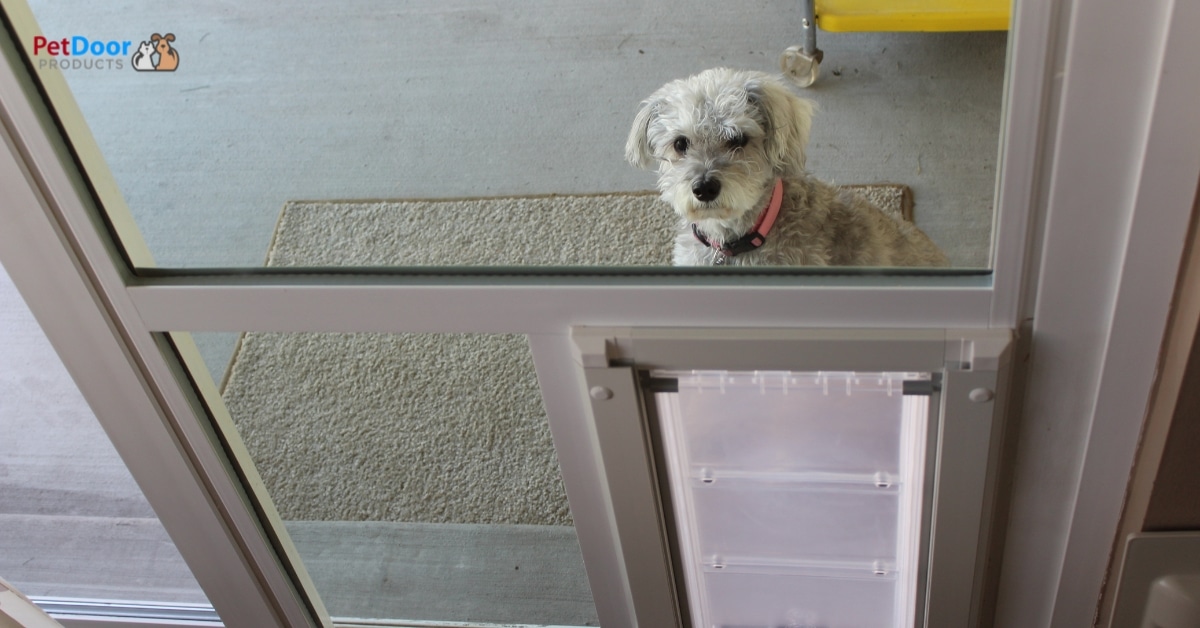
Credit: petdoorproducts.com
Security Features
Security features matter a lot when choosing a pet door. A good pet door keeps your home safe and lets your pet come and go. It should stop unwanted animals and strangers from entering. Pick a door with strong security to protect your family and pets.
Locking Mechanisms
Locking mechanisms keep the pet door closed when not in use. Some doors have manual locks you slide or twist. Others offer automatic locks that close after your pet passes. Locks add an extra layer of security to block intruders.
Selective Entry Systems
Selective entry systems let only your pet enter. Some use special collars with sensors. The door opens only when your pet is near. This stops other animals from coming inside. It works well for homes with many pets or stray animals nearby.
Preventing Unwanted Animals
Good pet doors stop unwanted animals like raccoons or stray cats. Strong flaps and smart sensors help. Some doors close quickly to block other animals. This keeps your home clean and safe from pests or wild animals.
Energy Efficiency
Energy efficiency matters when choosing a pet door. A door that keeps warmth or cool air inside helps save on energy bills. It also keeps your home comfortable throughout the year. Picking a pet door with good energy features makes a big difference.
Weather Stripping
Weather stripping seals gaps around the pet door. It stops cold or hot air from leaking. Look for doors with thick, durable weather stripping. This simple feature keeps outside air out and inside air in.
Thermal Insulation
Thermal insulation reduces heat transfer through the pet door. Doors with insulated flaps block cold or heat from passing through. Insulated pet doors keep your home temperature steady and save energy.
Reducing Air Leaks
Air leaks waste energy and make your home less comfy. Choose pet doors designed to close tightly and fit well. Some models have magnetic seals or double flaps. These features limit drafts and prevent air leaks effectively.
Cost Factors
Choosing the right pet door means thinking about cost. Costs vary a lot depending on type, size, and features. Some pet doors cost less upfront but might need more care later. Others cost more but last longer. Understanding these cost factors helps you pick the best door for your pet and budget.
Upfront Price Vs Long-term Value
The first cost is the price of the pet door itself. Basic models cost less but may not be very strong or secure. More expensive doors often have better materials and features. They can protect your home better and last for years. Spending more now can save money later.
Maintenance And Repairs
Pet doors need care to work well. Some doors need regular cleaning and small fixes. Cheap doors may break more often. Repair costs can add up over time. Choose a door that is easy to clean and fix. This reduces hidden costs and keeps your pet safe.
Warranty And Support
Check if the pet door comes with a warranty. Warranties cover repairs or replacements for a time. Good support means help is available if problems arise. A solid warranty adds value and peace of mind. It protects your investment and helps avoid extra costs.
Training Your Pet
Training your pet to use a pet door takes patience and practice. Pets need to feel safe and confident. Teaching them helps them enjoy freedom and stay secure.
Start slowly. Let your pet explore the door at their own pace. Use positive words and treats to encourage them. Celebrate small steps to build trust.
Introducing The Door
Place your pet near the door. Show them how it moves by gently pushing it open. Let your pet sniff and touch the flap. Do this several times a day. Keep sessions short and calm. Let your pet get used to the door’s look and feel.
Encouraging Use
Use treats or toys on the other side of the door. Call your pet to come through. Praise your pet when they pass through the door. Repeat this often to build confidence. Slowly, your pet will learn the door is safe and fun.
Addressing Common Challenges
Some pets may hesitate or fear the door. Don’t force them to go through. Try using a leash to guide gently. Keep trying with patience and kindness. If your pet still resists, check the door’s size and flap type. Adjust if needed for comfort and ease.
Frequently Asked Questions
What Size Pet Door Fits My Pet Best?
Measure your pet’s height and width at shoulder and chest. Choose a door slightly larger for comfortable entry and exit. Proper sizing prevents injury and ensures ease of use.
Which Material Is Ideal For A Durable Pet Door?
Look for pet doors made from high-quality plastic or metal. These materials resist weather, wear, and damage. Durable doors last longer and maintain safety.
How Do I Install A Pet Door Securely?
Follow manufacturer instructions carefully. Use proper tools and seal gaps to prevent drafts. Secure installation ensures safety and energy efficiency.
Can Electronic Pet Doors Improve Pet Safety?
Yes, electronic doors use microchips or sensors to allow only your pet inside. They prevent unwanted animals from entering, enhancing home security.
Conclusion
Choosing the right pet door helps your pet stay happy and safe. Think about your pet’s size and habits first. Measure carefully to find the perfect fit. Consider your home’s security and weather conditions. A good pet door makes life easier for both you and your pet.
Take your time and choose wisely. Your pet will thank you with more freedom and fun. Small steps lead to big comfort for your furry friend.