
Are you wondering how to power your string LED lights safely and efficiently? Whether you’re lighting up your home, garden, or a special event, knowing the right way to power these lights can save you time, money, and frustration.
You’ll discover simple tips and clear steps to get your LED string lights shining bright without any hassle. Keep reading, and you’ll learn exactly what you need to do to make your space glow just the way you want.
Types Of String Led Lights
String LED lights come in different types. Each type has its own power source. Choosing the right type depends on your needs and location.
Some lights are easy to move, while others need a power outlet. Some save energy using the sun. Understanding these types helps you pick the best option.
Battery-powered Options
Battery-powered string lights offer great flexibility. No need for cords or outlets. Perfect for places without easy electricity access. They run on AA or AAA batteries. Some use rechargeable batteries for longer use. Ideal for decorating small spaces or outdoors. Battery life varies by light brightness and usage.
Plug-in Models
Plug-in string lights connect directly to power outlets. They provide consistent, bright lighting. Best for indoor use or near outdoor outlets. No worries about battery life running out. Some come with timers or remote controls. These lights suit long-term decorations or events. Choose waterproof models for outdoor safety.
Solar-powered Variants
Solar-powered string lights charge during the day. They store energy in built-in batteries. Great for gardens, patios, or balconies. No electricity bills or cords needed. Solar panels need sunlight to work well. Lights turn on automatically at dusk. Perfect for eco-friendly and cost-saving lighting.

Credit: www.amazon.com
Choosing The Right Power Source
Choosing the right power source for string LED lights is essential. It affects how well your lights work and how safe they are. Selecting the best power option depends on your location, use, and the lights’ needs. This guide helps you decide the right power source for your string LED lights.
Assessing Location And Usage
First, check where you will place the lights. Indoor and outdoor areas need different power setups. Outdoor lights require weatherproof power sources. Think about how long the lights will run each day. Short use might work with batteries. Longer use may need a steady power supply.
Evaluating Power Requirements
Look at the wattage and voltage of your string lights. Each light needs a certain power level to work well. Adding many lights increases total power use. Use a power source that matches or exceeds this need. Low power can cause dim or flickering lights. High power can damage the lights or cause fire risks.
Safety Considerations
Safety matters most when powering LED lights. Choose power sources with proper certifications. Avoid overloading outlets or extension cords. Use outdoor-rated equipment for outside lights. Check cables and plugs for damage before use. Secure connections to prevent electric shocks or short circuits.
Step-by-step Setup Guide
Setting up string LED lights is simple with clear steps. This guide helps you power your lights safely and quickly. Follow each step to enjoy bright, glowing decorations in no time.
Preparing The Lights
Unroll your LED string lights carefully. Check for any damage or broken bulbs. Make sure the lights match your power source voltage. Lay the lights flat on a clean surface. This helps avoid tangles and damage during setup.
Connecting To Power
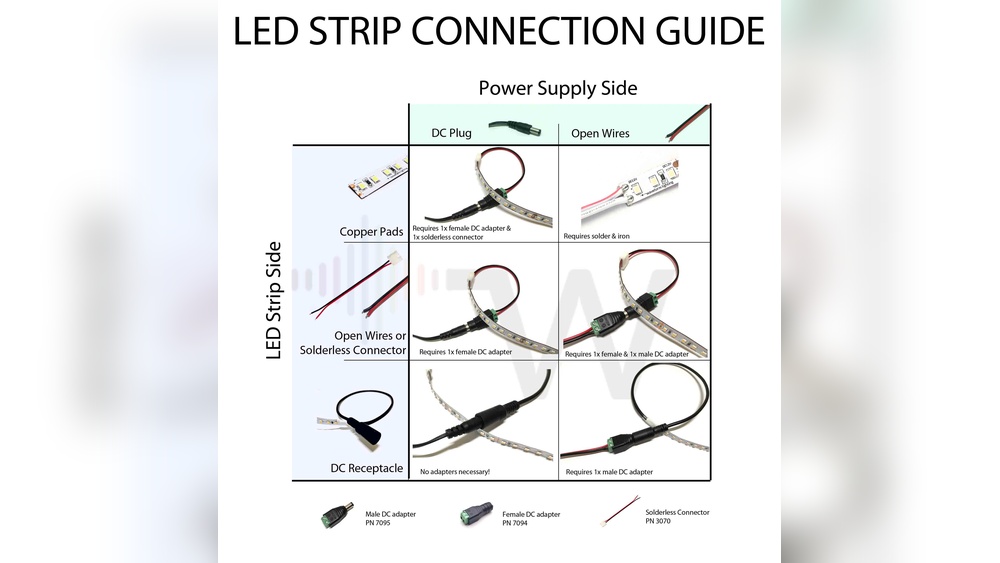
Locate the power adapter or plug included with your lights. Connect the lights to the power adapter securely. Plug the adapter into a suitable electrical outlet. Use an outdoor-rated outlet for outdoor lights. Avoid overloading the outlet with many devices.
Testing And Troubleshooting
Turn on the power switch to test the lights. Watch for any bulbs that do not light up. Replace or fix faulty bulbs as needed. Check all connections if the lights remain off. Ensure the power source is working correctly before trying again.
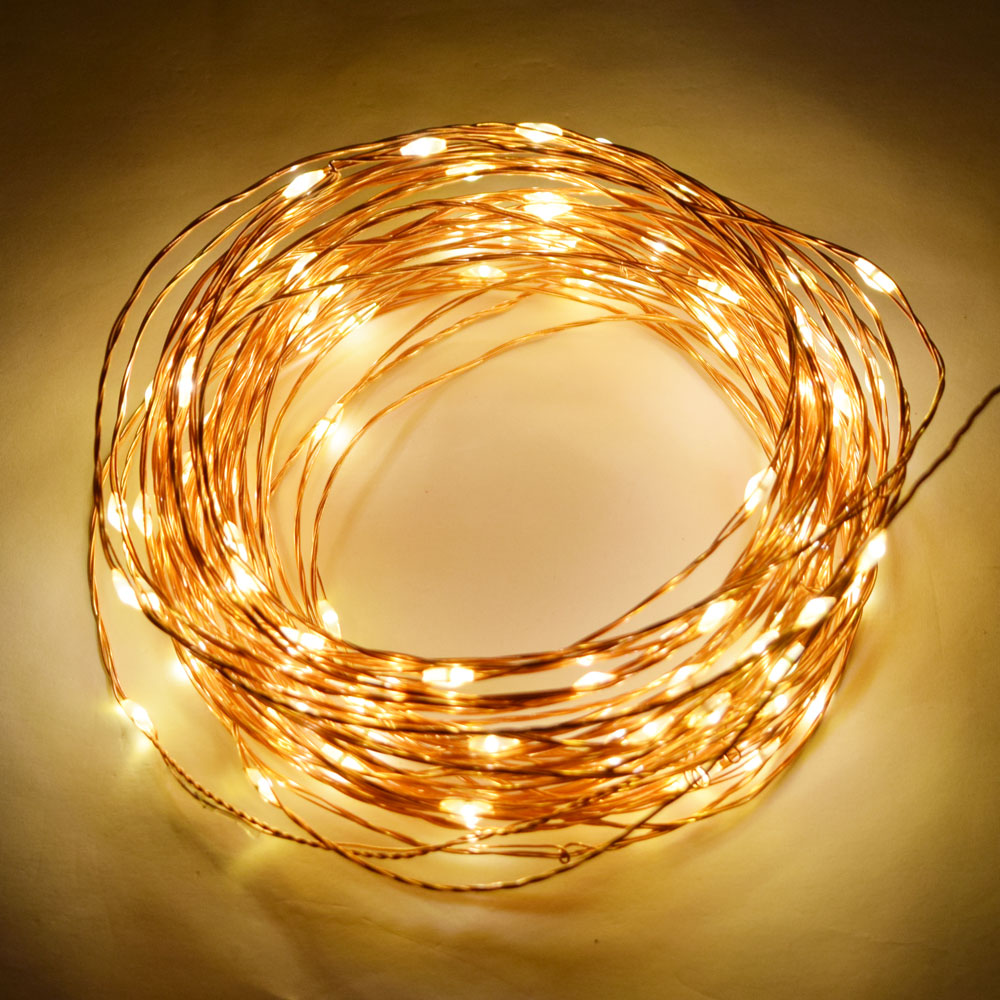
Credit: www.paperlanternstore.com
Extending Power With Accessories
Extending the power of string LED lights lets you brighten larger spaces. Accessories help connect more lights safely and control their operation. These tools make your lighting setup flexible and convenient.
Using Extension Cords
Extension cords increase the reach of your LED string lights. Choose cords with the right power rating to avoid overload. Outdoor-rated cords work best for garden or patio lighting. Secure cords to prevent tripping hazards and damage. Always check the connection points to keep power steady and safe.
Incorporating Timers And Controllers
Timers turn your LED lights on and off automatically. Set them to match your schedule and save energy. Controllers adjust brightness, colors, and lighting effects. Many work with remote controls or smartphone apps. These devices add convenience and reduce manual effort in managing lights.
Battery Packs And Chargers
Battery packs power LED string lights without outlets. They are perfect for areas without easy access to electricity. Choose rechargeable packs to reduce waste and save money. Chargers keep batteries ready for repeated use. Check battery life to ensure your lights stay bright as long as needed.
Maintenance Tips For Longevity
Keeping your string LED lights in good shape helps them last longer and work better. Simple care can prevent damage and save money. Follow these tips to maintain your lights well and enjoy their glow for many seasons.
Regular Cleaning
Dust and dirt can reduce the brightness of LED lights. Clean the bulbs gently with a soft cloth. Avoid using water directly on the lights. A dry cloth or a slightly damp one works best. Clean the plugs and wires too, but be careful not to pull or tug them.
Storing During Off-season
Store your LED string lights in a cool, dry place when not in use. Coil the lights loosely to avoid tangles and breaks. Use a box or container to protect them from dust and pests. Avoid heavy items on top that could crush the lights.
Replacing Components Safely
Use the correct replacement parts for your LED string lights. Turn off the power before changing any bulbs or wires. Handle components carefully to avoid damage. Check for any signs of wear before replacing parts. Proper replacement keeps the lights working safely and well.

Credit: www.amazon.com
Frequently Asked Questions
How Do You Power String Led Lights Safely?
Use a compatible power adapter matching the LED voltage and current needs. Avoid overloading circuits. Ensure connections are secure and insulated to prevent electrical hazards.
Can String Led Lights Run On Batteries?
Yes, string LED lights can run on batteries if designed for low voltage. Use fresh batteries and check power requirements for optimal brightness and duration.
What Type Of Power Supply Do Led String Lights Need?
LED string lights typically require a 12V or 24V DC power supply. Choose one with appropriate wattage to avoid dimming or damage.
Is It Possible To Power String Led Lights With Solar Panels?
Yes, solar panels paired with a rechargeable battery can power LED string lights. Ensure the solar setup matches the light’s voltage and power consumption.
Conclusion
Powering string LED lights is simple with the right steps. Choose a power source that matches your lights’ voltage and current needs. Connect wires carefully and ensure all connections are secure. Use adapters or batteries based on where you place the lights.
Testing the setup before final use avoids problems. This way, your LED lights will shine bright and last long. Enjoy your well-lit space with safe and easy power solutions.