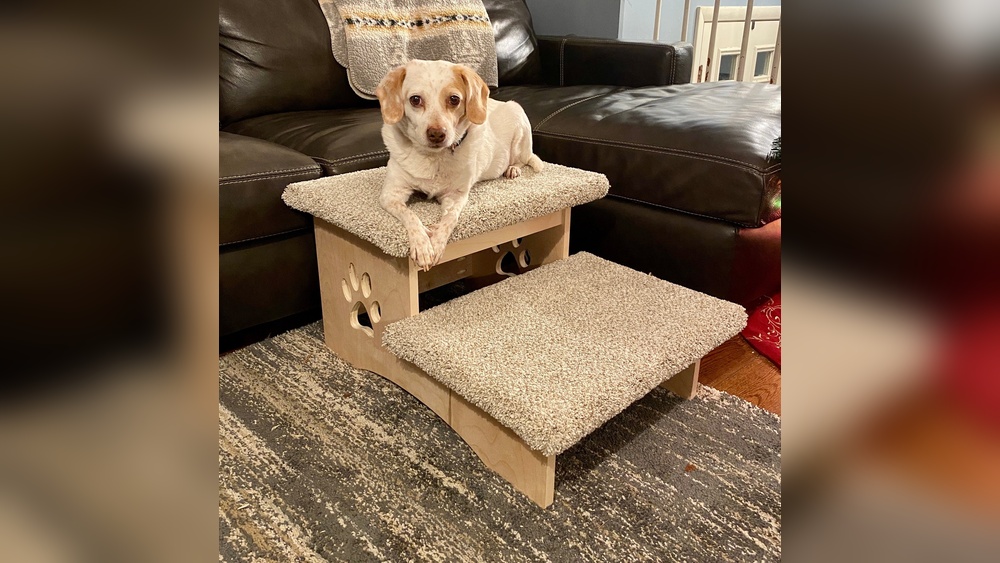

If your dog struggles to climb onto the couch, bed, or into the car, pet stairs can be a game-changer. But just having the stairs isn’t enough—you need to teach your furry friend how to use them confidently and safely.
In this guide, you’ll discover simple, effective steps to train your dog to master pet stairs quickly. Whether your dog is small, elderly, or just hesitant, these tips will make the process smooth for both of you. Keep reading, and you’ll soon see your dog enjoying easy access to their favorite spots without any stress or struggle.
Credit: www.chewy.com
Choosing The Right Pet Stairs
Choosing the right pet stairs is key for your dog’s safety and comfort. The right stairs help your dog climb up and down easily. It also prevents injuries and makes training faster. Think about your dog’s size, strength, and habits before buying.
Material And Size Options
Pet stairs come in different materials like wood, plastic, and fabric. Wood is strong and looks nice. Plastic is lightweight and easy to clean. Fabric stairs are soft but less sturdy. Choose a material that suits your dog’s weight and activity.
Size matters too. The stairs should fit the height of your furniture. The steps must be wide enough for your dog’s paws. Check the stair height and depth before buying.
Safety Features To Look For
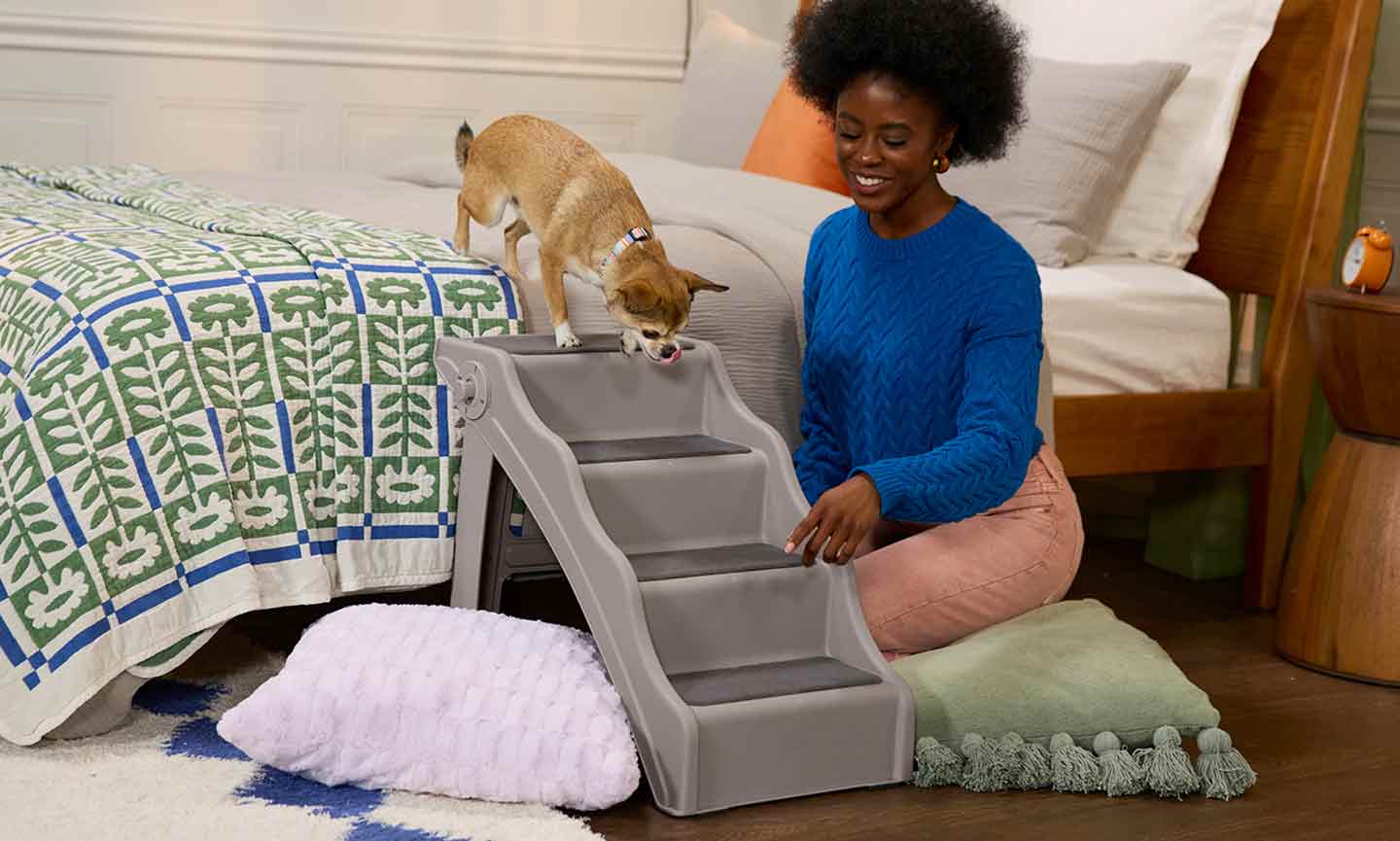
Safety is important for your dog’s confidence. Look for stairs with non-slip surfaces to stop slipping. Some stairs have textured steps or rubber grips. A sturdy frame prevents wobbling or tipping. Rounded edges reduce the risk of cuts or scratches. These features keep your dog safe and secure.
Preparing Your Dog For Training
Preparing your dog for training is the first step to success. This stage helps your dog feel safe and ready. It reduces fear and confusion. Starting slowly gives your dog time to adjust. This makes learning easier and more fun.
Begin by introducing your dog to the pet stairs in a calm place. Let your dog explore without pressure. Watch for signs of curiosity or hesitation. Use gentle encouragement to build trust.
Familiarizing With The Stairs
Place the pet stairs near your dog’s favorite spot. Allow your dog to sniff and touch the stairs. Do not force your dog onto the stairs yet. Sit beside the stairs and call your dog gently. Praise your dog for any interest shown. Repeat this for a few days. Your dog will start to see the stairs as normal.
Building Positive Associations
Use treats and toys around the stairs. Reward your dog for staying close or stepping near. Keep sessions short and fun to hold attention. Speak softly and offer praise to encourage your dog. Positive feelings help your dog want to use the stairs. Avoid punishment or frustration during training. This makes your dog confident and willing to learn.
Step-by-step Training Process
Teaching your dog to use pet stairs helps keep them safe and independent. A clear, simple training process makes learning easy for your dog. Patience and consistency are key to success. Follow these steps carefully to guide your pet smoothly.
Introducing The Stairs Slowly
Place the pet stairs in a quiet, familiar spot. Let your dog explore the stairs at their own pace. Use soft, calm words to encourage curiosity. Avoid forcing your dog to climb. Allow sniffing and touching with paws first.
Encouraging Climbing Up
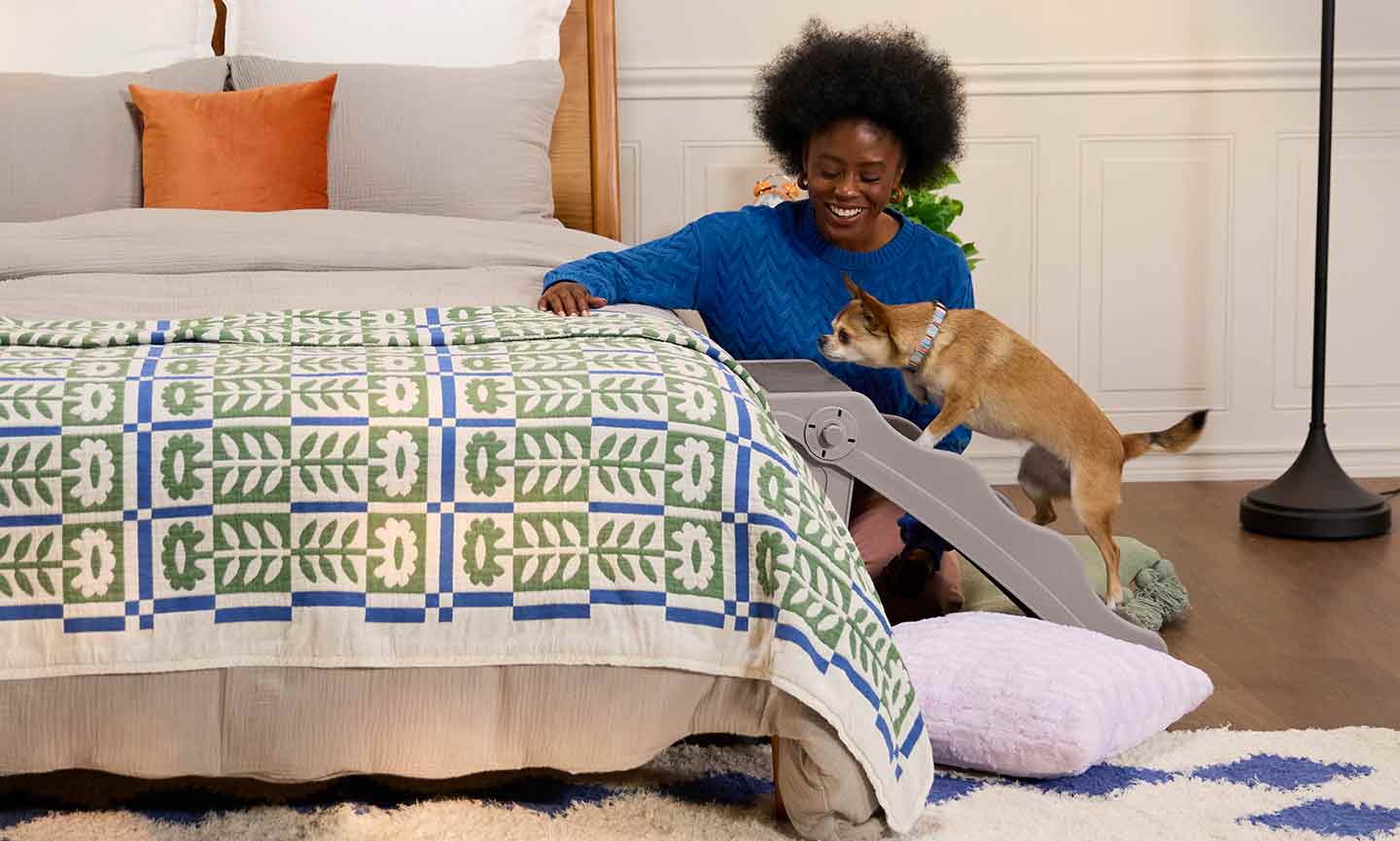
Stand near the stairs with a treat in hand. Call your dog gently to come up the steps. Praise them warmly with every step climbed. Use short, clear commands like “up” or “stairs.” Repeat this several times in short sessions.
Teaching Descent Safely
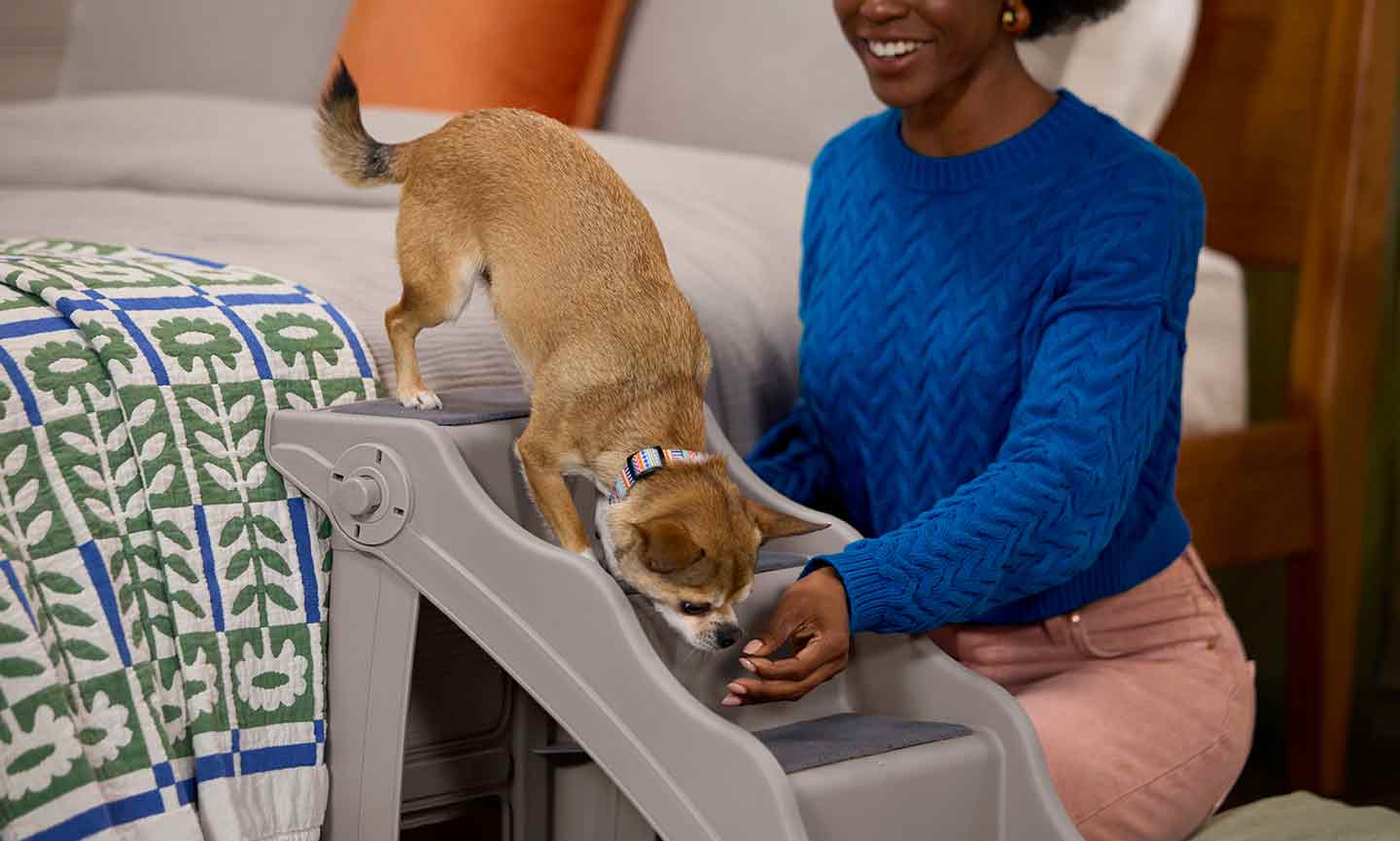
Show your dog how to go down slowly. Use treats to guide each step down the stairs. Stay close and support your dog physically if needed. Encourage calm, slow movements to avoid slipping. Practice descending in small, frequent sessions.
Using Rewards And Motivation
Using rewards and motivation is key to training your dog to use pet stairs. Dogs learn best when they feel happy and encouraged. Rewards help your dog understand what you want them to do. Motivation keeps them interested and eager to try again.
Positive experiences build your dog’s confidence. It makes the training process smooth and fun. Using treats and praise correctly can speed up learning.
Treats And Praise Techniques
Choose small, tasty treats your dog loves. Give one immediately after your dog uses the stairs. This helps your dog connect the action with the reward.
Use a calm, happy voice to praise your dog. Simple words like “good” or “yes” work well. Petting and gentle pats also show your dog they did well.
Start with easy steps. Reward every step your dog takes on the stairs. Gradually ask for more steps before giving treats. This builds their skill and patience.
Maintaining Consistency
Train your dog at the same times each day. Short sessions, about 5-10 minutes, work best. Consistency helps your dog remember what to do.
Always use the same treats and praise words. This clear message helps your dog learn faster. Avoid changing rewards too often.
Be patient and calm. Training takes time. Regular practice will make your dog comfortable with the stairs.
Overcoming Common Challenges
Training your dog to use pet stairs can bring many benefits. Some dogs face common challenges during training. These challenges can slow progress and cause frustration. Knowing how to handle these issues helps your dog learn faster and more confidently.
Fear Or Hesitation
Many dogs feel scared or unsure about pet stairs. They may refuse to try or freeze on the steps. Patience is key. Use treats to encourage small steps forward. Praise your dog for any progress, no matter how small. Repeating short, positive sessions builds trust. Avoid forcing your dog. Let them explore the stairs at their own pace.
Slipping And Stability Issues
Slippery stairs can make dogs nervous or cause falls. Use non-slip mats or pads on the steps. This adds grip and comfort. Check the stairs for wobbling or loose parts. Secure the stairs firmly to the floor. Guide your dog gently to prevent sudden moves. Support your dog if needed. Safe, steady stairs help your dog feel secure.
Credit: www.chewy.com
Maintaining Long-term Use
Maintaining your dog’s use of pet stairs over time takes some effort. Consistency helps your dog feel safe and confident. Small steps keep the habit strong and natural. Regular care ensures the stairs stay a good tool for your pet.
Regular Practice Sessions
Short, frequent practice helps your dog stay comfortable with the stairs. Try a few times daily, even after your dog learns well. Praise your dog each time it uses the stairs right. This makes your dog want to keep using them. Avoid long sessions to prevent boredom or stress.
Keeping Stairs Clean And Secure
Clean stairs invite your dog to use them every day. Wipe off dirt and pet hair often. Check for loose parts or slippery spots regularly. Fix problems quickly to keep the stairs safe. A sturdy, clean stair set builds trust and comfort.
Credit: kdfoundation.org
Frequently Asked Questions
How Long Does It Take To Train A Dog With Pet Stairs?
Training usually takes 1 to 2 weeks with consistent daily practice. Patience and positive reinforcement speed up learning.
What Is The Best Way To Introduce Pet Stairs?
Start by placing the stairs near your dog’s favorite resting spot. Encourage exploration using treats and praise to build confidence.
Can All Dog Breeds Use Pet Stairs Safely?
Most breeds can use pet stairs, but consider size and agility. Consult your vet if your dog has mobility issues.
How Often Should I Practice With Pet Stairs Daily?
Practice 5 to 10 minutes, 2 to 3 times daily. Short sessions maintain your dog’s interest and improve learning.
Conclusion
Training your dog to use pet stairs takes patience and care. Start slow and praise every small step your dog makes. Keep sessions short to avoid frustration. Use treats and gentle encouragement to build confidence. Soon, your dog will climb stairs safely and happily.
This helps protect their joints and makes daily life easier. Remember, every dog learns at their own pace. Stay calm, consistent, and positive throughout the process. Enjoy the progress and the new skill your pet gains.