
Have you ever stopped to think about when you last replaced your smoke detectors? These small devices are your first line of defense against fire, yet many people forget they need regular attention.
If your smoke detectors aren’t working properly, you and your loved ones could be at serious risk. Knowing how often to replace them can make all the difference in keeping your home safe. Keep reading to find out exactly when and why you should replace your smoke detectors—and how this simple step can protect what matters most to you.
Smoke Detector Lifespan
Smoke detectors are vital for home safety. They alert you early during a fire. Knowing how long they last helps keep your home safe. Smoke detectors do not work forever. Their ability to detect smoke weakens over time. Replacing them on time is crucial to avoid risks.
Average Replacement Time
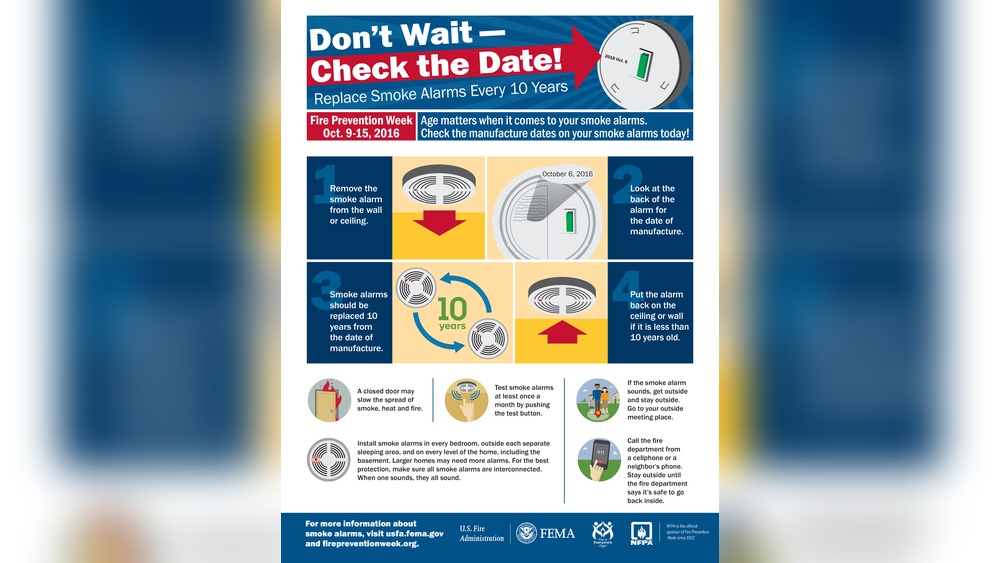
Most smoke detectors last about 10 years. After this period, their sensors may fail. The battery life is shorter but replaceable. The entire unit, though, needs full replacement. Old smoke detectors might not alert you during fire. Check the manufacture date on the device. Replace it if it is older than 10 years.
Factors Affecting Durability
Several things change how long a smoke detector works. Dust and dirt can block sensors. This makes the detector less sensitive. Humidity and heat also harm its parts. Frequent false alarms may mean sensor problems. Regular cleaning helps keep detectors working well. Installing detectors in the right place increases their life. Avoid placing them too close to kitchens or bathrooms.

Credit: mammothsecurity.com
Types Of Smoke Detectors
Smoke detectors are essential for home safety. They come in different types, each working in a unique way. Knowing the types helps you choose the right detector for your home. Here are the main types of smoke detectors.
Ionization Detectors
Ionization detectors detect fast-burning fires with small smoke particles. They use a small amount of radioactive material to sense smoke. These detectors react quickly to flames from paper or grease fires. They are common in many homes and often cost less than other types.
Photoelectric Detectors
Photoelectric detectors spot slow, smoldering fires with large smoke particles. They use a light beam inside the detector to detect smoke. When smoke blocks the light, the alarm sounds. These detectors work well for fires that start slowly, like those from a cigarette or electrical fault.
Dual-sensor Models
Dual-sensor models combine ionization and photoelectric technology. They offer broader fire detection and faster alerts. These detectors are the best choice for full protection. They sense both fast flames and slow smoldering fires, keeping your home safer.
Signs To Replace Smoke Detectors
Smoke detectors save lives by alerting you to fire dangers early. Knowing when to replace them is key for safety. Some signs mean your smoke detector may not work well anymore. Paying attention to these signs can keep your home protected. Here are the main signals that it is time to replace your smoke detector.
Malfunction Indicators
Smoke detectors that beep or chirp often show signs of malfunction. This sound might mean the battery is low or the detector is failing. If changing batteries doesn’t stop the noise, the device may be old or broken. A detector that doesn’t respond to testing also needs replacement. Always check for proper function regularly to stay safe.
Physical Damage
Cracks, dents, or corrosion on your smoke detector can affect its performance. Damage can block sensors or stop the alarm from sounding. Dust and dirt buildup inside the unit can also cause problems. If you see any physical damage, replacing the detector is the safest choice. Do not ignore visible signs of wear and tear.
Frequent False Alarms
Frequent false alarms can mean your smoke detector is not working properly. Steam, cooking smoke, or dust often trigger alarms, but regular false alerts are a warning sign. Aging detectors may become too sensitive or fail to detect real smoke. If your detector alarms often without cause, consider replacing it for reliable protection.
Credit: support.firstalert.com
Testing And Maintenance Tips
Testing and maintaining smoke detectors is crucial for home safety. These devices save lives by alerting you early to fire. Regular checks keep them working properly. Simple steps help ensure they perform well when needed.
Regular Testing Schedule
Test smoke detectors at least once a month. Press the test button until the alarm sounds. If it does not sound, replace the battery or the unit. Mark your calendar to remember testing dates. This habit helps catch problems early.
Battery Replacement
Change batteries every six months or when the alarm beeps. Use fresh, high-quality batteries for best results. Avoid old or used batteries. Low battery power can cause false alarms or failure. Keep extra batteries handy for quick replacement.
Cleaning Procedures
Dust and dirt can block smoke sensors. Clean detectors every six months with a soft brush or vacuum. Do not use water or cleaners on the device. Remove the detector from the ceiling before cleaning. This keeps the alarm sensitive and reliable.
Installation Guidelines
Proper installation of smoke detectors is key to protecting your home. Following clear guidelines helps ensure detectors work well and keep you safe. Let’s review the main points for placing and setting up smoke alarms.
Optimal Placement
Install smoke detectors on every level of your home. Place them inside each bedroom and outside sleeping areas. Mount detectors on the ceiling or high on walls. Avoid corners and areas near windows or vents. This prevents false alarms and ensures smoke reaches the sensor quickly.
Number Of Detectors Needed
The more detectors you have, the safer your home becomes. At least one smoke alarm is needed per floor. Larger homes need extra alarms in hallways and large rooms. Count bedrooms and common spaces to decide how many detectors are necessary.
Interconnected Systems
Interconnected smoke alarms all sound together during a fire. This alerts everyone in the house, even if the fire starts far away. Wired or wireless systems work well. Interconnection is especially useful in larger homes and multi-story buildings.
Legal And Safety Standards
Smoke detectors protect lives by warning about fires early. Legal and safety standards set clear rules about how often to replace them. These rules help keep homes and buildings safe. Following these standards reduces risks and ensures detectors work well.
Building Codes
Building codes require smoke detectors in homes and public buildings. These codes specify where to install detectors and when to replace them. Usually, codes say to replace smoke detectors every 10 years. Local authorities enforce these rules to keep everyone safe.
Manufacturer Recommendations
Manufacturers test smoke detectors and set replacement guidelines. Most recommend changing detectors every 10 years. Some types may need replacement sooner. Always check the user manual for exact advice. Following these tips keeps detectors reliable.
Insurance Requirements
Insurance companies may require working smoke detectors. They often ask for proof of regular replacement. Meeting these demands can lower insurance costs. Failing to replace detectors may risk losing coverage. Keep records of replacements for safety and insurance.
Upgrading Your Smoke Detectors
Upgrading your smoke detectors is an important step to keep your home safe. Old smoke alarms may not work well or miss smoke signals. New models offer better protection and extra features. Changing your detectors every 10 years is a good rule. But exploring new options can help you choose the best devices for your home. Modern smoke detectors bring more than just alarms.
New Technologies
Smoke detectors today use advanced sensors for faster detection. Some combine photoelectric and ionization sensors to catch different fires. This improves safety by reducing false alarms. Some devices also test themselves and alert you if batteries run low. These features help keep your system working without extra effort.
Smart Smoke Alarms
Smart smoke alarms connect to your phone or home network. They send alerts directly to your device, even when you are away. Some models show the exact room where smoke is detected. You can silence false alarms from your phone too. These alarms add convenience and faster response times.
Integration With Home Security
Many smoke detectors now work with home security systems. They trigger alarms and notify your security provider automatically. This integration can link smoke, carbon monoxide, and burglary alarms. It creates a complete safety system for your home. Such systems give peace of mind day and night.
:max_bytes(150000):strip_icc()/GettyImages-471212291-28d1f0edca2f4c6f8ce3bdaefd249872.jpg)
Credit: www.southernliving.com
Frequently Asked Questions
How Often Should Smoke Detectors Be Replaced?
Smoke detectors should be replaced every 10 years. Over time, sensors lose sensitivity. Regular replacement ensures reliable fire detection. Check the manufacture date on the device to know when to replace it.
Can I Extend Smoke Detector Lifespan By Maintenance?
Regular maintenance helps but doesn’t extend lifespan. Clean detectors monthly to remove dust and debris. Replace batteries yearly or when low. However, the sensor’s effectiveness decreases over time regardless of upkeep.
What Happens If I Don’t Replace Smoke Detectors?
Old smoke detectors may fail to detect fires. This increases risk of injury or property damage. Faulty alarms also may cause false alarms. Replacing detectors on time ensures safety and compliance with regulations.
Are There Signs Indicating Smoke Detector Replacement?
Frequent false alarms, no response during tests, or physical damage suggest replacement. Also, if your detector is over 10 years old, it’s time to replace it. Regular checks help identify these signs early.
Conclusion
Smoke detectors save lives by alerting you to fire dangers. Replace them every 10 years for best safety. Old detectors may not work well or at all. Test your alarms monthly to keep them ready. Change batteries at least once a year.
Keep your home and family safe with working smoke detectors. Don’t wait until it’s too late. Regular checks and timely replacements protect your peace of mind. Safety starts with simple steps anyone can follow. Stay alert, stay safe.