
Have you ever wondered how much warm or cool air escapes through your pet door? If you have a furry friend, you know a pet door is a lifesaver.
But it might also be costing you more on your energy bills than you realize. You’re not alone—many pet owners don’t realize how much air can be lost every day through these small openings. You’ll discover the surprising facts about air loss through pet doors and simple ways to keep your home comfortable while still giving your pet the freedom they love.
Keep reading to protect your energy and save money!
Air Leakage In Pet Doors
Pet doors offer convenience for pets and owners. They let animals move freely in and out of the house. Yet, these doors can also cause air leakage. Air leakage means warm or cool air escapes through gaps or openings. This loss affects your home’s energy efficiency and comfort. Understanding how much air escapes helps in choosing the right pet door and reducing drafts.
Common Types Of Pet Doors
There are several types of pet doors. The most common are flap doors, electronic doors, and sliding glass doors with pet panels. Flap doors have a flexible flap that pets push to enter. Electronic doors open only when a pet with a special collar approaches. Sliding glass doors with pet panels replace part of the glass with a small door. Each type has different levels of air tightness.
How Air Escapes Through Pet Doors
Air escapes mainly through gaps around the door edges. Flap doors often have small spaces between the flap and frame. Cold or warm air passes through these gaps easily. Electronic doors may have better seals but still leak if not installed well. Sliding glass pet panels can cause air loss if the panel does not fit tightly. Wind pressure also pushes air in and out through these openings. Proper sealing and quality materials reduce air leakage significantly.
Credit: www.walmart.com
Measuring Air Loss
Measuring air loss through a pet door helps understand its impact on home energy. Air escaping through these doors can raise heating and cooling costs. Accurate measurement identifies how much air leaks and guides better sealing solutions.
Techniques To Detect Air Leakage
Use a smoke pencil or incense stick near the pet door edges. Moving smoke shows where air escapes. Another method is a thermal camera. It reveals cold or warm spots around the door frame. Simple tools like a flashlight in a dark room can also help. Shine light around the door to spot gaps.
Factors Affecting Air Loss Rates
Pet door size influences how much air passes through. Larger doors lose more air. The material and fit of the flap matter too. Loose or thin flaps let more air escape. Weather conditions like wind increase air loss. Doors facing strong winds have higher leakage rates.
Energy Costs Of Air Loss
Air loss through a pet door can increase your home’s energy costs. Small gaps allow warm or cool air to escape. This forces your heating or cooling system to work harder. The result is higher utility bills and wasted energy. Understanding these costs helps you manage your home’s efficiency better.
Impact On Heating And Cooling Bills
Pet doors let air flow freely between indoors and outdoors. In winter, warm air escapes through the door. Your heater runs longer to keep rooms warm. In summer, cool air leaks out the same way. The air conditioner must work more to keep the house cool. This extra work raises your monthly energy bills. Even a small pet door can cause noticeable changes in costs.
Seasonal Variations In Energy Loss
Energy loss through pet doors changes with the seasons. Cold air enters more in winter, cooling your home. Warm air sneaks in during summer, heating your rooms. Spring and fall often see less energy loss. This happens because outdoor and indoor temperatures are closer. Knowing these patterns helps you plan better energy use. You might close the pet door in extreme weather to save energy.
Materials And Design Influence
The materials and design of a pet door play a big role in how much air escapes from your home. Different materials block air differently. The design affects how tightly the door closes. Both factors can reduce or increase energy loss.
Choosing the right pet door means thinking about insulation and sealing. Good materials keep warm air inside during winter. They also keep cool air inside during summer. The design should prevent drafts and leaks. A poorly designed pet door lets in cold or hot air easily.
Insulation Properties Of Pet Doors
Pet doors made with insulated panels limit air loss. Materials like double-pane glass or thick plastic help trap air. This reduces heat flow between indoors and outdoors. Some pet doors have foam cores for extra insulation. These materials keep your house warmer or cooler. Thin plastic or single-pane doors lose more air. Insulation quality affects your home’s energy bills.
Sealing And Weatherstripping Options
Seals and weatherstripping prevent air from slipping through gaps. Look for pet doors with rubber or vinyl seals. These materials close gaps tightly after your pet uses the door. Magnetic flaps also help keep the door closed firmly. Weatherstripping around the frame stops drafts. Regular checking and replacing worn seals improves efficiency. Good sealing lowers air loss and saves energy.
Reducing Air Leakage
Air leakage through pet doors can cause higher energy bills and uncomfortable indoor temperatures. Reducing this air loss improves home comfort and lowers heating or cooling costs. Simple steps make a big difference in keeping your home sealed and cozy.
Best Practices For Installation
Place the pet door in a low-traffic area to limit drafts. Use weatherstripping around the edges to seal gaps. Ensure the flap closes fully and tightly after your pet passes. Check for any holes or cracks near the door frame and seal them. Proper installation prevents cold air from sneaking in or warm air from escaping.
Upgrading To Energy-efficient Models
Choose pet doors with insulated flaps to block air flow. Look for double or triple flap designs for better sealing. Some models have magnetic or weighted closures that keep the flap shut firmly. Energy-efficient pet doors reduce heat loss and help maintain indoor temperature. Investing in a quality door saves money on energy bills over time.

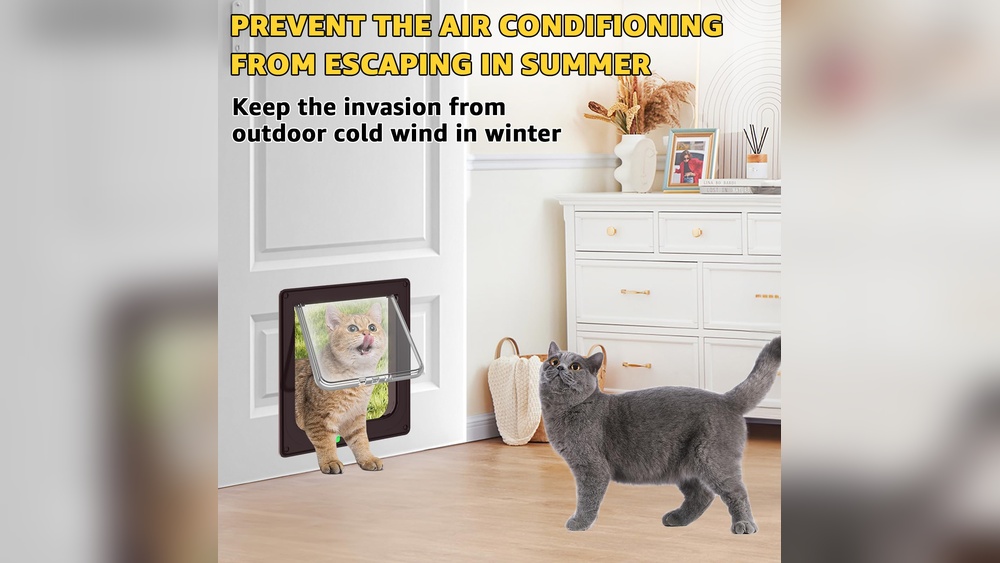
Credit: www.ebay.com
Real-life Case Studies
Pet doors offer great convenience but can cause air leaks. Real-life case studies help show how much air escapes through these doors. They reveal the impact on home energy and comfort. These examples highlight practical solutions that homeowners have used. Understanding these results helps you make better choices for your home.
Energy Savings After Door Improvements
One homeowner replaced an old pet door with a sealed model. Their heating bills dropped by 15% during winter. Another family added weatherstripping around their pet door. They noticed less cold air entering their home. These small changes cut energy waste significantly. Improved pet doors reduce drafts and keep rooms warmer. Energy savings can add up over time. These cases prove that investing in better doors pays off.
Common Mistakes To Avoid
Many people choose pet doors without checking insulation quality. This mistake leads to large air leaks and higher bills. Installing the door incorrectly creates gaps and drafts. Some owners forget to seal edges after installation. Using thin plastic flaps lets cold air inside easily. Choosing the wrong size door also wastes energy. These errors lower home comfort and increase heating costs. Paying attention to these details prevents common issues.

Credit: www.amazon.sa
Frequently Asked Questions
How Much Air Escapes Through A Pet Door?
Air loss through a pet door depends on its size and seal quality. Poorly sealed doors can lose significant air, increasing energy costs. Well-insulated pet doors minimize air leakage, maintaining indoor temperature and reducing drafts effectively.
Does A Pet Door Increase Heating Or Cooling Costs?
Yes, a pet door can raise heating or cooling costs. Air leaks through gaps or poor seals cause energy loss. Using insulated or magnetic-sealed pet doors helps reduce this effect and keeps energy bills lower.
Are Insulated Pet Doors Effective Against Air Loss?
Insulated pet doors significantly reduce air loss compared to standard doors. They have multiple layers and tight seals to block drafts. Installing an insulated pet door helps maintain indoor temperature and improves energy efficiency.
Can Weatherstripping Reduce Air Loss From Pet Doors?
Yes, weatherstripping around a pet door seals gaps and prevents drafts. It is an affordable way to improve insulation and reduce air leakage. Regularly checking and replacing weatherstripping ensures continued energy savings and comfort.
Conclusion
Pet doors do let some air escape your home. This can raise heating and cooling costs. Choosing well-sealed doors helps reduce air loss. Regular checks keep the door in good condition. Small changes make a big difference in energy use.
Keep your home comfortable while giving pets freedom. Balance convenience and energy savings for best results. Simple steps protect your space without extra expense.