Have you ever wondered how much electricity your string of LED lights actually uses? Whether you’re decorating for the holidays or adding a cozy glow to your space, knowing the power consumption can help you save money and avoid surprises on your energy bill.
You’ll discover simple facts about LED lights and how they impact your electricity usage. By the end, you’ll feel confident making smart choices that brighten your home without draining your wallet. Keep reading to find out exactly what you need to know!
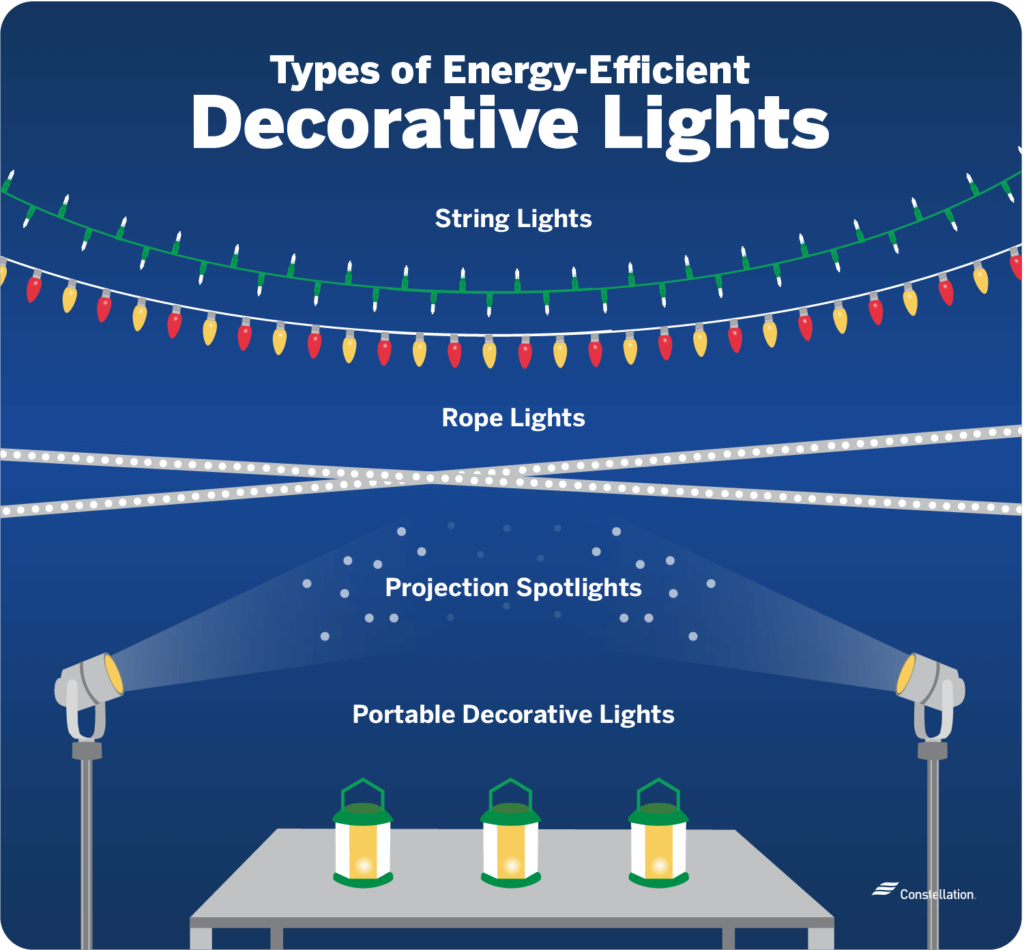
Credit: blog.constellation.com
Led Lights Energy Basics
LED lights use less energy than traditional bulbs. They convert electricity into light more efficiently. This efficiency helps save money on electricity bills. Understanding how LED lights use energy helps you choose the right lights.
Knowing the energy basics of LED lights also helps estimate their electricity use. This knowledge is useful for planning home decoration or holiday lighting. It helps avoid surprises in energy costs.
How Led Lights Work
LED stands for Light Emitting Diode. It produces light by passing electricity through a semiconductor. This process creates very little heat compared to old bulbs.
LED lights use electricity to excite electrons. These electrons release energy as light. This makes LED lights highly efficient and long-lasting.
Wattage And Voltage Explained
Wattage shows how much power a light uses. Lower wattage means lower energy use. LED string lights often use between 5 to 15 watts.
Voltage is the electrical force that powers the light. Most LED string lights use low voltage for safety. Knowing wattage and voltage helps calculate electricity cost.
Electricity Consumption Of Led Strings
LED string lights are popular for decoration and mood lighting. They use electricity but consume much less than traditional bulbs. Knowing how much power they use helps manage your electricity bill and choose the right lights.
Understanding the electricity consumption of LED strings makes it easier to plan their use. Let’s explore how much energy they typically use and what affects their power consumption.
Typical Wattage Per String
Most LED string lights use between 5 and 15 watts per string. A string can have 50 to 100 small LED bulbs. Each bulb uses only a fraction of a watt.
For example, a 100-bulb LED string might use about 10 watts. This is far less than traditional incandescent lights, which can use 40 to 60 watts for the same length.
Lower wattage means LED strings are energy-efficient. They provide bright light while using minimal electricity.
Factors Affecting Power Use
The length of the string affects power use. Longer strings have more bulbs and use more electricity.
Brightness also matters. Higher brightness LEDs consume more power. Dimming or using fewer lights reduces consumption.
Color and type of LEDs impact power use. Some colors need more energy to produce.
Timers and controllers help manage usage. Setting lights to turn off when not needed saves energy.
Comparing Led Lights To Other Types
Comparing LED lights to other types helps understand their power use. Different bulbs use different amounts of electricity. This affects your energy bills and environmental impact.
LED lights are known for their low power use. Let’s see how they compare to incandescent and fluorescent bulbs.
Led Vs Incandescent
Incandescent bulbs use much more electricity than LEDs. A typical LED string light uses about 80-90% less power. Incandescent bulbs also get very hot, wasting energy as heat. LEDs stay cool and run efficiently. This means LEDs save money and energy over time.
Led Vs Fluorescent
Fluorescent lights use less energy than incandescent bulbs but more than LEDs. LEDs use about 30-40% less power than fluorescents. Fluorescents contain small amounts of mercury, which can be harmful. LEDs are safer and last longer. They switch on instantly, while fluorescents may flicker or take time to brighten.
Credit: www.amazon.com
Calculating Your Energy Costs
Calculating your energy costs helps you understand how much you spend on LED string lights. This knowledge helps you manage your electricity bills better. You can use simple math to figure out daily and monthly costs. It takes only a few steps and basic information about your lights.
Estimating Daily And Monthly Use
First, find out the wattage of your LED string lights. This number is usually on the packaging or the label. Next, decide how many hours you use the lights each day. Multiply the wattage by the hours used daily. This gives the total watt-hours per day. To get monthly use, multiply daily watt-hours by 30 days.
Using Kilowatt-hours For Cost
Electricity companies charge by kilowatt-hours (kWh). One kilowatt-hour equals 1,000 watt-hours. Convert your daily watt-hours to kWh by dividing by 1,000. Multiply kWh by your local electricity rate. This shows the daily cost of running your lights. Multiply the daily cost by 30 for a monthly estimate.
Tips To Save Energy With Led Lights
Saving energy with LED lights is simple and effective. Small changes can lower electricity bills and help the environment. Using LED lights wisely keeps your home bright without wasting power.
Choosing Energy-efficient Models
Pick LED lights with low wattage and high brightness. Look for labels that say “energy-efficient” or have an ENERGY STAR rating. These lights use less power but still shine bright. Avoid buying lights that use more electricity than needed.
Choose LED strings with fewer bulbs or dimmer settings. This reduces electricity use without losing decoration quality. Energy-efficient models last longer too, saving money over time.
Smart Usage And Timers
Use timers to turn LED lights on and off automatically. This stops lights from running all day or night by accident. Set timers for only the hours you need light.
Switch off LED strings when not in use. Don’t leave them on in empty rooms or during daylight. Smart plugs help control lights easily and save energy.

Credit: hirosarts.com
Environmental Benefits Of Led Lighting
LED lights offer many environmental benefits. They use less power than traditional bulbs. This lower energy use helps protect the planet. Using LED string lights reduces harmful pollution. They also last longer, which means less waste.
Choosing LED lighting supports a cleaner and greener world. It helps save resources and lowers your home’s carbon output.
Reducing Carbon Footprint
LED lights consume much less electricity. This means power plants burn less fossil fuel. Burning less coal and gas cuts carbon dioxide emissions. Lower emissions help slow global warming. Using LED string lights reduces your home’s carbon footprint. Small changes add up to big environmental benefits.
Long-term Energy Savings
LED bulbs last far longer than traditional bulbs. They need fewer replacements, which cuts waste. Using less electricity lowers your energy bills. Over time, these savings reduce demand on power plants. Less energy used means fewer natural resources consumed. This helps protect forests, water, and wildlife habitats.
Frequently Asked Questions
How Much Electricity Does One String Of Led Lights Use?
A typical LED light string uses about 7 to 15 watts per 100 bulbs. This depends on bulb size and length. LED lights consume less power than traditional bulbs, making them energy-efficient for decoration.
Are Led String Lights More Energy Efficient Than Incandescent?
Yes, LED string lights use up to 80% less electricity than incandescent bulbs. They last longer and produce less heat, saving energy and reducing electricity bills over time.
How To Calculate Electricity Cost For Led String Lights?
Multiply the wattage of the LED string by hours used daily, then divide by 1000 for kilowatt-hours. Multiply kWh by your electricity rate to find daily cost. This helps estimate your monthly LED light electricity expenses.
Does The Length Of Led String Lights Affect Electricity Usage?
Yes, longer LED strings use more electricity because they have more bulbs. However, LEDs still consume less power per bulb than traditional lights, keeping overall consumption low even for longer lengths.
Conclusion
LED string lights use very little electricity compared to other bulbs. They save energy and lower your electric bill. Small watts add up slowly, so they stay efficient. Choosing LED lights helps the environment by reducing power use. You can enjoy bright decorations without worrying about high costs.
Understanding their energy use lets you make smart choices. Bright, beautiful, and cost-effective—LED string lights are a smart option.