
Have you ever decorated with LED string lights only to find some of them suddenly stop working in the middle? It’s frustrating when your carefully arranged lights go dark, and you’re left wondering what went wrong.
If you want to understand why LED lights might fail mid-string and how you can fix or prevent this problem, you’re in the right place. Keep reading, and you’ll discover simple reasons behind the issue and easy steps to bring your lights back to life.
Don’t let a little blackout ruin your bright ideas!

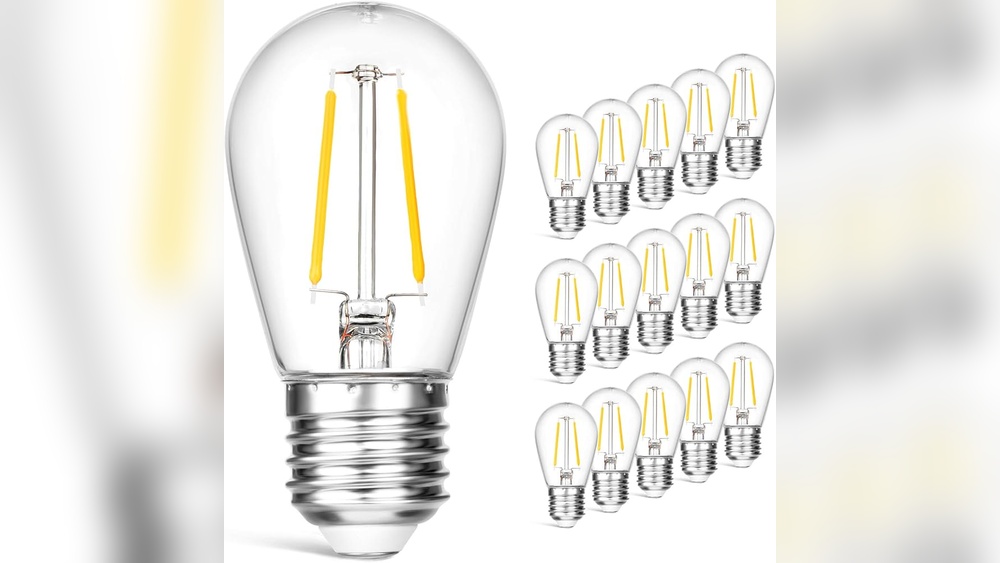
Credit: www.amazon.com
Common Causes Of Led String Failures
LED string lights sometimes stop working in the middle of the string. This problem can be caused by a few common issues. Understanding these can help fix the lights faster and save money. Below are some main reasons why LED string lights fail.
Burned Out Bulbs
One burned-out bulb can cause a whole section to go dark. Some LED strings are wired in a way that one bad bulb breaks the circuit. Checking each bulb carefully can help find the problem. Replacing the faulty bulbs often restores the light.
Loose Connections
Loose connections between bulbs or wires can stop the current flow. This issue often happens at the bulb base or where the wires meet. Gently pushing or twisting the bulbs can secure the connection. Tightening these spots can bring the lights back to life.
Broken Wires
Wires can break or get damaged from bending or pulling. Broken wires stop electricity from reaching parts of the string. Look for cuts, cracks, or exposed wire. Repairing or replacing the damaged section will fix the problem.
Faulty Sockets
Sockets hold bulbs and connect them to the power source. If a socket is broken or dirty, the bulb may not light. Inspect sockets for corrosion, dirt, or damage. Cleaning or replacing bad sockets can restore the light flow.
Diagnosing The Problem
Diagnosing why LED lights do not work in the middle of a string can be tricky. It requires a careful approach to find the exact cause. Several simple tests help identify the problem fast. These checks ensure you fix the right issue without wasting time or money.
Visual Inspection
Start with a close look at the LED string. Check for broken or loose bulbs. Look for dark or blackened bulbs that may signal damage. Inspect the wiring for cuts, bends, or corrosion. A damaged wire can stop electricity flow. Also, check if any bulbs are missing or out of place. Sometimes, a small break causes the whole section to fail.
Testing With A Multimeter
A multimeter helps measure electrical flow in the string. Set it to test continuity or resistance. Touch the probes to each bulb socket and wire section. A beep or low resistance reading means good connection. No beep or infinite resistance shows a break in the circuit. Test bulbs one by one. This step finds the exact spot where the current stops.
Checking The Fuse
Many LED light strings have a small fuse in the plug. This fuse can blow and stop power from reaching the bulbs. Find the fuse holder and open it carefully. Look at the fuse for a broken wire inside. Replace the fuse if it appears damaged. Using the right fuse type is important to keep the lights safe and working.
Simple Fixes For Led Strings
Simple fixes can often bring LED strings back to life. Small problems like loose bulbs or broken wires stop the lights from working. These issues do not need special tools or skills. With some patience, anyone can fix them.
Knowing how to handle these common problems saves time and money. It also keeps your lights shining bright for longer.
Replacing Burned Out Bulbs
Burned out bulbs block electricity flow. Find the dead bulb by looking for dark or broken glass. Remove it gently from the socket. Use the same type of bulb for replacement. Push the new bulb firmly but carefully into place. Test the string to see if the lights work again.
Securing Loose Connections
Loose connections cause flickering or no light at all. Check plugs and sockets for a tight fit. Unplug and replug each connection to secure it. Clean any dirt or dust around the contacts. Twisting or adjusting wires can improve contact. After securing, test the string to confirm the fix.
Repairing Broken Wires
Broken wires stop the power from reaching bulbs. Look for cuts or bends in the wire. Use electrical tape to cover small breaks. For bigger damage, cut out the broken section. Strip the ends of the wires and twist them together. Wrap the connection with tape to protect it. Check if the lights turn on after the repair.
Credit: www.reddit.com
Advanced Repair Techniques
Advanced repair techniques help fix LED lights that stop working in the middle of strings. These methods go beyond simple bulb replacements. They target wiring problems and faulty parts that cause failures. Learning these techniques can save money and extend the life of your LED strings.
Soldering Broken Connections
Broken wires inside the string can stop lights from working. Soldering joins these broken parts with a small metal alloy. It creates a strong, conductive connection. You need a soldering iron and some solder wire. Clean the broken area, heat it, and apply solder. This restores electrical flow and fixes the lights.
Replacing Faulty Sockets
LED sockets hold bulbs in place and supply power. Sometimes, sockets become loose or damaged. Replace faulty sockets to restore the connection. Remove the broken socket carefully. Attach a new one that fits your LED bulbs. This fixes power issues and makes the string work again.
Using Led String Repair Kits
Repair kits include tools and replacement parts for LED strings. They often contain bulbs, sockets, and wiring supplies. Kits guide you through fixing common problems. Use the kit to replace damaged components easily. These kits are useful for quick and effective repairs.
Preventive Tips To Avoid Future Failures
Preventing LED string lights from failing in the middle saves time and money. Taking simple steps keeps them working longer. Caring for your lights before problems start is smart. Follow these tips to avoid future failures.
Proper Storage
Store LED strings in a cool, dry place. Avoid moist or hot areas that can damage wires. Coil the lights loosely to stop tangling. Use a spool or a box for neat storage. Proper storage prevents breaks and shorts in the wiring.
Careful Handling
Handle LED strings gently during setup and takedown. Avoid pulling or stretching the wires. Keep the lights away from sharp objects that can cut cables. Hold the plug, not the cord, when unplugging. Careful handling stops physical damage and loose connections.
Regular Maintenance
Check LED strings before each use for damage or wear. Look for broken bulbs, loose wires, or corrosion on plugs. Clean connectors with a dry cloth to remove dust. Replace faulty bulbs immediately to protect the rest of the string. Regular checks keep your lights safe and bright.
Credit: www.ifixit.com
When To Replace The Entire String
Knowing when to replace the entire LED string saves time and effort. Sometimes, fixing one or two lights won’t work. The problem might be deeper in the string. Understanding the signs helps decide the best action.
Signs Of Irreparable Damage
Lights flicker or stay off despite checking connections. Wires show visible burns or breaks. Multiple bulbs go out in a row. The string feels hot or smells burnt. These signs mean the string is beyond repair.
Cost Vs. Repair Considerations
Repair parts can add up in price. Fixing many bulbs takes more time and skill. Buying a new string often costs less. New strings come with a warranty. This makes replacement a smarter choice for long-term use.
Frequently Asked Questions
Why Do Led Lights Fail Mid-string?
LED lights may fail mid-string due to a broken bulb or loose connection. A single faulty LED can interrupt the circuit, causing the rest to go out. Checking and replacing damaged bulbs or securing connections often fixes the issue.
Can Faulty Wiring Cause Led String Lights To Stop?
Yes, faulty wiring can cause LED string lights to stop working. Damaged or frayed wires interrupt electrical flow. Inspecting the wiring for cuts or wear and repairing or replacing it restores functionality.
How Does A Blown Fuse Affect Led Strings?
A blown fuse stops electricity from reaching the LEDs, causing the string to fail. Fuses protect the lights from power surges. Replacing the blown fuse usually resolves the problem quickly.
Are Incompatible Led Bulbs Causing Mid-string Failure?
Using incompatible LED bulbs can cause mid-string failure. Different bulbs have varying voltage and current needs. Always use bulbs specified for your string to ensure proper function and avoid damage.
Conclusion
LED lights on string sets may stop working due to loose bulbs or broken wires. Check each bulb carefully to find any damage or dirt. Sometimes, the fuse inside the plug can blow, causing the lights to go out. Using the right power source and avoiding overloading helps keep lights working longer.
Regularly inspecting and cleaning the strings can prevent problems. Small fixes often bring the lights back to life quickly. Understanding these common issues saves time and frustration during decoration. Keep your LED strings shining bright with simple care and checks.