
Are you tired of constantly opening the door for your pet? Imagine giving your furry friend the freedom to come and go as they please, while keeping your home secure.
Making a pet door in wire mesh is easier than you think, and it can save you time and hassle every day. In this guide, you’ll discover simple steps to create a durable, safe pet door that fits perfectly in your wire mesh setup.
Ready to make life easier for both you and your pet? Let’s get started!
Materials Needed
Gathering the right materials is the first step to create a pet door in wire mesh. This ensures the door is sturdy and safe for your pet. Understanding each material helps you prepare better and avoid mistakes.
Wire Mesh Selection
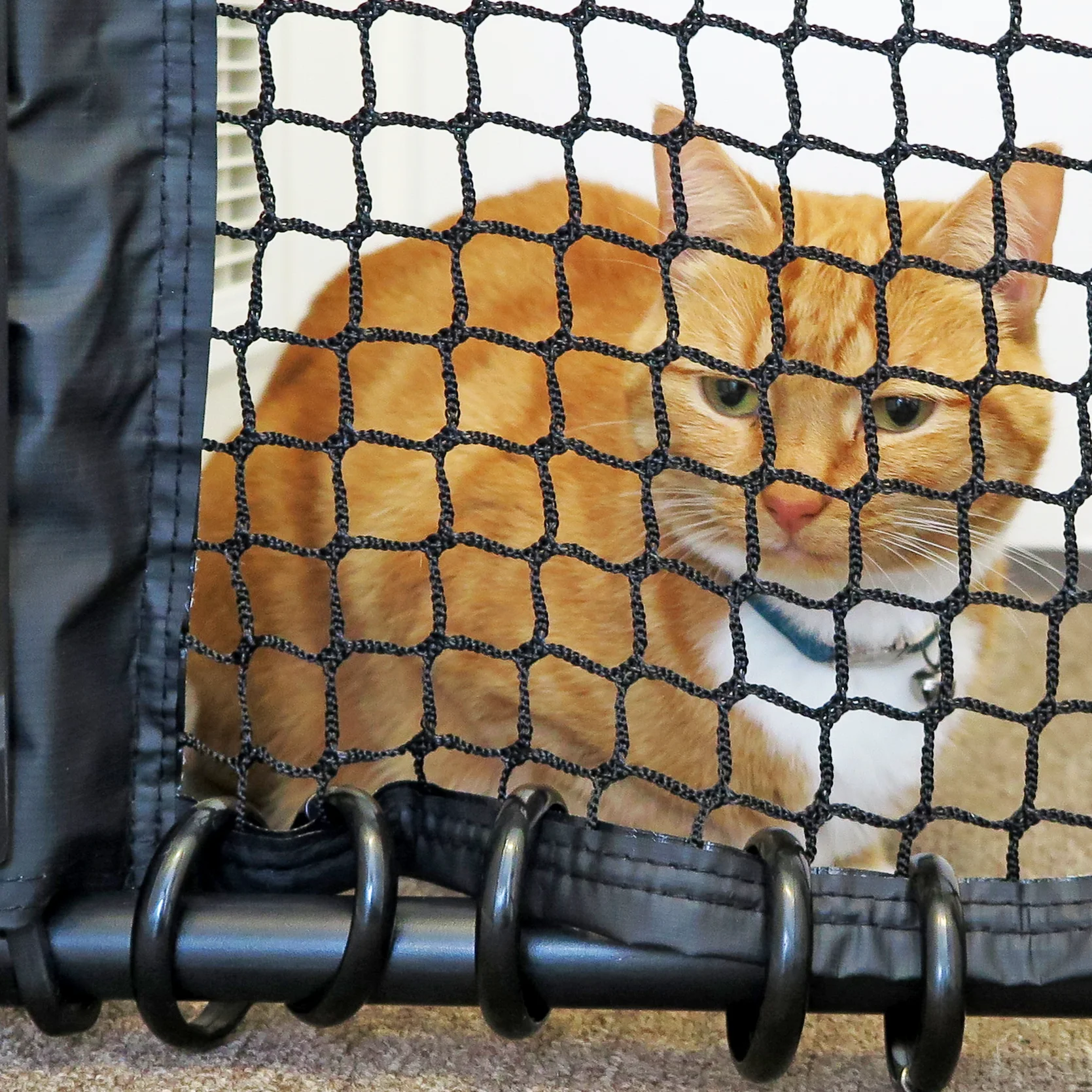
Choose wire mesh with small holes to keep pets safe. Galvanized steel mesh is strong and rust-resistant. A mesh size of 1/2 inch or smaller works well. Avoid flimsy or wide-mesh options that pets can easily break.
Tools Required
You will need wire cutters to shape the mesh. A drill helps make holes for screws. Screwdrivers are necessary to fasten parts securely. Measuring tape and a marker will guide your cuts and placements. Gloves protect your hands from sharp edges.
Additional Supplies
Use screws or rivets to attach the mesh firmly. Weatherproof sealant protects edges from moisture. Hinges are needed to create a flap for the door. A latch or magnetic catch keeps the door closed. Sandpaper smooths rough edges for safety.
Credit: www.liftingitalia.com
Choosing The Right Location
Choosing the right location for your pet door in wire mesh is important. It affects your pet’s comfort and safety. Picking a good spot ensures your pet can easily go in and out. It also keeps your home secure and prevents damage to the mesh. Consider your pet’s needs and your home layout before starting.
Assessing Pet Size
Measure your pet’s height and width carefully. The door must be big enough for your pet to pass through easily. Too small, and your pet will struggle. Too big, and it might let in unwanted animals. Check your pet’s size while standing and walking. This helps create a perfect fit for the door.
Safety Considerations
Pick a spot that keeps your pet safe from traffic and hazards. Avoid busy streets or areas with sharp objects nearby. Make sure the wire mesh can support the door without weakening. Check for gaps around the door where other animals could enter. Safety is key for your pet and your home.
Accessibility Factors
Choose a location your pet can reach easily at all times. Avoid places blocked by furniture or plants. The door should be low enough for your pet to access without jumping. Consider your pet’s daily routine and where it spends time. Easy access encourages your pet to use the door often.
Measuring And Marking
Measuring and marking are the first important steps to make a pet door in wire mesh. Accurate measurements ensure the door fits perfectly for your pet. Marking the mesh clearly helps during cutting and assembly. Take your time and be precise.
Determining Door Dimensions
Start by measuring your pet’s height and width. Measure from the floor to your pet’s shoulders. Add a few inches to allow easy movement. Also, measure the width of your pet’s body. These numbers become the door size. Choose a size that is comfortable but not too big.
Consider the pet’s age and growth if it is young. A slightly larger door may save time later. Use a ruler or tape measure for accuracy. Write down the dimensions clearly.
Marking The Wire Mesh
Place the wire mesh on a flat surface. Use a ruler or square to draw straight lines. Mark the door outline using a permanent marker or a fine-tip pen. Double-check the measurements before marking. Mark cutting points clearly to avoid mistakes.
Make sure the marks are visible but easy to erase if needed. Mark extra space for the frame or hinges if you plan to add them. Precise marking helps in smooth cutting and fitting.

Credit: www.bee1.com.br
Cutting The Wire Mesh
Cutting the wire mesh is a key step in making a pet door. It shapes the mesh to fit the door frame. Precise cutting ensures the mesh fits well and works safely. Take your time to measure and cut carefully for the best results.
Using Proper Cutting Tools
Use wire cutters or tin snips for clean cuts. These tools cut through mesh easily and reduce jagged edges. Avoid using dull or inappropriate tools. Sharp cutters make the job faster and safer. Keep the tool steady and cut slowly along the lines.
Handling Sharp Edges
Wire mesh edges can be very sharp after cutting. Always wear gloves to protect your hands. Use sandpaper or a file to smooth rough edges. Check every cut edge to avoid scratches or cuts. Proper handling keeps the pet door safe for your pet and family.
Creating The Door Frame
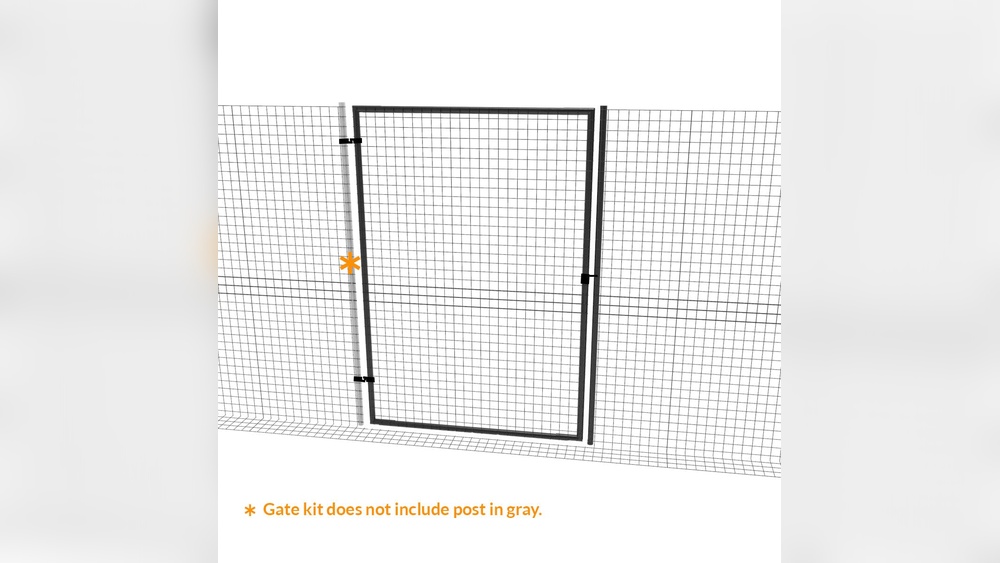
Creating the door frame is an important step in making a pet door from wire mesh. The frame holds the mesh securely and makes the door strong. A good frame also helps the door open and close easily. This part needs careful work to ensure the door fits well and lasts a long time.
Building Support Structure
Start by cutting wood pieces for the frame. Use wood that is strong and smooth. Measure the size of your pet and add a few inches for space. Cut two vertical and two horizontal pieces to form a rectangle. Join the pieces with screws or nails to make a solid frame. Check that the corners are square using a carpenter’s square. Sand the edges to avoid splinters. This support structure will hold the wire mesh firmly.
Attaching Hinges
Choose hinges that fit the frame size and door weight. Place the hinges on one vertical side of the frame. Mark the spots for screws carefully. Pre-drill holes to avoid splitting the wood. Screw the hinges tightly to the frame. Attach the other side of the hinges to the door opening or wall. Make sure the door swings smoothly and fits well. Test the door several times to confirm easy movement.
Credit: www.reddit.com
Installing The Pet Door
Installing the pet door in wire mesh requires careful steps. The door must fit well and stay secure. This section explains how to fit the door and fasten it firmly.
Fitting The Door Into Mesh
First, measure the pet door and mark the spot on the mesh. Cut an opening slightly smaller than the door frame. This keeps the mesh tight around the edges. Insert the pet door into the cut hole. Make sure the door moves freely without catching on the mesh. Adjust the hole size if needed for a perfect fit.
Securing With Fasteners
Use strong fasteners to hold the pet door in place. Screws or zip ties work well with wire mesh. Place fasteners evenly around the door frame. Tighten them enough so the door does not wiggle. Check all sides to ensure the door is stable. Proper fastening prevents damage and keeps pets safe.
Adding Finishing Touches
Adding finishing touches to your wire mesh pet door is important. These steps make the door safe, durable, and easy to use. A well-finished pet door keeps your pet comfortable and your home protected. Take your time with these small but key steps.
Sealing Edges
Sealing the edges of the wire mesh stops sharp parts from hurting your pet. Use a strong sealant or rubber trim around the edges. This also stops dirt and bugs from entering through gaps. Make sure the seal is tight and smooth to touch.
Adding Weatherproofing
Weatherproofing protects the pet door from rain, wind, and cold. Attach weather strips or foam around the frame. This helps keep your home warm and dry. Choose materials that resist water and last long outdoors.
Testing Door Functionality
Test the door by gently pushing it open and closed. Check if it swings freely without sticking. Watch your pet use it a few times. Make sure the door is easy for your pet and closes properly after use.
Maintenance Tips
Proper maintenance keeps your wire mesh pet door safe and durable. Small problems can turn into big troubles without care. Regular checks and quick repairs help your pet door last longer. A well-maintained door also keeps your pet safe from outdoor hazards.
Regular Inspections
Look at the pet door often. Check the wire mesh for holes or rust spots. Make sure the frame is tight and not loose. Watch for sharp edges that could hurt your pet. Clean the mesh to remove dirt and dust. This keeps the door working smoothly and looking good.
Repairing Damages
Fix small holes in the mesh quickly. Use wire patches or new mesh pieces. Tighten any loose screws or frames. Replace parts that are too damaged to fix. Smooth sharp edges with sandpaper to prevent injury. Timely repairs keep the door strong and safe for your pet.
Frequently Asked Questions
How Do I Cut A Pet Door In Wire Mesh?
Use wire cutters to carefully cut an opening in the mesh. Measure your pet’s size first for a perfect fit. Smooth any sharp edges to prevent injuries. Ensure the cut is clean and aligns with your pet’s usual path.
What Tools Are Needed For Making A Wire Mesh Pet Door?
You need wire cutters, a measuring tape, pliers, a marker, and protective gloves. Optional tools include a metal file to smooth edges. These tools help create a safe, accurate pet door in the wire mesh.
How To Secure The Pet Door Frame In Wire Mesh?
Attach a sturdy frame using zip ties or metal clips. Make sure the frame fits snugly to prevent gaps. A secure frame keeps the mesh stable and ensures the pet door remains durable over time.
Can I Customize The Pet Door Size In Wire Mesh?
Yes, measure your pet’s height and width before cutting. Custom sizes ensure comfort and easy access. Adjust the mesh opening and frame to fit your pet’s unique dimensions perfectly.
Conclusion
Creating a pet door in wire mesh is simple and useful. You save money by doing it yourself. Your pet gains freedom to go in and out. Use the right tools and follow each step carefully. Check the door often to keep it safe and strong.
This small project brings big comfort for both you and your pet. Give it a try and enjoy the benefits today.