
Is that annoying chirping from your smoke detector driving you crazy? You’re not alone.
That high-pitched beep can interrupt your peace, day or night, making it hard to focus or sleep. But don’t worry—fixing this problem is easier than you think. You’ll discover simple, step-by-step solutions to stop your smoke detector from chirping for good.
Keep reading, and you’ll soon enjoy a quiet, safer home without the constant beep stealing your attention.

Credit: www.angi.com
Why Smoke Detectors Chirp
Smoke detectors make a chirping sound to warn you. The noise signals that something needs your attention. It helps keep your home safe by alerting you early. Understanding why smoke detectors chirp stops the noise faster. It also ensures your device works properly when needed.
Low Battery Signals
Low batteries are the most common cause of chirping. The detector beeps to tell you the power is low. Changing the battery usually stops the noise. Using fresh batteries keeps the device reliable and ready.
Dust And Dirt Issues
Dust inside the smoke detector can cause false chirps. Dirt blocks the sensor and triggers the alarm. Cleaning the unit gently with a soft brush helps. Regular cleaning keeps it functioning correctly.
End Of Life Alerts
Smoke detectors have a lifespan, usually 8-10 years. Chirping can mean the unit is old and needs replacement. The alarm warns you before the device stops working. Replacing old detectors ensures continued home safety.
Electrical Problems
Hardwired smoke detectors might chirp due to electrical faults. Loose wires or power interruptions cause the sound. Checking connections or calling an electrician may be needed. Proper wiring keeps the alarm steady and silent.
Quick Battery Replacement Tips
Quick battery replacement can stop a smoke detector from chirping fast. A chirping sound means the battery is low and needs a change. Replacing the battery keeps your home safe and quiet. Use these tips to do it right and easily.
Choosing The Right Battery
Check the smoke detector for battery type. Most use 9-volt or AA batteries. Use fresh batteries from a trusted brand. Avoid old or used batteries to prevent quick chirps. Match the battery size to your smoke detector’s needs.
Step-by-step Replacement Guide
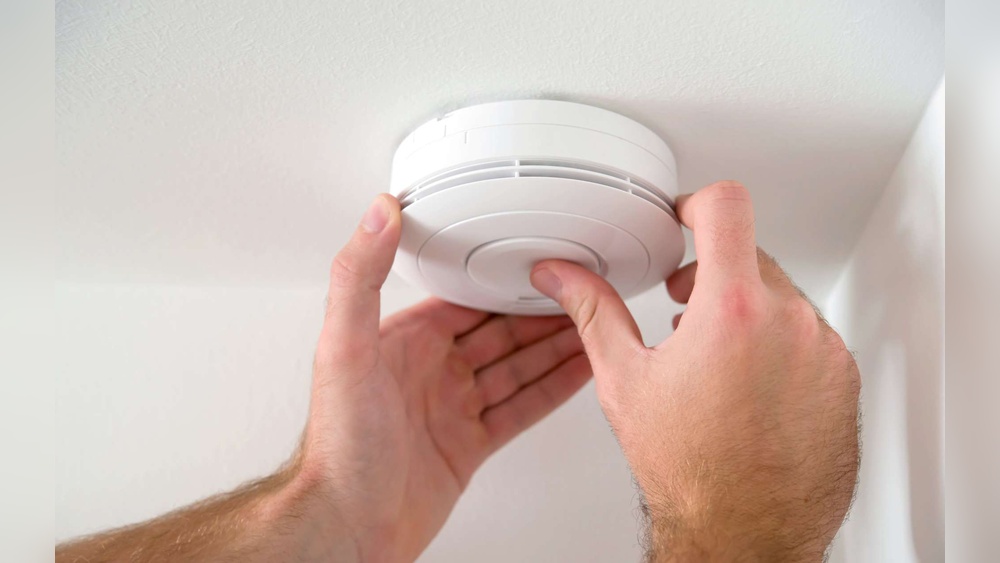
First, turn off the smoke detector or remove it from the ceiling. Open the battery compartment carefully. Take out the old battery and throw it away safely. Insert the new battery with correct polarity (+ and -). Close the battery compartment tightly. Mount the detector back securely.
Resetting The Detector After Battery Change
Press the test button on the detector for 15 seconds. This resets the unit and clears the chirp sound. Wait for the detector to beep once, signaling it works well. If chirping continues, check the battery fit or replace again. Resetting keeps your smoke detector ready to protect.
Cleaning And Maintenance Tricks
Cleaning and maintaining your smoke detector helps stop annoying chirps. Dust and dirt often cause false alarms or chirping sounds. Regular care keeps the device working well and safe.
Follow simple cleaning and maintenance tricks to keep your smoke detector quiet and reliable.
Safe Cleaning Methods
Turn off the power before cleaning your smoke detector. Use a soft brush or a vacuum cleaner with a brush attachment. Gently remove dust from the vents and surface. Avoid using water or cleaning sprays directly on the device. Wipe the exterior with a dry cloth if needed. Keep the sensor area clean but handle it with care.
Tools You’ll Need
A soft brush is perfect for dust removal. A vacuum cleaner with a brush attachment helps reach tight spots. Use a dry microfiber cloth for wiping. A small screwdriver may be needed to open the battery compartment. Have fresh batteries ready for replacement. These simple tools make maintenance easy and safe.
Frequency Of Maintenance
Clean your smoke detector every three to six months. Check the device monthly for dust and dirt buildup. Replace batteries at least once a year or when chirping starts. Regular checks and cleaning prevent false alarms and keep your home safe. Set reminders to maintain your smoke detector on time.

Credit: waynealarm.com
Handling False Alarms And Chirps
False alarms and chirping noises from smoke detectors can be very annoying. They often happen without a real emergency. Understanding why these false signals occur helps you stop them quickly. This section guides you through common causes, how to place your detector, and how weather affects it.
Common Causes Of False Chirps
Low batteries are the main reason for chirping sounds. The detector warns you before the battery dies. Dust or dirt inside the detector can also cause false alarms. Insects or small bugs sometimes get inside and trigger the alarm. Using old or expired smoke detectors might cause frequent chirps too.
Adjusting Detector Placement
Placing a smoke detector too close to the kitchen or bathroom can cause false alarms. Steam, smoke from cooking, or humidity can trigger chirps. Avoid placing detectors near windows or vents where drafts happen. High ceilings or corners might prevent the detector from working well. Move the detector to a better spot to reduce false signals.
Dealing With Humidity And Temperature
Humidity and temperature changes affect smoke detectors. High humidity from showers or cooking can cause false chirps. Cold or hot air can confuse the sensor. Keep detectors away from places with big temperature swings. Using a dehumidifier can help in very humid areas. This keeps the smoke detector working properly without false alarms.
When To Replace Your Smoke Detector
Knowing when to replace your smoke detector is key to keeping your home safe. Smoke detectors do not last forever. Over time, their sensors wear out. This can cause the unit to chirp or fail to alert you in an emergency.
Replacing an old smoke detector ensures it works well. It also stops annoying chirping sounds. Understanding when to change your smoke detector helps you avoid risks.
Detector Lifespan Insights
Most smoke detectors last about 8 to 10 years. After this time, their sensors become less reliable. Battery changes alone will not fix this issue. The casing and internal parts age too. Check the manufacture date on the back of your unit. Replace the smoke detector if it is older than 10 years.
Signs It’s Time For A New Unit
Frequent chirping even after changing batteries is a warning sign. Smoke detectors that fail tests or do not respond to smoke need replacement. Physical damage, like cracks or corrosion, means the unit is unsafe. A detector that makes strange noises or false alarms should be swapped out.
Choosing A Modern Smoke Detector
Modern smoke detectors offer better technology. Many have long-life batteries that last 10 years. Some units combine smoke and carbon monoxide detection. Look for models with clear alerts and easy test buttons. Choose a device that fits your home’s needs and budget.
Additional Tips To Silence Persistent Chirping
Persistent chirping from a smoke detector can be very frustrating. It often signals an issue that needs attention. This section offers extra tips to help stop the noise quickly and keep it from returning. These simple steps can bring peace and ensure your home stays safe.
Temporary Silence Methods
Press the silence or hush button on the smoke detector. This can stop the chirp for several minutes. Remove the battery for a few seconds, then put it back. This may reset the detector and stop the sound temporarily. Clean the detector’s sensor with a soft brush. Dust can cause false alarms and chirping. Avoid using water or harsh chemicals during cleaning.
Avoiding Frequent Chirping In Future
Replace batteries regularly, at least once a year. Use high-quality batteries to ensure longer life. Keep the smoke detector clean and free of dust. Test it monthly to confirm it works properly. Avoid placing the detector near kitchens or bathrooms. Steam and cooking fumes can cause false chirps. Install detectors in recommended locations according to guidelines.
Professional Help And Support
Contact a professional if chirping continues despite your efforts. An expert can check for wiring or sensor problems. They can replace or repair faulty detectors safely. Some detectors have a limited lifespan and need full replacement. Professional advice ensures your smoke detector works reliably. Your safety depends on a fully functional alarm system.

Credit: www.youtube.com
Frequently Asked Questions
Why Does My Smoke Detector Keep Chirping?
Smoke detectors chirp due to low batteries, dust buildup, or end-of-life. Replace batteries first. Clean the device gently. If chirping continues, consider replacing the detector.
How To Stop Smoke Detector Chirping Immediately?
To stop chirping, press the hush button or remove the battery. Clean the detector and replace old batteries. Ensure the unit is correctly installed and not expired.
Can A Dirty Smoke Detector Cause Chirping?
Yes, dust and debris can trigger false chirping. Clean your smoke detector regularly with a vacuum or soft brush to prevent this issue.
How Often Should I Replace Smoke Detector Batteries?
Replace batteries at least once a year or when chirping occurs. Use fresh, high-quality batteries to ensure proper function and avoid false alarms.
Conclusion
A chirping smoke detector can be very annoying. It often means the battery is low or the device needs cleaning. Replacing the battery usually stops the noise quickly. Sometimes, a reset or new detector is needed. Regular checks keep your home safe and quiet.
Don’t ignore the sound; it warns of safety issues. Taking simple steps helps you fix the problem fast. Stay calm and follow the easy tips to stop chirping today. Your peace and safety matter most.