
Your screen door is a gateway to fresh air and sunshine, but if you have pets, it can quickly turn into a source of worry. You want to keep your furry friends safe while still enjoying the breeze and views.
So, how do you make sure your screen door stands up to claws, paws, and curious noses? You’ll discover simple and effective ways to pet proof your screen door. By the end, you’ll have easy solutions that protect your door and give your pets the freedom they love—all without sacrificing style or function.
Keep reading to transform your screen door into a pet-friendly barrier that works for you and your furry companions.
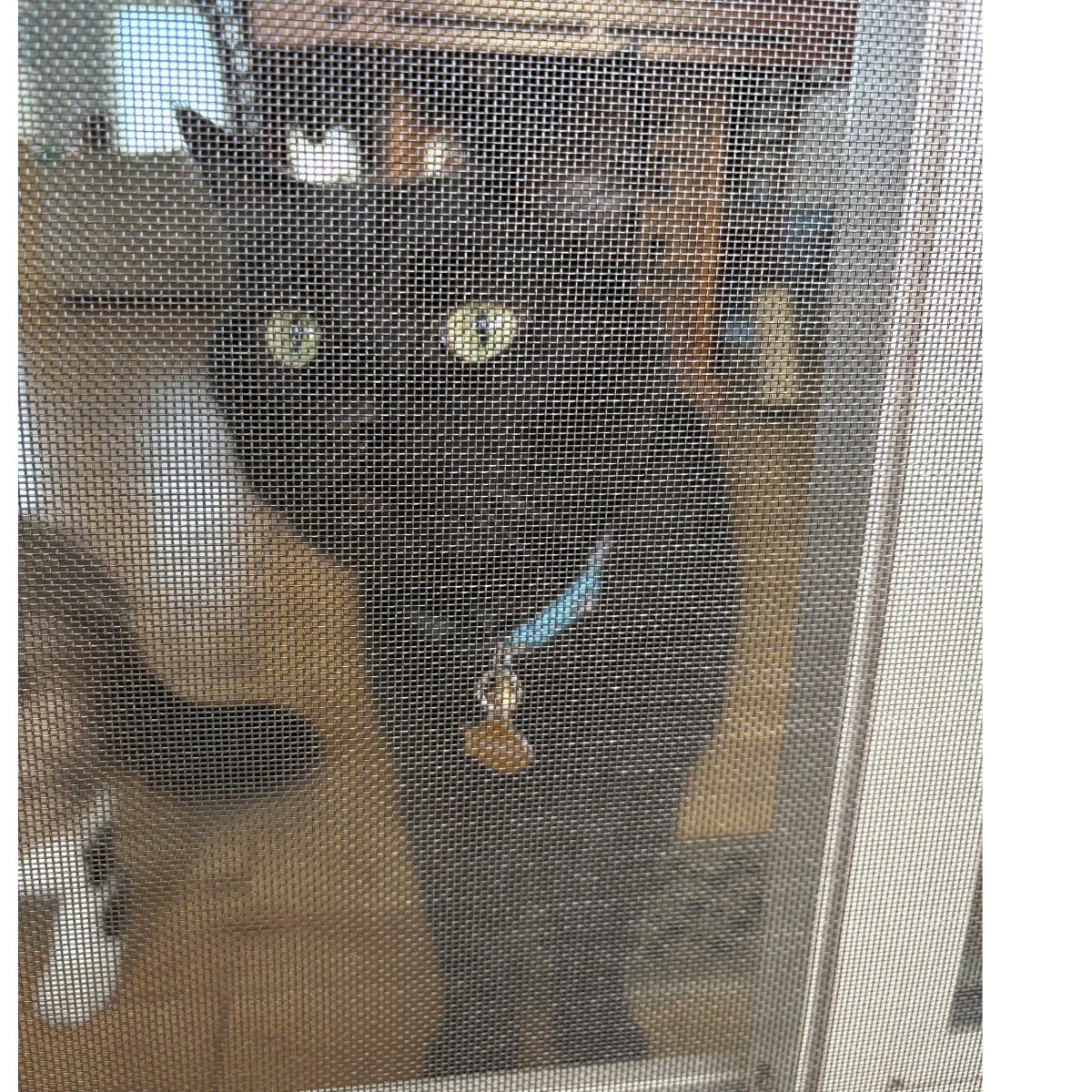
Credit: www.miragescreensystems.com
Choosing Durable Screen Materials
Choosing the right screen material is key to pet-proofing your screen door. The material must resist scratches and tears. It should also stand up to your pet’s energy and claws. Durable materials keep your door intact and your pet safe. Here are some options to consider.
Pet-resistant Screens
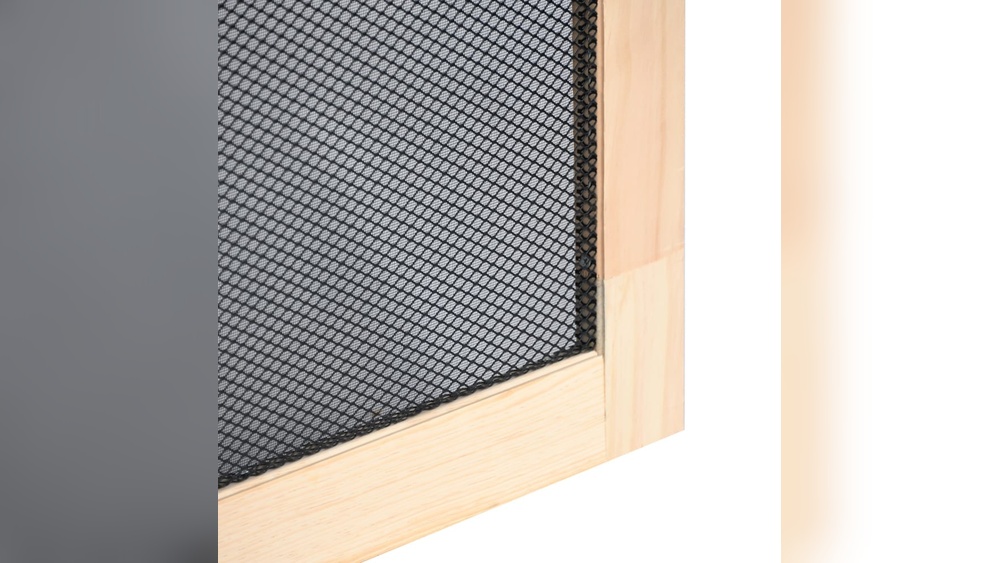
Pet-resistant screens are designed to handle rough use. They are stronger than regular screens. These screens use thicker fibers or special weaves. Pets cannot easily tear or poke holes in them. They help keep bugs out and pets in.
Metal Vs. Fiberglass
Metal screens offer great strength and durability. They resist pet claws well but may look heavy. Fiberglass screens are lighter and flexible. They can bend without breaking but may not last as long. Choose metal for high durability and fiberglass for easier handling.
Scratch-proof Options
Scratch-proof screens use tough materials to stop claw damage. Some have coated fibers or special treatments. These screens stay clear and intact longer. They reduce repair costs and keep your door attractive. Perfect for active pets who like to scratch.
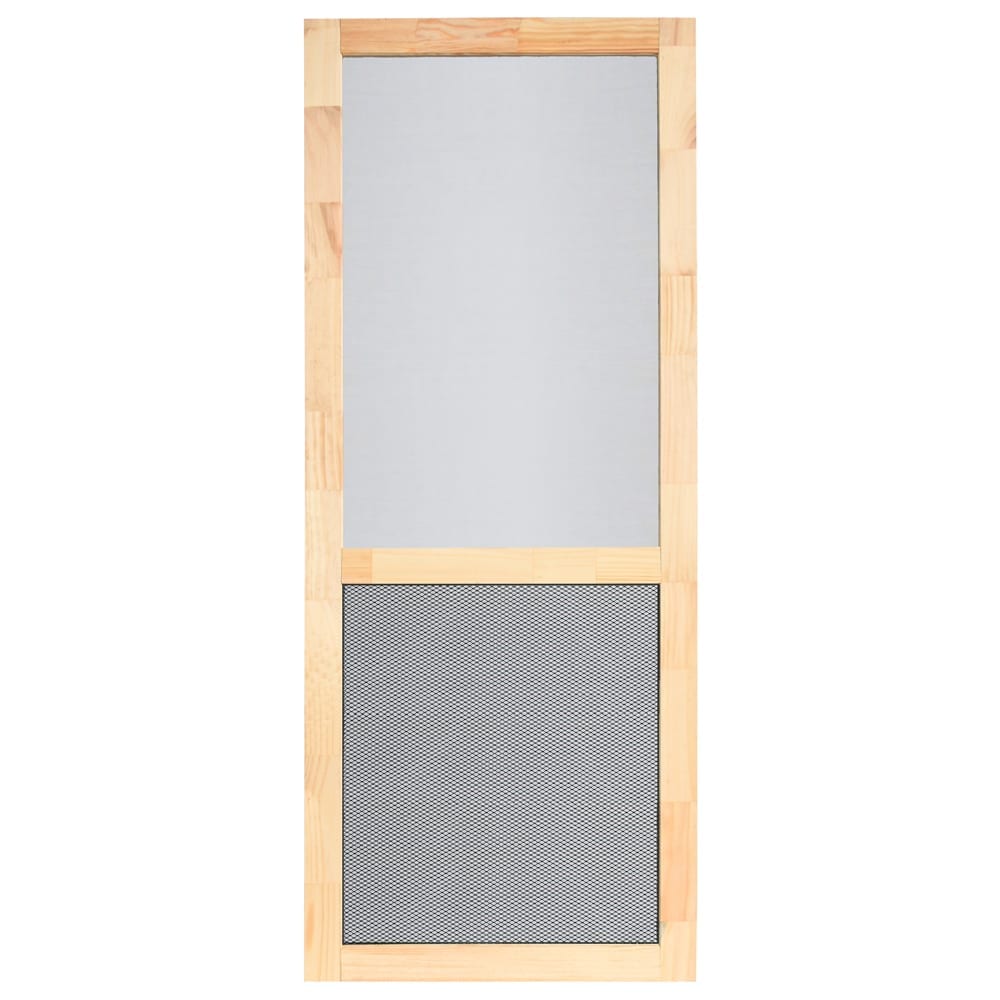
Credit: www.screentight.com
Installing Protective Barriers
Installing protective barriers on your screen door helps keep pets safe and your door intact. These barriers stop claws and teeth from damaging the screen. They also prevent pets from pushing through or scratching the door.
Screen Door Guards
Screen door guards are tough strips that cover the screen edges. They protect the screen from scratches and tears. These guards are easy to install and fit most door sizes. They keep pets from reaching the delicate screen material.
Kick Plates
Kick plates are solid panels placed at the bottom of the door. They protect the screen from pets’ kicks and scratches. Made of metal or plastic, they last long and resist damage. Kick plates also add a clean look to your screen door.
Pet Screens And Covers
Pet screens are stronger than regular screens. They stand up to sharp claws and rough play. Covers fit over the screen to add extra protection. Both options keep your screen door safe from pet damage. They offer an easy way to pet-proof your door.
Training Pets Around Doors
Training pets around screen doors helps keep them safe and your door intact. Pets often get excited near doors, causing damage or accidents. Teaching them how to behave calmly around doors reduces stress for both pets and owners. Consistent training builds good habits quickly. Use gentle methods to make learning easy and fun for your pet.
Positive Reinforcement Techniques
Reward your pet when they stay calm near the door. Use treats or praise to encourage good behavior. Give rewards immediately to link actions with positive outcomes. Practice short sessions often to build strong habits. Avoid punishment; it can create fear or confusion.
Discouraging Scratching
Pets scratch doors to get attention or out of boredom. Redirect their energy with toys or playtime. Use deterrent sprays safe for pets on the door frame. Place a scratching post nearby to satisfy their need. Consistently discourage scratching by saying “no” firmly and offering alternatives.
Safe Door Interaction
Teach your pet to wait before entering or exiting. Use commands like “stay” or “wait” at the door. Open the door slowly to avoid startling them. Make sure the screen door is secure and has no sharp edges. Supervise pets near doors to prevent accidents and damage.
Maintaining Screen Doors
Maintaining screen doors is key to keeping them safe for pets. Regular care helps avoid big repairs and keeps doors working well. A well-kept screen door lasts longer and protects your home from bugs and dirt. Simple steps can keep the screen strong and looking good.
Regular Inspections
Check your screen door often for holes and tears. Look at the frame for cracks or loose parts. Catching problems early saves money and effort. Watch your pets’ favorite spots closely. These areas may show damage first. Make inspections part of your routine.
Repairing Minor Damages
Fix small tears quickly to stop them from growing. Use a screen patch kit for easy repairs. Tighten loose screws and fix bent frames. A smooth, tight screen keeps pets safe outside. Do repairs with simple tools at home. Quick fixes keep doors strong and reliable.
Cleaning Tips
Clean the screen door regularly to remove dirt and dust. Use a soft brush or cloth for gentle cleaning. Mild soap and water work well for stubborn spots. Avoid harsh chemicals that can weaken the screen. Dry the screen completely to prevent rust. Clean doors look good and last longer.
Alternative Door Solutions
Alternative door solutions can help protect your screen door from pet damage. They offer durability and convenience. These options allow your pet to move freely without harming the door. Choosing the right solution can save you money and stress.
Pet Doors Installation
Installing a pet door lets your pet enter and exit easily. It keeps your screen door safe from scratches and tears. Pet doors come in different sizes for cats and dogs. Choose one with a secure flap to prevent bugs and drafts. Installation is quick and often does not need professional help.
Magnetic Screen Doors
Magnetic screen doors use magnets to open and close smoothly. They allow pets to pass through without using their claws. These doors close automatically, keeping insects out. Magnetic strips hold the screen tightly in place. They are easy to install and remove for cleaning.
Sliding Screen Doors
Sliding screen doors are sturdy and slide open sideways. They offer a strong barrier against pet damage. Pets can see outside without scratching the screen. These doors fit well on patios and balconies. Look for models with durable mesh to last longer.

Credit: www.arloren.com
Frequently Asked Questions
How Can I Protect My Screen Door From Pet Damage?
Use durable pet-proof screens and reinforce edges with metal or plastic guards. Train pets to avoid scratching or jumping on the door. Regularly inspect and repair any damage promptly to maintain door integrity.
What Materials Work Best For Pet-proof Screen Doors?
Pet-resistant screens made from heavy-duty vinyl or pet-resistant fiberglass are ideal. These materials resist tears and scratches better than standard mesh. Choose screens labeled specifically as pet-proof for durability.
How Do I Train Pets To Respect Screen Doors?
Teach pets to stay away using positive reinforcement. Use commands and rewards to discourage scratching or jumping. Provide alternative entertainment, like toys or scratching posts, to reduce door damage.
Are There Diy Options For Pet-proofing Screen Doors?
Yes, you can add metal guards, use pet-resistant screen inserts, or apply protective films. These methods are affordable and easy to install. DIY pet-proofing enhances durability without professional help.
Conclusion
Pet proofing your screen door keeps your home safe and your pets happy. Small changes can stop scratches and tears. Choose strong materials and secure the edges well. Check the door often to fix any damage quickly. This helps your screen door last longer and protects your pets.
A little care makes a big difference. Your pets will enjoy fresh air without harm. Keep your home safe, clean, and pet-friendly with these simple steps.