Your smoke detector is one of the most important devices in your home. It keeps you and your loved ones safe by alerting you to danger.
But what happens when the battery runs out? Knowing how to replace the battery on your smoke detector can save you from a silent risk. In this guide, you’ll learn simple steps to quickly and safely change your smoke detector’s battery.
By the end, you’ll feel confident and ready to keep your home protected. Keep reading—your safety depends on it.
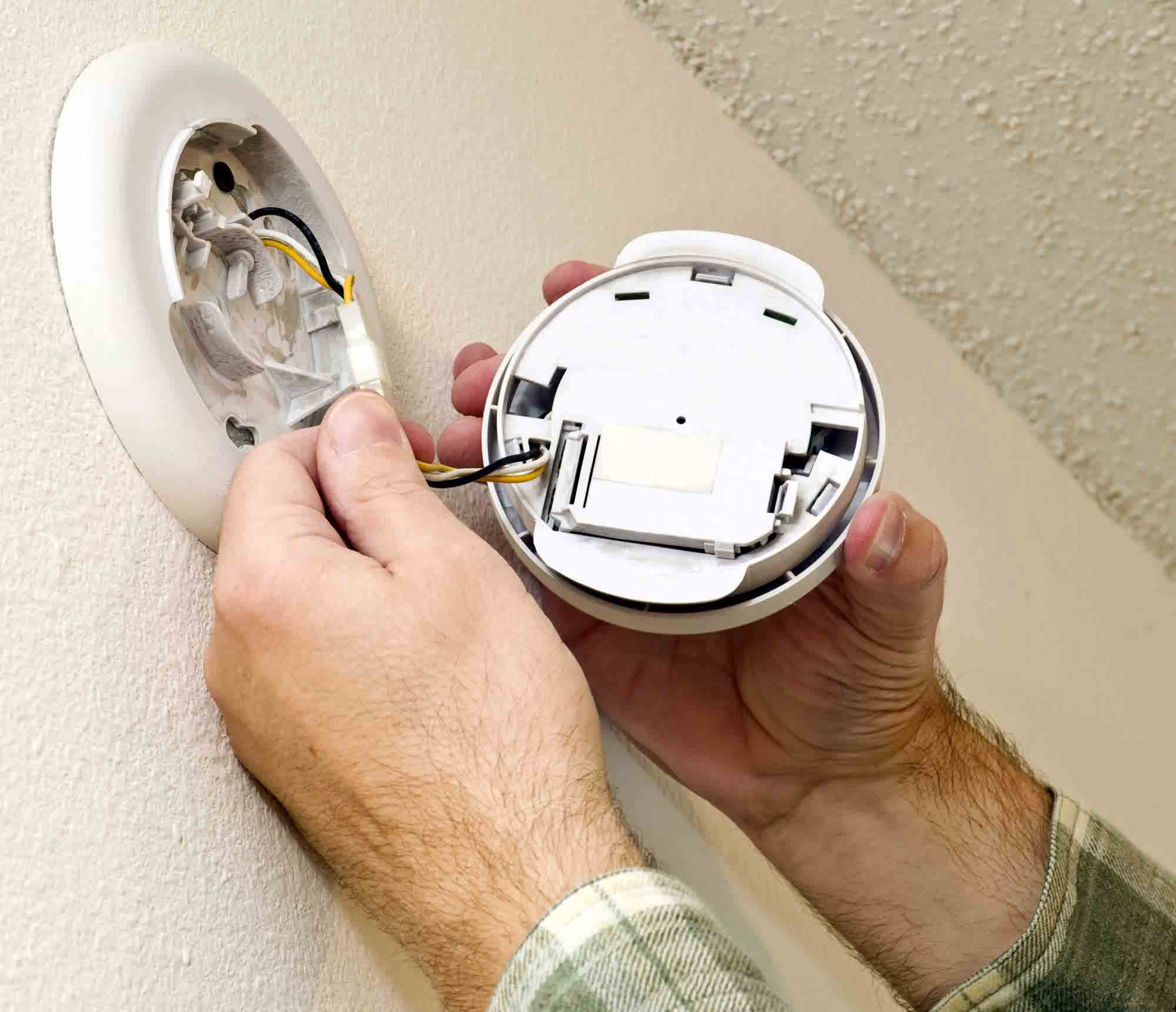
Credit: www.swflelectric.com
Tools Needed
Replacing the battery in a smoke detector is a simple task. Having the right tools makes it faster and safer. This section lists the basic tools you need to replace a smoke detector battery correctly.
Battery Type
Check your smoke detector for the correct battery type. Most use 9-volt or AA batteries. Using the wrong type can cause the detector to fail.
Step Ladder
A sturdy step ladder helps you reach the smoke detector easily. Make sure it is stable to avoid falls. Safety first.
Flathead Screwdriver
Some smoke detectors have a cover held by screws. A flathead screwdriver can help remove these screws. This tool is handy but not always necessary.
New Battery
Always have a fresh battery ready before starting. Old batteries might not power the detector well. Check the expiration date on the battery package.
Soft Cloth
Use a soft cloth to clean the smoke detector. Dust can affect its performance. Clean gently to avoid damage.

Credit: www.youtube.com
Safety Precautions
Replacing the battery in your smoke detector is a simple task. Safety precautions protect you and keep the device working. Follow these steps carefully to avoid accidents and ensure the smoke detector functions well.
Turn Off Power Supply
Before starting, turn off the power to the smoke detector. This step prevents electric shock. Find the circuit breaker and switch it off for the room with the detector.
Use A Stable Ladder
Use a sturdy ladder to reach the smoke detector. Make sure the ladder is on a flat surface. Ask someone to hold the ladder for extra support.
Handle Battery Carefully
Remove the old battery gently. Avoid touching battery terminals with your fingers. Use gloves if possible to protect your skin.
Check Battery Type
Use the correct battery type for your smoke detector. Check the user manual or look inside the detector for instructions. Using the wrong battery can cause malfunctions.
Test The Detector After Replacement
After replacing the battery, press the test button. Ensure the alarm sounds loud and clear. This confirms the detector works properly.
Locating The Smoke Detector
Finding the smoke detector in your home is the first step to replacing its battery. Smoke detectors are usually placed where they can detect smoke early. This means checking common areas like hallways, bedrooms, and living rooms.
Knowing the exact location helps you act fast and keep your home safe. Some homes have multiple smoke detectors, so look carefully. Start by scanning the ceilings and high on walls, as detectors are often installed there.
Check The Ceiling And Walls
Most smoke detectors are on the ceiling or upper walls. Walk through rooms and look up. They are round or square and usually white or beige.
Look Near Bedrooms
Smoke detectors often sit near bedrooms. This helps warn you while you sleep. Check hallways outside sleeping areas.
Inspect Hallways And Living Areas
Common places include hallways and living rooms. These areas connect parts of the house. Smoke can spread quickly here, so detectors are placed nearby.
Find Battery Compartments
Once located, see if the detector has a battery compartment. It is usually a small door or cover on the side or back. This is where you will replace the battery.
Removing The Old Battery
Start by twisting or sliding the smoke detector off its base. Gently take out the old battery and dispose of it safely.
Prepare To Remove The Old Battery
Start by turning off the smoke detector if possible. This stops it from beeping during the battery change. Use a sturdy ladder or chair to reach the detector safely. Make sure your hands are dry to avoid slipping.
Open The Smoke Detector Cover
Find the cover release mechanism. This is usually a small tab or twist-off design. Gently press or twist to open the cover. Avoid using too much force to prevent damage.
Take Out The Old Battery
Locate the battery inside the compartment. Carefully lift or slide it out. Note the battery’s orientation to match the new one correctly. Dispose of the old battery properly, following local rules.
Choosing The Right Replacement Battery
Choosing the right replacement battery is key to keeping your smoke detector working properly. A poor battery can cause false alarms or stop the alarm from working. Knowing what type of battery your smoke detector needs ensures safety and peace of mind.
Different smoke detectors use different batteries. The most common types are 9-volt batteries and AA or AAA batteries. Check your smoke detector or its manual for the exact battery type needed.
Check The Battery Type On Your Smoke Detector
Look inside the battery compartment to find the battery type. The label often shows the size and voltage. Write down this information before buying a new battery.
Choose High-quality Batteries
Select batteries from well-known brands. They last longer and perform better. Cheap batteries may leak or fail quickly.
Consider Lithium Batteries For Longer Life
Lithium batteries last much longer than alkaline ones. They can reduce the number of battery changes needed each year. They also work well in extreme temperatures.
Check The Battery Expiry Date
Always buy batteries with a fresh expiry date. Old or expired batteries lose power faster. This can cause your smoke detector to stop working unexpectedly.
Avoid Mixing Old And New Batteries
Use only new batteries in your smoke detector. Mixing old and new batteries can cause poor performance. Replace all batteries at the same time for best results.
Installing The New Battery
Installing the new battery in your smoke detector is a simple but important step. A fresh battery keeps the device working properly and protects your home. Follow each step carefully to ensure safety and proper function.
Open The Battery Compartment
Find the battery cover on your smoke detector. It usually slides or lifts open easily. Use your fingers to open it gently. Avoid using tools that may damage the cover. Keep the cover safe for later.
Remove The Old Battery
Take out the old battery carefully. Some batteries snap out, others slide out. Dispose of the old battery properly. Do not throw it in the regular trash. Old batteries can harm the environment.
Insert The New Battery Correctly
Check the battery type needed. Most smoke detectors use 9-volt batteries. Match the battery’s positive (+) and negative (-) ends to the slots. Insert the battery firmly. A loose battery can cause errors.
Close The Battery Compartment
Put the cover back on the battery compartment. Make sure it fits tightly. This keeps dust and moisture out. A secure cover helps the detector work well.
Test The Smoke Detector
Press the test button on the device. Listen for a loud beep or alarm sound. This shows the battery works and the detector is ready. If no sound, check the battery installation or try a new one.
Testing The Smoke Detector
Testing the smoke detector after changing the battery is very important. It ensures the device works correctly and keeps your home safe. A quick test confirms the alarm will sound in case of smoke or fire.
Follow these simple steps to test your smoke detector and make sure it is ready to protect your family.
Locate The Test Button
Find the test button on the smoke detector. It is usually on the front or side of the device. The button is small and may be labeled “test.”
Press And Hold The Test Button
Press the button firmly and hold it for a few seconds. The smoke detector should emit a loud, clear alarm sound. This shows the alarm and battery work well.
Listen For The Alarm Sound
Pay attention to the sound. It should be loud and steady. A weak or no sound means the battery may not be installed correctly or is dead.
Check The Detector’s Light Indicator
Look for a flashing light on the smoke detector. A green or red light usually blinks when the device is working properly. No light may indicate a problem.
Repeat Testing Regularly
Test your smoke detector at least once a month. Regular tests keep the device in good shape and ensure your safety. Replace batteries yearly or as needed.
Tips For Battery Maintenance
Proper battery maintenance keeps your smoke detector working well. It helps avoid false alarms and ensures safety. A well-maintained battery lasts longer and gives you peace of mind. Follow these simple tips to care for your smoke detector battery.
Check Batteries Regularly
Test your smoke detector every month. Press the test button and listen for the beep. Replace batteries if the sound is weak or missing. Do not wait for the low battery warning beep.
Use The Right Battery Type
Use batteries recommended by the smoke detector maker. Usually, 9-volt or AA alkaline batteries work best. Avoid cheap or old batteries. They may fail early and cause problems.
Replace Batteries Annually
Change batteries at least once a year, even if they seem fine. Mark a date on your calendar or set a reminder. Consistent replacement keeps the detector ready to protect you.
Keep Battery Contacts Clean
Dust or dirt can block power flow to the detector. Wipe battery contacts gently with a dry cloth before inserting new batteries. Clean contacts help the battery work better and last longer.
Store Spare Batteries Properly
Keep extra batteries in a cool, dry place. Avoid extreme heat or moisture, which can damage batteries. Store batteries in their original packaging until you need them.
When To Replace The Smoke Detector
Smoke detectors do not last forever. They lose their ability to detect smoke over time. Knowing when to replace them keeps your home safe.
Most smoke detectors have a lifespan of about 10 years. After this period, their sensors become less reliable. Replacing old detectors ensures they work well during emergencies.
Check The Manufacture Date
Look at the back of your smoke detector for the manufacture date. This date tells you how old the device is. Replace the detector if it is 10 years or older.
Frequent False Alarms
Frequent false alarms can mean the detector is failing. Dust or sensor issues cause false alarms, but older detectors are more prone. Consider replacement if false alarms happen often.
Failure To Sound During Testing
Test your smoke detector monthly. Press the test button to check the sound. If it does not beep loudly, replace the unit immediately.
Physical Damage Or Wear
Cracks, corrosion, or missing parts weaken the smoke detector. Damage reduces its effectiveness. Replace any detector that shows physical wear or damage.

Credit: annarborwithkids.com
Frequently Asked Questions
How Often Should I Replace Smoke Detector Batteries?
You should replace smoke detector batteries at least once a year. Changing batteries annually ensures reliable alarm performance. Some models beep when batteries are low. Regular replacement helps prevent false alarms and keeps your home safe.
What Type Of Battery Does A Smoke Detector Use?
Most smoke detectors use 9-volt or AA alkaline batteries. Check your device’s manual or battery compartment for the exact type. Using the correct battery ensures proper functioning and prevents damage to the smoke detector.
How Do I Safely Replace A Smoke Detector Battery?
Turn off the alarm before opening it. Remove the old battery carefully. Insert the new battery with the correct polarity. Test the alarm by pressing the test button. Proper replacement ensures your detector works when needed.
Can I Use Rechargeable Batteries In Smoke Detectors?
Rechargeable batteries are generally not recommended for smoke detectors. They may provide inconsistent power and reduce alarm reliability. Use standard alkaline batteries for optimal performance and safety.
Conclusion
Replacing a smoke detector battery is quick and simple. Check your detector regularly to keep it working well. Always use the right battery type for safety. Test your smoke detector after changing the battery. A working smoke detector can save lives.
Stay safe by keeping your home protected. Don’t forget to replace batteries at least once a year. Small steps make a big difference in fire safety.