
Are you tired of constantly opening the door for your furry friend? A pet door can give your pet the freedom to come and go as they please, making life easier for both of you.
But with so many options out there, how do you choose the right one? This guide will help you find the perfect pet door that fits your home, your pet’s needs, and your lifestyle. Keep reading to discover the simple steps that will save you time, protect your home, and keep your pet happy.
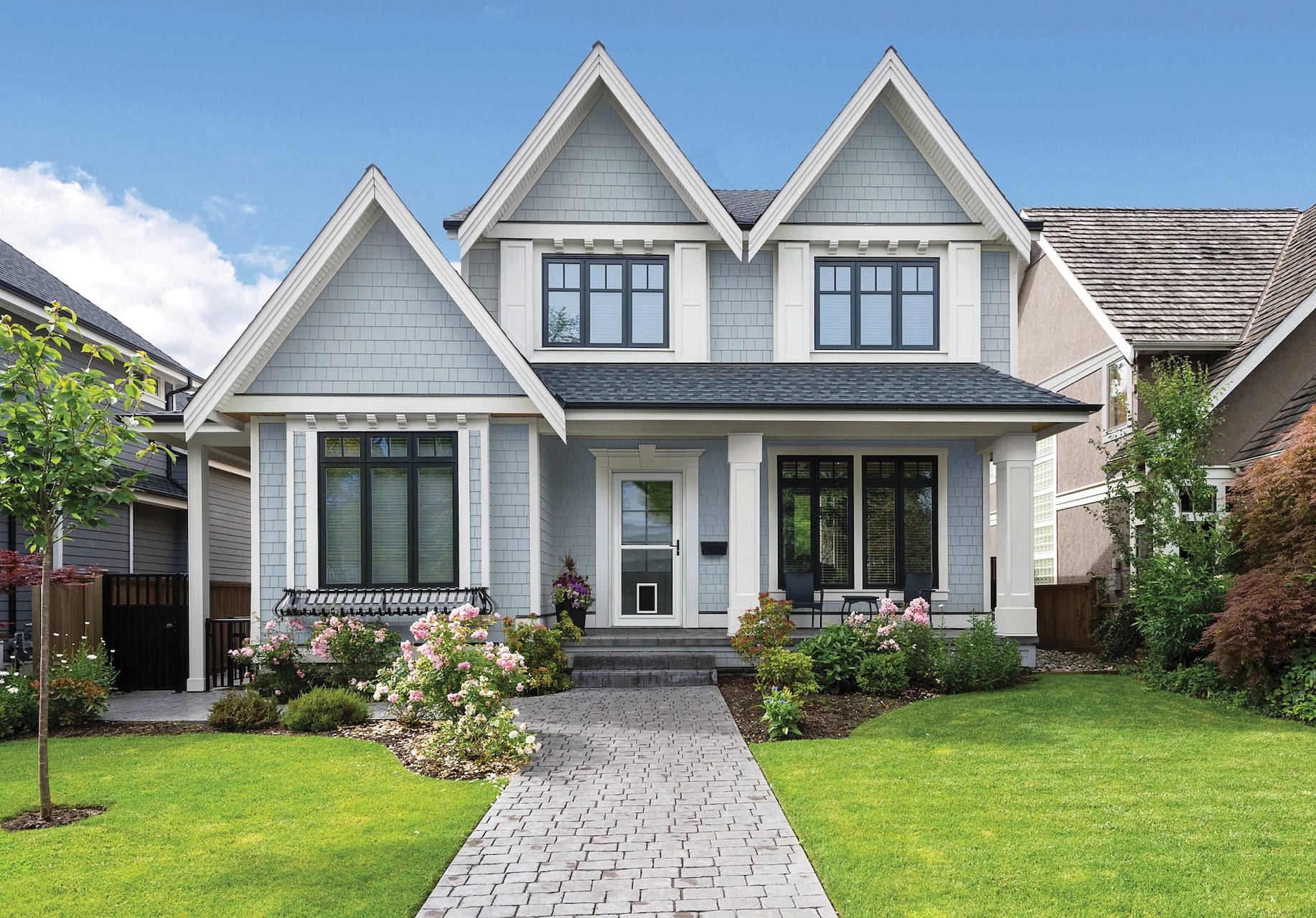
Credit: larsondoors.com
Types Of Pet Doors
Choosing the right pet door depends on understanding the types available. Each type suits different homes and pets. Knowing these options helps pick the best fit for your pet’s safety and comfort.
Flap Doors
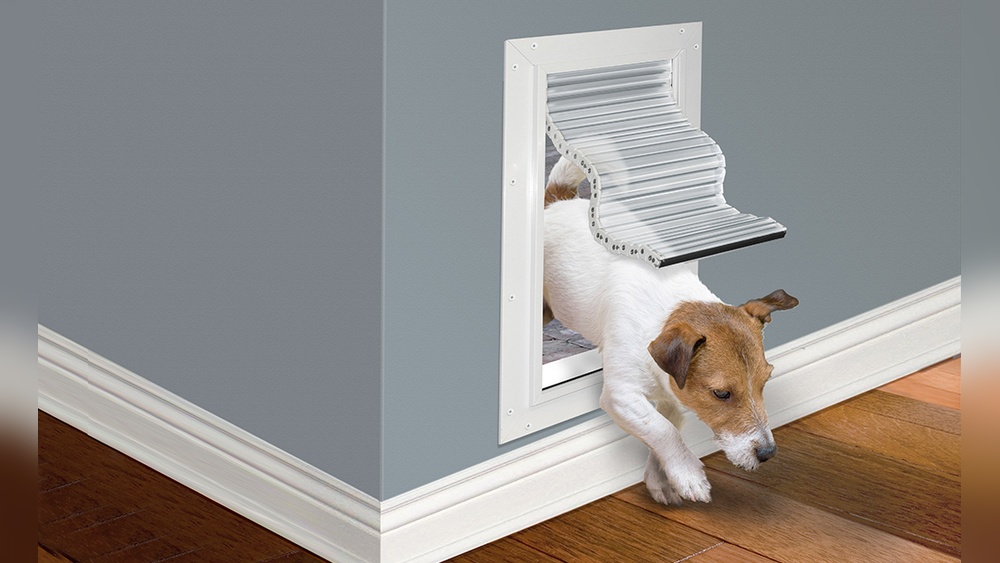
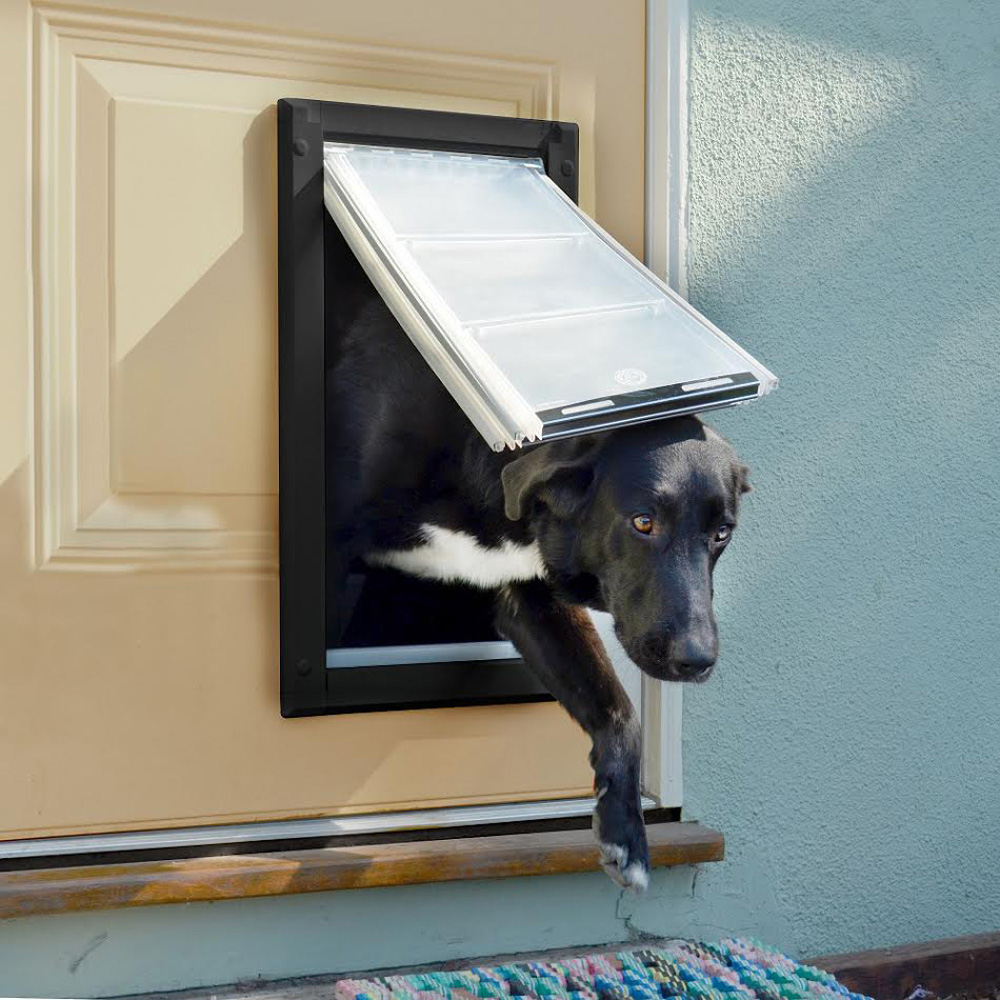
Flap doors are the most common type. They have a flexible flap that swings open when your pet pushes it. These doors are easy to install on walls or doors. They work well for small to medium pets. Flap doors keep most weather and bugs outside.
Electronic Doors
Electronic doors open only when your pet approaches. They use a collar sensor or microchip reader. This stops other animals from entering your home. These doors offer more security and control. They are perfect for pets that roam outside often.
Sliding Glass Doors
Sliding glass pet doors fit into your existing sliding door track. They allow pets to go outside without changing your door. Installation is simple for glass doors that slide. These doors provide a clear view and easy access for pets.
Wall And Door Mounted Options
Wall-mounted doors require cutting through an exterior wall. They create a direct path outside. Door-mounted doors attach to existing doors without major changes. Both options suit different home layouts. Choose based on your home’s design and pet’s habits.
Measuring Your Pet
Measuring your pet is the first step in choosing the right pet door. The door must fit your pet comfortably. A door too small will block your pet. A door too large lets in cold air and bugs. Take simple measurements to find the perfect size.
Height And Width Considerations
Measure your pet’s height from the ground to the top of the shoulders. This helps set the door height. Measure the width of your pet’s body at the widest point. Usually, this is across the chest or hips. Add a few inches to both height and width. This space lets your pet pass through easily without squeezing.
Weight And Breed Factors
Weight shows the size and strength of your pet. Heavier pets might need a sturdier door. Some breeds have broad shoulders or long bodies. Think about your pet’s shape, not just weight. Small breeds need smaller doors, but some may be tall. Check breed traits to match the door size well.
Material Choices
Choosing the right material for a pet door is important. It affects how long the door lasts and how well it works. The material also changes how the door looks and feels. Picking the best material helps keep your pet safe and comfortable. It also protects your home from weather and wear.
Plastic Vs. Metal Frames
Plastic frames are light and easy to install. They usually cost less than metal frames. Plastic can come in many colors and styles. But plastic may crack or break over time. It works well for small pets and indoor doors.
Metal frames are strong and last longer. They can handle rough use and heavy pets. Metal resists damage from chewing and scratching. Steel and aluminum are popular metal choices. Metal frames often look more stylish and sturdy.
Durability And Weather Resistance
Durability means the door will keep working for years. Metal doors often resist damage better than plastic. They do well in homes with active pets. Weather resistance stops rain, wind, and cold from entering. Plastic doors can crack in cold weather. Metal doors usually handle heat and cold without problems.
Look for doors with weather seals. Seals block drafts and keep your home warm. Choose materials that match your climate. Strong materials protect your home and pet better.

Credit: www.petsbest.com
Security Features
Security features are important when choosing a pet door. They keep your home safe while letting your pet go outside freely. A secure pet door stops unwanted animals and intruders from entering your home. It also protects your pet from hazards outside. Understanding the security options helps you pick the best door for your needs.
Locking Mechanisms
Locking mechanisms add control to your pet door. They let you lock the door when your pet does not need to go out. Simple locks can be manual switches or sliders. Some doors have automatic locks that work on a schedule. Locks prevent animals or people from entering when you want privacy.
Microchip And Rfid Access
Microchip and RFID access allow only your pet to use the door. Your pet wears a collar tag or has a microchip. The door reads this tag and opens only for your pet. This stops stray animals and other pets from entering your home. It keeps your pet safe and your home secure.
Preventing Unwanted Entry
Preventing unwanted entry is key for a safe home. Look for pet doors with strong frames and secure seals. Some doors have alarms that sound if someone tries to force entry. Choose doors with small flaps or tunnels that block large animals. These features help keep your home secure and your pet safe.
Installation Tips
Installing a pet door needs some planning and care. A good installation makes the door work better and last longer. This section covers key tips to help you install your pet door properly. It looks at door versus wall installation, the tools you need, and choosing between professional help or doing it yourself.
Door Vs. Wall Installation
Choosing between door and wall installation depends on your home and pet. Door installation is usually easier and faster. It fits well in most doors and does not require heavy work.
Wall installation lets your pet go outside without opening a door. It needs cutting through the wall, which may need more skill. This option works well if you want a direct exit to the yard.
Consider your home’s structure and your pet’s size. Each method has different space and skill needs. Pick the one that fits your lifestyle and home best.
Tools And Preparation
Gather the right tools before starting installation. You will need a drill, screwdriver, measuring tape, and possibly a saw. Read the pet door instructions carefully to know all required tools.
Mark the exact spot for the pet door. Use a pencil and measuring tape to ensure accuracy. Double-check measurements to avoid mistakes.
Clear the work area and protect floors or walls. Wear safety glasses and gloves for protection. Preparing well saves time and prevents damage.
Professional Vs. Diy
Decide if you want to install the pet door yourself or hire a professional. DIY saves money but needs time and basic skills. Follow instructions step-by-step for the best results.
Hiring a professional guarantees a neat and secure fit. Professionals handle tricky parts like cutting walls and sealing edges. This option suits those unsure about tools or safety.
Think about your skills, tools, and comfort level. Pick the option that makes the process smooth and safe for your home and pet.
Energy Efficiency
Choosing a pet door that saves energy helps keep your home comfortable. A good pet door stops cold air in winter and heat in summer. This lowers energy bills and keeps your space cozy. Focus on features that improve insulation and block drafts.
Insulation Options
Look for pet doors with built-in insulation. Double-flap doors create an air pocket to reduce heat loss. Some doors have foam or weather-resistant materials inside. These options stop cold or hot air from passing through. Proper insulation makes a big difference in energy savings.
Weather Seals
Weather seals help block drafts around the pet door edges. Check for strong rubber or vinyl seals on the door flaps. These seals close tightly after your pet passes through. A well-sealed door stops wind and moisture from entering. Good weather seals keep your home warmer and dryer.
Cost And Budget
Choosing the right pet door involves thinking about cost and budget. Pet doors come in many price points. Knowing what fits your budget helps narrow your choices. Remember, the cheapest option is not always the best. You want a good balance between price and quality. Spending wisely can save money in the long run.
Price Ranges
Pet doors can range from very cheap to quite expensive. Basic models start around $20 to $50. These usually have simple designs and manual flaps. Mid-range doors cost between $50 and $150. They often include features like weatherproofing or magnetic flaps. High-end pet doors can cost $150 or more. These may have electronic locks or automatic sensors. Choose a price that matches your needs and pet size.
Value Vs. Features
Think about what features add real value for you. A basic door might be fine for a small dog or cat. Extra features like energy efficiency or security might matter more in some homes. Electronic doors offer control but cost more. Weatherproof models help save energy. Consider your pet’s habits and your home’s needs. Pay for features that improve convenience and safety.
Credit: www.homedepot.com
Maintaining Your Pet Door
Maintaining your pet door helps keep it working well for years. Clean and check it often. This stops dirt and damage. A well-kept door makes your pet happy and safe.
Cleaning And Upkeep
Wipe the door frame with a damp cloth. Remove dirt and dust. Clean the flap gently with mild soap and water. Avoid harsh chemicals that can damage the material. Check the seals around the door. Replace them if they look worn or cracked. Lubricate moving parts with a pet-safe oil to keep them smooth.
Troubleshooting Common Issues
If the door sticks or is hard to open, check for dirt or damage. Clean the flap and frame carefully. Make sure the locking mechanism works well. Tighten loose screws or bolts. Replace broken parts quickly to prevent bigger problems. Test the door regularly to catch issues early.
Frequently Asked Questions
What Size Pet Door Should I Choose For My Pet?
Choose a pet door that fits your pet’s height and width comfortably. Measure your pet from shoulder to floor and width at the widest point. Ensure the door allows easy entry and exit without forcing your pet to crouch or squeeze.
Are Electronic Pet Doors Worth The Investment?
Electronic pet doors provide controlled access using sensors or collars. They prevent unwanted animals from entering your home. While pricier, they offer enhanced security and convenience, making them a smart choice for pet owners concerned about safety.
How Do I Install A Pet Door In A Wall?
Installing a pet door in a wall requires measuring, cutting a hole, and securing the door frame. Follow manufacturer instructions carefully. Consider hiring a professional if you’re uncomfortable with tools or wall modifications to ensure a proper fit and insulation.
Can Pet Doors Help With Indoor Pet Accidents?
Yes, pet doors encourage pets to go outside for bathroom breaks. This reduces indoor accidents by providing easy outdoor access. Regular training and consistent use of the pet door improve your pet’s bathroom habits effectively.
Conclusion
Choosing the right pet door takes some thought and care. Think about your pet’s size and habits first. Consider where you want to place the door and how secure it should be. Look for a door that fits your budget but lasts long.
Easy installation saves time and effort. A good pet door makes life easier for both you and your pet. Take your time to pick one that suits your home well. Your pet will thank you with happier, freer playtime. Simple steps lead to smart choices.