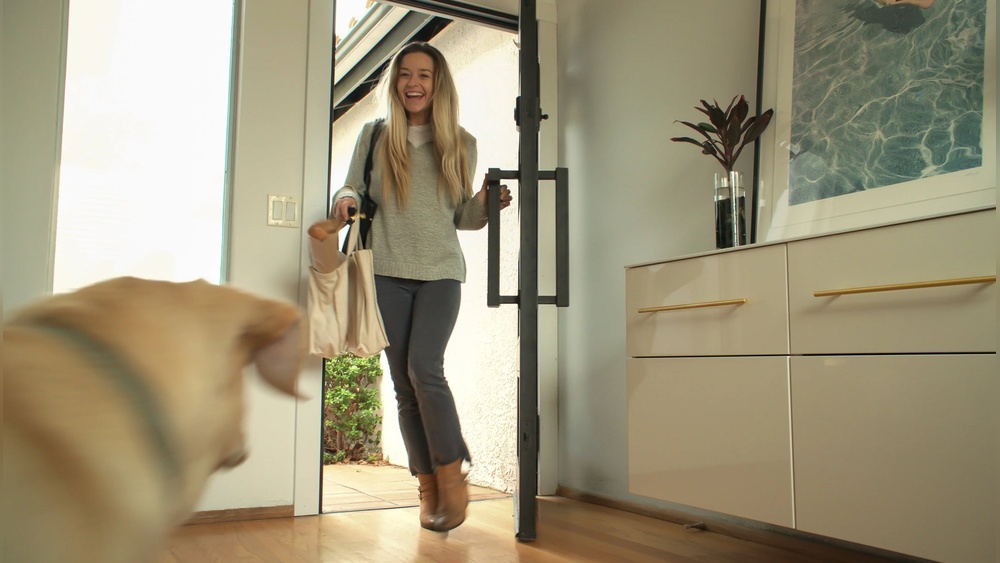

Are you tired of your pet struggling to use the door you installed? Improving your pet door can make a huge difference in your pet’s comfort and safety.
Whether your furry friend is too small, too big, or just unsure how to use it, there are simple changes you can make right now. By enhancing your pet door, you’ll give your pet more freedom and peace of mind, while also keeping your home secure.
Keep reading to discover easy tips that will transform your pet door experience for both you and your pet.

Credit: www.youtube.com
Choosing The Right Pet Door
Choosing the right pet door is important for your pet’s comfort and safety. A good pet door fits your pet well and suits your home. Consider the material, size, and security before buying. These factors help your pet move freely and keep your home safe.
Material Options
Pet doors come in different materials. Plastic doors are light and affordable. Metal doors are strong and last longer. Some doors have flexible flaps, while others use rigid panels. Pick a material that fits your pet’s needs and your home style.
Size Considerations
Measure your pet before choosing a door. The door should be wide and tall enough for easy passage. Too small, and your pet will struggle. Too big, and your home loses energy. Choose a size that matches your pet’s height and width.
Security Features
Security matters to keep unwanted animals out. Some pet doors have locking covers or electronic sensors. These allow only your pet to enter. Choose a pet door with good security if you worry about safety or wild animals.
Installing The Pet Door
Installing a pet door improves your pet’s freedom and your home’s convenience. A well-installed pet door lets your pet move easily in and out. It also keeps your home secure and energy-efficient. Follow clear steps to install the door safely and correctly.
Ideal Placement
Choose a spot your pet visits often. A door near their sleeping area or feeding spot works best. Avoid places with heavy foot traffic. Make sure the door height matches your pet’s size. Clear space on both sides for easy access.
Tools Needed
- Measuring tape
- Pencil or marker
- Drill with drill bits
- Jigsaw or handsaw
- Screwdriver
- Level
- Caulk and caulking gun
- Safety goggles and gloves
Step-by-step Guide
Measure your pet’s height and width first. Mark the door or wall where the pet door will go. Use a level to ensure the markings are straight. Drill pilot holes at the corners of the marked area. Cut along the lines with a jigsaw. Smooth rough edges for safety. Insert the pet door frame into the cutout. Secure it with screws using a screwdriver. Seal edges with caulk to prevent drafts. Test the door flap to ensure smooth movement.
Enhancing Door Functionality
Enhancing your pet door’s functionality makes it easier and safer for your pet to use. Small improvements can help keep your home comfortable and secure. Focus on making the door more weatherproof, insulated, and secure. These steps protect your home from cold, heat, and unwanted entry.
Weatherproofing Tips
Seal gaps around the pet door frame with weatherstripping. This stops cold air, rain, and wind from entering. Use a durable, waterproof sealant on the edges. Check the flap for cracks or tears and replace if needed. A properly sealed door keeps your home dry and warm.
Adding Insulation
Attach insulating foam around the pet door frame. This reduces heat loss during winter. Use a flap with double layers to block cold air better. Insulation helps maintain your home’s temperature and lowers energy bills. Keep the flap light so your pet can open it easily.
Using Electronic Locks
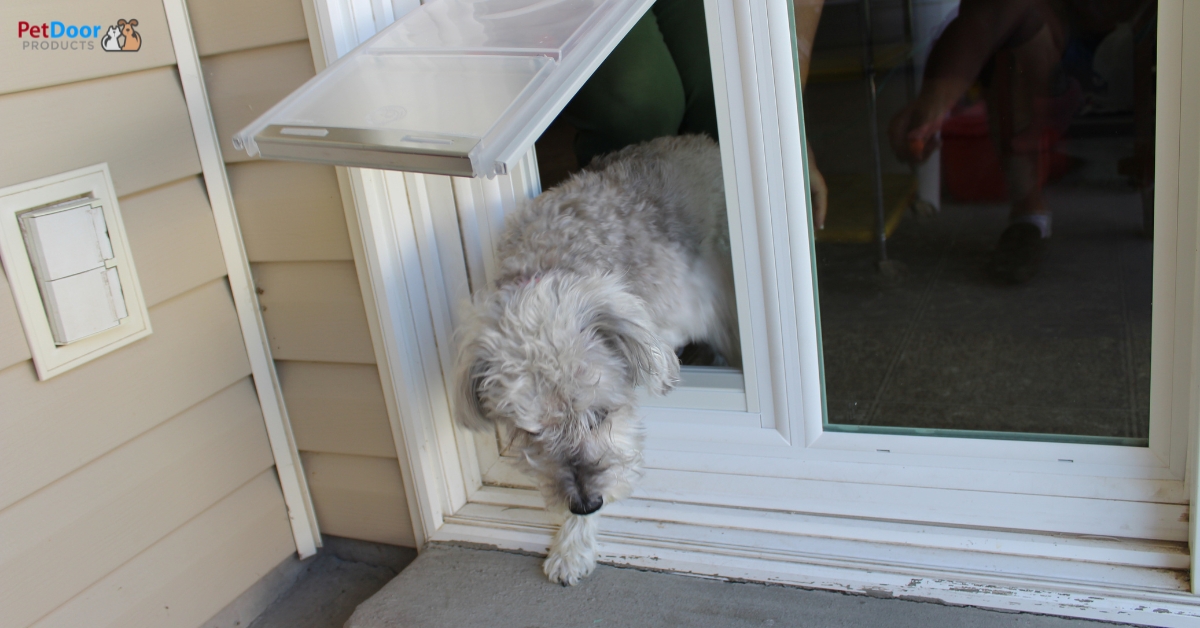
Install an electronic lock to control pet door access. These locks open only when your pet approaches, using a collar sensor. This prevents stray animals from entering your home. Electronic locks add security without making it hard for your pet to go in and out.
Credit: petdoorproducts.com
Training Your Pet
Training your pet to use a pet door takes patience and clear steps. Pets need to understand what the door is for and how it works. With the right approach, your pet will learn to use the door safely and confidently. Start slow and keep training sessions short and fun. Consistency helps your pet get comfortable with the door.
Introducing The Door
Show the pet door to your pet without forcing them. Let them sniff and explore it at their own pace. Use treats near the door to create positive feelings. Open and close the flap gently to get your pet used to the movement. Repeat this for several days before asking your pet to go through.
Positive Reinforcement
Reward your pet every time they use the door correctly. Use treats, praise, or petting to encourage good behavior. Keep rewards immediate to help your pet connect actions with praise. Avoid scolding if your pet is slow to learn. Patience and kindness work best in training pets.
Troubleshooting Common Issues
Some pets may fear the flap or hesitate at first. Try propping the flap open to remove fear. Gradually lower the flap as your pet gains confidence. If your pet ignores the door, increase the value of rewards. Watch your pet closely and adjust training to their pace.
Maintaining The Pet Door
Maintaining your pet door keeps it working well for years. It helps your pet go in and out without trouble. Regular care stops small problems from becoming big ones.
Regular Cleaning
Clean the pet door often to remove dirt and dust. Use a soft cloth and mild soap. Avoid harsh chemicals that can damage the door. Clean both sides for smooth opening and closing. Dirt buildup can block the door or hurt your pet.
Checking For Wear And Tear
Look closely at the door for cracks or loose parts. Check hinges and seals to make sure they fit well. Fix small issues early to avoid bigger repairs. Worn parts can make the door noisy or hard to use. Replace any damaged pieces quickly.
Seasonal Adjustments
Change the door’s settings for each season. In winter, add weather stripping to keep cold air out. In summer, check that the door stays cool and opens easily. Adjust locks or flaps to match weather changes. Seasonal care protects your home and your pet.
Upgrading For Advanced Convenience
Upgrading your pet door can make life easier for both you and your pet. New technology offers more control and comfort. These improvements help keep your home safe and your pet happy. Smart designs fit well with modern homes and busy lifestyles.
Smart Pet Doors
Smart pet doors open only for your pet. They use sensors or microchips on collars. This stops other animals from entering your home. You can track when your pet goes in or out. Some models send alerts to your phone. This adds a layer of security and peace of mind.
Integration With Home Automation
Pet doors now connect with home automation systems. You can control the door with your smartphone or voice commands. Set schedules for when the door should lock or unlock. This helps manage your pet’s outdoor time easily. Automation also links pet doors with security cameras and alarms.
Custom Features
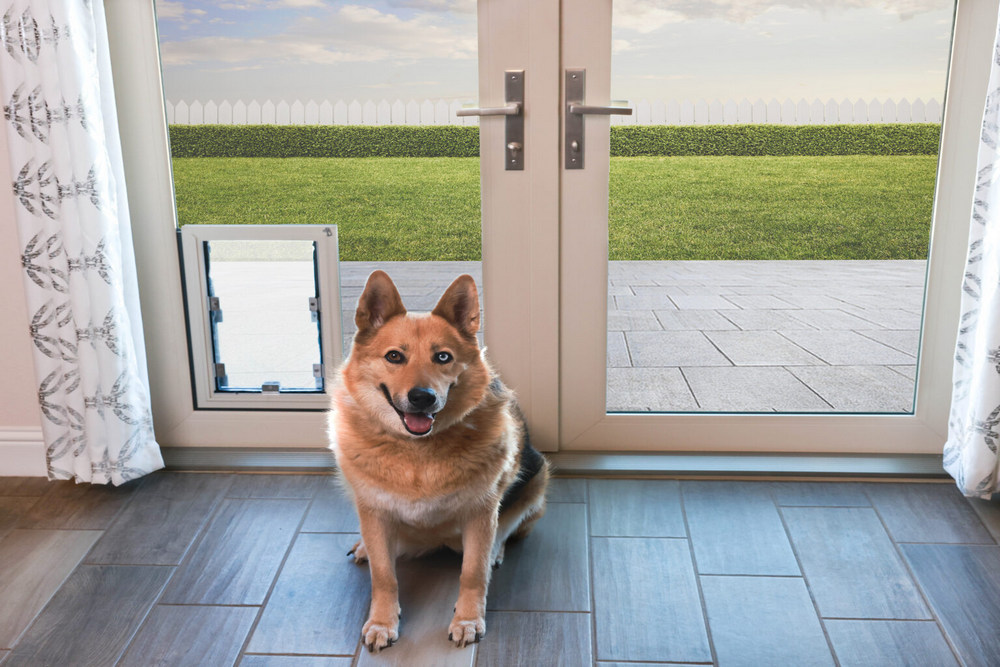
Custom pet doors come in many sizes and styles. You can add weatherproofing to keep out drafts. Some have built-in sensors that adjust lighting for night use. Others offer multiple locking modes for different needs. Customization ensures the door fits your pet and home perfectly.
Credit: americanwindowconcepts.com
Frequently Asked Questions
How Can I Make My Pet Door More Secure?
Install a locking mechanism or electronic sensor to control pet access. Reinforce the door frame and use durable materials to prevent break-ins.
What Materials Improve Pet Door Durability?
Use high-quality, weather-resistant materials like reinforced plastic or metal. These materials withstand wear, tear, and outdoor elements effectively.
How Do I Prevent Energy Loss With A Pet Door?
Choose insulated pet doors with weather seals. Proper sealing reduces drafts and maintains your home’s temperature efficiently.
Can I Train My Pet To Use The Door Better?
Yes, use positive reinforcement and treats to encourage your pet. Gradually increase their independence with the door for smooth usage.
Conclusion
Improving your pet door makes life easier for both you and your pet. Small changes can boost safety and comfort quickly. Choose the right size and strong materials. Keep the door clean and check it often. Add features like weather seals or locks if needed.
Your pet will enjoy freedom, and you will enjoy peace of mind. Simple steps lead to better results. Try these tips and see the difference today.