
Is your smoke detector constantly chirping, driving you crazy? That annoying beep can interrupt your peace and make it hard to focus or sleep.
But don’t worry—you’re not alone, and fixing it is easier than you think. You’ll discover simple, effective steps to stop your smoke detector from chirping for good. Keep reading, and you’ll have quiet, reliable safety in no time.

Credit: waynealarm.com
Why Smoke Detectors Chirp
Smoke detectors chirp to alert you about issues that need attention. These sounds are warnings, not random noises. Understanding why your smoke detector chirps helps you fix it quickly. It keeps your home safe and avoids annoying beeps.
Low Battery Signals
Most chirping noises mean the battery is low. Smoke detectors need power to work well. When batteries run out, the alarm chirps to warn you. Changing the battery stops the noise and keeps safety active.
Dust And Dirt Issues
Dust and dirt can cause false chirps. Smoke detectors are sensitive devices. Dust blocks sensors and makes the alarm think there is smoke. Cleaning the detector often stops the chirping sound.
End Of Life Alerts
Smoke detectors do not last forever. They usually work for 8 to 10 years. After that, the alarm chirps to say it needs replacement. Installing a new detector ensures your home stays protected.
Electrical Problems
Hardwired smoke detectors can chirp from electrical faults. Loose wires or power issues cause warning sounds. Check connections or call an electrician to fix the problem. This stops the chirp and keeps the system safe.
Quick Battery Replacement Tips
Smoke detectors often chirp to signal low battery power. Replacing the battery quickly stops the noise. Follow simple steps for a smooth battery change. This helps keep your home safe and quiet.
Choosing The Right Battery
Select the battery type your smoke detector needs. Most use 9-volt or AA batteries. Check the old battery or the device label. Use fresh, high-quality batteries for best results. Avoid mixing old and new batteries together.
Safe Removal And Installation
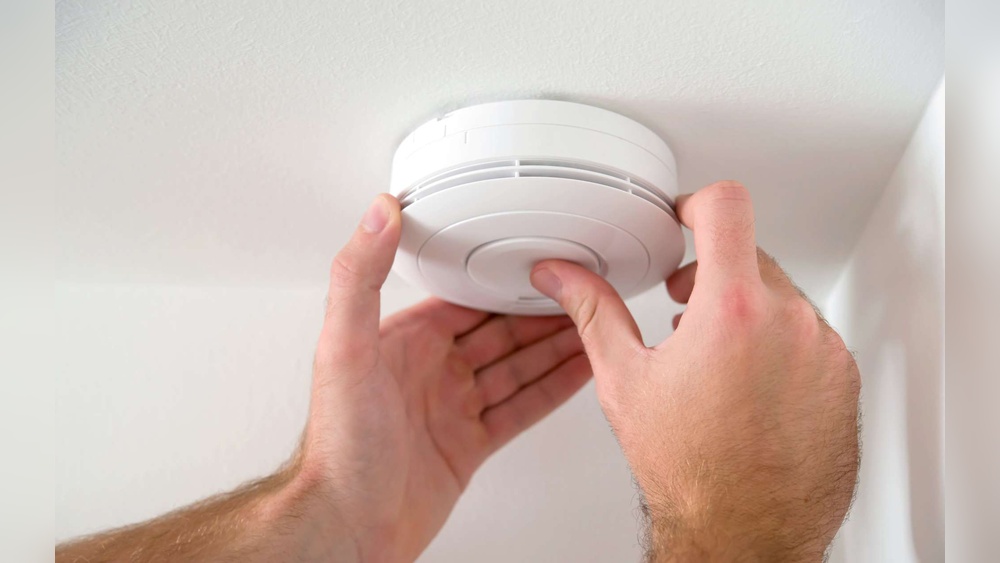
Turn off the power if your detector is hardwired. Remove the detector from its mounting bracket carefully. Take out the old battery and dispose of it properly. Insert the new battery, matching the positive and negative ends. Place the detector back on the bracket securely.
Resetting After Battery Change
Press the test button to check the new battery. Hold it for 15 to 20 seconds until the chirping stops. Some models reset automatically after battery replacement. If chirping continues, check the battery position or try another new battery.
Cleaning And Maintenance Steps
Cleaning and maintaining your smoke detector helps stop the annoying chirping sound. Dust and dirt can block sensors and cause false alerts. Regular care keeps your smoke detector working well and safe.
Removing Dust Buildup
Turn off the power to the smoke detector before cleaning. Use a soft brush or cloth to gently remove dust from the detector’s surface. Avoid using water or cleaners that can damage the device. Check vents and openings for dust and clear them carefully.
Using Compressed Air
Compressed air can blow away dust deep inside the smoke detector. Hold the can upright and spray short bursts near vents. Keep the can at least six inches away to avoid damage. This method reaches areas that brushes cannot clean.
Regular Maintenance Schedule
Set a monthly reminder to clean your smoke detector. Replace batteries every six months or as needed. Test the alarm after cleaning to ensure it works. Keep a log of maintenance to track your efforts and stay safe.

Credit: www.youtube.com
Dealing With False Alarms
False alarms from a smoke detector can be very annoying. They cause the device to chirp even when there is no danger. Understanding why false alarms happen helps stop the chirping. Some simple checks and fixes can solve the problem fast.
Checking For Environmental Factors
Smoke detectors can react to dust, steam, or insects nearby. Dust inside the detector may cause it to chirp. Clean the detector gently with a soft brush or vacuum. Steam from kitchens or bathrooms can also trigger alarms. Avoid placing detectors near these areas. Bugs crawling inside the unit can set off false alarms. Use a can of compressed air to clear the sensor.
Relocating The Detector
Sometimes the detector’s location causes false chirping. Placing it too close to cooking appliances or heating vents is common. Move the detector to a nearby wall or ceiling spot away from smoke or heat sources. Ensure it still covers the area well for safety. Proper placement reduces false alarms and keeps your home safe.
Updating Or Replacing The Unit
Old smoke detectors may start chirping due to age. Battery-powered units often beep when batteries are low or old. Replace batteries with fresh ones regularly. Some detectors have a limited lifespan and need full replacement. Check the manufacturer’s instructions for recommended updates. A newer model may offer better reliability and fewer false alarms.
When To Replace Your Smoke Detector
Knowing when to replace your smoke detector is vital for home safety. A smoke detector that keeps chirping might mean it needs replacement. Old detectors may not work well during emergencies. Regular checks help ensure your detector stays effective. Understanding the signs of wear and manufacturer advice guides timely replacement.
Signs Of Wear And Tear
Look for physical damage like cracks or discoloration. Dust buildup can block sensors and cause false alarms. Frequent chirping despite battery changes indicates internal problems. Test the alarm regularly to check its sound strength. A detector that fails to sound during tests needs replacement.
Manufacturer’s Lifespan Guidelines
Most smoke detectors last about 8 to 10 years. Check the manufacturing date on the back of your device. Follow the manufacturer’s instructions for replacement timing. Older models may not meet current safety standards. Replacing on time ensures maximum protection for your home.
Disposal And Recycling Tips
Dispose of old detectors properly to protect the environment. Many detectors contain small amounts of radioactive material. Take them to designated recycling centers or hazardous waste sites. Do not throw smoke detectors in regular trash bins. Contact local waste management for specific disposal rules.
Additional Safety Tips
Keeping your home safe means more than stopping the smoke detector from chirping. There are extra steps that help protect you and your family. These simple tips keep your smoke detectors working well and prepare you for emergencies.
Testing Your Smoke Detector Regularly
Test your smoke detector once a month. Press the test button until the alarm sounds. This makes sure the device works correctly. Replace batteries if the sound is weak or missing.
Installing Multiple Detectors
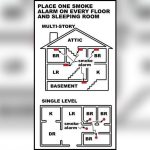
Place smoke detectors in every bedroom and hallway. Install one on each floor of your home. This helps catch smoke early, giving you more time to act.
Keeping Emergency Contacts Handy
Write down emergency numbers and keep them near your phone. Include fire department and medical help contacts. Quick access to these numbers can save lives during a fire.

Credit: inspiredhousewife.com
Frequently Asked Questions
Why Is My Smoke Detector Chirping Constantly?
Your smoke detector chirps when its battery is low or malfunctioning. Replace the battery immediately. Clean dust from the unit to prevent false alerts.
How Do I Stop A Smoke Detector From Chirping?
Replace the battery with a fresh one. Press the reset button after changing it. Clean the detector to remove dust or debris.
Can A Dirty Smoke Detector Cause Chirping?
Yes, dust or debris inside the detector can cause false chirping. Regularly clean the unit with a vacuum or soft brush to avoid this.
When Should I Replace My Smoke Detector?
Replace your smoke detector every 10 years. Older devices may malfunction or chirp frequently despite battery changes. Check the manufacture date on the back.
Conclusion
A chirping smoke detector can be very annoying and distracting. You can fix this by checking the battery or cleaning the device. Sometimes, a reset is all it needs to stop the noise. Always keep your smoke detector in good shape to stay safe.
Regular checks help avoid false alarms and keep your home secure. Taking these small steps will give you peace and quiet. Stay alert, stay safe.