
Have you ever wondered if your home has enough smoke detectors to keep you and your loved ones safe? Knowing how many smoke detectors you need isn’t just about following rules—it’s about protecting your family when it matters most.
Too few detectors could leave dangerous gaps, while too many might cause unnecessary alarms. You’ll discover exactly how many smoke detectors your house should have, where to place them, and why each one plays a critical role in your home’s safety.
Keep reading—your peace of mind depends on it.
Smoke Detector Basics
Smoke detectors are important for home safety. They alert you to fire early. Knowing their basics helps you keep your family safe. This section explains how smoke detectors work and the types available.
Types Of Smoke Detectors
Two main types of smoke detectors exist: ionization and photoelectric. Ionization detectors respond quickly to flaming fires. Photoelectric detectors sense smoldering fires better. Some detectors combine both types for better protection. Choose the right type for your home’s needs.
How Smoke Detectors Work
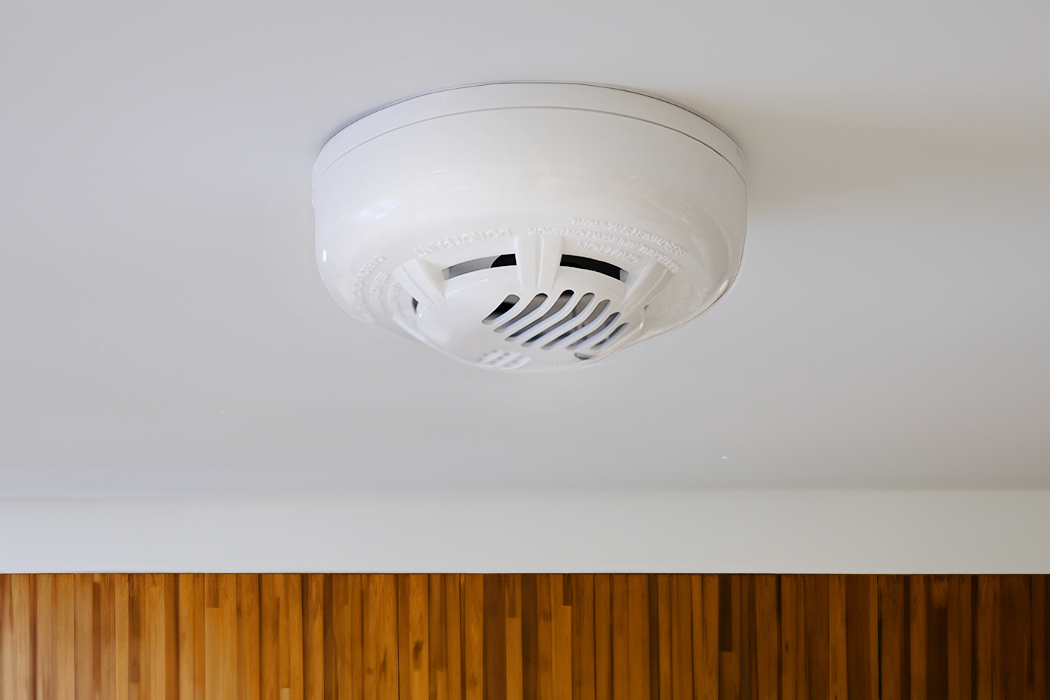
Smoke detectors sense smoke particles in the air. Ionization detectors use a small amount of radioactive material to detect smoke. Photoelectric detectors use a light beam to spot smoke. When smoke blocks the light or changes the ion flow, the alarm sounds. This early warning saves lives and property.
Credit: brinkshome.com
Recommended Number Of Detectors
Knowing the recommended number of smoke detectors in a house is essential for safety. Smoke alarms save lives by alerting residents early during a fire. The right number depends on the home’s size and layout. Proper placement ensures the alarms work effectively. Below are guidelines for different home types and key areas to cover.
Guidelines For Single-story Homes
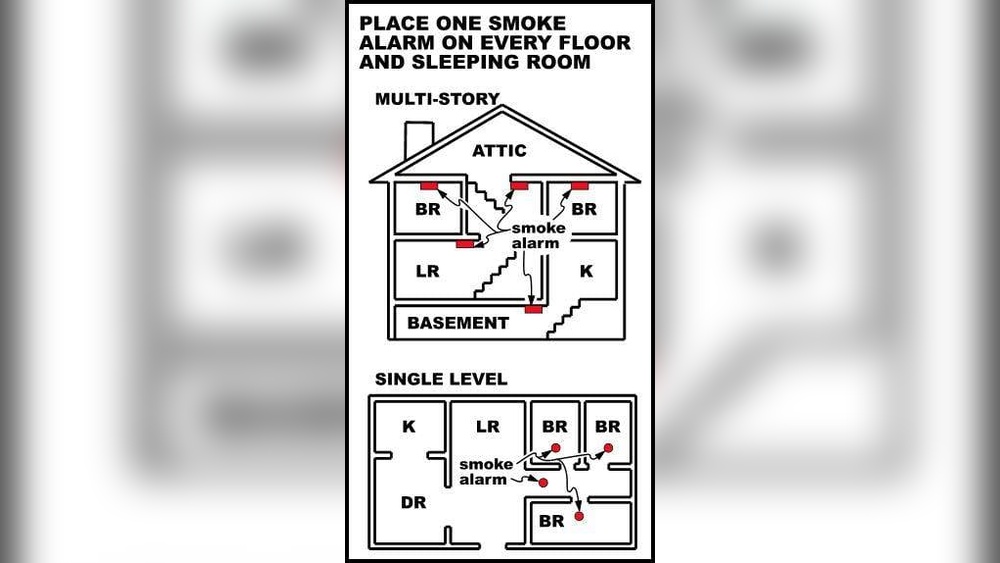
Install at least one smoke detector in each bedroom. Place a detector in the main living area. Have a smoke alarm near the kitchen, but not too close to avoid false alarms. A single-story home typically needs three to five detectors. This setup helps detect fire quickly from any part of the house.
Requirements For Multi-story Houses
Each floor needs its own smoke detectors. Put one inside every bedroom and outside sleeping areas. Make sure there is at least one detector in the hallway on each floor. The basement and attic also need detectors if they are used. This layout ensures all levels have proper fire detection.
Placement In Common Areas
Install detectors in living rooms and family rooms. Hallways that connect bedrooms and other rooms need alarms too. Avoid placing detectors near windows, doors, or vents. These spots can cause false alarms or delayed detection. Proper placement in common areas helps protect everyone in the home.
Installation Tips
Proper installation of smoke detectors is key to home safety. Correct placement and setup help detectors work well. This section guides you through important tips to install smoke detectors effectively. Follow these steps to protect your home and family.
Ideal Mounting Locations
Place smoke detectors on every level of the house. Install one inside each bedroom and outside sleeping areas. Mount detectors on the ceiling or high on walls. Avoid corners and areas near windows or vents. Keep detectors at least 10 feet from cooking appliances.
Avoiding False Alarms
Do not install detectors too close to kitchens or bathrooms. Steam and cooking smoke can cause false alarms. Use detectors with a hush button to silence false alerts. Clean detectors regularly to remove dust and insects. Test detectors monthly to ensure proper function.
Wiring Vs. Battery-powered Units
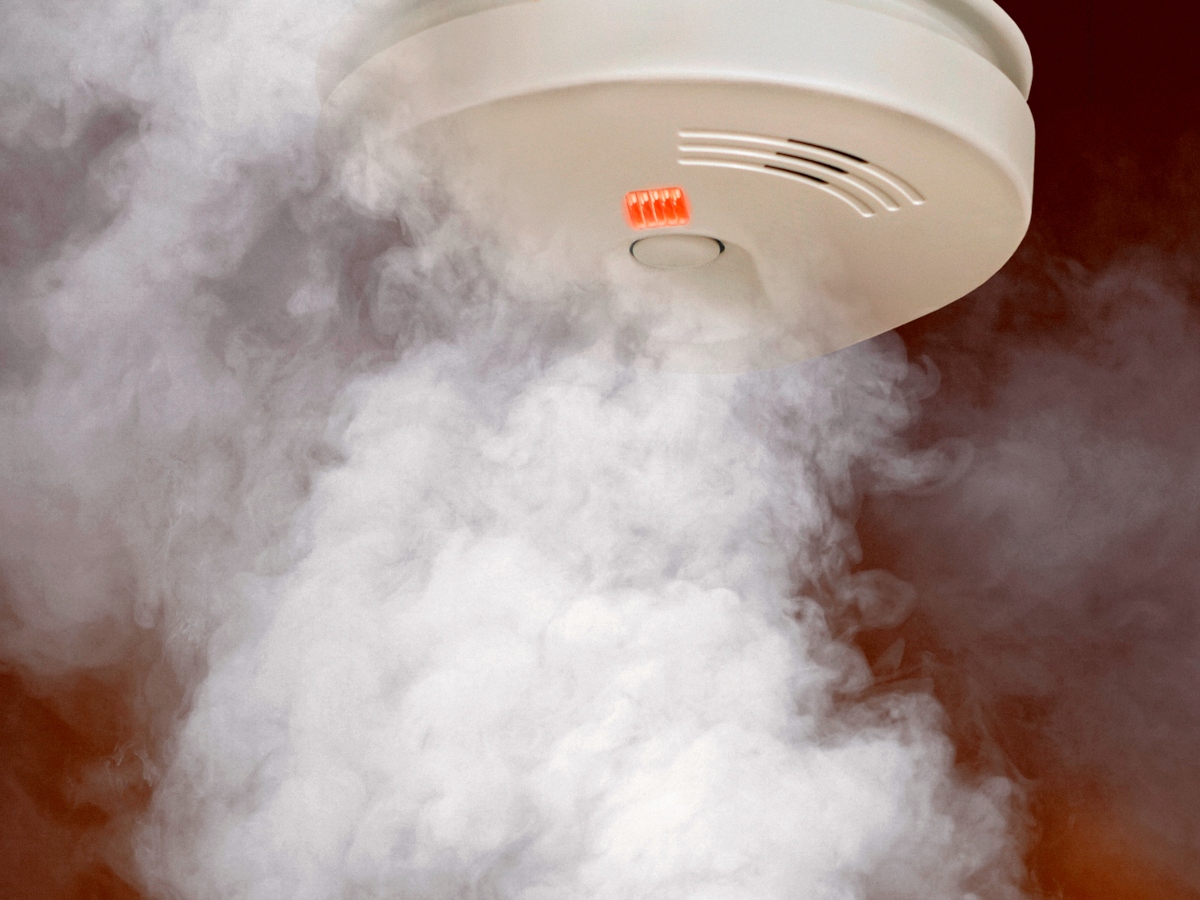
Wired smoke detectors connect to your home’s electrical system. They often have battery backups for power outages. Battery-powered detectors are easy to install and move. Replace batteries at least once a year. Choose interconnected units for better home-wide alerts.
Credit: www.onithome.com
Maintenance And Testing
Smoke detectors save lives. Keeping them working is key. Regular maintenance and testing make sure they function during emergencies. Neglect can cause false alarms or failure to alert. Simple steps extend their life and keep your home safe.
Regular Testing Procedures
Test smoke detectors at least once a month. Press the test button until the alarm sounds loud. This check confirms the alarm and battery work. If no sound comes, replace the battery or unit. Testing regularly keeps your family safe from fire risks.
Battery Replacement Schedule
Replace batteries every six months or sooner if low. Many detectors beep when batteries run low. Use fresh, high-quality batteries for best results. Some models have sealed batteries lasting up to ten years. Follow the manufacturer’s advice for battery care.
Cleaning And Troubleshooting
Dust and dirt can block smoke sensors. Clean detectors gently with a soft brush or vacuum monthly. Avoid spraying cleaners directly on the unit. If false alarms occur, check for dust or steam sources. Replace the detector if problems persist after cleaning.
Advanced Safety Features
Advanced safety features in smoke detectors improve home protection. These features help detect fires faster and alert everyone in the house. They add convenience and increase the chance of escaping danger safely.
Interconnected Smoke Alarms
Interconnected smoke alarms link all detectors in a home. When one alarm sounds, all alarms ring. This lets everyone know about fire, no matter where they are. It is especially helpful in large or multi-story houses. It reduces the risk of missing a warning from another room.
Smart Smoke Detectors
Smart smoke detectors connect to your phone or tablet. They send alerts even if you are not home. You can check the status and battery life remotely. Some models detect both smoke and carbon monoxide. They offer voice alerts that tell you the type of danger. Smart detectors make fire safety more manageable and modern.
Integration With Home Security Systems
Smoke detectors can link to home security systems. This integration triggers alarms and alerts the security company. It can call emergency services automatically. Homeowners gain peace of mind knowing help is on the way. This feature adds an extra layer of protection beyond the detector alone.
Legal And Insurance Considerations
Knowing the legal and insurance rules about smoke detectors can keep your home safe. Laws and insurance policies often set clear standards. Meeting these rules can protect your family and your property.
Local Building Codes
Local building codes tell you how many smoke detectors to install. These codes vary by city or state. Usually, they require detectors in every bedroom, outside sleeping areas, and on each floor. Following these codes helps you avoid fines and ensures safety.
Insurance Requirements
Insurance companies may require specific smoke detector setups. They want to lower fire risks in your home. Meeting these requirements can reduce your insurance premium. It may also help you get a claim approved quickly after a fire.
Upgrading Older Homes
Older homes often lack enough smoke detectors. Upgrading these homes to current standards is important. It may involve adding detectors in new locations or using newer models. This upgrade improves safety and meets legal rules.

Credit: www.firstalert.com
Frequently Asked Questions
How Many Smoke Detectors Are Required Per House?
Most safety guidelines recommend at least one smoke detector per floor. Additionally, install detectors inside bedrooms and outside sleeping areas for maximum safety.
Where Should Smoke Detectors Be Installed In A Home?
Place smoke detectors in every bedroom, outside sleeping areas, and on each floor. Avoid placing them near kitchens or bathrooms to reduce false alarms.
How Often Should Smoke Detectors Be Installed Or Replaced?
Smoke detectors should be replaced every 10 years. Test them monthly and replace batteries at least once a year for reliable function.
Can A Single Smoke Detector Protect An Entire House?
No, one smoke detector cannot protect an entire house. Multiple detectors are needed to cover all floors and key living areas effectively.
Conclusion
Every home needs enough smoke detectors for safety. Place one in each bedroom and hallway. Don’t forget the kitchen and living room areas. Test them often to make sure they work well. Change batteries at least once a year. Smoke detectors save lives by warning you early.
Keep your family safe with the right number. It’s simple but very important. Stay alert and protect your home today.