
Are you tired of cold drafts slipping through your pet door or worried about your home’s security? Knowing how to seal a pet door properly can save you money on energy bills and keep your space cozy and safe.
In this guide, you’ll discover simple, effective steps to stop air leaks and improve insulation without spending a fortune. Keep reading to learn easy tricks that anyone can do to protect your home and keep your furry friend happy.
Choosing The Right Seal
Choosing the right seal for your pet door is important. It helps keep out drafts, dirt, and moisture. A good seal makes your home more comfortable and saves energy. Understanding the types and materials of seals helps you pick the best one. Accurate measurements ensure a perfect fit and strong protection.
Types Of Door Seals
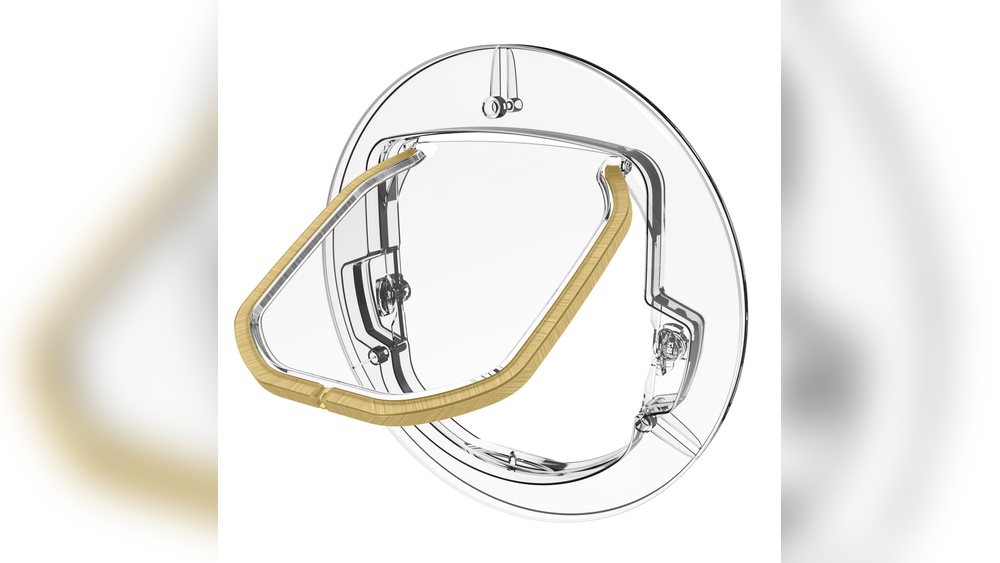
There are several types of seals for pet doors. Weatherstripping is common and easy to install. It forms a tight barrier around the door edges. Rubber gaskets offer a flexible and durable seal. Brush seals have bristles that block air but allow easy pet passage. Magnetic seals use magnets to close the flap tightly.
Materials For Weatherproofing
Weatherproofing materials affect the seal’s strength and lifespan. Foam tape is soft and good for small gaps. Rubber and silicone are flexible and resist wear. Vinyl seals are sturdy and handle harsh weather well. Choose materials that resist water and temperature changes for best results.
Measuring Your Pet Door
Measure your pet door carefully before sealing. Note the width and height of the flap and frame. Check the gap size around the edges. Use a tape measure for accuracy. Correct measurements prevent drafts and ensure the seal fits tightly. A well-measured seal keeps your home cozy and clean.

Credit: plexidors.com
Preparing The Pet Door
Preparing the pet door is an important step before sealing it. This makes sure the seal sticks well and lasts long. Take your time to do it right for the best results.
Cleaning The Surface
Start by cleaning the area around the pet door. Use a damp cloth to remove dust and dirt. Dirt can stop the seal from sticking properly. Let the surface dry completely before moving on.
Removing Old Seals
Check if there are old seals on the door. Peel them off carefully without damaging the frame. Use a scraper or your fingers to remove any leftover glue. A clean surface helps the new seal stick better.
Checking For Damage
Look closely for cracks or holes around the pet door. Small damage can cause drafts and let bugs in. Fix any damage with appropriate materials before sealing. A smooth, solid surface keeps the seal tight and secure.
Applying Weatherproof Seals
Applying weatherproof seals to a pet door stops cold air and moisture from entering your home. It makes the door more energy efficient and keeps your space comfortable. These seals also protect against dust and bugs.
Several easy methods help create a tight seal around the pet door. Choose the best one for your door type and climate. Let’s explore three common options for weatherproof sealing.
Installing Foam Strips
Foam strips are soft, flexible, and easy to cut. They fit well in gaps around the pet door frame. Peel off the backing and press the strip firmly in place. Foam strips block drafts and reduce noise.
They work best for small spaces and flat surfaces. Check the strip regularly and replace if it wears out or falls off.
Using Rubber Gaskets
Rubber gaskets provide a stronger seal than foam strips. They fit tightly around the door edges to stop air leaks. These gaskets are durable and resist water and temperature changes.
Install by aligning the gasket with the door frame. Use screws or adhesive for a secure hold. Rubber gaskets suit pet doors with thicker edges or metal frames.
Adding Draft Stoppers
Draft stoppers are soft barriers placed at the bottom of the pet door. They prevent cold air and dirt from coming inside. You can buy adjustable draft stoppers or make your own.
Attach the stopper to the bottom edge of the door. It moves easily when your pet goes through but closes tightly after. Draft stoppers are ideal for doors that open and close frequently.
Enhancing Insulation
Enhancing insulation around your pet door helps keep your home comfortable. It stops cold air from coming in and warm air from escaping. Proper insulation also reduces energy bills and noise from outside. Small changes make a big difference in sealing your pet door effectively.
Using Insulated Flaps
Insulated flaps are a simple way to improve your pet door’s insulation. These flaps have layers that block cold and heat. They fit over the door opening and close tightly after your pet passes through. This helps keep the temperature inside stable.
Adding Magnetic Closures
Magnetic closures help seal the pet door flap firmly. Magnets hold the flap closed to stop drafts. They make sure the flap stays shut even during wind or strong air currents. This keeps your home warmer and quieter.
Sealing Gaps With Caulk
Caulk fills small gaps around the pet door frame. These gaps let air leak in and out. Use weather-resistant caulk for a long-lasting seal. Apply it carefully to cover all spaces and prevent air leaks. This step improves overall insulation and comfort.
Maintaining Your Sealed Pet Door
Maintaining your sealed pet door is key to keeping your home comfortable and energy-efficient. A well-maintained seal keeps drafts, dirt, and pests outside. It also helps your pet door last longer and work better.
Regular Inspection
Check your pet door seal every few weeks. Look for cracks, tears, or gaps. These can let cold air or bugs inside. Use a flashlight to see small damage. Early detection saves money and effort later.
Replacing Worn Seals
Change the seal if it looks damaged or worn out. Old seals lose their ability to block air and moisture. Remove the old seal carefully. Buy a new one that fits your pet door model. Install it tightly to prevent leaks.
Seasonal Adjustments
Adjust your pet door seal based on the season. Use thicker seals in winter to block cold air. In summer, lighter seals help with ventilation. Some seals can be swapped or layered for better protection. This keeps your home cozy all year.

Credit: www.petdoors.com

Credit: www.idealpetproducts.com
Frequently Asked Questions
How Do I Seal A Pet Door To Stop Drafts?
Use weatherstripping or foam tape around the pet door edges. This blocks cold air and prevents drafts effectively. Ensure a tight seal without obstructing the flap movement for your pet’s comfort and energy savings.
What Materials Work Best For Sealing Pet Doors?
Foam tape, weatherstripping, silicone caulk, and draft stoppers are ideal. These materials provide flexible, durable seals that block air leaks. Choose based on door type and exposure to weather for lasting protection.
Can Sealing A Pet Door Improve Home Energy Efficiency?
Yes, sealing prevents heat loss and reduces energy bills. Properly sealed pet doors keep indoor temperatures stable, lowering heating and cooling costs. It also creates a more comfortable environment for your family and pets.
How Often Should I Check My Pet Door Seal?
Inspect the seal every 3 to 6 months. Regular checks ensure no gaps or wear appear, maintaining energy efficiency and preventing drafts. Replace or repair seals promptly for optimal performance.
Conclusion
Sealing a pet door keeps your home warm and safe. Choose the right materials for your door type. Clean the area well before applying sealant. Take your time to ensure a tight fit. Regularly check the seal to avoid drafts or leaks.
A well-sealed door saves energy and protects your space. Small steps make a big difference in comfort. Now, your pet door works better and your home stays cozy.