Do you struggle to help your pet climb onto your bed? You’re not alone.
Many pet owners worry about their furry friends jumping up and risking injury. What if you could build simple, safe stairs just for your pet? Making pet stairs for your bed is easier than you think. In this guide, you’ll discover easy steps to create a cozy, sturdy set of stairs that your pet will love.
Keep reading, and you’ll find out how to give your pet comfort and independence while protecting their health.
Choosing Materials
Choosing the right materials is key to making sturdy pet stairs for the bed. The materials affect safety, comfort, and durability. Pick materials that support your pet’s weight and feel safe under their paws. Simple, strong materials work best for this project.
Wood Types
Wood is a popular choice for pet stairs. Pine is soft, easy to cut, and affordable. Oak is harder and lasts longer but costs more. Plywood is strong and smooth but can be heavy. Choose wood that holds weight and resists scratches. Avoid treated wood that might harm pets.
Tools Needed
You need basic tools to build pet stairs. A saw cuts wood to size. Sandpaper smooths edges and surfaces. A drill helps make holes for screws. Screws or nails hold pieces together. Measuring tape ensures accurate cuts. A pencil marks where to cut or drill.
Safety Gear
Safety gear protects you while working. Wear gloves to avoid splinters. Use safety glasses to protect your eyes from dust. A mask stops you from breathing sawdust. Ear protection helps if you use loud tools. Always keep your workspace clean to avoid accidents.

Credit: www.youtube.com
Measuring Your Bed And Pet
Measuring your bed and pet is the first step in making pet stairs that fit well. Accurate measurements ensure your pet climbs safely and comfortably. Take your time and be precise. This helps create stairs that suit both the bed height and your pet’s needs.
Determine Stair Height
Measure the distance from the floor to the top of your bed. Use a tape measure for accuracy. This height tells you how tall the stairs need to be. Keep in mind the total height affects how many steps you will build.
Calculate Step Depth And Width
Step depth is the space from front to back of each stair. It should be deep enough for your pet to place its whole paw comfortably. Step width is how wide the stair is from side to side. Wide steps help pets feel more stable and secure.
Consider Pet Size And Mobility
Small pets need smaller, lower steps to avoid strain. Larger pets require bigger steps for balance. Think about your pet’s age and health. Pets with mobility issues need gentler, lower steps to climb easily.
Cutting And Preparing Wood
Cutting and preparing wood is a key step in making pet stairs for your bed. This process shapes the wood into the right size and form. It ensures the stairs are safe and comfortable for your pet. Careful preparation helps avoid rough edges and splinters. It also makes the stairs strong and durable.
Marking Measurements
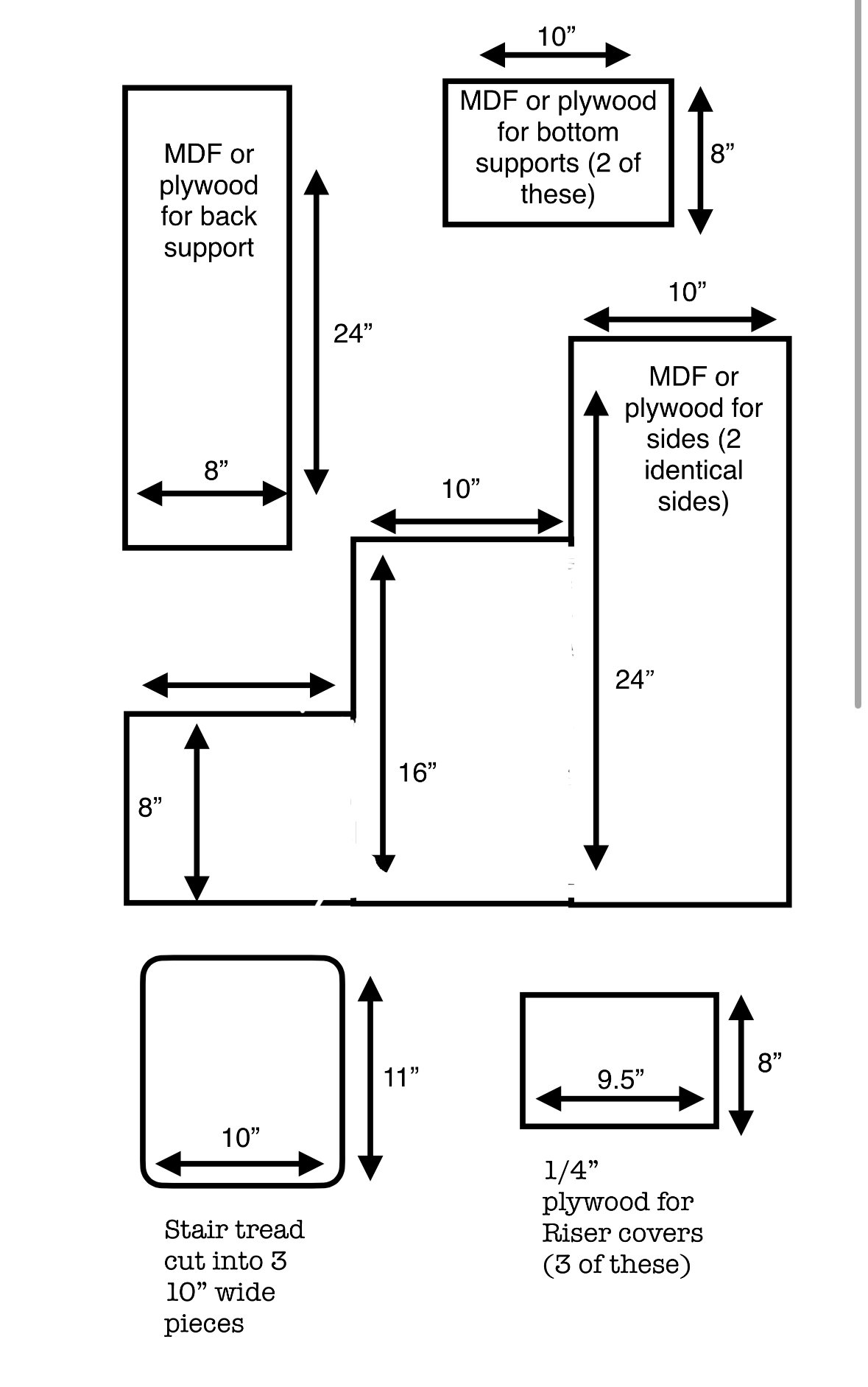
Start by measuring the height and width of your bed. Decide how many steps your pet stairs will have. Use a pencil and ruler to mark the wood pieces. Mark the length and width of each step carefully. Double-check your marks before cutting. Accurate marks help the pieces fit well together.
Safe Cutting Techniques
Use a saw that fits your skill level. Keep the wood firmly clamped before cutting. Cut slowly along the marked lines to avoid mistakes. Wear safety goggles and gloves to protect yourself. Keep fingers away from the saw blade. A steady hand makes clean, straight cuts.
Sanding Edges
After cutting, sand all edges and surfaces. Use medium-grit sandpaper first to smooth rough spots. Follow with fine-grit sandpaper for a soft finish. Check for any sharp corners or splinters. Smooth edges prevent your pet from getting hurt. Wipe away dust before assembly.
Credit: www.arloren.com
Assembling The Stairs
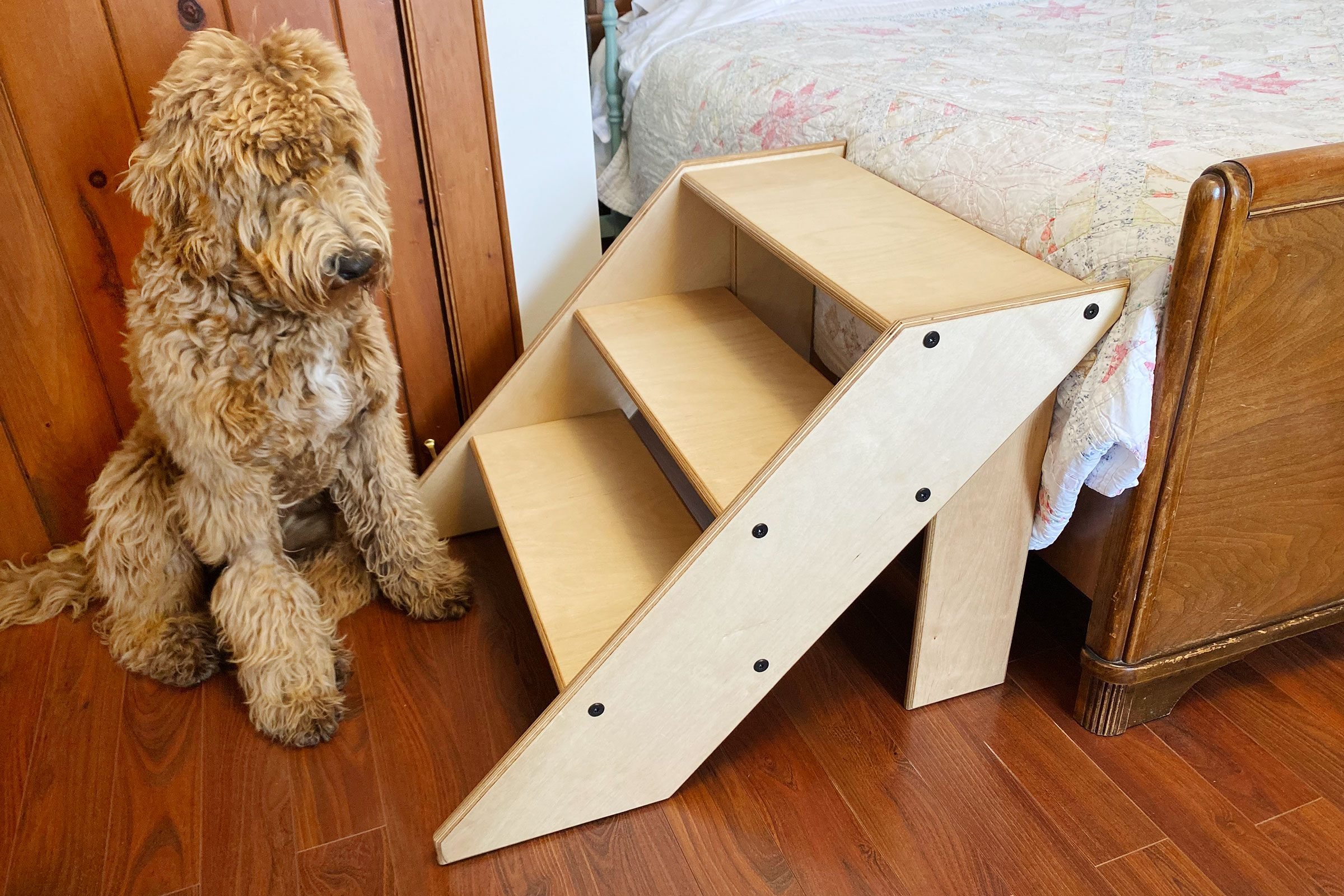
Assembling the pet stairs is an important step to help your pet climb easily. You will join all parts and make sure the stairs are strong and safe. Follow these simple steps to complete the stairs.
Building The Frame
Start by cutting the wood pieces to the right size. Use two long side pieces and several shorter pieces for support. Attach the shorter pieces between the long sides with screws. This creates a strong base for the stairs.
Make sure the frame is square and even. Check the corners with a carpenter’s square. Tighten all screws to keep the frame steady.
Attaching Steps
Cut the steps to fit the frame width. Space the steps evenly on the frame. Attach each step securely with screws or nails. Use wood glue for extra hold.
Sand the edges of each step to avoid splinters. This keeps your pet’s paws safe and comfortable.
Ensuring Stability
Check the stairs for any wobbling or loose parts. Add extra screws if needed. Attach rubber pads or non-slip tape under the stairs to prevent sliding.
Test the stairs by pressing down on each step. Make sure they hold firm and do not move. A stable stair helps your pet climb with confidence.
Adding Comfort Features
Adding comfort features to pet stairs makes them safer and more inviting. Pets enjoy using stairs that feel soft and secure. Comfort also helps pets with joint issues or older pets climb easily.
Small changes can make a big difference. Focus on surfaces that prevent slipping, soft coverings, and finishing touches like paint or stain. Each step should be pet-friendly and easy to clean.
Attaching Non-slip Surfaces
Non-slip surfaces keep pets from slipping off the stairs. Use grip tape or rubber mats on each step. Cut them to fit the size of the stairs perfectly.
Secure the material with strong adhesive or staples. Test the grip by placing your hand on the surface. It should feel rough and steady.
Applying Soft Coverings
Soft coverings add comfort and protect pets’ paws. Use carpet, felt, or foam padding on the steps. Cut the material to match each stair’s shape.
Attach the coverings with glue or staples. Check that the edges are smooth to avoid scratching. Soft materials reduce noise and make stairs cozy.
Painting Or Staining
Painting or staining the stairs improves appearance and protects wood. Choose pet-safe, non-toxic paint or stain. Avoid strong smells to keep pets comfortable.
Apply thin, even coats and let them dry completely. A finished look helps the stairs last longer. Painted stairs are easier to clean and maintain.
Credit: www.bakerblooms.com
Placement And Testing
Placing and testing your pet stairs is a key step. It ensures your pet can use the stairs safely and comfortably. Careful placement helps prevent accidents and makes your pet feel confident. Testing helps spot any issues early. This section covers how to position the stairs, train your pet, and keep the stairs in good shape.
Positioning Stairs By The Bed
Place the stairs close to the bed where your pet usually jumps up. Ensure the stairs sit flat on the floor and do not wobble. The stairs should align with the bed height for easy access. Avoid placing stairs on slippery surfaces. Use a non-slip mat if needed. Check the path your pet will take to reach the stairs. Clear any obstacles or clutter around the stairs.
Training Your Pet
Introduce the stairs to your pet slowly. Let them explore the stairs at their own pace. Use treats or toys to encourage them to climb up and down. Praise your pet each time they use the stairs correctly. Repeat the training sessions daily for better results. Never force your pet to use the stairs. Patience helps your pet feel safe and confident.
Adjustments And Maintenance
Check the stairs regularly for signs of wear or damage. Tighten any loose screws or parts to keep the stairs stable. Clean the stairs often to remove dirt and pet hair. Replace any worn-out non-slip pads to prevent slipping. Adjust the stairs if your pet grows or their needs change. Regular upkeep keeps the stairs safe and comfortable for your pet.
Frequently Asked Questions
What Materials Are Needed To Make Pet Stairs For Bed?
You need wood or sturdy foam, screws, sandpaper, non-slip pads, and fabric or carpet for covering. These materials ensure durability and comfort for your pet.
How Do I Measure The Right Height For Pet Stairs?
Measure the bed height from floor to mattress top. Divide this height by the number of steps you want to create even, comfortable stairs for your pet.
Can I Customize Pet Stairs For Different Pet Sizes?
Yes, customize stair width, height, and step depth based on your pet’s size. Smaller pets need shorter, narrower steps for safety.
How Do I Make Pet Stairs Safe And Non-slip?
Use non-slip pads on stair bottoms and cover steps with carpet or fabric. This prevents slips and provides better grip for your pet.
Conclusion
Making pet stairs for your bed can help your pet climb safely. It saves them from jumping and hurting themselves. Using simple materials, you can create a sturdy and comfy stair. This project does not take much time or money.
Your pet will appreciate the easy access to your bed. Try building pet stairs and watch your pet enjoy their new ease. Small steps make a big difference for your pet’s comfort.