
Are you thinking about giving your furry friend the freedom to come and go as they please? Installing a pet door can be a game-changer for both you and your pet.
But before you make a decision, you probably want to know one important thing: how much will it cost? Understanding the price and what influences it can help you plan better and avoid surprises. Keep reading, and you’ll discover everything you need to know about the costs of installing a pet door—so you can make the best choice for your home and your pet.
Pet Door Types
Choosing the right pet door affects both convenience and cost. Different types suit different homes and pets. Understanding these options helps you decide what fits best.
Flap Doors
Flap doors are the most common type. They have a simple plastic or rubber flap. Pets push the flap to go in or out. These doors are easy to install and affordable. They fit well on regular doors or walls.
Electronic Doors
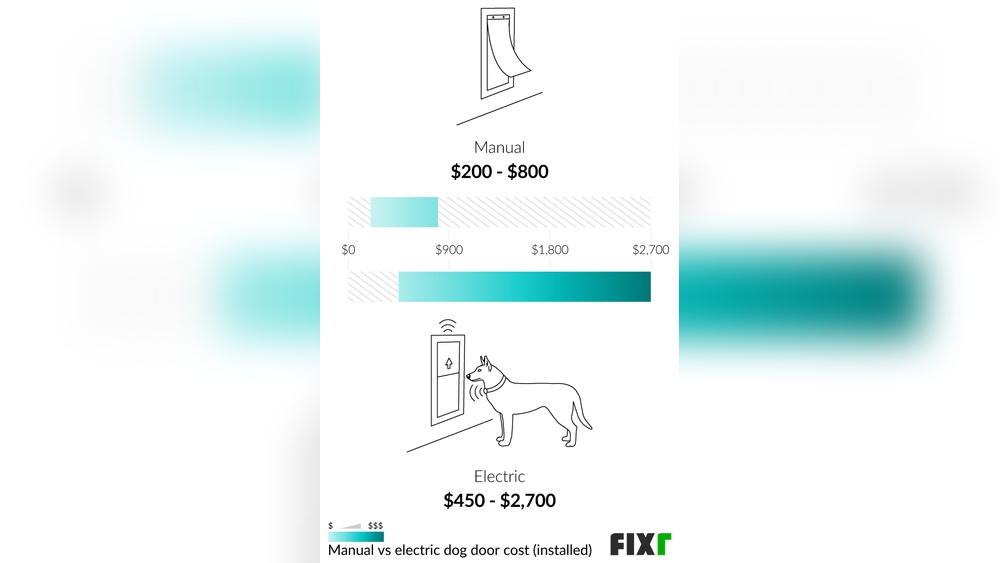
Electronic doors use sensors or collars. Only pets with the sensor can open the door. This stops stray animals from entering. These doors cost more and need power. Installation may require professional help.
Wall Mounted Doors
Wall mounted doors go through an exterior wall. They give pets direct access outside. This option needs cutting a hole in the wall. It often costs more due to extra work. It works well for homes with no easy door access.
Sliding Glass Doors
Sliding glass door pet doors fit into the glass panel. They slide open like the regular door. Installation may need glass cutting and special frames. These doors keep the look of your home. They are pricier but stylish and secure.
Credit: www.homedepot.com
Cost Factors
Several factors affect the total cost of installing a pet door. Understanding these cost drivers helps you plan your budget better. The price varies based on the door’s size, material, location of installation, labor, and extra features. Each element adds to the overall expense.
Door Size And Material
Large doors cost more than small ones. Bigger sizes need more materials and effort. The material also impacts the price. Plastic doors are usually cheaper than metal or wood. Durable materials last longer but come with higher prices. Choose a size and material that fits your pet and budget.
Installation Location
Installing a pet door in a wall costs more than in a door. Wall installation requires cutting and extra work. Doors are easier and quicker to modify. The type of wall matters too. Brick or concrete walls are harder to cut. These locations increase the installation price.
Labor Charges
Labor fees depend on the complexity of the job. Simple installations cost less. Difficult jobs need more time and skill, raising the price. Local labor rates also affect costs. Experienced professionals may charge more but provide better results.
Additional Features
Extra features increase the cost. Locking mechanisms add security but raise the price. Electronic or magnetic flaps cost more than manual ones. Some pet doors offer weatherproofing or insulation. These upgrades improve function but add to the total expense.
Diy Vs Professional Installation
Choosing between installing a pet door yourself or hiring a professional can affect your budget and the final result. Both options have clear advantages and challenges. Understanding these can help you pick the best method for your home and pet.
Benefits Of Diy
Doing the installation yourself saves money on labor. You control the timing and pace of the work. It offers a chance to learn new skills and gain confidence. You can customize the installation to fit your exact needs. Many pet doors come with clear instructions to guide you. Basic tools are often enough for the job. Mistakes may happen, but they teach you valuable lessons.
When To Hire Experts
Professional installers bring experience and precision. They handle complex door types and tricky placements easily. Experts use the right tools and techniques to avoid damage. They often finish the job faster than beginners. A pro can ensure the door fits well and seals properly. Hiring experts reduces the risk of errors and extra costs. They may also provide warranties for their work.
Cost Comparison
DIY installation usually costs less upfront. You spend only on the pet door and basic tools. Professional installation adds labor fees, raising total expenses. Labor costs vary by region and installer skill. A simple pet door might cost $50 to $150 for DIY. Professionals might charge $150 to $400 or more. Consider potential repair costs if DIY mistakes occur. Balance your budget with your skill level for best results.

Credit: www.fixr.com
Choosing The Right Pet Door
Choosing the right pet door is key to a happy pet and a safe home. The correct door lets your pet come and go with ease. It also keeps your home secure and energy-efficient. Picking a door that fits your needs saves time and money. Consider your pet’s size, your home’s security, and energy use before buying.
Pet Size And Breed
Measure your pet before buying a door. Small pets need smaller doors. Big dogs require larger doors to move freely. Different breeds have unique shapes and heights. Match the door size to your pet’s body for comfort. A door too small or too big can cause problems. Choose a door your pet can use without trouble.
Home Security
Security matters when installing a pet door. Some doors lock and unlock easily. Look for doors with strong locks or electronic controls. A secure door keeps strangers and wild animals out. Make sure the door fits tightly to block unwanted entry. A secure pet door protects your family and belongings.
Energy Efficiency
Energy-efficient pet doors save on heating and cooling costs. Doors with good insulation stop drafts and heat loss. Choose doors with flaps that seal tightly. Some pet doors have double flaps for better insulation. Properly sealed doors keep your home comfortable year-round. This helps lower energy bills and keeps your home cozy.
Tips To Save Money
Installing a pet door can be a smart choice for pet owners. Saving money during installation makes the process easier. Small changes and smart planning help reduce costs. Here are some practical tips to save money when installing a pet door.
Seasonal Discounts
Many companies offer lower prices during off-peak seasons. Winter and late fall often have better deals. Scheduling installation during these times can cut costs. Keep an eye out for holiday sales too. Early booking can sometimes secure a discount.
Bundling Services
Combine pet door installation with other home projects. Bundling saves on labor and travel fees. Ask the installer if they offer package deals. Grouping services reduces the total bill. It also saves time by handling tasks together.
Maintenance Advice
Regular upkeep extends the pet door’s life. Clean the door and check seals often. Fix small issues before they grow costly. Proper care prevents expensive repairs later. Follow the manufacturer’s instructions for best results.

Credit: www.angi.com
Frequently Asked Questions
How Much Does Pet Door Installation Cost?
Pet door installation costs typically range from $100 to $500. Prices depend on door type, size, and wall material. Professional installation may add extra fees. DIY options can reduce costs but require skill and tools.
What Factors Affect Pet Door Installation Price?
Installation price varies by door size, material, and location. Wall type, door brand, and labor charges also impact costs. Additional features like electronic locks increase the price. Measuring your pet accurately helps choose the right door.
Can I Install A Pet Door Myself?
Yes, DIY installation is possible with the right tools and instructions. It saves money but requires careful measuring and cutting. Wall material affects difficulty level. Always follow safety guidelines to avoid damage or injury.
Are Electronic Pet Doors More Expensive To Install?
Electronic pet doors cost more due to advanced features. Installation involves wiring or batteries, increasing labor and material expenses. These doors offer better security and pet control, justifying the higher price.
Conclusion
Installing a pet door can make life easier for both you and your pet. Costs vary depending on door type, size, and installation method. Basic doors cost less, while custom options and professional help raise prices. Think about your pet’s needs and your budget before deciding.
A well-chosen pet door adds comfort and freedom for your furry friend. Plan carefully to get the best value and avoid extra costs. Simple steps lead to a happy pet and a smooth installation.