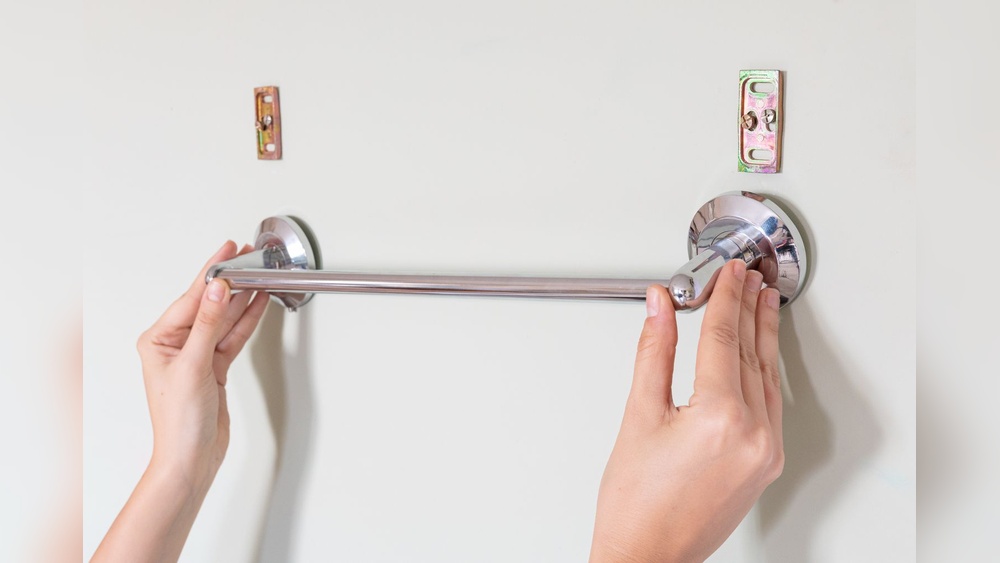

Are you tired of that old towel rack taking up space or ruining your bathroom’s look? Removing it might seem tricky, but it doesn’t have to be.
In this guide, you’ll discover simple, step-by-step tips to safely take down your towel rack without damaging your wall. Whether you’re updating your bathroom or fixing a problem, these easy-to-follow instructions will save you time and frustration. Keep reading to learn exactly how to remove your towel rack like a pro and get your bathroom ready for its next look.
Tools Needed
Removing a towel rack from the bathroom wall is easier with the right tools. Having these tools ready saves time and avoids damage to your wall. The tools also help remove screws and anchors safely. Below are the essential tools needed for this task.
Screwdriver
A screwdriver is key to removing the screws holding the towel rack. Use the right type—usually a Phillips or flathead screwdriver. This tool helps loosen screws without stripping them.
Drill
A drill makes removing wall anchors simpler. It can also help if screws are stuck or hard to turn. Use a drill with a bit size that fits the screw heads and anchors.
Putty Knife
A putty knife helps gently pry the towel rack off the wall. It can also remove any leftover adhesive or caulk. Use it carefully to avoid damaging the wall surface.
Pliers
Pliers are useful for gripping and pulling out stubborn screws or anchors. They provide extra strength when screws are tight or stuck. Choose pliers with a comfortable grip for better control.
Wall Patch Kit
After removing the towel rack, holes remain in the wall. A wall patch kit fills and smooths these holes. It usually contains putty, sandpaper, and instructions for easy repair.
Prepare The Area
Preparing the area before removing a towel rack is important. It keeps the process safe and clean. It also protects your bathroom walls and floor from damage.
Start by clearing the space around the towel rack. Remove any towels or items nearby. This gives you enough room to work comfortably.
Cover the floor and nearby surfaces. Use a drop cloth or old towels. This prevents scratches and catches any falling debris.
Gather the right tools. Common tools include a screwdriver, putty knife, and a small container for screws. Having everything ready saves time and avoids interruptions.
Clear The Surrounding Area
Take away all towels and bathroom accessories near the rack. This stops accidents and keeps items clean.
Protect The Floor And Walls
Place a drop cloth under the towel rack. It catches dust and small pieces. Cover nearby walls if you expect dust or paint chips.
Gather Necessary Tools
Prepare a screwdriver matching the rack screws. Keep a putty knife handy to remove any wall anchors. Use a small container to hold screws and parts.
Locate Mounting Points
Locating the mounting points is the first step to remove a towel rack safely. These points hold the rack firmly on the wall. Knowing their exact location helps avoid damage to your bathroom walls.
Most towel racks attach to the wall with screws hidden under covers. Removing these covers reveals the mounting hardware. Sometimes, mounting points are behind decorative end caps or plastic covers.
Check For Visible Covers Or Caps
Look closely at each end of the towel rack. Small caps or covers often hide the screws. Gently pry them off with a flat tool or your fingernail. Do this carefully to avoid breaking the covers.
Use A Flashlight To Spot Mounting Points
Shine a flashlight along the rack. Light can help spot hidden screws or holes. Shadows may reveal small indentations or openings. These marks show where screws attach the rack to the wall.
Feel For Screw Heads Or Brackets
Run your hand along the rack’s base. You might feel slight bumps or edges. These bumps usually cover screw heads or mounting brackets. Identifying them helps know where to unscrew.
Remove Decorative Elements To Access Screws
Some towel racks have decorative parts hiding screws. Twist or slide these parts gently. This action uncovers the screws beneath. Make sure to keep these decorative pieces safe for reinstallation.

Credit: www.reddit.com
Remove Screws And Anchors
Removing screws and anchors is a key step in taking down a towel rack. This process frees the rack from the wall without causing damage.
Take your time and handle the screws carefully. The right tools make this job easier and cleaner.
Gather The Right Tools
Use a screwdriver that fits the screws perfectly. A wrong size can strip the screws and make removal hard.
You may need a drill with a screwdriver bit for stuck screws. Have pliers ready for anchors that won’t come out easily.
Remove The Screws
Turn the screws counterclockwise to loosen them. Keep steady pressure to avoid slipping.
If a screw is tight, apply a little oil to loosen it. Work slowly to avoid breaking the screw head.
Extract The Anchors
Anchors hold screws tightly inside the wall. Use pliers to grip and pull them out gently.
If anchors are deep, push them inside the wall using a screwdriver. This hides holes and prepares the wall for patching.
Handle Different Wall Types
Removing a towel rack varies by wall type. Each wall material needs a different approach. Knowing the right steps keeps your wall safe and clean. Follow these tips for drywall, tile, and plaster walls.
Drywall
Drywall is common in many bathrooms. First, locate the screws holding the rack. Use a screwdriver to remove them carefully. Avoid forcing the screws to prevent damage. If anchors hold the rack, gently pull them out. Fill any holes with spackle. Sand the area smooth once dry. Paint over the spot to match the wall.
Tile
Tile walls need a gentle touch. Use a drill with a masonry bit to remove screws. Work slowly to avoid cracking tiles. After removing screws, take off the rack. Clean any leftover adhesive or caulk. Fill holes with a waterproof filler. Smooth the surface and let it dry. Repaint or retile if needed to blend the area.
Plaster
Plaster walls can be fragile. Use a screwdriver to remove screws gently. Avoid pulling too hard on the rack. Patch holes with plaster repair compound. Let it dry fully before sanding. Smooth the area lightly for an even finish. Paint the spot to match the rest of the wall.

Credit: www.youtube.com
Patch And Repair Holes
After removing a towel rack, small holes or marks often remain on the bathroom wall. These holes need patching to make the wall look smooth and clean. Patching is simple and helps the wall stay strong and ready for paint or new fixtures.
Follow easy steps to fix these holes quickly. A neat repair improves the bathroom’s look and prevents dirt buildup in holes.
Gather Supplies For Patching
Collect spackling paste, a putty knife, sandpaper, and a damp cloth. You may also need primer and paint to match the wall color. Having all tools ready makes the repair faster and easier.
Apply Spackling Paste Correctly
Use the putty knife to spread spackling paste over the holes. Press firmly to fill the hole completely. Smooth the surface to blend with the wall. Let the paste dry as per instructions on the package.
Sand The Patched Area Smooth
After drying, sand the patched spot gently. Use fine sandpaper for a smooth finish. Wipe dust away with a damp cloth. The area should feel even to the touch before painting.
Paint Over The Patched Spot
Apply primer if needed, then paint to match the wall color. Use thin layers to avoid drips. Let the paint dry between coats. The repaired spot should blend seamlessly with the rest of the wall.
Clean And Finish Wall Surface
After removing a towel rack, the wall often needs cleaning and fixing. This step prepares the surface for painting or new fixtures. A smooth, clean wall looks better and lasts longer.
Remove Old Adhesive And Debris
Start by scraping off any leftover glue or tape. Use a putty knife or scraper gently. Clean the area with warm, soapy water. Dry the wall completely before moving on.
Fill Holes And Cracks
Fill holes with a lightweight spackling compound. Use a small putty knife to spread it evenly. Let the filler dry according to the package instructions. Sand the area smooth with fine-grit sandpaper.
Sand The Wall Smooth
Sand the whole area around the removed rack. This removes rough spots and old paint edges. Use a sanding block or sponge for even pressure. Wipe off dust with a damp cloth afterwards.
Apply Primer For Best Results
Apply a coat of primer to the repaired area. Primer helps paint stick and covers any stains. Use a small brush or roller for an even coat. Allow the primer to dry fully before painting or installing new items.

Credit: www.wikihow.com
Frequently Asked Questions
How Do I Safely Remove A Towel Rack From The Wall?
Use a screwdriver to remove screws holding the rack. Gently pull the rack away from the wall. Avoid forcing it to prevent damage.
What Tools Are Needed To Remove A Bathroom Towel Rack?
You typically need a screwdriver, putty knife, and spackle. A drill may help if screws are stuck. These tools ensure safe and easy removal.
How To Fix Holes After Removing A Towel Rack?
Fill holes with spackle or wall filler. Smooth it with a putty knife. Sand after drying for a clean finish.
Can I Remove A Towel Rack Without Wall Damage?
Yes, by carefully unscrewing and gently pulling the rack. Use minimal force and proper tools to avoid damage.
Conclusion
Removing a towel rack from your bathroom wall is simple with the right steps. Take your time to avoid damaging the wall. Use basic tools like a screwdriver and putty to fill holes. Clean the area well before installing anything new.
This task saves money and keeps your bathroom neat. Remember, careful work leads to better results. Now, your wall is ready for a fresh look or new rack. Easy and quick fixes make your space more comfortable.