Have you ever wondered what keeps your smoke detector running, quietly guarding your home day and night? Understanding how smoke detectors are powered can help you feel more confident about your safety.
Whether it’s a battery, hardwired connection, or a combination of both, the power source plays a big role in how reliable your device is. You’ll discover the different ways smoke detectors get their power and why it matters for your peace of mind.
Keep reading to learn how to make sure your smoke detector is always ready to protect you and your loved ones.
Types Of Smoke Detector Power Sources
Smoke detectors keep homes safe by detecting smoke early. They need power to work properly. Different types of smoke detectors use different power sources. Each type has its own benefits and setup methods.
Battery-powered Models
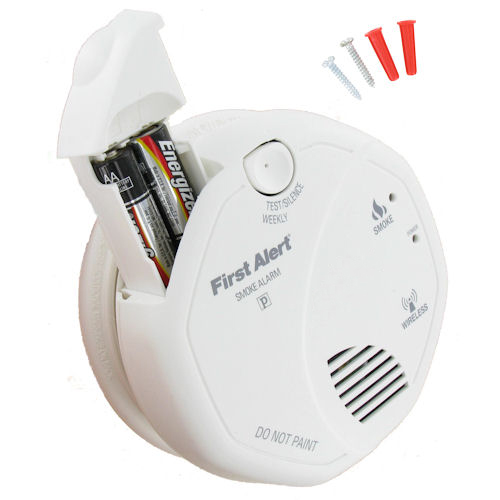
Battery-powered smoke detectors run on replaceable batteries. They are easy to install anywhere in the home. No wiring is needed, making them portable. The batteries must be checked and changed regularly. These models work well in places without electrical wiring.
Hardwired Systems
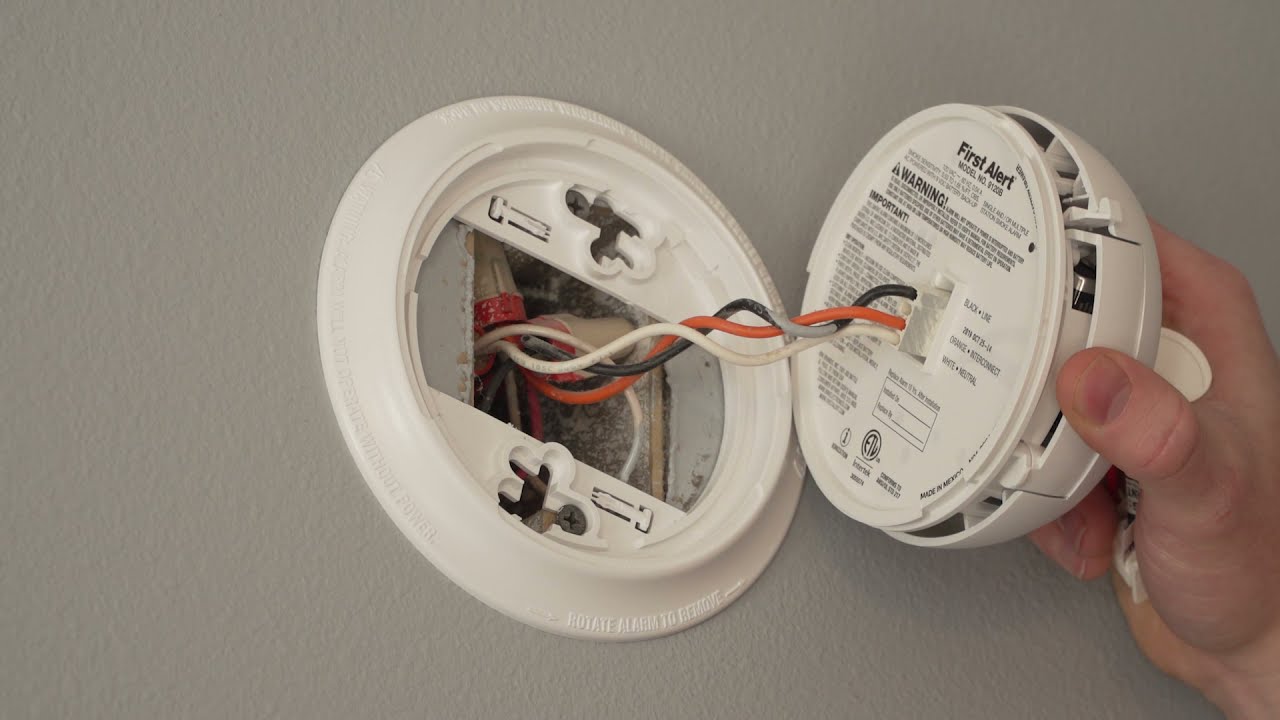
Hardwired smoke detectors connect directly to the house’s electrical system. They often have a battery backup in case of power failure. These systems provide constant power without battery changes. Installation requires professional wiring and is more permanent. They are common in new homes and buildings.
Hybrid Smoke Detectors
Hybrid smoke detectors combine hardwired power with battery backup. They use electricity as the main power source. Batteries take over if the power goes out. This ensures the detector works at all times. Hybrid models offer safety and reliability together.

Credit: www.nfpa.org
Battery Types And Lifespan
Smoke detectors need power to work properly. The battery inside gives them energy to detect smoke and alert you. Different types of batteries can be used. Each type has its own lifespan and features. Knowing these helps you choose the best one for your smoke detector.
Standard Alkaline Batteries
Standard alkaline batteries are common in smoke detectors. They are easy to find and affordable. These batteries usually last about one year. You should replace them every year to keep your detector working well. Alkaline batteries can lose power quickly in cold places. Always check the battery status regularly.
Lithium Batteries
Lithium batteries last longer than alkaline ones. They can power smoke detectors for up to 10 years. These batteries handle temperature changes better. Lithium batteries are more expensive but need less frequent replacement. Many new smoke detectors come with lithium batteries pre-installed. This makes maintenance easier and safer.
Rechargeable Options
Some smoke detectors use rechargeable batteries. These batteries can be charged multiple times. Rechargeable options reduce waste and save money over time. They need a power source for charging, such as USB or solar. Remember to charge them regularly to avoid power loss. Not all smoke detectors support rechargeable batteries, so check first.
Advantages And Drawbacks Of Each Power Source
Smoke detectors use different power sources. Each type has its own benefits and problems. Knowing these helps pick the right one for your home or office. Power sources mainly include batteries, hardwired connections, and a combination of both.
Reliability And Maintenance
Battery-powered smoke detectors work even during power outages. They need regular battery checks and replacements. Dead batteries cause false alarms or no alarm at all. Hardwired detectors connect to home electricity and usually have backup batteries. They need less frequent battery changes but must be checked for wiring issues. Combination models offer more reliability by using home power and a battery backup. Still, batteries need occasional replacement.
Installation Considerations
Battery-powered detectors are easy to install. No wiring is needed, so you can place them anywhere. Hardwired detectors require professional installation. They must be connected to home power and linked with other detectors. This setup is best for new buildings or remodels. Combination detectors need wiring plus battery access for maintenance. Installation can be more complex and costly.
Cost Implications
Battery-only smoke detectors are the cheapest upfront. Costs rise over time due to battery replacements. Hardwired detectors cost more initially due to installation. They may save money long-term with fewer battery replacements. Combination detectors have the highest initial cost. They offer extra safety but need both wiring and battery expenses.
Credit: www.youtube.com
Backup Power Systems
Backup power systems keep smoke detectors working during power outages. They provide safety even when electricity stops. These systems are vital for homes and buildings.
Battery Backup In Hardwired Detectors
Hardwired smoke detectors connect to home electricity. They also have batteries inside. The batteries turn on if power goes out. This keeps the alarm active and ready. The backup battery usually lasts for months or years. It alerts you when it needs replacement.
Importance Of Backup Power
Backup power saves lives by keeping alarms loud. Without backup, detectors stop working in outages. Fires often happen at night or during storms. Backup systems ensure you wake up and stay safe. Always check batteries regularly to avoid failure.
Signs Of Power Issues
Smoke detectors need power to keep your home safe. Power issues can stop them from working properly. Recognizing the signs helps you fix problems fast. This keeps your family protected from fire hazards.
Low Battery Alerts
One common sign is a low battery alert. The detector will beep or flash lights. These alerts happen often to warn you early. Replace the battery as soon as you hear it. Ignoring this alert risks your safety.
Chirping Sounds And What They Mean
Chirping sounds are another warning sign. They usually mean the battery is dying or loose. Sometimes, dust or dirt causes chirping too. Clean the detector and check the battery. Persistent chirping means it’s time for a battery change.
Credit: www.firstalertstore.com
Tips For Maintaining Smoke Detector Power
Maintaining the power of your smoke detector is vital for home safety. A smoke detector without power cannot alert you to danger. Simple steps keep your device working well. These tips help ensure your smoke detector stays powered and ready.
Regular Battery Replacement
Change batteries at least once a year. Some models beep when batteries run low. Don’t ignore these sounds. Use fresh batteries that fit your detector. Remove old batteries carefully to avoid corrosion. Keep spare batteries handy for quick replacement.
Testing And Inspection
Test your smoke detector monthly. Press the test button until the alarm sounds. This confirms the power and function are good. Check for dust or dirt that might block sensors. Clean the device gently with a soft cloth. Replace the unit if it fails tests often.
Upgrading Older Units
Older smoke detectors may lose power reliability. Replace units older than 10 years. New models use better power sources and technology. Some detectors have sealed lithium batteries lasting up to 10 years. Consider upgrading for longer-lasting power and safety.
Innovations In Smoke Detector Power Technology
Smoke detectors have improved a lot in how they get power. New ideas make these devices safer and more reliable. Power sources now last longer and need less care. This means fewer worries about smoke detectors not working.
Solar-powered Detectors
Solar-powered smoke detectors use sunlight to charge their batteries. They work well in places with good light. These detectors save energy and reduce the need to change batteries. Solar power makes them eco-friendly and cost-effective. They keep working even during power outages.
Wireless And Smart Systems
Wireless smoke detectors connect without wires. They use batteries that last longer and are easy to replace. Smart systems send alerts to phones if smoke is detected. This helps people act quickly, even if they are away. These detectors can link with other devices for better home safety.
Frequently Asked Questions
How Do Battery-powered Smoke Detectors Work?
Battery-powered smoke detectors use batteries to supply energy. They detect smoke through sensors and sound an alarm to alert occupants. These detectors are easy to install and work during power outages, but batteries need regular replacement to ensure functionality.
Can Smoke Detectors Be Hardwired Into Home Electricity?
Yes, hardwired smoke detectors connect directly to home electricity. They often include battery backups for power outages. Hardwired models provide continuous power and can interconnect multiple units for simultaneous alerts, enhancing home safety.
What Types Of Batteries Power Smoke Detectors?
Smoke detectors typically use 9-volt or AA lithium batteries. Lithium batteries last longer and perform better in extreme temperatures. Regular battery checks and replacements are essential for reliable smoke detection.
Are There Wireless Smoke Detector Power Options?
Yes, wireless smoke detectors use batteries or rechargeable power sources. They communicate alerts via radio signals to other detectors or central systems. Wireless options offer flexible installation without electrical wiring.
Conclusion
Smoke detectors keep homes safe by alerting us to danger. They use different power sources like batteries, hardwiring, or both together. Batteries need regular checks and changes to work well. Hardwired models connect to home electricity and often have battery backup.
Choosing the right power type helps ensure the detector always works. Remember, a working smoke detector can save lives. Test your alarms monthly to stay protected. Safety starts with simple steps like these. Stay alert. Stay safe.