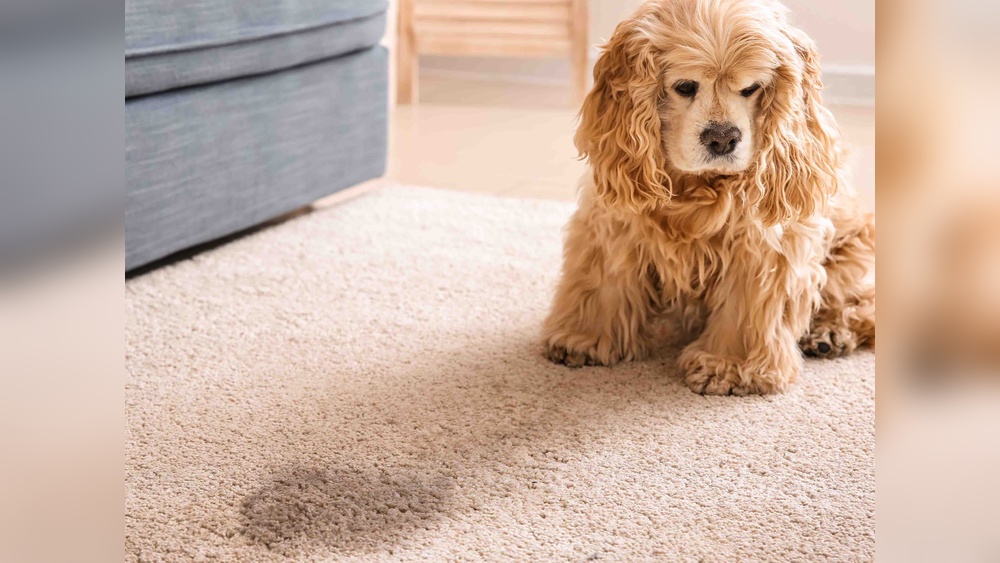

Are you tired of finding unpleasant wet spots on your beautiful rugs? Pets can bring so much joy, but when they start peeing on your carpets, it quickly becomes frustrating.
You want to protect your home without upsetting your furry friend. The good news is, there are simple and effective ways to stop this behavior for good. You’ll discover easy steps you can take right now to keep your rugs clean and fresh.
Keep reading, and say goodbye to those unwanted stains and odors forever!
Causes Of Rug Peeing
Pets peeing on rugs is a common problem many owners face. Understanding why this happens helps solve it faster. Several causes can lead your pet to urinate on rugs. These causes range from health issues to emotional states. Identifying the root cause is key to stopping this behavior effectively.
Medical Issues
Health problems often cause pets to pee in the wrong place. Urinary tract infections make pets feel urgent to urinate. Kidney problems or bladder stones can also cause accidents. Older pets might have incontinence issues. A vet visit is essential to rule out medical causes.
Behavioral Reasons
Pets may pee on rugs due to habits or confusion. Puppies might not be fully trained yet. Older pets might forget their training. Sometimes pets mark areas they see as their own. Poor house training leads to unwanted urination spots.
Marking Territory
Pets use urine to mark their territory. This behavior is common in unneutered males. Females and neutered pets may also mark during stress. Marking is a way to show presence to other animals. It often happens in new or changed environments.
Stress And Anxiety
Stress can cause pets to pee on rugs. Changes like moving or new family members increase anxiety. Loud noises and lack of attention also trigger stress. Pets may pee to feel more secure. Reducing stress helps stop this behavior.
Credit: missamara.com.au
Preventive Measures
Preventive measures are key to stop pets from peeing on rugs. Taking steps early can save your rugs and keep your home fresh. These methods help teach your pet good habits and avoid accidents.
Simple actions make a big difference in pet behavior. Consistency and patience play a big role in success.
Regular Bathroom Schedule
Set a regular bathroom schedule for your pet. Take them outside at the same times every day. This helps pets learn when to go. Puppies and older pets need more frequent trips. Praise your pet after they go outside. This encourages them to use the right spot.
Proper Cleaning Techniques
Clean accidents quickly and well. Use enzyme-based cleaners to remove all smells. Ordinary cleaners may not remove pet odors fully. If the smell stays, pets might pee there again. Avoid ammonia-based cleaners because they smell like urine. Always blot wet spots instead of rubbing. This prevents stains and odor from setting.
Using Repellents
Use pet-safe repellents on rugs to keep pets away. Sprays with natural ingredients are best. Test repellents on a small rug area first. Avoid strong chemicals that harm pets or damage fabric. Repellents create a scent pets dislike but humans barely notice. Reapply repellents after cleaning or as instructions say.
Limiting Access To Rugs
Block off rugs when not supervised. Use baby gates or close doors to limit access. This reduces chances of accidents on rugs. Provide comfortable pet beds or mats as alternatives. Give pets their own space to relax. This helps them avoid rugs as a bathroom spot.
Training Tips
Training your pet to avoid peeing on rugs takes patience and clear steps. It helps create good habits and keeps your home clean. Use simple, consistent methods to guide your pet. Start training early and stay calm during the process.
Positive Reinforcement
Praise your pet when they pee in the right place. Give treats or affection as rewards. This helps your pet learn what behavior is good. Avoid punishment. It can cause fear and confusion.
Crate Training
Use a crate to limit your pet’s space. Pets usually avoid peeing where they sleep. Keep the crate comfortable but not too big. This teaches bladder control and patience. Let your pet out regularly to use the bathroom.
Designated Bathroom Spots
Pick a specific spot for your pet to pee. Take them there often, especially after meals or naps. Use a command like “Go potty” to connect the word with the action. Keep the area clean to encourage repeat visits.
Consistent Commands
Use the same words every time you want your pet to pee outside. Simple commands like “Go potty” work well. Speak clearly and gently. Consistency helps your pet understand what you expect. Repeat commands calmly during training sessions.
Choosing The Right Rugs
Choosing the right rugs can help stop pets from peeing on them. Rugs that suit your pet’s needs and your home can make a big difference. It is important to think about the material, how easy the rug is to clean, and where you place it. These points help protect your floors and keep your pet happy.
Material Considerations
Pick rugs made from synthetic fibers like nylon or polyester. These materials resist stains and dry quickly. Avoid wool or cotton as they soak up liquids fast. Rugs with a low pile are better. They do not trap moisture or smells. A dense weave also helps stop urine from reaching the floor.
Easy-to-clean Options
Choose rugs that clean easily with water and mild soap. Machine-washable rugs save time and effort. Look for rugs with waterproof backing. This prevents urine from seeping through to the floor. Rugs that dry quickly reduce odor and mold growth. This keeps your home fresh and safe for pets.
Rug Placement Strategies
Place rugs away from your pet’s favorite bathroom spots. Use rugs in areas where your pet feels calm. Avoid high-traffic zones where accidents may happen. Consider using mats or runners near doors and pet beds. This protects your floors and guides your pet to the right spots.
When To Consult A Vet
Pets peeing on rugs can be frustrating. Sometimes, this behavior signals health issues. Knowing when to see a vet helps protect your pet’s health and your home. Early vet visits can solve problems faster and prevent damage to your rugs.
Identifying Health Problems
Pets may pee on rugs due to infections or bladder issues. Urinary tract infections cause pain and frequent urination. Kidney problems can also lead to accidents indoors. Your vet will check for these conditions. A proper diagnosis stops the problem at its source.
Behavioral Therapy Options
Some pets pee on rugs due to stress or anxiety. Behavioral therapy can help change this habit. Vets may suggest training or environmental changes. Therapy improves your pet’s comfort and reduces accidents. It builds a better bond between you and your pet.
Medication Possibilities
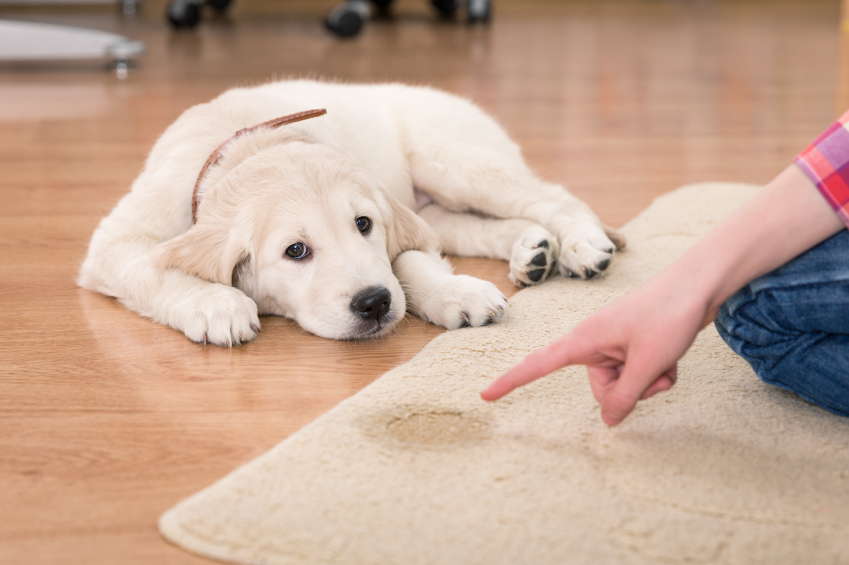
Medication can treat medical causes of indoor peeing. Antibiotics clear infections quickly. Other drugs help control anxiety or hormones. Your vet decides the best medicine for your pet. Proper treatment restores your pet’s health and behavior.
Credit: www.ccfpjamaica.com
:max_bytes(150000):strip_icc()/get-dog-pee-out-of-carpet-6274326-eab8e5c19e9042f1a6a84285274f947b.png)
Credit: www.thespruce.com
Frequently Asked Questions
How Can I Stop My Pet From Peeing On Rugs?
To stop pets from peeing on rugs, clean accidents immediately with enzymatic cleaners. Provide regular bathroom breaks and positive reinforcement for outdoor elimination.
What Are The Best Cleaning Products For Pet Urine On Rugs?
Use enzymatic cleaners specifically designed for pet urine. They break down odors and stains better than regular cleaners, preventing repeat accidents.
Why Does My Pet Pee On Rugs Despite Training?
Pets may pee on rugs due to stress, medical issues, or marking behavior. Consult a vet to rule out health problems and reinforce training consistently.
How Can I Train My Pet To Avoid Rugs?
Use crate training and frequent outdoor potty breaks. Reward your pet with treats and praise when they eliminate outside to reinforce good habits.
Conclusion
Stopping pets from peeing on rugs takes patience and care. Clean accidents quickly to remove smells. Use training pads or take pets outside often. Reward good behavior with treats and praise. Keep rugs clean and dry to discourage marking. Watch your pet’s signals and act fast.
These simple steps help protect your rugs. A happy pet and clean home go hand in hand. Consistency and kindness work best in training. Keep trying, and results will follow.