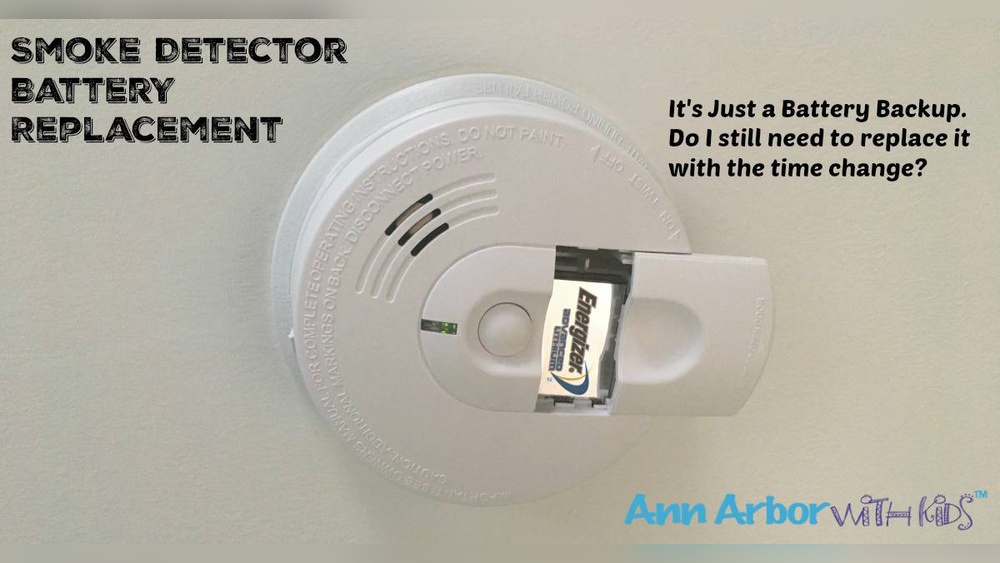

Your smoke detector is your first line of defense against fire, but how often do you actually think about changing its battery? If you’re like many people, it’s easy to forget until that annoying beep starts driving you crazy.
But ignoring this simple task can put your safety at risk. You’ll discover exactly how often you should change your smoke detector battery to keep your home and loved ones safe. Keep reading—your peace of mind depends on it.
Smoke Detector Battery Lifespan
Understanding the lifespan of a smoke detector battery is key to home safety. Batteries power the alarm, alerting you to danger. Knowing how long these batteries last helps prevent unexpected failures. It ensures your smoke detector works when you need it most. Let’s explore what affects battery life and the types used.
Standard Battery Life
Most smoke detector batteries last about one year. Some models use batteries that can last up to ten years. The typical 9-volt battery usually needs changing every 6 to 12 months. Regular battery replacement keeps the alarm reliable. Never wait for the low battery beep to change it.
Factors Affecting Battery Drain
Temperature changes can drain batteries faster. High humidity and cold weather reduce battery life. Frequent testing or alarm false alarms use more power. Older smoke detectors may draw more battery due to wear. Always store spare batteries in a cool, dry place.
Types Of Batteries Used
Smoke detectors mainly use 9-volt or AA batteries. Lithium batteries last longer than alkaline ones. Some detectors come with sealed lithium batteries lasting 10 years. Rechargeable batteries are not recommended. Use the battery type specified by the manufacturer for best results.

Credit: mammothsecurity.com
Signs Battery Needs Replacement
Knowing when a smoke detector battery needs replacement is vital for home safety. Batteries do not last forever. Signs will help you avoid unexpected failures. Watch for clear signals from your device. These signs tell you it’s time to change the battery.
Low Battery Chirping
The most common sign is a chirping sound. This beep repeats every minute or so. It is soft but noticeable. The chirp means the battery is low. Do not ignore this sound. Change the battery promptly to keep your home safe.
Test Button Response
Press the test button regularly. It checks if the detector works well. A weak or no sound means low battery power. Batteries may drain even without chirping. Testing helps catch problems early. Replace the battery if the test fails.
Visual Battery Indicators
Some smoke detectors have lights showing battery status. A blinking red or yellow light can mean low power. Check your device manual for details. Visual signals provide quick battery status. Follow these signs to ensure your detector works properly.
Recommended Replacement Schedule
Knowing the recommended replacement schedule helps keep smoke detectors working well. Smoke detectors save lives by alerting you to fire early. Regular checks and timely battery changes ensure they do not fail. Follow these simple steps to maintain your smoke detectors.
Monthly Testing
Test your smoke detector every month. Press the test button until the alarm sounds. This check confirms the battery and alarm are working. If the alarm does not sound, replace the battery immediately. Monthly testing keeps your home safe from unnoticed fires.
Annual Battery Change
Change the battery at least once a year. Even if the alarm sounds fine, old batteries can fail anytime. Use a fresh, high-quality battery for best results. Mark your calendar to remember the annual change. This step prevents sudden battery drain and false alarms.
Complete Detector Replacement Timeline
Replace the entire smoke detector every 10 years. Over time, sensors lose sensitivity and may not detect smoke well. Check the manufacture date on your detector to track its age. A new detector ensures reliable smoke detection and better safety for your home.

Credit: blacksburgfire.org
Battery Replacement Tips
Changing smoke detector batteries is simple but important. Proper care helps keep your home safe. Use the right battery, follow safe steps, and dispose of old batteries correctly. These tips make the process easy and safe for everyone.
Choosing The Right Battery
Pick batteries that match your smoke detector’s model. Most use 9-volt or AA batteries. Check the user manual or the old battery for the correct type. Use high-quality batteries for longer life. Avoid cheap or expired batteries to prevent failures.
Safe Replacement Steps
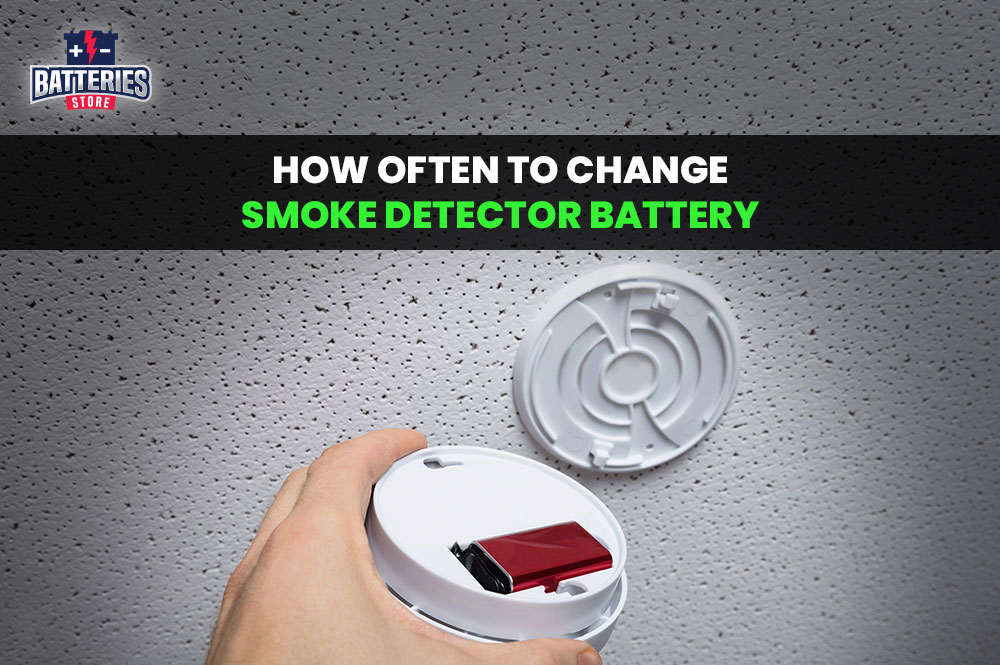
Turn off the power to the smoke detector before starting. Remove the old battery carefully. Place the new battery in the correct position, matching the plus and minus signs. Test the detector by pressing the test button. Close the cover and restore power. Regular checks keep your detector working well.
Disposing Of Old Batteries
Do not throw old batteries in the trash. They contain harmful chemicals. Take them to a recycling center or a hazardous waste collection site. Many stores have battery recycling bins. Proper disposal protects the environment and keeps your home safe.
Advanced Smoke Detector Options
Advanced smoke detector options offer improved safety and convenience. These devices reduce the need for frequent battery changes. They include features that help keep your home secure with less hassle.
Long-life Batteries
Some smoke detectors use long-life batteries that can last up to 10 years. This means fewer battery replacements and less chance of your detector failing. These batteries save time and effort. They provide reliable protection over many years.
Hardwired Detectors With Battery Backup
Hardwired smoke detectors connect directly to your home’s power. They also have a battery backup for power outages. This combination ensures the alarm works even during blackouts. The battery backup needs to be checked and changed regularly. This setup provides constant protection.
Smart Smoke Detectors
Smart smoke detectors connect to Wi-Fi and your smartphone. They send alerts if smoke or fire is detected. Some models test themselves and notify you if batteries are low. This reduces worry and keeps you informed. Smart detectors offer modern safety features for peace of mind.
Common Mistakes To Avoid
Many people make simple mistakes with smoke detector batteries. These errors can cause the alarm to fail when needed most. Avoiding common pitfalls keeps your home safe and your device working well.
Ignoring Warning Signals
Smoke detectors give warning beeps when batteries run low. Some ignore these sounds or silence the alarm without changing the battery. This mistake risks your safety by letting the battery die completely. Always respond quickly to warning signals.
Using Expired Batteries
Expired batteries may look fine but lose power fast. Using old batteries reduces the alarm’s reliability. Check the expiration date on each battery before installing it. Fresh batteries keep your smoke detector ready to alert you.
Delaying Regular Testing
Testing your smoke detector often ensures it works properly. Many delay or forget this simple step. A quick test every month catches problems early. Don’t wait for a real emergency to find out the alarm fails.
Enhancing Home Fire Safety
Enhancing home fire safety starts with more than just changing smoke detector batteries. It involves a full approach to protect your family and property. Smoke detectors save lives by giving early warnings. Regular maintenance and smart placement are key.
Check smoke detectors monthly and replace batteries at least once a year. This habit keeps alarms working when you need them most. Combine smoke detectors with other safety measures for the best protection.
Installing Multiple Detectors
Place smoke detectors in every bedroom, hallway, and living area. Multiple detectors ensure early detection anywhere in the home. Connect alarms so they all sound together for faster alerts. Test each detector regularly to confirm it works well.
Coordinating With Carbon Monoxide Alarms
Carbon monoxide is a silent, deadly gas. Install carbon monoxide alarms near sleeping areas. Use both smoke and carbon monoxide alarms to cover all risks. Check batteries and sensors on both devices frequently. This coordination creates a safer home environment.
Developing An Emergency Plan
Create a clear fire escape plan for your family. Practice the plan twice a year, so everyone knows what to do. Identify two ways out of each room. Choose a safe meeting spot outside the house. Plans save time and lives during emergencies.
Credit: batteriesstore.ca
Frequently Asked Questions
How Often Should I Change Smoke Detector Batteries?
Replace smoke detector batteries at least once every year. Some experts suggest doing it during daylight saving time changes for convenience. Regular replacement ensures your detector works effectively and keeps your home safe from fire hazards.
What Are The Signs Of A Weak Smoke Detector Battery?
A weak battery causes the smoke detector to beep intermittently. The detector may also fail to sound during tests. If you hear these warning chirps, replace the battery immediately to maintain safety.
Can I Use Rechargeable Batteries In Smoke Detectors?
Rechargeable batteries are not recommended for smoke detectors. They can lose charge quickly and cause unreliable detector performance. Use only the battery types specified by the manufacturer for optimal safety.
Is It Necessary To Replace Batteries In All Smoke Detectors Annually?
Yes, replacing batteries annually in all smoke detectors is crucial. Even if detectors seem fine, old batteries may fail unexpectedly. Consistent maintenance helps prevent fire risks and ensures early warning in emergencies.
Conclusion
Changing your smoke detector battery every year keeps your home safe. Test the alarm monthly to ensure it works well. Replace batteries right away if the alarm beeps or chirps. Using fresh batteries helps avoid false alarms and failures. Stay alert and maintain your detectors for peace of mind.
Regular care protects your family from fire dangers. Don’t forget—small steps make a big difference in safety.