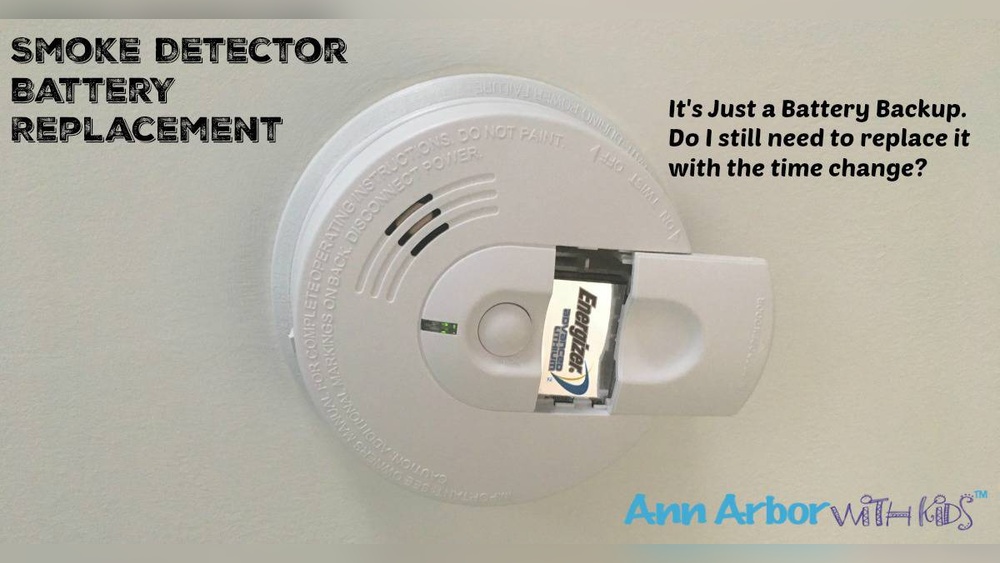

Have you ever wondered how long your smoke detector batteries should really last? It’s a simple question, but the answer can make a huge difference in keeping your home and loved ones safe.
If your batteries die too soon or last way longer than expected, you might be at risk without even knowing it. You’ll discover the ideal battery lifespan for smoke detectors, how to tell when it’s time to replace them, and easy tips to keep your alarms working perfectly.
Keep reading—your safety depends on it.
Credit: structuretech.com
Smoke Detector Battery Types
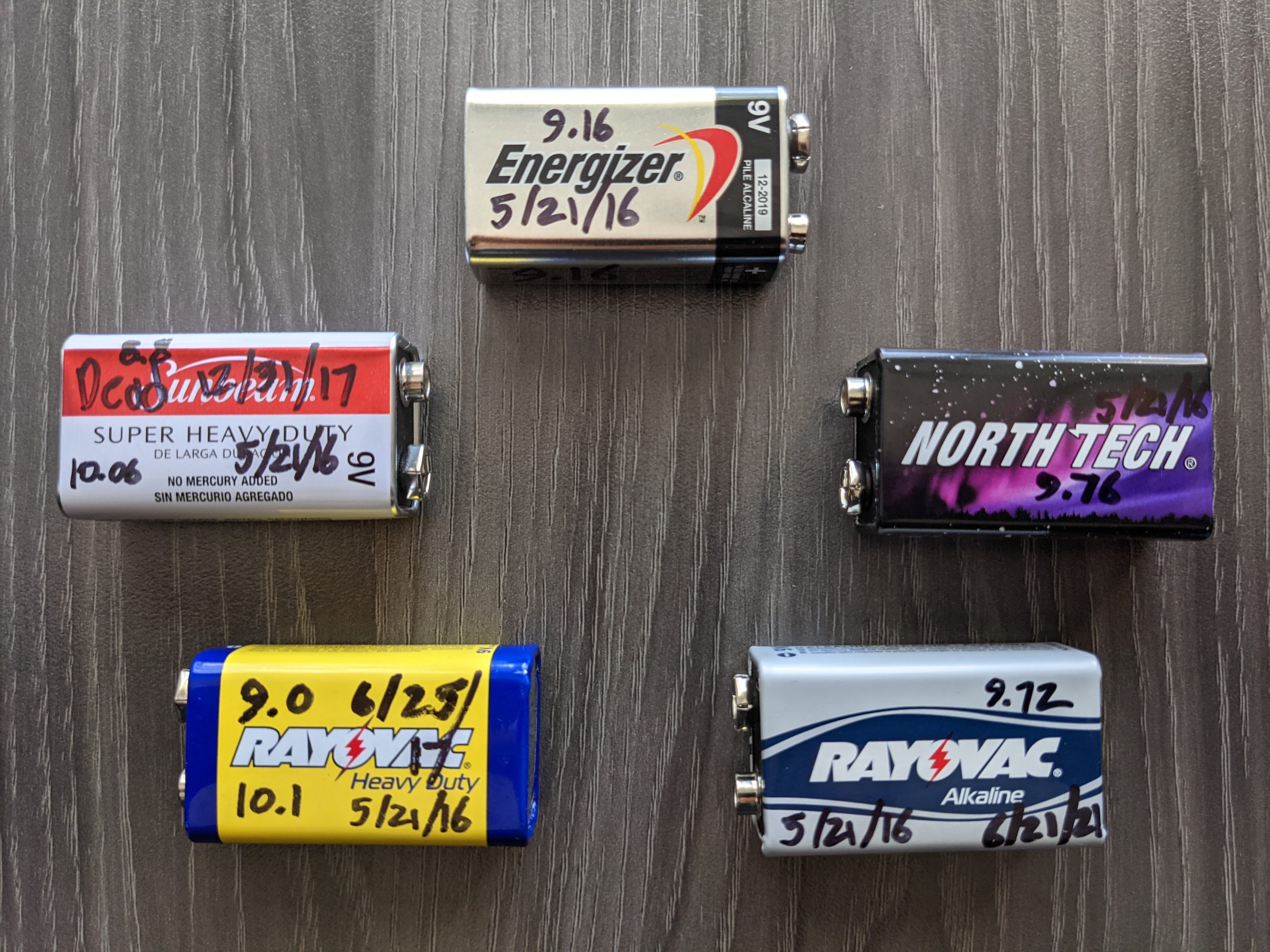
Smoke detector batteries come in different types. Each type has its own life span and cost. Knowing these types helps you choose the best battery for your smoke detector. This keeps your home safe and your detector working well.
Standard Alkaline Batteries
Standard alkaline batteries are the most common choice. They are easy to find and cost less. These batteries usually last about 6 to 12 months in smoke detectors. You need to replace them regularly to keep the detector active. They work well but may lose power faster in cold places.
Lithium Batteries
Lithium batteries last much longer than alkaline ones. They can power smoke detectors for up to 10 years. This matches the life span of many smoke detectors. Lithium batteries work well in extreme temperatures. They cost more but need fewer replacements, saving time and effort.
Rechargeable Options
Rechargeable batteries are another option for smoke detectors. They can be used many times after recharging. These batteries help reduce waste and cost over time. However, smoke detectors using rechargeable batteries need special charging setups. They may not last as long without regular charging.
Average Battery Lifespan
Understanding how long smoke detector batteries last helps keep your home safe. The average battery lifespan depends on battery type and usage. Knowing these details ensures you replace batteries at the right time. It also prevents unexpected power failures in your smoke detector.
Typical Duration For Alkaline Batteries
Alkaline batteries are common in many smoke detectors. They usually last about 6 to 12 months. Regular testing helps check if the battery still works well. Alkaline batteries are cost-effective and easy to find. Still, they may lose power faster with frequent alarms.
Longevity Of Lithium Batteries
Lithium batteries last much longer than alkaline ones. Their typical lifespan ranges from 7 to 10 years. Many smoke detectors come with lithium batteries pre-installed. These batteries reduce the need for frequent changes. They perform well in extreme temperatures too.
Factors Affecting Battery Life
Battery life depends on more than just battery type. Frequent alarm tests use more battery power. High humidity or temperature can shorten battery life. Older smoke detectors may drain batteries faster. Proper maintenance and timely replacement help extend battery life.
Signs Of Battery Wear
Smoke detectors rely on batteries to keep you safe. Over time, these batteries lose power. Knowing the signs of battery wear helps avoid risks. It ensures your smoke detector works when you need it most.
Watch for clear signals that the battery is weak. Acting early can prevent dangerous situations.
Low Battery Chirping
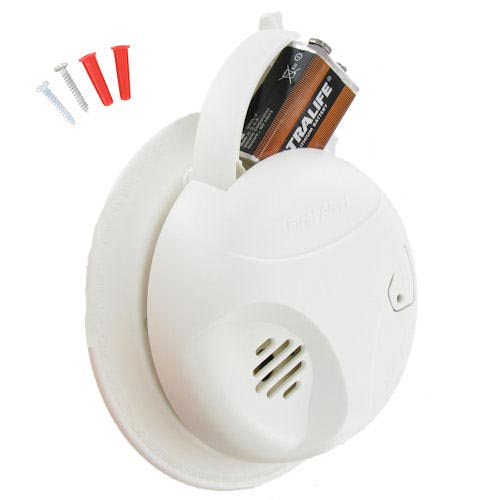
A smoke detector with a dying battery often makes a chirping sound. This noise is short and repeats every minute or so. It alerts you to replace the battery soon. Ignoring this sound puts your home at risk.
Frequent False Alarms
Weak batteries can cause smoke detectors to beep without smoke. These false alarms disturb your peace and cause confusion. They may also make you ignore real dangers. Replace batteries to keep alarms accurate and reliable.
Decreased Detector Sensitivity
Old batteries reduce a detector’s ability to sense smoke. This delay in response can be dangerous during a fire. The alarm might not sound quickly enough. Fresh batteries ensure the detector works at full strength.
Credit: www.firstalertstore.com
Battery Replacement Frequency
Knowing how often to replace smoke detector batteries is vital for home safety. Batteries lose power over time. This can cause alarms to fail when needed most. Regular replacement keeps detectors working well.
Recommended Replacement Intervals
Most experts suggest changing batteries once a year. This rule applies to standard 9-volt or AA batteries. Some smoke detectors use long-life lithium batteries. These can last up to 10 years without changes. Always check the manufacturer’s advice for your model.
Impact Of Environmental Conditions
Heat, humidity, and dust affect battery life. High temperatures drain batteries faster. Humid rooms can cause corrosion on battery contacts. Dust buildup may block sensors and reduce power. Keep detectors clean and in dry places to extend battery life.
Smart Detectors And Battery Alerts
Smart smoke detectors send alerts to phones. They notify users when battery power is low. These detectors often have rechargeable or long-life batteries. Alerts help avoid dead batteries and missed alarms. Smart features add extra peace of mind.
Extending Battery Life
Extending the battery life of your smoke detector helps keep your home safe longer. It reduces the need for frequent battery changes and ensures the alarm works when needed. Simple steps can make a big difference in how long the batteries last.
Regular Maintenance Tips
Check your smoke detector batteries every month. Remove dust and dirt from the device to prevent false alarms. Test the alarm sound regularly to confirm it works. Replace batteries immediately if the alarm chirps or shows a low battery warning.
Proper Installation Practices
Install smoke detectors away from heat and humidity. Avoid placing them near windows or vents. Mount detectors on the ceiling or high on a wall for best results. Follow the manufacturer’s instructions carefully to ensure proper function.
Using High-quality Batteries
Choose batteries from trusted brands with good reviews. Avoid cheap or old batteries that may fail quickly. Consider lithium batteries, which last longer than alkaline ones. Store spare batteries in a cool, dry place until needed.

Credit: www.x-sense.com
Battery Disposal And Safety
Proper battery disposal is important for safety and the environment. Smoke detector batteries contain chemicals that can harm if not handled correctly. Knowing how to remove and dispose of batteries safely protects your home and nature.
Safe Removal Procedures
Turn off the smoke detector before removing the battery. Use your fingers to gently pull out the battery. Avoid using sharp tools that can damage the battery or detector. Place the battery in a container to prevent leaks or spills. Wash your hands after handling batteries to avoid contact with harmful substances.
Recycling Guidelines
Many communities offer battery recycling programs. Check local facilities for battery drop-off points. Do not throw batteries in regular trash bins. Recycling keeps toxic materials out of landfills. It helps recover valuable metals and reduces pollution.
Avoiding Common Hazards
Do not burn or crush old batteries. This can release dangerous chemicals and cause fires. Keep batteries away from children and pets. Store batteries in a cool, dry place before disposal. Always handle batteries with care to prevent leaks and accidents.
Frequently Asked Questions
How Long Do Smoke Detector Batteries Typically Last?
Smoke detector batteries usually last between 6 months to 1 year. Some advanced models have lithium batteries lasting up to 10 years. Regular testing and replacement ensure reliable performance and safety in your home.
When Should You Replace Smoke Detector Batteries?
Replace smoke detector batteries immediately if the alarm beeps or chirps. Also, change batteries at least once every year for standard units. For 10-year battery detectors, replace the entire unit after a decade.
Can Expired Batteries Cause Smoke Detector Failure?
Yes, expired batteries can cause smoke detectors to fail or give false alarms. Always use fresh, high-quality batteries and check expiration dates. Regular maintenance prevents malfunctions and enhances fire safety.
Are Lithium Batteries Better For Smoke Detectors?
Lithium batteries last significantly longer than alkaline ones, often up to 10 years. They perform better in extreme temperatures and reduce frequent replacements. Lithium batteries are ideal for long-term smoke detector reliability.
Conclusion
Smoke detector batteries usually last about one year. Check them every month to stay safe. Replace batteries right away if the alarm beeps. Using fresh batteries keeps your home protected. Don’t wait for the battery to die completely. Safety depends on working smoke detectors.
A small effort can save lives. Stay alert and keep batteries fresh. Your home will be safer this way. Simple steps prevent bigger problems later.