
Choosing the right wire for your video doorbell can make all the difference between clear, reliable performance and frustrating connection issues. You might think any wire will do, but the truth is, the type of wire you pick affects your doorbell’s power, video quality, and overall lifespan.
If you want your video doorbell to work smoothly every time someone rings, you need to know exactly what kind of wire suits your setup. Keep reading to discover the simple, practical advice that will save you time, money, and headaches.
Types Of Wires For Video Doorbells
Choosing the right wire is key for a video doorbell to work well. Wires carry power and data between your doorbell and the home system. Different wires suit different doorbell models and setups. Knowing wire types helps pick the best one for your needs.
Wire type affects safety, performance, and ease of installation. It also impacts how long your video doorbell lasts without problems. This guide breaks down common wire types and what each means for your device.
Low Voltage Vs High Voltage Wires
Video doorbells mostly use low voltage wires. These wires carry less than 30 volts. Low voltage wires are safer and easier to install. They reduce the risk of electric shock and damage.
High voltage wires carry more than 120 volts. They are not common for video doorbells. Using high voltage wires can harm your doorbell and pose safety risks. Always check your doorbell’s voltage needs before wiring.
Common Wire Gauges
Wire gauge means the thickness of the wire. It affects how much power the wire can carry. Common gauges for video doorbells are 18 and 20 gauge. Thicker wires (lower gauge number) handle power better over longer distances.
Using the correct gauge prevents power loss and ensures stable doorbell function. Thin wires may cause your doorbell to flicker or not work at all. Match wire gauge to your doorbell and wiring distance.
Copper Vs Aluminum Wire
Copper wires are the best choice for video doorbells. They conduct electricity well and resist corrosion. Copper wires last longer and provide steady power flow.
Aluminum wires are cheaper but less reliable. They corrode faster and can cause poor connections. Avoid aluminum wire for your video doorbell if possible. Copper wire ensures better performance and safety.
Credit: www.amazon.com
Choosing The Right Wire Gauge
Choosing the right wire gauge is important for your video doorbell. The wire gauge affects the power and signal your doorbell receives. Using the correct gauge ensures the doorbell works well without interruptions. The wire gauge means the thickness of the wire. Thicker wires carry power better over longer distances.
Impact Of Wire Gauge On Performance
Wire gauge changes the electrical flow. A thin wire can cause power loss. This makes the doorbell weak or stop working. Thicker wires reduce resistance. This helps the doorbell get steady power. Poor wire gauge can cause flickering or slow video. Using the right gauge keeps the doorbell stable and clear.
Recommended Wire Gauge For Video Doorbells
Most video doorbells work well with 18 or 20 gauge wire. These sizes balance power and ease of use. For longer wire runs, 16 gauge may be better. Thicker wire keeps power strong over distance. Always check the doorbell’s manual for wire specs. Using the right gauge protects your doorbell and improves performance.
Wire Materials And Their Benefits
Choosing the right wire material for a video doorbell matters a lot. The wire affects how well your doorbell works and how long it lasts. Different materials offer different strengths. Some wires carry electricity better, while others resist damage better. Understanding these materials helps pick the best wire for your needs.
Durability And Conductivity
Copper is a popular wire material for video doorbells. It conducts electricity very well. This means the doorbell gets steady power without loss. Copper wires also handle bending and twisting without breaking easily. This durability keeps your doorbell working longer, even outdoors.
Aluminum wires are lighter but less conductive than copper. They cost less but may not last as long. For best results, copper wires are usually preferred for video doorbell installations.
Corrosion Resistance
Wires face moisture and weather changes outside. Corrosion can damage wires and stop power flow. Copper resists corrosion better than aluminum. It forms a protective layer that slows rusting. Some wires have coatings like PVC or Teflon to block water and air. These coatings add extra protection and extend wire life.
Choosing corrosion-resistant wire prevents future problems. It keeps your video doorbell powered and reliable for years.
Length And Placement Considerations
Choosing the right wire length and placement is important for a video doorbell. The wire must be long enough to reach from the doorbell to the power source. Poor placement or too long a wire can cause signal problems or damage.
Maximum Wire Length For Optimal Signal
Wire length affects the video doorbell’s signal strength. Most manufacturers suggest a maximum length of 100 feet for the wire. Longer wires can cause voltage drops and poor video quality. Keep the wire as short as possible to avoid issues. Use thicker wires for longer distances to reduce power loss.
Routing Wire For Safety And Aesthetics
Plan the wire route carefully for safety and looks. Avoid sharp bends or tight corners in the wire path. Place wires away from heat sources and water to prevent damage. Use wire clips or conduits to keep the wire neat and secure. Hiding wires inside walls or baseboards improves home appearance. Protect wires from pets or outdoor elements to extend their life.
Installation Tips For Wiring
Installing wiring for a video doorbell needs care and attention. Proper wiring ensures your doorbell works well and lasts long.
This section shares simple tips to guide you through the wiring process. Follow these steps to avoid common problems and make your installation smooth.
Tools Needed For Installation
Gather all tools before starting. You will need a screwdriver to open the doorbell casing.
A wire stripper helps remove the insulation from the wire ends. A voltage tester checks if power is off.
Electrical tape secures wire connections. A drill may be necessary to make holes for mounting.
Ensuring Proper Connections
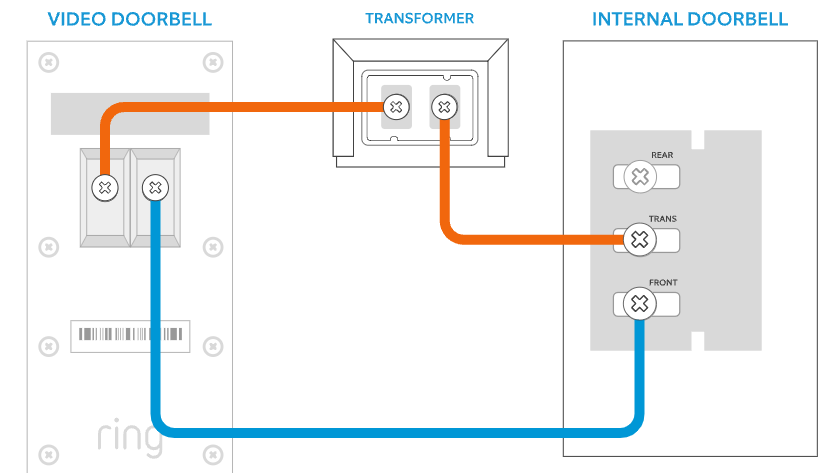
Match the wire colors to the doorbell terminals correctly. Usually, red and white wires are used.
Strip about half an inch of insulation from each wire end. This allows a good metal-to-metal connection.
Tighten terminal screws firmly to hold wires in place. Loose connections cause poor performance or failure.
Wrap any exposed wire with electrical tape to prevent shorts. Double-check all connections before powering on.
Avoiding Common Wiring Mistakes
Do not connect wires while power is on. This can cause shocks or damage the device.
Avoid using old or damaged wires. They may not carry power well or could cause shorts.
Do not mix wire gauges. Use wires of the same thickness for safety and efficiency.
Make sure wires are not pinched or bent sharply. This can break them inside the insulation.
Credit: ring.com
Compatibility With Existing Systems
Choosing the right wire for a video doorbell depends a lot on how it fits with your current system. Compatibility with existing systems makes installation smoother and avoids extra costs. Knowing what your system needs helps pick the best wire type.
Checking Transformer Requirements
Video doorbells need power from a transformer. The transformer must match the doorbell’s voltage and power needs. Most video doorbells use 16 to 24 volts AC. Check your transformer’s output before starting. Using the wrong transformer can cause the doorbell to fail or work poorly.
Some transformers may not provide enough power for video features. Look for one that supports continuous power. This ensures your doorbell stays on and records video without interruption. If your transformer does not match, you may need to replace it.
Integrating With Existing Doorbell Wiring
Most homes have low-voltage doorbell wiring in place. This wiring usually uses 18 or 20 gauge wire. These sizes work well for video doorbells too. Using existing wiring saves time and money during installation.
Check the wiring condition before connecting your new doorbell. Old or damaged wires can cause connection problems. Make sure wires are firmly connected to terminals. Proper wiring helps your video doorbell function correctly.
Safety Precautions
Safety is very important when installing a video doorbell. Working with wires and electricity can be risky. Taking the right steps helps avoid accidents and keeps your home safe. Follow these safety tips closely during installation.
Handling Electrical Components
Always turn off the power before touching wires. Use insulated tools to avoid electric shock. Wear gloves to protect your hands. Check the wire ends for damage before connecting. Keep wires dry and away from water. Never pull wires hard or bend them sharply. Treat every wire as if it is live.
Preventing Short Circuits And Damage
Use the correct wire type and size for your doorbell. Secure wires with clips or ties to stop movement. Avoid placing wires near metal objects that may cause shorts. Check connections twice to ensure they are tight and correct. Cover exposed wires with electrical tape. Test the system after installation to confirm safety.
:strip_icc()/BHG-how-to-install-video-doorbell-6833360-part-01-step-05_30445-c97141832b6541158a12194e97fccded.jpg)
Credit: www.esseg.eu
Frequently Asked Questions
What Gauge Wire Is Best For Video Doorbells?
For video doorbells, 18-22 gauge wire is ideal. It ensures reliable power and clear signal transmission. Thicker wires like 16 gauge can also work but are less flexible for installation.
Can I Use Existing Doorbell Wiring For Video Doorbells?
Yes, most video doorbells work with existing doorbell wires. Ensure the wires provide 16-24 volts AC power for compatibility and proper function.
Is Low Voltage Wire Suitable For Video Doorbell Installation?
Low voltage wire, typically 18-22 gauge, is perfect for video doorbells. It safely carries the necessary power without overheating or signal loss.
How Long Can Video Doorbell Wires Be?
Wires up to 100 feet are generally fine without power loss. Longer distances may require thicker wire or a power booster for optimal performance.
Conclusion
Choosing the right wire helps your video doorbell work well and last longer. Use wires with the right voltage and thickness to avoid problems. Copper wires often carry signals clearly and safely. Keep wire length short to maintain strong connection.
Proper wiring makes installation easier and keeps your doorbell running smoothly. Remember, simple and correct wiring saves time and frustration. This small step ensures your home stays safe and connected every day.