
If your pet door flap feels stiff or hard to push, it can be frustrating for both you and your furry friend. You want your pet to come and go easily, but a tough flap might be holding them back.
What if you could make that flap softer, more flexible, and easier to use without spending a lot of money or effort? You’ll discover simple, effective ways to soften your pet door flap so your pet can enjoy their freedom comfortably.
Keep reading to find out how to make this small change that makes a big difference for your pet’s daily routine.
Causes Of Stiff Pet Door Flaps
Stiff pet door flaps can make it hard for pets to go in and out freely. Understanding why flaps become stiff helps fix the problem faster. Several common causes lead to this issue. Knowing them keeps your pet door working smoothly.
Material Wear And Tear
Pet door flaps face constant use. Over time, the material weakens and hardens. Rubber and plastic flaps lose their softness. This causes stiffness and cracks. Regular use wears out the flexible parts.
Weather Effects
Sun, cold, and rain affect pet door flaps a lot. Sunlight can dry out the flap material. Cold weather makes it hard and brittle. Rain and moisture cause swelling or sticking. Changing weather conditions cause flap stiffness.
Dirt And Debris Build-up
Dirt, dust, and leaves gather around the flap edges. This buildup blocks smooth movement. Debris traps moisture and causes sticking. Regular cleaning prevents grime from making flaps stiff. Dirt buildup is a common stiffness reason.
Choosing The Right Softening Products
Choosing the right product to soften your pet door flap is important. The wrong product can damage the flap or be unsafe for your pet. Use products that keep the flap soft and flexible. The right product makes your pet’s door easier to use. It also lasts longer. Here are some options to consider.
Silicone-based Sprays
Silicone-based sprays work well to soften plastic and rubber flaps. They create a smooth, flexible surface. These sprays do not attract dirt or dust. Silicone sprays also protect the flap from cracking. Apply a small amount and wipe off the excess. Repeat as needed for best results.
Lubricants Safe For Pets
Choose lubricants that are safe for pets to avoid health risks. Look for products labeled non-toxic and pet-friendly. These lubricants reduce stiffness without harmful chemicals. Apply sparingly on the edges of the flap. This keeps your pet safe while making the flap soft.
Household Alternatives
Some household items can soften pet door flaps gently. Coconut oil and olive oil are natural choices. Rub a small amount on the flap’s surface. Avoid using harsh chemicals like WD-40 or grease. These can harm your pet or damage the flap material.
Step-by-step Softening Process
Softening pet door flaps improves your pet’s comfort and prolongs the flap’s life. This process requires care and simple steps. Follow the guide below for best results.
Cleaning The Flap Thoroughly
Start by removing dirt and dust from the flap. Use a damp cloth and mild soap. Wipe both sides carefully. Let the flap dry completely before moving on. Clean surfaces help lubricants work better.
Applying Lubricants Correctly
Choose a pet-safe lubricant like silicone spray or petroleum jelly. Apply a small amount to the edges and hinges. Spread evenly with a soft cloth. Avoid using too much to prevent mess or slipping. This step reduces stiffness.
Testing And Adjusting
After applying lubricant, test the flap by opening and closing it several times. Notice if it moves smoothly without noise. If still stiff, add a little more lubricant. Repeat cleaning and lubrication if needed. Adjust until the flap feels soft and easy to use.

Credit: www.walmart.com
Maintenance Tips For Long-lasting Flap Softness
Maintaining the softness of pet door flaps helps your pet move comfortably. It also extends the flap’s life. Soft flaps stay flexible and easy to open. Follow simple tips to keep the flap soft for a long time.
Regular Cleaning Schedule
Clean the flap every week to remove dirt and dust. Use a mild soap and warm water. Wipe gently with a soft cloth. Avoid harsh chemicals that can dry the flap. Dry it completely before your pet uses it again.
Seasonal Care
Weather changes can make the flap stiff or brittle. In cold months, warm the flap with a cloth before use. During hot seasons, keep the flap shaded to avoid cracking. Store the flap indoors if extreme weather is expected.
Inspecting For Damage
Check the flap regularly for tears or cracks. Small damages can grow bigger if ignored. Repair minor tears with strong tape or patch kits. Replace the flap if damage is severe to keep it soft and safe.
Additional Ways To Reduce Noise
Pet door flaps can be noisy and disruptive. Softening the flap helps, but other ways reduce noise too. These methods keep your home quieter and your pet happy.
Adding Weather Stripping
Weather stripping adds a soft barrier around the flap edges. It cushions the flap when it moves. This reduces sharp sounds and stops drafts. Use foam or rubber strips for best results. Attach them carefully for a snug fit.
Using Flap Covers
Flap covers are made from soft fabric or silicone. They wrap around the flap to soften noise. Covers also protect the flap from wear and tear. Choose covers that fit well and are easy to clean. This helps keep the flap quiet and durable.
Repositioning The Door
Sometimes, moving the pet door reduces noise. Place it away from hard surfaces that echo sound. Choose a spot with soft walls or carpets nearby. This cuts down flap sounds inside your home. A small change can make a big difference.

Credit: www.ebay.com

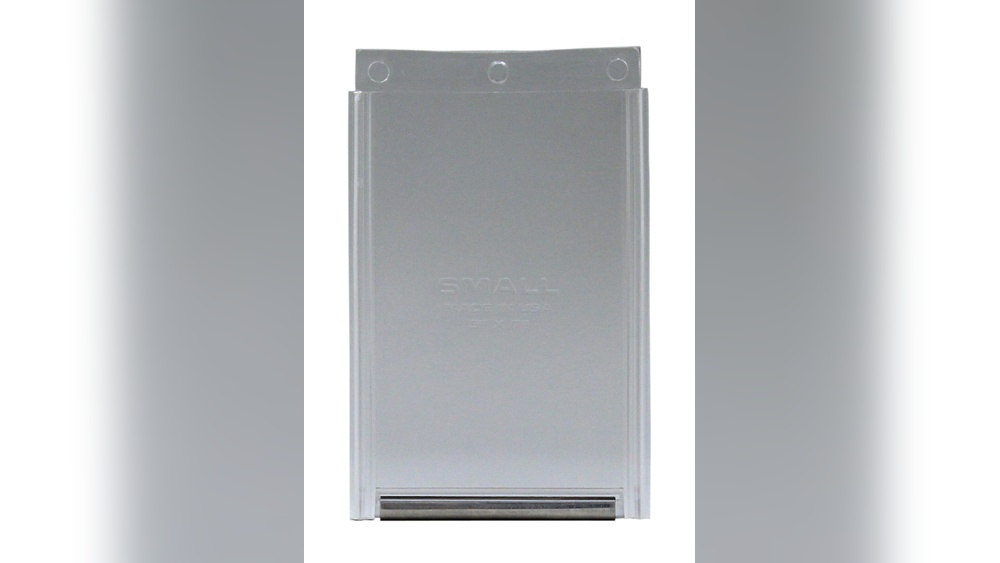
Credit: www.idealpetproducts.com
Frequently Asked Questions
How Can I Soften A Stiff Pet Door Flap?
To soften a stiff pet door flap, apply silicone lubricant or warm it gently with a hairdryer. Regular cleaning and flexibility exercises also help maintain softness and ease of use for your pet.
What Materials Help Soften Pet Door Flaps Effectively?
Silicone spray, rubber conditioner, and mild soap with warm water work well to soften pet door flaps. These materials keep the flap flexible without causing damage or sticky residue.
How Often Should I Soften My Pet Door Flap?
Softening your pet door flap every 3 to 6 months ensures it remains flexible. More frequent treatment may be needed in harsh weather or with heavy use.
Can Temperature Affect The Stiffness Of Pet Door Flaps?
Yes, cold temperatures can make pet door flaps stiff and hard to use. Warming the flap slightly can restore softness and flexibility quickly.
Conclusion
Softening pet door flaps makes going outside easier for pets. Use gentle materials and simple fixes to avoid loud noises. Check the flap often to keep it soft and flexible. Small changes help pets feel more comfortable and safe. A soft flap lets pets come and go without stress.
Try these tips today for a happier pet door experience.