Have you ever wondered how long your smoke detectors should actually last? You rely on them to keep your home and loved ones safe, but do you know when it’s time to replace them?
Using smoke detectors past their prime can put you at risk without you even realizing it. You’ll discover exactly how long smoke detectors last, why their lifespan matters, and simple tips to make sure yours are always ready to protect you.
Keep reading to find out how to stay one step ahead when it comes to fire safety.
Credit: support.firstalert.com
Smoke Detector Types
Smoke detectors come in different types. Each type works in a unique way to detect smoke. Knowing these types helps you choose the right one for your home.
Some detectors sense fast flames, while others detect slow, smoldering fires. Certain models combine these features for better safety.
Ionization Smoke Detectors
Ionization smoke detectors sense small smoke particles. They work well for fast, flaming fires. These detectors use a small amount of radioactive material. It helps detect sudden smoke changes quickly. They are common and usually less expensive.
Photoelectric Smoke Detectors
Photoelectric smoke detectors detect larger smoke particles. They are better at sensing slow, smoldering fires. These detectors use a light source inside the unit. Smoke blocks the light, triggering the alarm. They reduce false alarms from cooking or steam.
Combination Smoke Detectors
Combination smoke detectors have both ionization and photoelectric sensors. They offer broad protection from many fire types. These models are ideal for home safety. They often last longer and give early warnings. Combination detectors reduce the chance of missing a fire.
Typical Lifespan
Smoke detectors do not last forever. They have a certain lifespan that keeps you safe. Knowing how long they work helps you replace them on time. This ensures your home stays protected from fire risks.
Manufacturer Recommendations
Most smoke detector makers suggest replacing the device every 10 years. This is the average time a smoke detector works well. After 10 years, sensors can weaken and give false alarms. Some models may last less or more, but 10 years is common advice.
Check the label on your smoke detector for exact info. The manufacture date is often printed on the back. Use this date to track when to get a new one. Following the maker’s advice keeps your safety device reliable.
Battery Life Versus Device Life
Battery life and device life are not the same. Batteries usually last 6 months to 1 year. You must change batteries regularly to keep the alarm working. Even with new batteries, the smoke detector itself wears out.
Replacing batteries does not extend the device’s lifespan. The device’s sensors age and fail over time. Change batteries often. Replace the whole smoke detector after 10 years for best safety.
Signs To Replace Smoke Detectors
Smoke detectors are vital for home safety. Knowing when to replace them keeps your family safe. Some signs clearly show it’s time for a new smoke detector. Watch for these warning signals.
Frequent False Alarms
Smoke detectors that often beep without reason may be failing. Dust, insects, or old sensors cause false alarms. A detector that alarms too much can lose trust. Replace it to avoid ignoring real dangers.
Failure To Sound
Test your smoke detector regularly. Press the test button to hear the alarm. No sound means the detector might not work during a fire. Never ignore a silent smoke detector. Replace it right away.
Physical Damage Or Wear
Look for cracks, dents, or yellowing plastic on your detector. Damage can stop it from working properly. Old smoke detectors show wear after 10 years. Replace damaged or worn detectors for safety.
Maintenance Tips
Proper maintenance keeps smoke detectors working well for years. Small steps help protect your home and family. Follow these simple tips to ensure your smoke detector stays reliable.
Regular Testing
Test your smoke detector once every month. Press the test button until the alarm sounds loud. If it does not sound, fix or replace the unit right away. Regular testing helps spot problems early.
Cleaning Procedures
Dust and dirt can block the sensor. Clean your smoke detector every six months. Use a soft brush or vacuum cleaner on low suction. Avoid water or cleaning sprays. Clean devices detect smoke faster.
Battery Replacement
Change batteries at least once a year or when the low battery warning sounds. Use fresh, high-quality batteries only. Some smoke detectors use long-life batteries. Check your model’s instructions for details.
Consequences Of Old Detectors
Old smoke detectors can stop working properly over time. This can cause serious safety problems in your home. Smoke detectors are small devices, but they play a big role in saving lives. Knowing what happens when they get old helps you keep your family safe.
Reduced Sensitivity
As smoke detectors age, their sensors get less sensitive. This means they might not notice smoke as quickly. Dust and dirt can build up inside the detector, blocking the sensor. Batteries lose power too, making the alarm weaker. An old detector might not alert you in time.
Increased Fire Risk
Old detectors increase the risk of fire damage. Without quick warning, fires can spread faster. This puts lives and property in greater danger. The chance of injury or death rises without a working alarm. Replacing old detectors reduces these risks significantly.
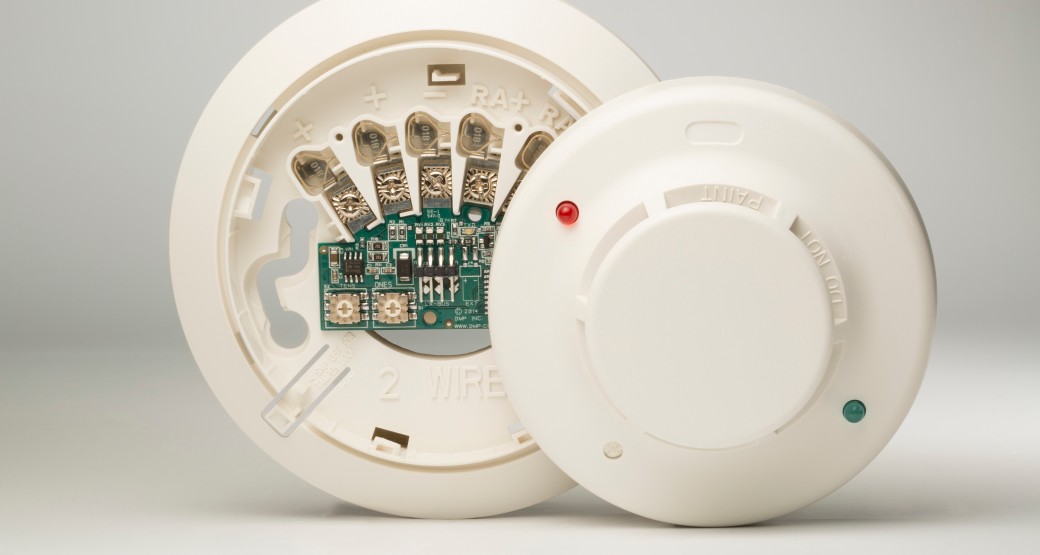
Credit: protechsecurity.com
Disposal And Replacement
Smoke detectors do not last forever. Over time, their sensors wear out. This lowers their ability to detect smoke. Disposal and replacement are important steps to keep your home safe. Proper disposal protects the environment. Choosing the right new detector ensures continued safety.
Safe Disposal Methods
Smoke detectors often contain small amounts of radioactive material. This means you cannot throw them in regular trash. Check local rules for hazardous waste disposal. Many areas have drop-off points for old detectors. Some stores offer take-back programs. Follow instructions to avoid harm to people and nature.
Choosing A New Detector
Select a smoke detector that fits your home’s needs. Look for models with a long battery life. Consider detectors with a silence button for false alarms. Photoelectric and ionization types detect different fires. Some models combine both for better coverage. Always buy units that meet safety standards. Replace your detector every 10 years or as recommended.
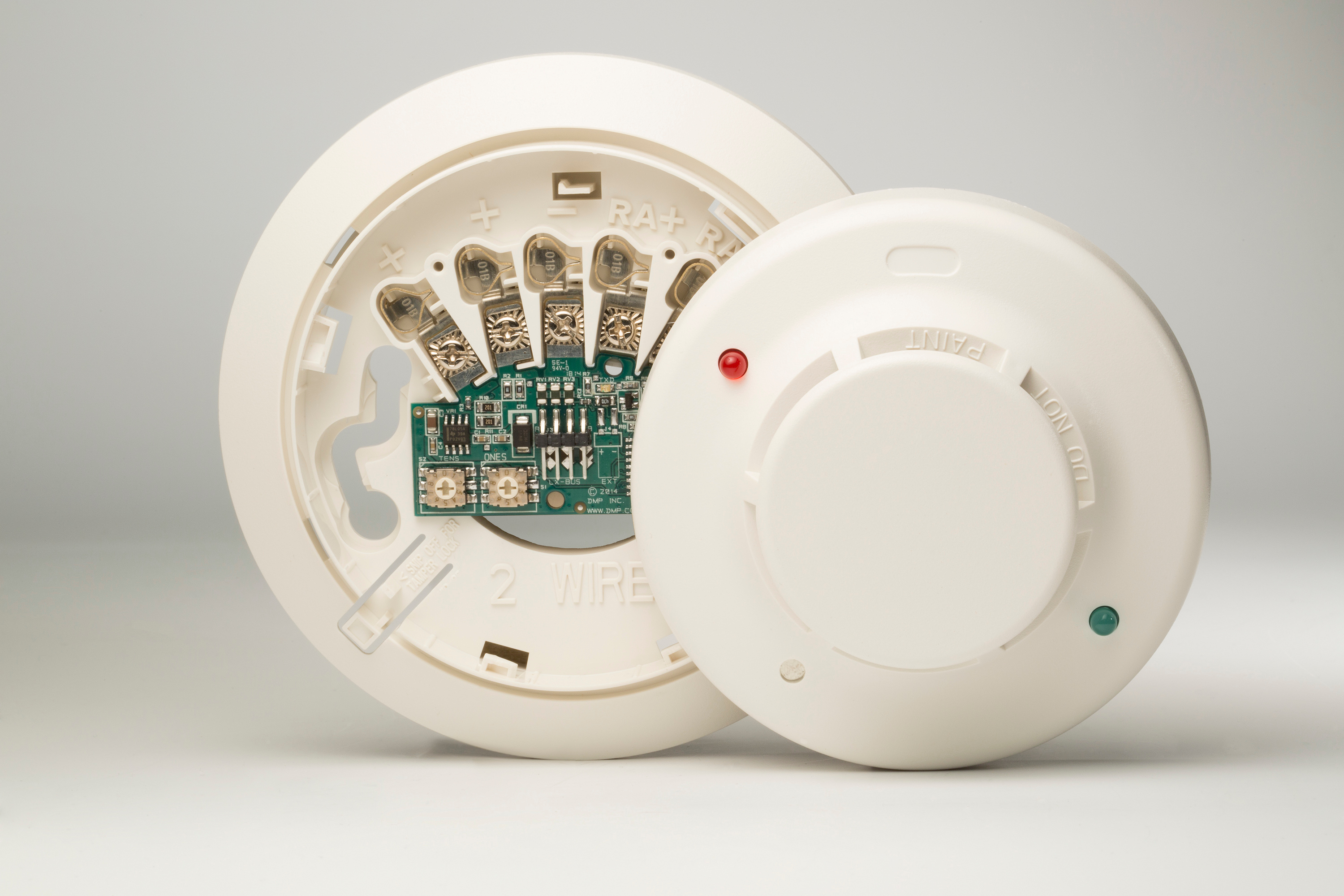
Credit: protechsecurity.com
Frequently Asked Questions
How Long Do Smoke Detectors Typically Last?
Smoke detectors usually last about 8 to 10 years. After this period, their sensors may become less effective. Regular replacement ensures reliable fire detection and safety in your home.
When Should You Replace Your Smoke Detector?
Replace your smoke detector every 10 years or if it fails tests. Also, replace it if it shows physical damage or frequent false alarms.
Can Smoke Detector Batteries Affect Lifespan?
Yes, using fresh batteries and replacing them annually helps maintain detector function. Dead batteries can cause false alarms or prevent detection, but they don’t reduce overall device lifespan.
How Do I Know If My Smoke Detector Is Outdated?
Check the manufacture date on the back of the detector. If it’s over 10 years old, replace it to maintain optimal safety.
Conclusion
Smoke detectors protect your home and save lives. They usually last about 8 to 10 years. After this time, replace them to stay safe. Old detectors may not work well. Test your smoke alarms monthly. Change batteries regularly to keep them active.
Don’t ignore the date on the device. Safety is simple when you maintain your alarms. Stay alert, and keep your family protected.