
Have you ever been startled by a smoke detector beeping nonstop, even when there’s no smoke or fire? It can be frustrating and stressful, especially when you just want some peace and quiet.
Knowing how to turn a smoke detector off safely can save you from this annoyance and help you avoid unnecessary panic. You’ll discover simple, clear steps to silence your smoke detector quickly and correctly. Keep reading—you’ll feel more confident handling those unexpected alarms in no time.
Reasons For Smoke Detector Beeping
Smoke detectors are essential for home safety. They alert you to smoke or fire early. But sometimes, they beep for other reasons. Knowing why your smoke detector beeps helps you fix it quickly. It stops the noise and keeps your home safe.
Low Battery Alerts
One common reason for beeping is a low battery. Smoke detectors need power to work. When the battery runs low, the alarm beeps to warn you. This beep is usually short and repeats every minute or so. Changing the battery stops the beeping and keeps the detector active.
Dust And Debris Issues
Dust or dirt can cause false alarms or beeping. Smoke detectors sense particles in the air. Dust blocks the sensors and triggers the alarm. Cleaning the detector gently with a soft brush or vacuum helps. Regular cleaning prevents unwanted beeping and false alerts.
End Of Life Signals
Smoke detectors do not last forever. Most last about 8 to 10 years. After this time, the alarm may beep to tell you it’s old. This beep is different from low battery alerts. Replacing the whole unit ensures your home stays protected. Check the date on your smoke detector to know its age.

Credit: waynealarm.com
Safety Precautions Before Turning Off
Turning off a smoke detector is a task that requires care. Smoke detectors keep you safe by warning about fire. Before you switch it off, take some safety steps. These steps help protect your home and family.
Ensure No Fire Hazards
Check your home for any signs of fire or smoke. Look around the kitchen, living room, and near electrical devices. Make sure there is no fire source nearby. Do not turn off the detector if you smell smoke or see flames.
Inform Household Members
Tell everyone in your home that you will turn off the smoke detector. This prevents panic if the alarm stops. Make sure they know the reason and how long it will be off. Keep communication clear and simple.
Have A Fire Extinguisher Ready
Keep a fire extinguisher close before turning off the alarm. This tool helps you act fast if a fire starts. Know how to use it safely. Having it ready adds an extra layer of protection.
Turning Off The Smoke Detector
Turning off a smoke detector can be necessary during a false alarm or maintenance. Knowing the right steps ensures safety and avoids damage. Always follow instructions carefully to prevent accidents or system failure.
Locate The Silence Or Reset Button
Most smoke detectors have a silence or reset button. This button stops the alarm sound temporarily. Find it on the front or side of the device. Press and hold the button for 15-20 seconds. The alarm should stop ringing. If the alarm continues, try other methods.
Remove Or Replace The Battery
Removing the battery cuts power to the smoke detector. Open the detector’s cover to access the battery compartment. Take out the battery carefully. Wait a few seconds before reinserting it. Replace old batteries with new ones to keep the detector working well. Always check the battery type before replacing it.
Disconnect Power Source
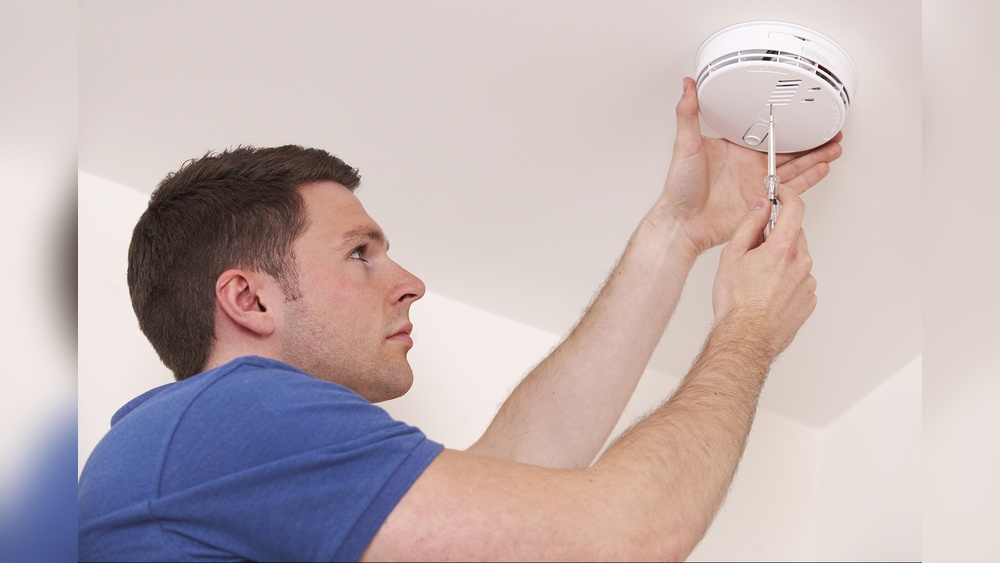
Hardwired smoke detectors connect to your home’s power supply. Turn off the main power switch before disconnecting the device. Use a screwdriver to remove the detector from its mounting bracket. Unplug the wiring harness gently to avoid damage. This step stops the alarm completely but should be done with caution.

Credit: us.fotileglobal.com
Preventing False Alarms
False alarms from smoke detectors can be very frustrating. They disturb your peace and waste battery life. Preventing false alarms helps keep your home calm and safe. Simple steps can reduce these unwanted alerts.
Regular Cleaning Tips
Dust and dirt can trigger false alarms. Clean your smoke detector every month. Use a soft brush or vacuum cleaner. Gently remove dust from the vents. Avoid using water or cleaning sprays. This keeps the sensor working well.
Proper Placement Of Detectors
Place smoke detectors away from kitchens and bathrooms. Steam and cooking smoke cause false alarms. Install detectors at least 10 feet from cooking appliances. Avoid placing them near windows or vents. Proper placement reduces false triggers.
Routine Maintenance Schedule
Test your smoke detectors once a month. Replace batteries every six months or as needed. Check for damage or wear. Replace old detectors every 10 years. Routine care ensures reliable performance and fewer false alarms.
When To Replace Your Smoke Detector
Knowing when to replace your smoke detector is key for home safety. Smoke detectors do not last forever. Over time, their sensors can fail. This means they might not alert you in time during a fire. Regular checks and timely replacements keep your home safe and secure.
Signs Of Aging Devices
Smoke detectors show signs when they age. They may beep or chirp often. This noise signals a weak battery or device issues. Dust buildup can also reduce sensitivity. Physical damage like cracks or discoloration means it’s time to replace. Do not ignore these warning signs.
Manufacturer’s Recommended Lifespan
Most smoke detectors have a lifespan of 8 to 10 years. Check the date on the back of your device. This date tells when it was made. Replace the detector after this period, even if it works fine. Following the manufacturer’s advice ensures proper protection.
Choosing A New Detector
Select a smoke detector that meets safety standards. Look for devices with the UL mark. Consider models with dual sensors for better detection. Battery-operated or hardwired options are available. Choose one that fits your home and budget. Easy installation helps keep your home safe quickly.

Credit: www.wikihow.com
Frequently Asked Questions
How Do I Temporarily Turn Off A Smoke Detector?
To temporarily turn off a smoke detector, press and hold the silence or hush button. This stops the alarm for a few minutes, allowing smoke or steam to clear. Remember to check and reset the detector afterward.
Can I Disable A Smoke Detector Permanently?
Disabling a smoke detector permanently is unsafe and not recommended. Smoke detectors save lives by alerting you to fire. Instead, replace batteries or relocate the detector if false alarms occur frequently.
Why Is My Smoke Detector Beeping Constantly?
A constant beeping usually means low battery or a malfunction. Replace the battery first. If beeping continues, clean the detector or replace the unit to ensure proper function.
How To Turn Off A Smoke Detector Without Removing Batteries?
Press the hush or silence button to mute the alarm temporarily. This stops false alarms without removing batteries. Always reset the detector after the issue is resolved.
Conclusion
Turning off a smoke detector safely is important for your home. Always follow the steps carefully to avoid accidents. Remember, smoke detectors save lives by alerting you to danger. Only turn it off when necessary, like during testing or battery changes.
Keep your detector clean and check it often. Stay safe and protect your family by handling smoke detectors properly. Simple actions can prevent false alarms and keep your home secure.