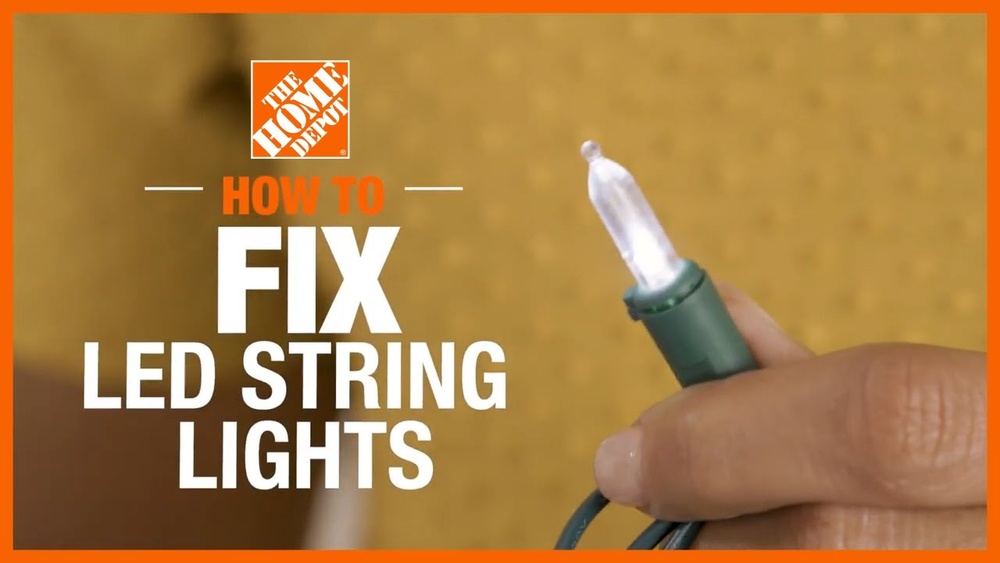

Are your string of LED lights flickering, dim, or not turning on at all? It can be frustrating when your favorite lights stop working, especially when you’re not sure what went wrong.
But don’t worry—you can fix them yourself with a few simple steps. In this guide, you’ll learn easy ways to bring your LED lights back to life, save money, and avoid the hassle of buying new ones. Keep reading, and you’ll have your lights shining bright again in no time!

Credit: georgesworkshop.blogspot.com
Common Issues With Led Strings
LED string lights are popular for decoration. They save energy and last long. Yet, problems can occur. Knowing common issues helps fix them fast. This section covers three main problems. Understanding these can save time and money.
Broken Bulbs And Connections
Broken bulbs stop the entire string from lighting. Look for bulbs that are dark or cracked. Replace any damaged bulbs carefully. Loose connections can cause flickering or no light. Check each bulb socket and connection point. Tighten or adjust to restore proper contact.
Power Supply Problems
Power supply issues often cause LED strings to fail. Check if the plug fits securely in the outlet. Use a different outlet to test power flow. Inspect the power adapter for damage or overheating. Replace faulty adapters to ensure steady power.
Wiring And Fuse Issues
Wiring problems can cause shorts or open circuits. Look for frayed or cut wires along the string. Avoid twisting or pulling wires too hard. Some LED strings have fuses that blow to protect circuits. Check the fuse box and replace any blown fuses carefully.
Tools And Materials Needed
Fixing a string of LED lights requires some basic tools and materials. These help you find problems and replace broken parts. Having the right items ready saves time and makes the job easier. Safety gear protects you from electric shocks and other risks. Below is a list of what you need for the repair.
Basic Repair Tools
You will need a few simple tools. A multimeter helps check electrical connections and voltage. Wire cutters and strippers allow you to remove damaged wires. A screwdriver set is useful for opening casings or panels. Tweezers can help handle small parts carefully. Having a small flashlight can improve visibility in tight spaces.
Replacement Parts
Broken LEDs need new parts. Keep some extra LED bulbs or strips on hand. Replacement wires or connectors may be necessary if wires are damaged. Sometimes you need small resistors or fuses to restore proper function. Make sure all parts match the voltage and size of your lights.
Safety Equipment
Safety is important while fixing lights. Wear insulated gloves to avoid electric shocks. Safety glasses protect your eyes from sparks or debris. Use a non-conductive mat or surface to work on. Always unplug the lights before starting any repair. Keep a first aid kit nearby for emergencies.
Step-by-step Repair Guide
Fixing a string of LED lights can seem tricky. This step-by-step guide helps you find and fix common problems. Follow each step carefully to bring your lights back to life.
Identifying The Faulty Section
Start by unplugging the lights from the power source. Check the entire string for dark or flickering bulbs. Look for any burnt-out or broken bulbs. Divide the string into smaller sections if needed. This helps find the exact problem area quickly.
Replacing Broken Bulbs
Remove the faulty bulbs carefully from their sockets. Match replacement bulbs with the same size and voltage. Insert new bulbs firmly to ensure a good connection. Avoid touching the bulbs with bare hands. Oils can damage the bulbs and reduce life.
Fixing Loose Connections
Inspect the wire connections along the string. Gently press or twist loose bulbs or sockets back in place. Use electrical tape to secure any exposed wires. Loose wires cause flickering or parts of the string to go out. Tight connections restore proper electrical flow.
Testing The Power Source
Check the plug and outlet for power using a different device. Replace blown fuses or reset circuit breakers if needed. Try another power outlet to ensure the string receives electricity. A faulty power source can mimic bulb or wire issues. Confirm power before further repairs.
Credit: www.youtube.com
Preventive Tips For Longevity
Taking care of your string of LED lights helps them last longer. Simple habits can stop damage and avoid repairs. Follow these tips to keep your lights bright and working well for many seasons.
Proper Storage Techniques
Store LED lights in a cool, dry place. Avoid folding or twisting the wires tightly. Use a spool or a box to keep them neat. This prevents tangles and wire damage. Keep them away from sharp objects and moisture.
Avoiding Overloading Circuits
Do not plug too many lights into one outlet. Check the power rating of your string lights. Use multiple outlets or power strips with surge protection. Overloading can cause short circuits and break the lights. Always follow the manufacturer’s guidelines on maximum connections.
Regular Maintenance Checks
Inspect your LED lights often for broken bulbs or damaged wires. Replace any faulty bulbs immediately. Clean the lights gently with a soft cloth to remove dust. Check plugs and sockets for loose connections. Regular checks prevent bigger problems and keep lights safe.
When To Replace Your Led String
Knowing when to replace your LED string lights saves time and money. Some problems cannot be fixed. Learning the signs helps you decide. This way, you avoid wasting effort on repairs that won’t work.
Signs Of Irreparable Damage
Look for wires that are frayed or broken beyond repair. Burn marks or melted sections are a bad sign. If many bulbs stop working, the string might be dead. Water damage often ruins the circuits inside. Loose connections that keep failing can mean it’s time to replace.
Cost Vs. Repair Analysis
Compare the cost of new lights to repair expenses. Small fixes might be cheap and quick. But fixing many bulbs or wiring gets expensive fast. Consider your time and effort too. Sometimes buying new string lights is cheaper and easier than fixing old ones.
Choosing A New Led String
Pick lights that fit your needs and style. Check length, brightness, and color options. Look for energy-efficient and durable models. Read reviews to find reliable brands. Choose strings with good warranty for peace of mind.

Credit: www.amazon.com
Frequently Asked Questions
How Do I Identify A Broken Led In The String?
Check for LEDs that don’t light up or flicker. Use a multimeter to test continuity. Replace any faulty bulbs or sections.
What Tools Are Needed To Fix Led Light Strings?
You need a multimeter, replacement bulbs, electrical tape, and wire cutters. These tools help diagnose and repair common LED string issues.
Can I Fix Led Lights That Won’t Turn On?
Yes, check power source and connections first. Replace blown fuses or damaged bulbs. Repair broken wires or faulty sockets.
How To Prevent Led String Lights From Breaking?
Avoid bending wires sharply and secure connections tightly. Use proper outdoor-rated strings for outside use. Store lights carefully to prevent damage.
Conclusion
Fixing a string of LED lights is easier than you think. Check each bulb and wire for damage. Replace broken bulbs and secure loose connections. Test the lights often while working. Take your time and stay patient. Soon, your lights will shine bright again.
Enjoy the warm glow and festive feel. Keep these simple tips for future repairs. Brighten your space without buying new lights. A little care goes a long way.